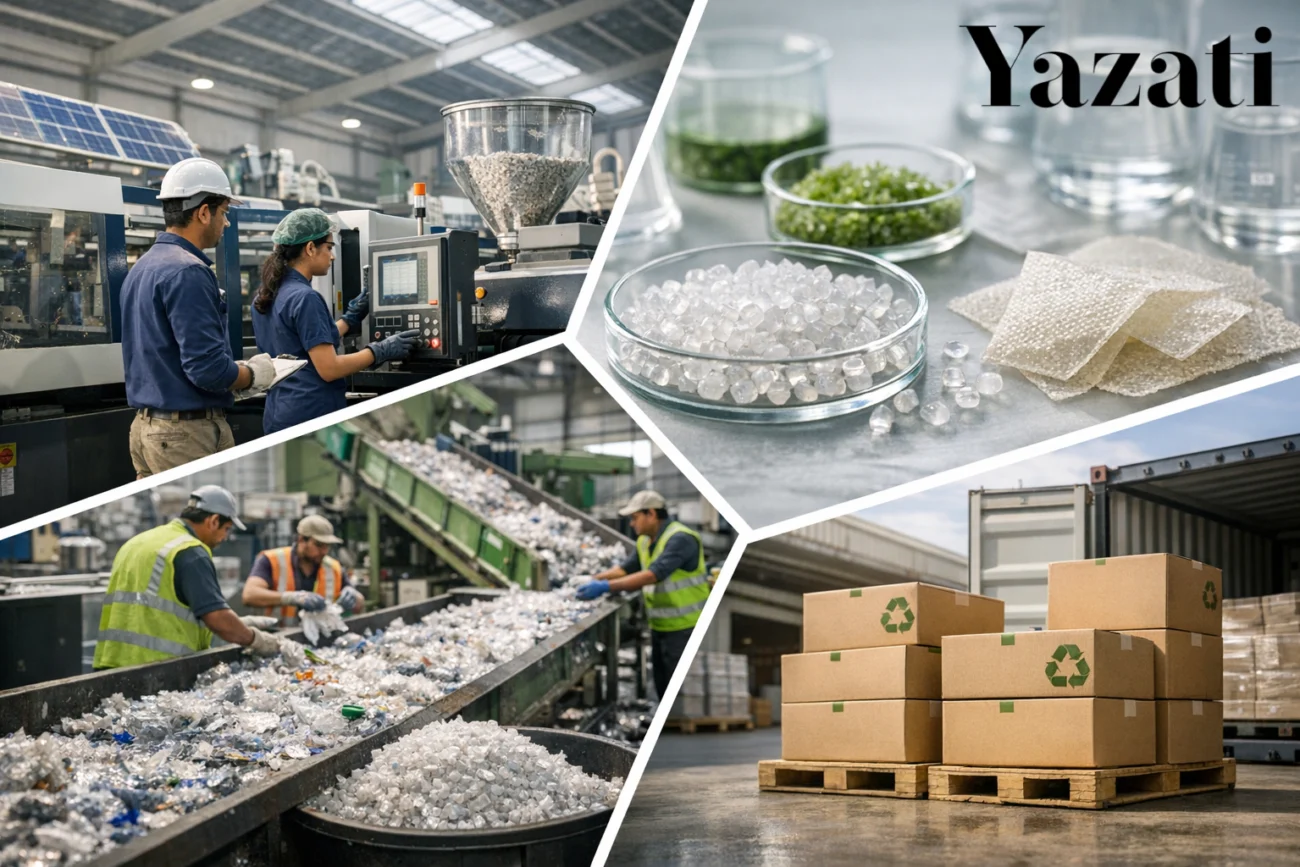
Introduction to Carbon Neutrality in Manufacturing
What Carbon Neutrality Means for Industry
Carbon neutrality refers to achieving a balance between emitting carbon and absorbing carbon from the atmosphere. For industries, this means reducing greenhouse gas emissions as much as possible and offsetting the remaining emissions through sustainable practices. In manufacturing, this transformation involves cleaner energy, efficient processes, and responsible sourcing.
The Carbon-Neutral Future of India’s Plastic Manufacturing is becoming an essential goal as industries adapt to global environmental expectations. It’s no longer just about production—it’s about responsibility.
Why Plastic Manufacturing is Under Scrutiny
Plastic manufacturing has long been associated with pollution, excessive energy use, and waste generation. From fossil fuel dependency to landfill overflow, the environmental impact is significant. As awareness grows, both governments and consumers are demanding cleaner, greener alternatives.
Overview of India’s Plastic Industry
Growth and Economic Importance
India’s plastic industry is one of the fastest-growing sectors, contributing significantly to GDP and employment. It supports industries like packaging, automotive, healthcare, and agriculture. With thousands of small and medium enterprises, the sector plays a vital role in economic development.
However, rapid growth has also led to increased environmental challenges that need urgent attention.
Environmental Challenges Faced
The industry faces issues such as:
- High carbon emissions from fossil fuels
- Poor waste management systems
- Low recycling rates
- Plastic pollution in oceans and land
These challenges highlight the urgency of transitioning toward sustainability.
The Need for a Carbon-Neutral Future
Climate Change Pressures
Rising global temperatures and extreme weather events are pushing industries to act. Plastic manufacturing contributes significantly to greenhouse gas emissions, making it a key sector for climate action.
India, being highly vulnerable to climate change, must prioritize reducing emissions across all industries.
Global Sustainability Commitments
International agreements and sustainability goals are encouraging India to adopt greener practices. Businesses are aligning with global standards to remain competitive and responsible.
Government Policies Driving Change
National Plastic Waste Management Rules
India has implemented strict regulations to control plastic waste. These rules focus on reducing single-use plastics, improving recycling systems, and promoting extended producer responsibility.
Such policies are essential for shaping The Carbon-Neutral Future of India’s Plastic Manufacturing.
Carbon Reduction Targets and Initiatives
The government has set ambitious targets to reduce carbon emissions and increase renewable energy use. Incentives and subsidies are being offered to industries adopting sustainable practices.
Sustainable Raw Materials in Plastic Production
Bio-Based Plastics
Bio-based plastics are made from renewable resources like corn starch and sugarcane. These materials reduce dependency on fossil fuels and lower carbon emissions.
They are increasingly being adopted as eco-friendly alternatives in packaging and consumer goods.
Recycled Polymer Use
Using recycled plastics helps reduce waste and energy consumption. It also decreases the need for virgin raw materials, making production more sustainable.
Energy Transition in Manufacturing
Renewable Energy Integration
Switching to renewable energy sources like solar and wind is a major step toward carbon neutrality. Many manufacturers are installing solar panels and investing in clean energy.
This transition significantly reduces carbon footprints.
Energy Efficiency Improvements
Improving machinery and optimizing processes can reduce energy consumption. Smart systems and automation are helping industries become more efficient.
Circular Economy and Plastic Recycling
Mechanical Recycling Innovations
Mechanical recycling involves processing used plastics into new products. Advances in sorting and cleaning technologies are improving efficiency and quality.
Chemical Recycling Technologies
Chemical recycling breaks plastics down into their original components, allowing them to be reused. This method offers a solution for hard-to-recycle plastics.
Role of Technology and Innovation
AI and Smart Manufacturing
Artificial intelligence is transforming manufacturing processes. It helps optimize production, reduce waste, and improve energy efficiency.
Carbon Capture and Storage
Carbon capture technologies trap emissions before they enter the atmosphere. This innovation is crucial for industries aiming to achieve carbon neutrality.
Corporate Responsibility and ESG Goals
Sustainable Business Models
Companies are adopting sustainable models that focus on environmental, social, and governance (ESG) principles. This includes reducing emissions, minimizing waste, and ensuring ethical practices.
Industry Leaders Adopting Green Practices
Leading companies are setting examples by investing in renewable energy, recycling, and sustainable materials.
Challenges in Achieving Carbon Neutrality
Cost Barriers
Transitioning to sustainable practices requires significant investment. Small businesses often struggle to afford new technologies and infrastructure.
Infrastructure Gaps
Lack of proper recycling facilities and waste management systems remains a major challenge.
Opportunities for Growth and Investment
Green Jobs and Skill Development
The shift toward sustainability is creating new job opportunities in renewable energy, recycling, and green technology.
Investment in Clean Technologies
Investors are increasingly funding sustainable innovations, making it easier for companies to adopt eco-friendly solutions.
Consumer Awareness and Demand
Rise of Eco-Friendly Products
Consumers are becoming more conscious of their environmental impact. Demand for sustainable products is growing rapidly.
Impact on Market Trends
This shift is pushing companies to adopt greener practices to stay competitive.
Case Studies of Sustainable Practices in India
Innovative Startups
Startups are leading innovation in biodegradable plastics and recycling technologies. They are playing a crucial role in transforming the industry.
Large-Scale Industry Initiatives
Major corporations are investing in sustainability, setting benchmarks for others to follow.
Future Outlook of India’s Plastic Industry
Predictions for 2030 and Beyond
By 2030, India’s plastic industry is expected to significantly reduce its carbon footprint through innovation and policy support.
Roadmap to Net Zero
Achieving net zero will require collaboration between government, industry, and consumers. Continuous innovation and commitment are key.
FAQs
1. What is carbon-neutral plastic manufacturing?
It refers to producing plastics with minimal or zero carbon emissions by using sustainable materials and energy sources.
2. Why is carbon neutrality important for India?
It helps reduce environmental damage, combat climate change, and ensure sustainable economic growth.
3. What are bio-based plastics?
They are plastics made from renewable resources instead of fossil fuels.
4. How can recycling contribute to carbon neutrality?
Recycling reduces the need for new raw materials and lowers energy consumption.
5. What challenges does India face in this transition?
High costs, lack of infrastructure, and limited awareness are major challenges.
6. What is the future of plastic manufacturing in India?
The future is focused on sustainability, innovation, and achieving net-zero emissions.
Conclusion
The Carbon-Neutral Future of India’s Plastic Manufacturing is not just a vision—it is a necessity. With growing environmental concerns and global pressure, the industry must evolve. Through innovation, policy support, and collective effort, India can transform its plastic manufacturing sector into a sustainable powerhouse.
The journey may be challenging, but the opportunities it presents are immense. A cleaner, greener future is within reach—and the time to act is now.
✨ Discover Global Sourcing Excellence with Netyex ✨
Netyex is your trusted B2B sourcing partner, connecting international buyers with India’s finest manufacturers and curated product lines—from handicrafts and home décor to kitchenware, textiles, hospitality essentials, and more. With verified suppliers and end-to-end support, we make global procurement seamless, reliable, and efficient.
👉 Elevate your sourcing experience—explore Netyex today.
📦 Bulk orders & customisation | 🌍 Worldwide delivery | 🤝 Trusted by global buyers
Visit Netyex to source premium Indian products with confidence.