Introduction to Indian Footwear Heritage
Indian footwear has a rich and vibrant history that reflects the country’s diverse culture and traditions. From royal courts to everyday wear, Indian shoes have evolved while preserving their unique identity. Today, Why Indian Shoes Excel in Comfort and Craftsmanship is a question that finds its answer in centuries-old techniques, natural materials, and skilled artisanship.
Indian shoes are not just accessories—they are a blend of tradition, comfort, and art. Whether it’s handcrafted leather sandals or embroidered juttis, each pair tells a story.
Historical Roots of Indian Shoemaking
Cultural Influence on Footwear Design
India’s shoemaking tradition dates back thousands of years. Ancient sculptures and paintings depict various styles of footwear worn by kings, warriors, and common people.
Different regions developed their own styles:
- Rajasthan became famous for juttis
- Maharashtra for Kolhapuri chappals
- Punjab for embroidered mojris
These designs were influenced by climate, lifestyle, and cultural preferences.
Understanding the Comfort Factor in Indian Shoes
Use of Natural Materials
One of the biggest reasons Why Indian Shoes Excel in Comfort and Craftsmanship is the use of natural materials such as:
- Genuine leather
- Cotton fabrics
- Jute and cork soles
Natural materials allow better airflow, making shoes breathable and reducing sweat buildup.
Breathability and Climate Adaptation
India’s hot and humid climate influenced the design of footwear. Open designs and soft materials help:
- Keep feet cool
- Prevent odors
- Reduce skin irritation
Ergonomic Design Principles
Indian shoes are often designed to match the natural shape of the foot. Unlike rigid footwear, they:
- Adapt to foot movement
- Provide flexibility
- Reduce pressure points
Craftsmanship: The Heart of Indian Footwear
Handcrafted Techniques Passed Through Generations
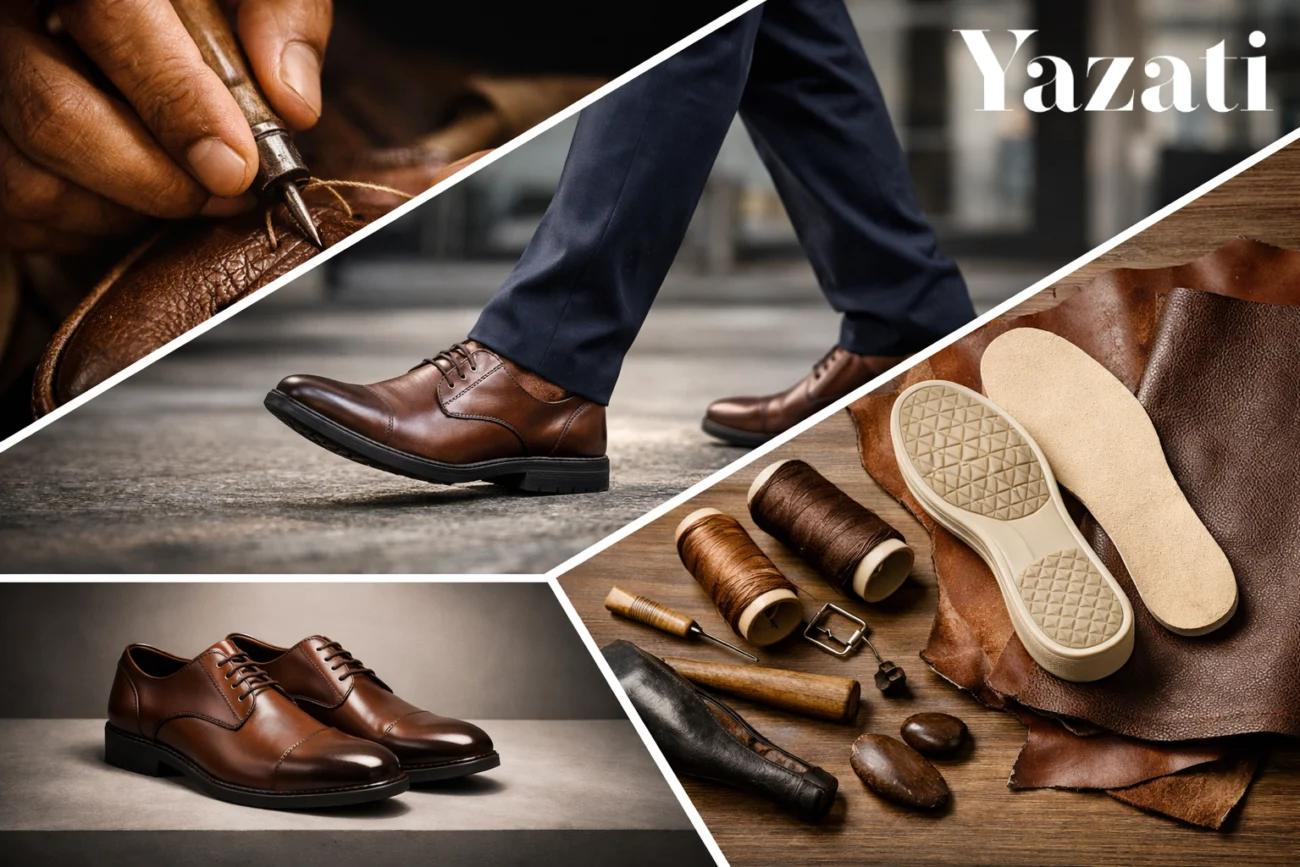
Indian footwear is largely handmade. Artisans use traditional techniques such as:
- Hand-stitching
- Vegetable tanning
- Embroidery and beadwork
These skills are passed down through generations, ensuring authenticity.
Attention to Detail and Precision
Each pair of shoes undergoes careful inspection. From stitching to finishing, artisans focus on:
- Durability
- Aesthetic appeal
- Comfort fit
This meticulous process sets Indian shoes apart from mass-produced alternatives.
Popular Types of Indian Shoes
Mojaris and Juttis
These are traditional flat shoes known for:
- Intricate embroidery
- Soft soles
- Lightweight design
They are widely worn during festivals and weddings.
Kolhapuri Chappals
Originating from Maharashtra, these sandals are:
- Made from pure leather
- Durable and sturdy
- Ideal for daily wear
Modern Indian Footwear Innovations
Today, Indian designers blend tradition with modern styles:
- Sneakers with ethnic patterns
- Fusion footwear for global markets
Role of Skilled Artisans
Regional Craft Clusters
India has several shoemaking hubs:
- Rajasthan
- Uttar Pradesh
- Tamil Nadu
Each region specializes in unique techniques.
Artisan Expertise and Dedication
Artisans spend years mastering their craft. Their dedication ensures:
- High-quality output
- Unique designs
- Long-lasting footwear
Sustainability and Eco-Friendly Practices
Use of Organic and Recycled Materials
Indian shoemakers often use:
- Vegetable-tanned leather
- Natural dyes
- Recycled materials
This reduces environmental impact.
Ethical Production Methods
Unlike factories, many Indian shoes are made in small workshops where:
- Workers are skilled craftsmen
- Production is low-waste
Comparison with Mass-Produced Footwear
Durability vs Fast Fashion
Mass-produced shoes often wear out quickly. In contrast, Indian shoes:
- Last longer
- Can be repaired easily
- Maintain quality over time
Comfort vs Synthetic Alternatives
Synthetic shoes may look stylish but often lack comfort. Indian footwear provides:
- Better airflow
- Softer fit
- Reduced foot fatigue
Global Recognition of Indian Shoes
Export Markets and Demand
Indian footwear is exported worldwide. Countries appreciate:
- Handmade quality
- Unique designs
- Affordable pricing
Influence on International Fashion
Global designers often draw inspiration from Indian styles, incorporating:
- Embroidery
- Traditional patterns
- Natural materials
Maintenance and Longevity of Indian Shoes
Care Tips for Leather and Fabric Footwear
To ensure long life:
- Keep shoes dry
- Use natural polish
- Store in breathable bags
Proper care enhances durability and appearance.
Challenges Faced by Indian Shoemakers
Competition from Machine-Made Products
Despite their quality, Indian shoes face challenges such as:
- Cheap imports
- Fast fashion trends
- Lack of awareness
Future of Indian Footwear Industry
Blending Tradition with Technology
The future looks promising as brands:
- Adopt modern designs
- Use e-commerce platforms
- Promote sustainable practices
This blend ensures global appeal while preserving heritage.
FAQs
1. Why are Indian shoes considered comfortable?
Indian shoes use natural materials and ergonomic designs that adapt to the foot, providing superior comfort.
2. What makes Indian footwear unique?
Handcrafted techniques, cultural designs, and attention to detail make them unique.
3. Are Indian shoes durable?
Yes, they are highly durable due to quality materials and strong craftsmanship.
4. Which materials are commonly used?
Leather, cotton, jute, and natural dyes are commonly used.
5. Are Indian shoes eco-friendly?
Many are made using sustainable and eco-friendly processes.
6. Can Indian shoes be worn daily?
Yes, many styles like Kolhapuri chappals are perfect for daily use.
Conclusion
Understanding Why Indian Shoes Excel in Comfort and Craftsmanship reveals a beautiful combination of tradition, skill, and innovation. These shoes are more than just fashion—they represent heritage, sustainability, and unmatched comfort.
From handcrafted techniques to eco-friendly materials, Indian footwear continues to stand out in a world dominated by mass production. As global demand grows, these timeless creations are gaining the recognition they truly deserve.
✨ Discover Global Sourcing Excellence with Netyex ✨
Netyex is your trusted B2B sourcing partner, connecting international buyers with India’s finest manufacturers and curated product lines—from handicrafts and home décor to kitchenware, textiles, hospitality essentials, and more. With verified suppliers and end-to-end support, we make global procurement seamless, reliable, and efficient.
👉 Elevate your sourcing experience—explore Netyex today.
📦 Bulk orders & customisation | 🌍 Worldwide delivery | 🤝 Trusted by global buyers
Visit Netyex to source premium Indian products with confidence.