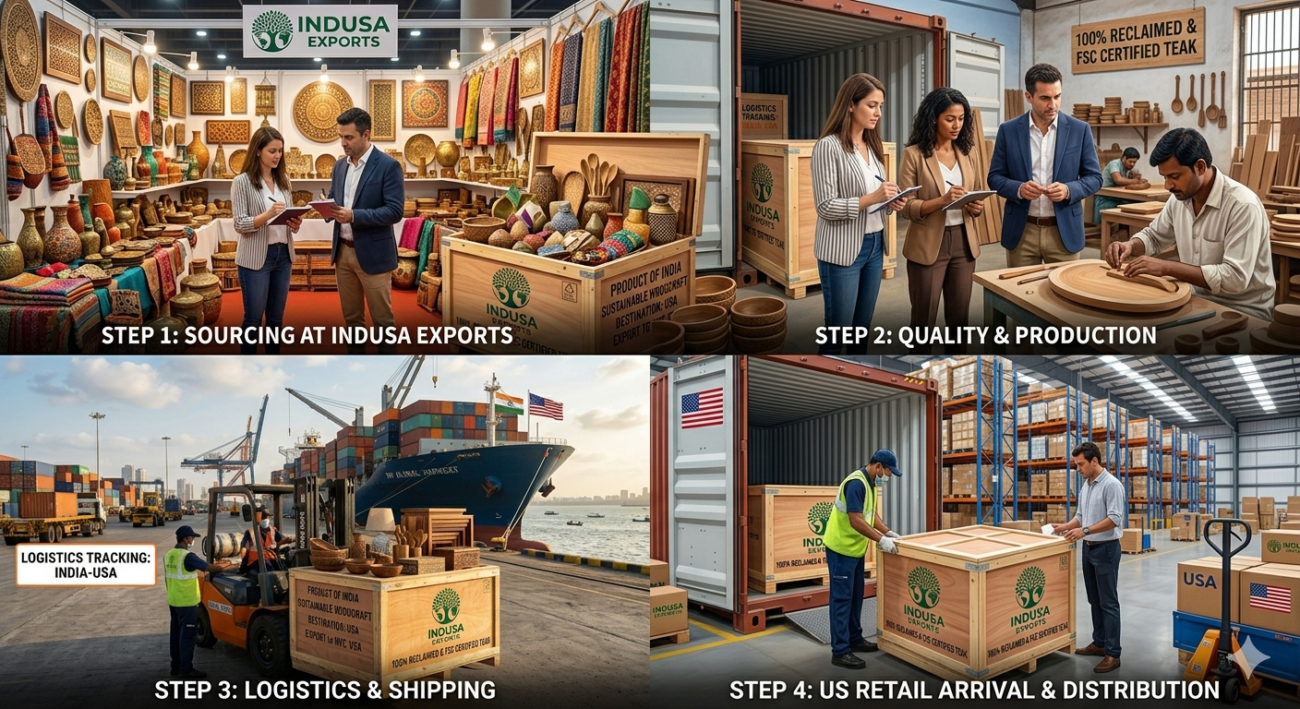
Introduction to Indian Home Decor Sourcing
Indian home decor has taken the global retail market by storm—and for good reason. From vibrant textiles to intricately carved wooden furniture, India offers a rich blend of tradition and craftsmanship that appeals strongly to American consumers. If you’re wondering how USA retailers can source Indian home decor products, you’re stepping into a highly profitable and culturally rich market.
Retailers across the United States are increasingly turning to India not just for affordability, but for authenticity. Indian decor items tell stories—each piece often handcrafted, reflecting centuries-old traditions. This uniqueness gives retailers a competitive edge in a saturated home decor market.
Moreover, with globalization and digital platforms, sourcing products from India has become easier than ever. Whether you’re a boutique store owner or an eCommerce entrepreneur, understanding the sourcing process can unlock new growth opportunities.
Why Indian Home Decor Is Popular in the USA
Market Trends and Consumer Demand
The American market is shifting toward eclectic, global-inspired interiors. Consumers are no longer satisfied with mass-produced decor—they crave uniqueness and cultural authenticity. Indian home decor fits perfectly into this trend.
Bohemian, rustic, and sustainable styles are trending strongly in the U.S., and Indian products naturally align with these aesthetics. Items like handwoven rugs, brass lamps, and block-printed cushions are especially popular.
Additionally, the rise of conscious consumerism has boosted demand for handmade and ethically sourced products. Many Indian artisans use eco-friendly materials and traditional techniques, making these items even more appealing.
Understanding the Indian Home Decor Industry
India’s home decor industry is vast and diverse, spanning thousands of artisans and manufacturers across different regions.
Key Product Categories
Textiles and Fabrics
India is famous for its textiles—think cotton throws, silk cushions, and handwoven rugs. Regions like Rajasthan and Gujarat specialize in block printing and embroidery.
Wooden and Handcrafted Furniture
Solid wood furniture, often hand-carved, is a major export category. These pieces are durable, artistic, and highly valued in premium markets.
Metal, Ceramic, and Decorative Items
Brass lamps, copper utensils, ceramic vases, and wall art are among the most exported decor items. These products often feature intricate designs and cultural motifs.
Benefits of Sourcing from India
Cost Efficiency and Profit Margins
One of the biggest advantages is cost. Labor and production costs in India are significantly lower than in the U.S., allowing retailers to enjoy higher profit margins even after shipping and duties.
Artisan Craftsmanship and Uniqueness
Indian artisans bring unmatched skill and heritage to their work. Each product often has a handmade touch, making it unique and desirable.
How USA Retailers Can Source Indian Home Decor Products Efficiently
Direct Sourcing from Manufacturers
Working directly with manufacturers can reduce costs and give you better control over product customization. Many Indian factories accept private labeling and custom designs.
Working with Export Houses
Export houses act as intermediaries, managing production, quality control, and logistics. This is ideal for beginners who want a smoother sourcing experience.
Using Online B2B Platforms
Platforms like Alibaba, IndiaMART, and TradeIndia make it easy to connect with verified suppliers. These platforms offer reviews, certifications, and communication tools.
Finding Reliable Indian Suppliers
Supplier Verification Techniques
Before committing, always verify suppliers. Request samples, check certifications, and conduct video calls. Look for export experience and client testimonials.
Trade Shows and Exhibitions
Attending trade shows like IHGF Delhi Fair is a great way to meet suppliers in person and evaluate products firsthand.
Legal and Import Regulations
Import Duties and Taxes
Understanding U.S. import duties is essential. Duties vary based on product type and material. Consulting a customs broker can simplify this process.
Compliance and Documentation
Ensure all paperwork is in order—commercial invoices, packing lists, and certificates of origin are crucial. Non-compliance can lead to delays or penalties.
Logistics and Shipping Considerations
Shipping Methods (Air vs Sea)
- Air Freight: Faster but more expensive
- Sea Freight: Cost-effective for bulk orders
Choosing the right method depends on your budget and timeline.
Packaging and Handling
Proper packaging is essential to prevent damage during transit. Fragile items should be securely packed with cushioning materials.
Pricing Strategies and Negotiation Tips
MOQ (Minimum Order Quantity)
Many suppliers have MOQ requirements. Start small if possible, then scale as demand grows.
Negotiation Best Practices
Always negotiate politely. Building rapport with suppliers can lead to better pricing and terms.
Quality Control and Inspection
Pre-shipment Inspections
Inspect goods before shipment to ensure they meet your standards.
Third-party Quality Checks
Hiring inspection agencies can help maintain consistent quality, especially for large orders.
Building Long-Term Supplier Relationships
Communication and Trust
Clear communication is key. Use simple language and confirm details in writing.
Repeat Orders and Scaling
Once you find a reliable supplier, focus on building a long-term partnership. This can lead to better pricing and priority service.
Challenges and How to Overcome Them
Cultural Differences
Understanding cultural nuances can improve communication and business relationships.
Supply Chain Delays
Plan ahead and maintain buffer stock to avoid disruptions.
Future Trends in Indian Home Decor Exports
Sustainable and Eco-friendly Products
Eco-conscious products are gaining popularity. Items made from recycled materials or natural fibers are in high demand.
Digital Sourcing Growth
Online sourcing will continue to grow, making global trade more accessible than ever.
FAQs
1. Is it profitable to source home decor from India?
Yes, due to lower production costs and high demand for unique products, profit margins can be significant.
2. What is the best way to find Indian suppliers?
Using platforms like IndiaMART or attending trade fairs is highly effective.
3. How long does shipping from India to the USA take?
Sea freight takes 3–6 weeks, while air freight takes 5–10 days.
4. Are Indian products good quality?
Yes, especially handmade items, but quality checks are essential.
5. What documents are needed for import?
Invoices, packing lists, bill of lading, and certificates of origin.
6. Can I customize products?
Most manufacturers offer customization and private labeling options.
Conclusion
Sourcing from India isn’t just a cost-saving strategy—it’s a gateway to offering unique, culturally rich products that resonate with modern consumers. By understanding how USA retailers can source Indian home decor products, you can build a profitable and sustainable business model.
With the right suppliers, proper planning, and a focus on quality, your retail business can stand out in a competitive market. Whether you’re just starting out or looking to expand, India offers endless opportunities in the home decor space.
✨ Discover Global Sourcing Excellence with Netyex ✨
Netyex is your trusted B2B sourcing partner, connecting international buyers with India’s finest manufacturers and curated product lines—from handicrafts and home décor to kitchenware, textiles, hospitality essentials, and more. With verified suppliers and end-to-end support, we make global procurement seamless, reliable, and efficient.
👉 Elevate your sourcing experience—explore Netyex today.
📦 Bulk orders & customisation | 🌍 Worldwide delivery | 🤝 Trusted by global buyers
Visit Netyex to source premium Indian products with confidence.