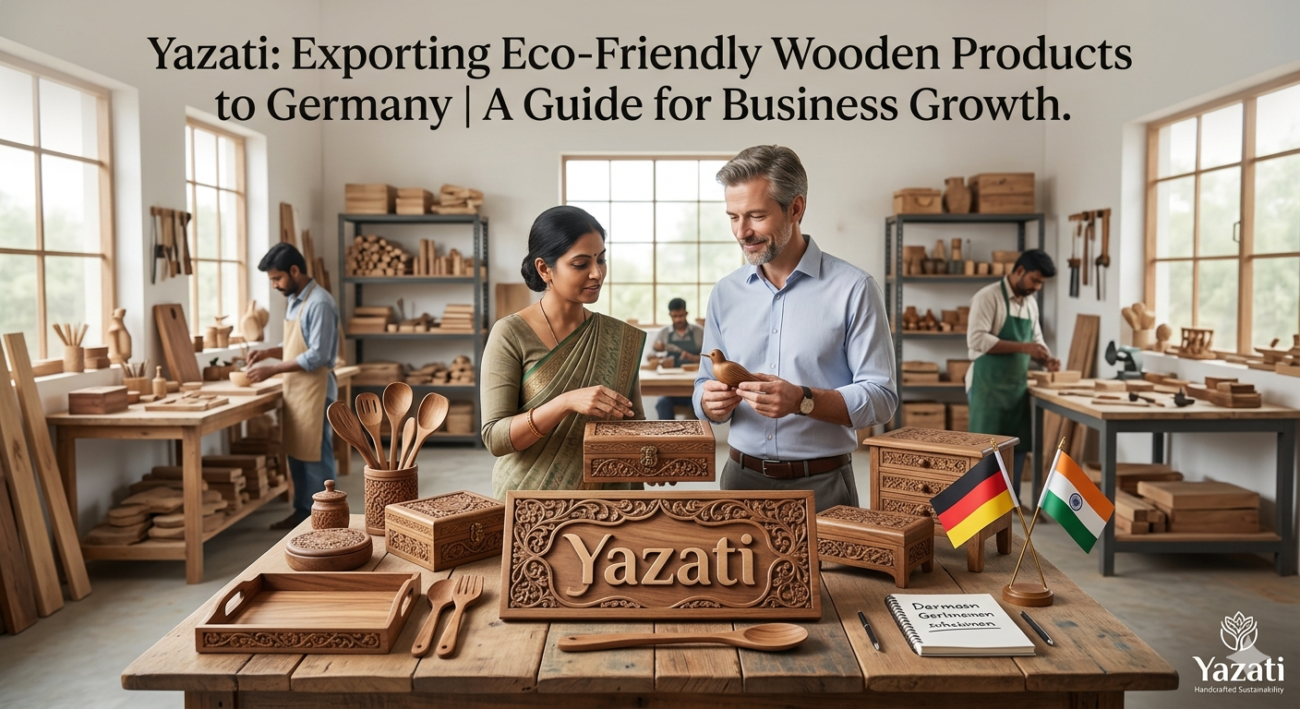
Introduction to Eco-Friendly Wooden Exports
Exporting Eco-Friendly Wooden Products to Germany is becoming a highly profitable and future-proof business opportunity. As global awareness of environmental issues grows, countries like Germany are leading the shift toward sustainable consumption. Wooden products, when sourced responsibly, are seen as renewable, biodegradable, and environmentally friendly alternatives to plastic and synthetic materials.
Why Sustainability Matters in Global Trade
Sustainability is no longer just a trend—it’s a requirement. Governments, businesses, and consumers are actively seeking eco-friendly alternatives. Wooden products that meet environmental standards are more likely to gain market acceptance and command higher prices.
Exporters who align with sustainability goals not only improve their brand image but also gain access to stricter yet rewarding markets like the European Union.
Rising Demand in Germany for Green Products
Germany is one of Europe’s largest importers of eco-friendly goods. German consumers are highly environmentally conscious and prefer products made from sustainable materials. Items such as wooden furniture, kitchenware, toys, and décor are particularly popular.
Understanding the German Market
Consumer Preferences in Germany
German buyers value:
- Sustainability and ethical sourcing
- High-quality craftsmanship
- Minimalist and functional design
- Certifications proving eco-friendliness
Popular Eco-Friendly Wooden Products
Some of the most in-demand items include:
- Wooden furniture
- Kitchen utensils
- Toys and educational tools
- Decorative items
- Garden furniture
Key Market Trends
The German market is driven by:
- Zero-waste lifestyle adoption
- Preference for recyclable materials
- Growth in eco-conscious startups
- Increased demand for handcrafted goods
Legal Requirements and Regulations
EU Timber Regulation (EUTR)
The EU Timber Regulation ensures that only legally harvested timber enters the EU market. Exporters must provide proof of legality and traceability.
Documentation and Compliance
Exporters must prepare:
- Certificate of origin
- Phytosanitary certificate
- Bill of lading
- Commercial invoice
Import Duties and Taxes
Germany follows EU-wide tariff systems. Duties vary depending on product type, but eco-friendly goods sometimes benefit from reduced tariffs under trade agreements.
Certifications Required for Export
FSC Certification
The Forest Stewardship Council certification ensures that wood is sourced from responsibly managed forests.
PEFC Certification
The Programme for the Endorsement of Forest Certification is another widely accepted certification in Germany.
CE Marking
Some wooden products may require CE marking to confirm compliance with EU safety, health, and environmental standards.
Sourcing Sustainable Raw Materials
Responsible Forestry Practices
Using sustainably harvested wood is critical. This includes:
- Avoiding illegal logging
- Supporting reforestation
- Maintaining biodiversity
Supply Chain Transparency
German buyers often demand full visibility into the supply chain. Blockchain and digital tracking tools are increasingly used to ensure transparency.
Manufacturing Standards
Eco-Friendly Production Techniques
Manufacturers should:
- Use non-toxic adhesives and finishes
- Minimize carbon emissions
- Use renewable energy sources
Waste Reduction Strategies
Efficient production methods include:
- Recycling wood scraps
- Using sawdust for energy
- Optimizing material usage
Packaging and Labeling Requirements
Sustainable Packaging Solutions
Packaging must be:
- Recyclable
- Biodegradable
- Minimalistic
German Labeling Laws
Labels should include:
- Product origin
- Material composition
- Certification logos
Logistics and Shipping
Best Shipping Methods
Sea freight is the most cost-effective option for bulk shipments, while air freight is faster but more expensive.
Cost Optimization Strategies
To reduce logistics costs:
- Consolidate shipments
- Use efficient packaging
- Partner with experienced freight forwarders
Marketing Eco-Friendly Wooden Products
Branding for Sustainability
Your brand should communicate:
- Environmental responsibility
- Ethical sourcing
- Quality craftsmanship
Digital Marketing in Germany
Effective channels include:
- Social media platforms
- E-commerce websites
- Influencer collaborations
Finding Buyers and Distributors
Trade Fairs in Germany
Events like Ambiente Frankfurt provide excellent networking opportunities.
Online B2B Platforms
Platforms like Alibaba and Global Sources help connect exporters with buyers.
Pricing Strategy
Competitive Pricing Models
Consider:
- Market-based pricing
- Cost-plus pricing
Value-Based Pricing
Eco-friendly products often justify premium pricing due to their sustainability benefits.
Challenges in Exporting
Regulatory Barriers
Strict EU regulations can be complex and require careful compliance.
Cultural Differences
Understanding German business etiquette is crucial for building long-term relationships.
Risk Management
Quality Control
Maintain consistent product quality to avoid returns and reputational damage.
Insurance Coverage
Export insurance protects against:
- Transit damage
- Payment defaults
Government Support and Incentives
Export Promotion Schemes
Many countries offer incentives for exporters entering European markets.
Financial Assistance
Exporters can access:
- Subsidies
- Low-interest loans
- Tax benefits
Future Opportunities
Growth of Green Economy
Germany’s commitment to sustainability ensures long-term demand for eco-friendly products.
Innovation in Wooden Products
Emerging trends include:
- Smart wooden furniture
- Modular designs
- Eco-friendly coatings
FAQs
1. What makes wooden products eco-friendly?
Eco-friendly wooden products are made from sustainably sourced timber and use non-toxic materials.
2. Do I need certification to export to Germany?
Yes, certifications like FSC or PEFC are often required.
3. What is the EU Timber Regulation?
It is a law that prevents illegal timber from entering the EU market.
4. Which products sell best in Germany?
Furniture, kitchenware, toys, and decorative items are highly popular.
5. How can I find buyers in Germany?
You can attend trade fairs or use B2B platforms.
6. Is exporting to Germany profitable?
Yes, due to high demand for sustainable products and premium pricing opportunities.
Conclusion
Exporting Eco-Friendly Wooden Products to Germany offers immense potential for businesses willing to meet strict sustainability standards. With the right certifications, quality control, and marketing strategies, exporters can tap into a highly lucrative and environmentally conscious market. As the world shifts toward greener solutions, now is the perfect time to establish a strong presence in Germany’s eco-friendly product sector.
✨ Discover Global Sourcing Excellence with Netyex ✨
Netyex is your trusted B2B sourcing partner, connecting international buyers with India’s finest manufacturers and curated product lines—from handicrafts and home décor to kitchenware, textiles, hospitality essentials, and more. With verified suppliers and end-to-end support, we make global procurement seamless, reliable, and efficient.
👉 Elevate your sourcing experience—explore Netyex today.
📦 Bulk orders & customisation | 🌍 Worldwide delivery | 🤝 Trusted by global buyers
Visit Netyex to source premium Indian products with confidence.