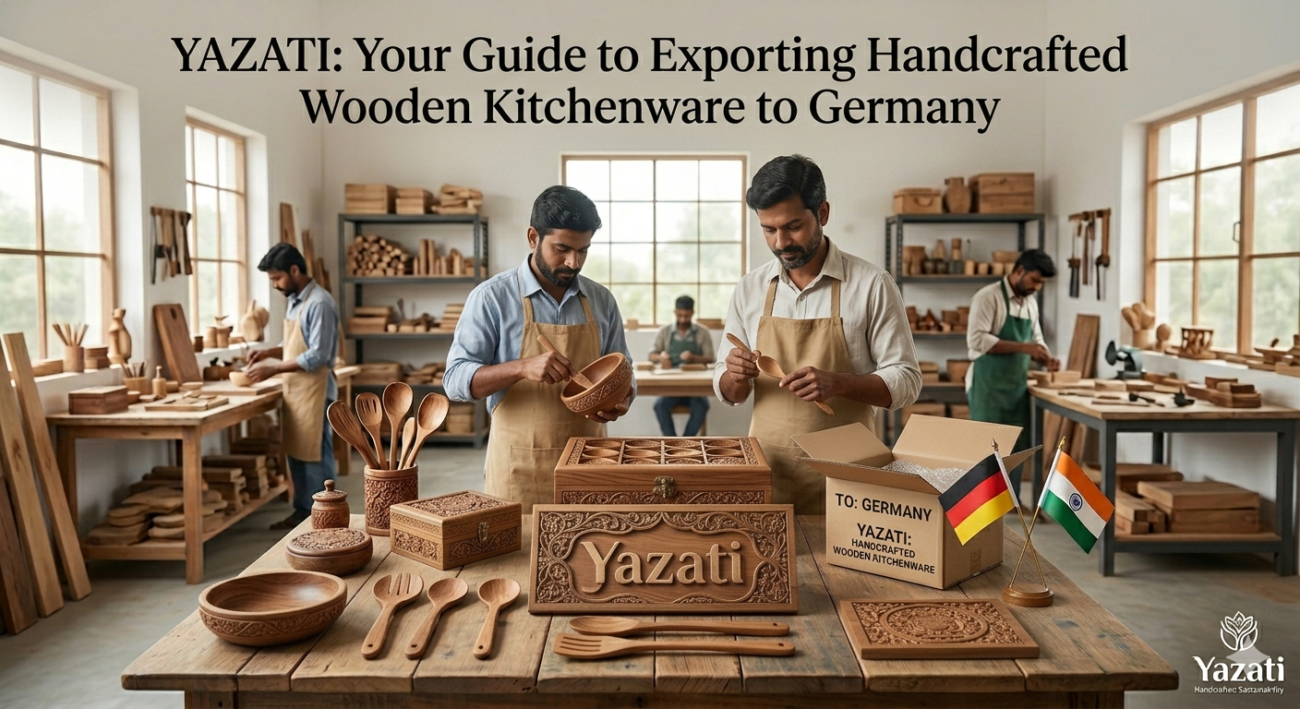
Introduction to Wooden Kitchenware Export
Exporting wooden kitchenware to Germany is a smart and strategic move for businesses looking to expand into Europe. Germany has one of the strongest economies in the European Union and a growing demand for eco-friendly, sustainable kitchen products. From wooden spoons and cutting boards to handcrafted serving trays, the German market offers excellent opportunities for exporters.
Wooden kitchenware products are not only functional but also align with modern sustainability trends. Consumers in Germany prefer natural, biodegradable, and reusable materials over plastic. This shift creates a strong demand for high-quality wooden products.
If you’re planning to enter this market, this Wooden Kitchenware Export Guide to Germany will walk you through everything—from legal compliance to marketing strategies—so you can succeed with confidence.
Why Germany is a Profitable Market
Germany stands out as a lucrative destination for wooden kitchenware exports due to its strong purchasing power and eco-conscious population.
Consumer Preferences in Germany
German consumers value durability, quality, and sustainability. They prefer products that:
- Are made from responsibly sourced wood
- Have minimal environmental impact
- Are certified for safety and sustainability
- Offer long-lasting performance
Many households are shifting towards plastic-free kitchens, making wooden utensils increasingly popular.
Additionally, German buyers appreciate craftsmanship and authenticity. Handmade or artisanal products often command higher prices compared to mass-produced alternatives.
Market Research for Wooden Kitchenware
Before entering the German market, conducting thorough research is essential.
Understanding Demand Trends
The demand for wooden kitchenware in Germany is steadily increasing due to:
- Rising environmental awareness
- Growth of organic and eco-friendly lifestyles
- Expansion of home cooking culture
Popular items include:
- Wooden spatulas
- Cutting boards
- Salad bowls
- Rolling pins
Eco-Friendly Product Popularity
Germany is one of the leading countries in sustainability. Products that are:
- Plastic-free
- Biodegradable
- Ethically sourced
have a significant competitive advantage.
Exporters who highlight eco-friendly features in their products are more likely to succeed.
Legal Requirements for Exporting to Germany
Understanding regulations is crucial when exporting wooden kitchenware.
EU Import Regulations
Germany follows European Union import laws. Key requirements include:
- Compliance with EU timber regulations
- Proof of legal sourcing of wood
- Proper documentation for customs
Failure to meet these regulations can result in shipment rejection.
Product Safety Standards
Wooden kitchenware must meet strict safety standards, especially since they come into contact with food. Products must:
- Be free from harmful chemicals
- Use food-safe finishes
- Meet hygiene standards
Certifications Needed for Wooden Kitchenware
Certifications enhance credibility and trust in the German market.
FSC Certification
Forest Stewardship Council (FSC) certification proves that the wood used is sourced sustainably. This certification is highly valued in Germany.
Food Safety Compliance
Products must comply with EU food safety regulations. This ensures that wooden kitchenware is safe for everyday use.
Choosing the Right Wood Materials
Selecting the right type of wood is critical for product quality and acceptance.
Sustainable Sourcing
Sourcing wood responsibly is not just a requirement—it’s a selling point. Sustainable sourcing helps:
- Protect forests
- Build brand trust
- Meet EU regulations
Preferred Wood Types in Germany
Commonly preferred wood types include:
- Beechwood
- Bamboo
- Maple
- Olive wood
These materials are durable, safe, and visually appealing.
Packaging and Labeling Standards
Packaging plays a vital role in export success.
German Labeling Laws
Labels must include:
- Product name
- Material details
- Country of origin
- Usage instructions
Clear and accurate labeling builds consumer trust.
Eco-Friendly Packaging
German consumers prefer minimal and recyclable packaging. Using:
- Kraft paper
- Recyclable boxes
- Plastic-free packaging
can significantly boost product appeal.
Pricing Strategy for Export
Setting the right price is key to staying competitive.
Cost Calculation
Consider all costs, including:
- Manufacturing
- Packaging
- Shipping
- Customs duties
Competitive Pricing Techniques
To stay competitive:
- Analyze competitor pricing
- Offer bulk discounts
- Optimize production costs
Shipping and Logistics
Efficient logistics ensure timely delivery.
Choosing Shipping Methods
Common methods include:
- Sea freight (cost-effective for bulk)
- Air freight (faster but expensive)
Customs Clearance Process
Ensure:
- Proper documentation
- Accurate declarations
- Compliance with EU rules
Finding Buyers in Germany
Connecting with the right buyers is essential.
B2B Platforms
Use platforms like:
- Alibaba
- Global Sources
- Europages
Trade Fairs
Participating in trade fairs in Germany helps build connections and showcase products.
Marketing Your Wooden Kitchenware
Marketing plays a crucial role in export success.
Branding Strategies
Focus on:
- Sustainability
- Quality craftsmanship
- Unique designs
Digital Marketing Tips
- Create a professional website
- Use SEO strategies
- Promote on social media
Common Challenges and Solutions
Regulatory Barriers
Solution: Stay updated with EU regulations and hire compliance experts.
Logistics Issues
Solution: Work with reliable logistics partners.
Payment Methods and Risk Management
Secure Payment Options
- Letter of Credit (LC)
- PayPal
- Bank transfers
Currency Considerations
Be aware of exchange rate fluctuations and plan pricing accordingly.
Building Long-Term Business Relationships
German Business Culture
German buyers value:
- Punctuality
- Transparency
- Professionalism
Communication Tips
- Be clear and concise
- Provide detailed product information
- Respond promptly
Sustainability Trends in Germany
Green Consumer Behavior
Consumers actively seek environmentally friendly products.
Circular Economy Practices
Recyclable and reusable products are highly preferred.
FAQs
1. Is Germany a good market for wooden kitchenware exports?
Yes, Germany has a strong demand for eco-friendly and sustainable kitchen products.
2. What certifications are required?
FSC certification and EU food safety compliance are highly recommended.
3. What are the most popular wooden kitchen products?
Cutting boards, spoons, bowls, and spatulas are in high demand.
4. How can I find buyers in Germany?
Use B2B platforms and attend trade fairs.
5. What packaging is preferred in Germany?
Eco-friendly and recyclable packaging is preferred.
6. What challenges should exporters expect?
Regulatory compliance and logistics are common challenges.
Conclusion
Exporting wooden kitchenware to Germany offers immense potential for growth. By understanding market trends, complying with regulations, and focusing on sustainability, businesses can successfully enter and thrive in this competitive market.
This Wooden Kitchenware Export Guide to Germany provides a complete roadmap—from research and certification to marketing and logistics. With the right approach, exporters can build strong relationships and achieve long-term success in Germany.
🔗 External Resource
For official EU import guidelines, visit: https://trade.ec.europa.eu/
✨ Discover Global Sourcing Excellence with Netyex ✨
Netyex is your trusted B2B sourcing partner, connecting international buyers with India’s finest manufacturers and curated product lines—from handicrafts and home décor to kitchenware, textiles, hospitality essentials, and more. With verified suppliers and end-to-end support, we make global procurement seamless, reliable, and efficient.
👉 Elevate your sourcing experience—explore Netyex today.
📦 Bulk orders & customisation | 🌍 Worldwide delivery | 🤝 Trusted by global buyers
Visit Netyex to source premium Indian products with confidence.