Introduction to Sustainable Home Decor Exports
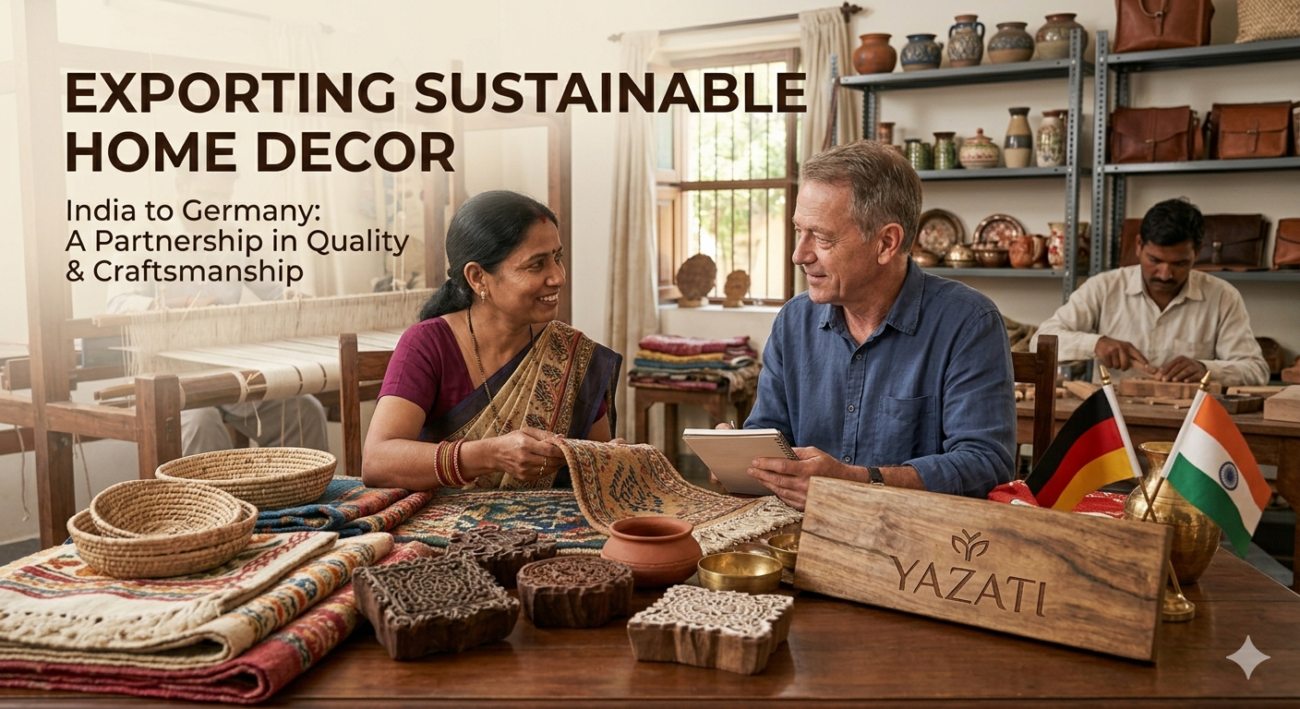
Exporting Sustainable Home Decor from India to Germany has emerged as one of the most promising business opportunities in recent years. With increasing global awareness about environmental sustainability, eco-friendly products are no longer a niche—they’re a necessity. Germany, being one of Europe’s largest economies, has shown a strong preference for ethically sourced, handmade, and sustainable home decor items.
India, known for its rich heritage of craftsmanship, offers a wide range of eco-conscious products such as bamboo decor, recycled textiles, terracotta items, and handwoven furnishings. This combination of tradition and sustainability creates a powerful export proposition.
Why Germany is a Key Market for Indian Exporters
Germany stands out as a top destination for sustainable exports due to its environmentally conscious population. Consumers in Germany actively seek products that align with their values—minimal waste, fair trade, and eco-friendly materials.
Additionally, Germany acts as a gateway to the broader European Union market. Once your products comply with German standards, entering other EU countries becomes easier.
Growing Demand for Eco-Friendly Products
The demand for sustainable decor is growing rapidly. German households prefer products made from natural fibers, recycled materials, and ethically sourced goods. This trend is fueled by strict environmental regulations and consumer awareness.
Understanding Sustainable Home Decor
Sustainable home decor refers to products designed with minimal environmental impact. These items are typically made from renewable, recycled, or biodegradable materials.
Materials Used in Sustainable Decor
Indian exporters commonly use materials such as:
- Bamboo and cane
- Jute and coir
- Reclaimed wood
- Organic cotton
- Terracotta and clay
These materials not only reduce environmental harm but also add a natural aesthetic appeal that German consumers appreciate.
Popular Indian Eco-Friendly Craft Categories
Some of the most in-demand categories include:
- Handwoven rugs
- Wooden furniture from reclaimed wood
- Eco-friendly lighting fixtures
- Handmade pottery
- Textile-based decor like cushion covers and curtains
Market Overview in Germany
Understanding the German market is crucial for success.
Consumer Preferences in Germany
German buyers prefer:
- Minimalist designs
- Neutral color palettes
- Functional yet aesthetic products
- Certified eco-friendly goods
They also value transparency—knowing where and how a product is made.
Pricing Expectations and Trends
German consumers are willing to pay a premium for quality and sustainability. However, pricing must still be competitive compared to other global suppliers.
Export Regulations and Legal Requirements
Certifications Required for Germany
To export successfully, you may need certifications such as:
- FSC (Forest Stewardship Council)
- Fair Trade certification
- GOTS (Global Organic Textile Standard)
These certifications build trust and ensure compliance with European standards.
EU Compliance and Standards
The European Union has strict rules regarding product safety, labeling, and environmental impact. Compliance with REACH (Registration, Evaluation, Authorization, and Restriction of Chemicals) is essential.
Step-by-Step Export Process
Documentation Needed
Key documents include:
- Commercial invoice
- Packing list
- Bill of lading
- Certificate of origin
- Export license
Shipping and Logistics
Choosing the right logistics partner ensures timely delivery and cost efficiency. Proper planning reduces delays and avoids penalties.
Finding Buyers in Germany
B2B Platforms and Trade Fairs
Platforms like:
- Alibaba
- IndiaMART
- Global Sources
Trade fairs such as Ambiente in Frankfurt are excellent opportunities to connect with buyers.
Building Long-Term Partnerships
Consistency in quality and communication helps build trust with German buyers. Long-term contracts can stabilize your export business.
Pricing Strategy and Costing
Calculating Export Costs
Include:
- Production costs
- Packaging
- Shipping
- Duties and taxes
Competitive Pricing Models
Use value-based pricing rather than cost-based pricing to maximize profit.
Packaging and Branding
Sustainable Packaging Solutions
Use recyclable or biodegradable packaging materials. This aligns with German environmental standards.
Branding for European Markets
Focus on storytelling—highlight craftsmanship, sustainability, and cultural heritage.
Logistics and Shipping Methods
Air vs Sea Freight
- Air freight: Faster but expensive
- Sea freight: Cost-effective for bulk shipments
Choosing Reliable Freight Forwarders
Work with experienced partners to handle customs and documentation efficiently.
Marketing Strategies
Digital Marketing for Exporters
A strong online presence is essential. Build a professional website and optimize it for SEO.
Social Media and E-commerce Channels
Platforms like Instagram and Etsy are effective for showcasing handmade decor products.
Challenges and How to Overcome Them
Cultural Differences
Understanding German business etiquette is crucial. They value punctuality and professionalism.
Supply Chain Issues
Maintain reliable suppliers and backup plans to avoid disruptions.
Government Support and Incentives
Indian Export Promotion Councils
Organizations like the Export Promotion Council for Handicrafts (EPCH) provide valuable support.
Financial Assistance Schemes
The Indian government offers subsidies and incentives for exporters, reducing operational costs.
Case Studies of Successful Exporters
Lessons from Indian Brands
Many Indian brands have successfully entered the German market by focusing on quality and sustainability.
Scaling Strategies
Investing in design innovation and automation can help scale operations.
Future Trends in Sustainable Decor Exports
Innovation and Design Trends
Smart eco-friendly products and multifunctional decor are gaining popularity.
Increasing Demand for Handmade Products
Handmade items with unique designs continue to attract European buyers.
FAQs
1. Is exporting sustainable home decor profitable?
Yes, due to high demand and premium pricing in Germany.
2. What certifications are required?
FSC, Fair Trade, and GOTS are commonly needed.
3. How can I find buyers in Germany?
Use B2B platforms and attend trade fairs.
4. What is the best shipping method?
Sea freight is cost-effective for large shipments.
5. Do I need an export license in India?
Yes, you need an Import Export Code (IEC).
6. What products are most popular?
Handmade, eco-friendly, and minimalist decor items.
Conclusion
Exporting Sustainable Home Decor from India to Germany offers immense opportunities for growth and profitability. With the right strategy, compliance, and market understanding, Indian exporters can successfully tap into this lucrative market. By focusing on sustainability, quality, and branding, businesses can build long-term success in Germany and beyond.
✨ Discover Global Sourcing Excellence with Netyex ✨
Netyex is your trusted B2B sourcing partner, connecting international buyers with India’s finest manufacturers and curated product lines—from handicrafts and home décor to kitchenware, textiles, hospitality essentials, and more. With verified suppliers and end-to-end support, we make global procurement seamless, reliable, and efficient.
👉 Elevate your sourcing experience—explore Netyex today.
📦 Bulk orders & customisation | 🌍 Worldwide delivery | 🤝 Trusted by global buyers
Visit Netyex to source premium Indian products with confidence.