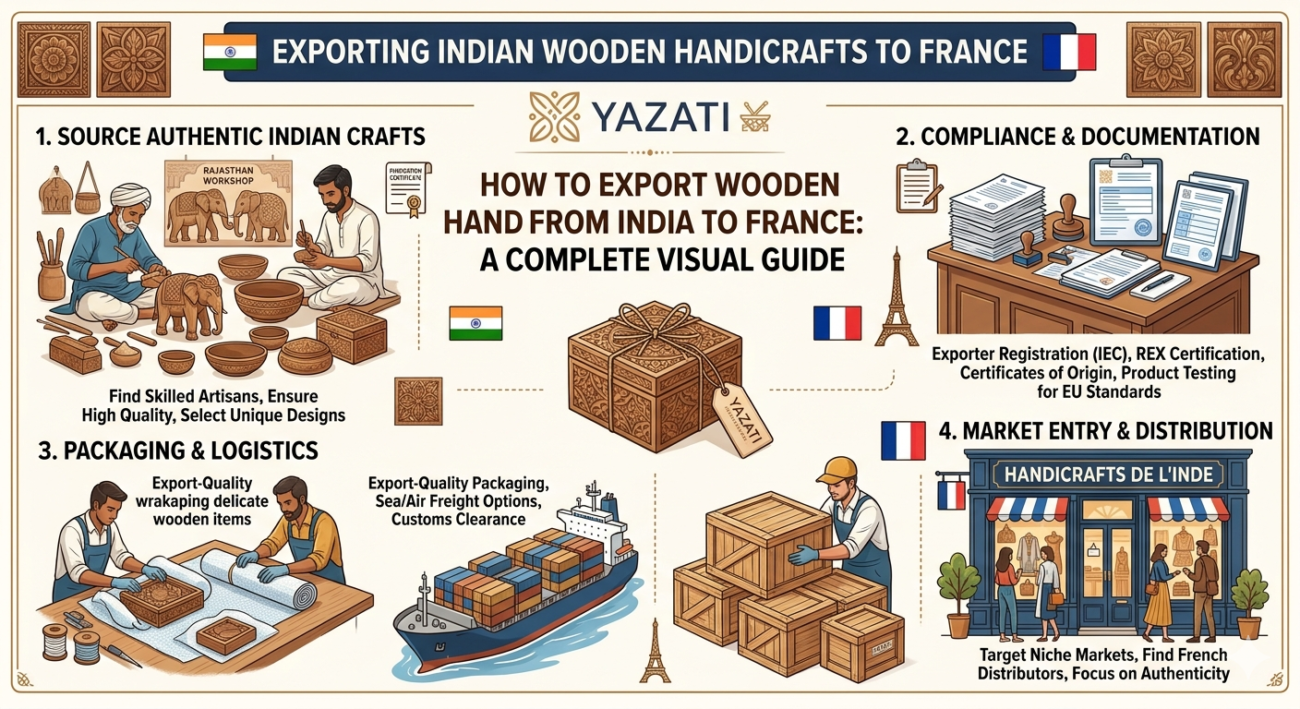
Introduction to Luxury Indian Decor Exports
Exporting Luxury Indian Decor to French Boutiques is becoming one of the most exciting opportunities for Indian artisans and businesses. France, known for its refined taste and love for artistic expression, offers a highly receptive market for handcrafted Indian decor. From intricately carved wooden panels to handwoven textiles, Indian craftsmanship aligns beautifully with the French appreciation for heritage and uniqueness.
This growing trend isn’t just about trade—it’s about storytelling, culture, and artistry crossing borders. French boutique owners are constantly looking for distinctive, high-quality items that stand out from mass-produced goods. That’s where Indian luxury decor shines.
Understanding the French Boutique Market
Consumer Preferences in France
French consumers value elegance, minimalism, and authenticity. They often prefer decor items that carry a story—something handmade, culturally rich, and exclusive.
Unlike mass retail, boutique shoppers in France are willing to pay premium prices for originality and craftsmanship. This makes exporting luxury Indian decor a strong business opportunity.
Demand for Handmade and Ethical Products
Sustainability is not just a trend in France—it’s a lifestyle. Many buyers prefer ethically sourced and environmentally friendly products. Indian decor items made using traditional techniques and natural materials perfectly match this demand.
Influence of Interior Design Trends
French interior design blends classic elegance with modern simplicity. Neutral tones, vintage accents, and artisanal pieces dominate the scene. Indian decor, especially with subtle color palettes and intricate detailing, fits seamlessly into these aesthetics.
Why Exporting Luxury Indian Decor to French Boutiques is Profitable
Growth of Luxury Retail in France
France is home to one of the largest luxury markets globally. Cities like Paris are hubs for high-end boutiques that constantly seek unique inventory.
Organizations like Business France actively promote international trade, making it easier for exporters to enter the market.
Appreciation for Artisan Craftsmanship
French buyers deeply respect handmade goods. Indian artisans, known for centuries-old techniques, offer products that cannot be replicated by machines—giving them a strong competitive edge.
Types of Indian Decor Popular in France
Handwoven Textiles
Items like silk cushions, wool rugs, and cotton throws are highly popular. These pieces add warmth and texture to French interiors.
Brass and Metal Artifacts
Decorative lamps, figurines, and antique-style accents made from brass are widely appreciated for their vintage appeal.
Marble Inlay and Stone Work
Inspired by monuments like the Taj Mahal, marble inlay products are seen as luxurious and artistic.
Wooden Carvings
Hand-carved wooden furniture and panels from regions like Rajasthan are a major attraction due to their intricate detailing.
Legal Requirements and Export Regulations
Export Documentation in India
To begin exporting, you’ll need:
- Import Export Code (IEC)
- GST registration
- Commercial invoice
- Packing list
- Bill of lading
Organizations like Directorate General of Foreign Trade regulate export procedures.
Import Rules in France
France follows European Union import laws. You must comply with:
- CE marking (if applicable)
- VAT regulations
- Customs duties
Certifications and Quality Standards
Ensure your products meet EU safety and environmental standards. Certifications increase trust and ease entry into boutique stores.
Pricing Strategy for French Boutiques
Costing and Profit Margins
Include:
- Production costs
- Packaging
- Shipping
- Import duties
Luxury pricing works well in France—but it must reflect quality and exclusivity.
Currency Considerations
Transactions are typically in Euros. Keep exchange rate fluctuations in mind when pricing your products.
Branding and Positioning in the French Market
Building a Luxury Brand Identity
Your brand should communicate:
- Heritage
- Craftsmanship
- Exclusivity
A strong brand story can make your product irresistible.
Packaging and Presentation
French boutiques value presentation. Use elegant, eco-friendly packaging to enhance perceived value.
Finding French Buyers and Boutique Partners
Trade Shows and Exhibitions
Participate in international events like:
- Maison & Objet (Paris)
- Ambiente (Germany)
These events connect exporters with premium buyers.
Online B2B Platforms
Platforms like Alibaba and Faire help you reach boutique owners globally.
Logistics and Shipping Considerations
Choosing the Right Shipping Method
- Air freight: Fast but expensive
- Sea freight: Cost-effective for bulk
Handling Fragile Decor Items
Use:
- Protective packaging
- Insurance
- Clear labeling
This reduces damage and ensures customer satisfaction.
Marketing Strategies for French Customers
Digital Marketing and Social Media
Platforms like Instagram are highly effective for showcasing visual products like decor.
Use:
- High-quality images
- Storytelling captions
- Behind-the-scenes content
Influencer Collaborations
Partner with interior designers and influencers in France to build credibility and reach.
Cultural Sensitivity and Localization
Adapting Designs for French Taste
While Indian decor is vibrant, French buyers often prefer subtle tones. Consider blending traditional designs with modern color palettes.
Language and Communication
Translate your catalogs into French. Clear communication builds trust and professionalism.
Challenges in Exporting Luxury Decor
Competition from Global Brands
You’ll compete with established European brands. Your advantage lies in authenticity and craftsmanship.
Compliance and Delays
Customs procedures and documentation errors can cause delays. Proper planning is essential.
Tips for Long-Term Success
Building Relationships
Strong relationships with boutique owners lead to repeat orders and long-term partnerships.
Continuous Innovation
Stay updated with trends and continuously refine your product line.
FAQs
1. Is exporting luxury Indian decor to France profitable?
Yes, due to high demand for unique and handmade products, it can be highly profitable.
2. What products sell best in French boutiques?
Handwoven textiles, wooden carvings, and marble decor are among the top sellers.
3. Do I need certification to export to France?
Yes, compliance with EU standards and certifications is often required.
4. How can I find buyers in France?
Trade shows, online B2B platforms, and networking are effective methods.
5. What is the biggest challenge in exporting?
Regulatory compliance and logistics management are common challenges.
6. How should I price my products?
Consider all costs and position your product as a premium offering.
Conclusion
Exporting Luxury Indian Decor to French Boutiques is more than just a business—it’s a gateway to sharing India’s rich cultural heritage with the world. With the right strategy, compliance, and branding, Indian exporters can thrive in the French luxury market.
By understanding consumer preferences, maintaining quality, and building strong partnerships, you can turn your decor business into a globally recognized brand. The opportunity is vast—and the time to start is now.
✨ Discover Global Sourcing Excellence with Netyex ✨
Netyex is your trusted B2B sourcing partner, connecting international buyers with India’s finest manufacturers and curated product lines—from handicrafts and home décor to kitchenware, textiles, hospitality essentials, and more. With verified suppliers and end-to-end support, we make global procurement seamless, reliable, and efficient.
👉 Elevate your sourcing experience—explore Netyex today.
📦 Bulk orders & customisation | 🌍 Worldwide delivery | 🤝 Trusted by global buyers
Visit Netyex to source premium Indian products with confidence.