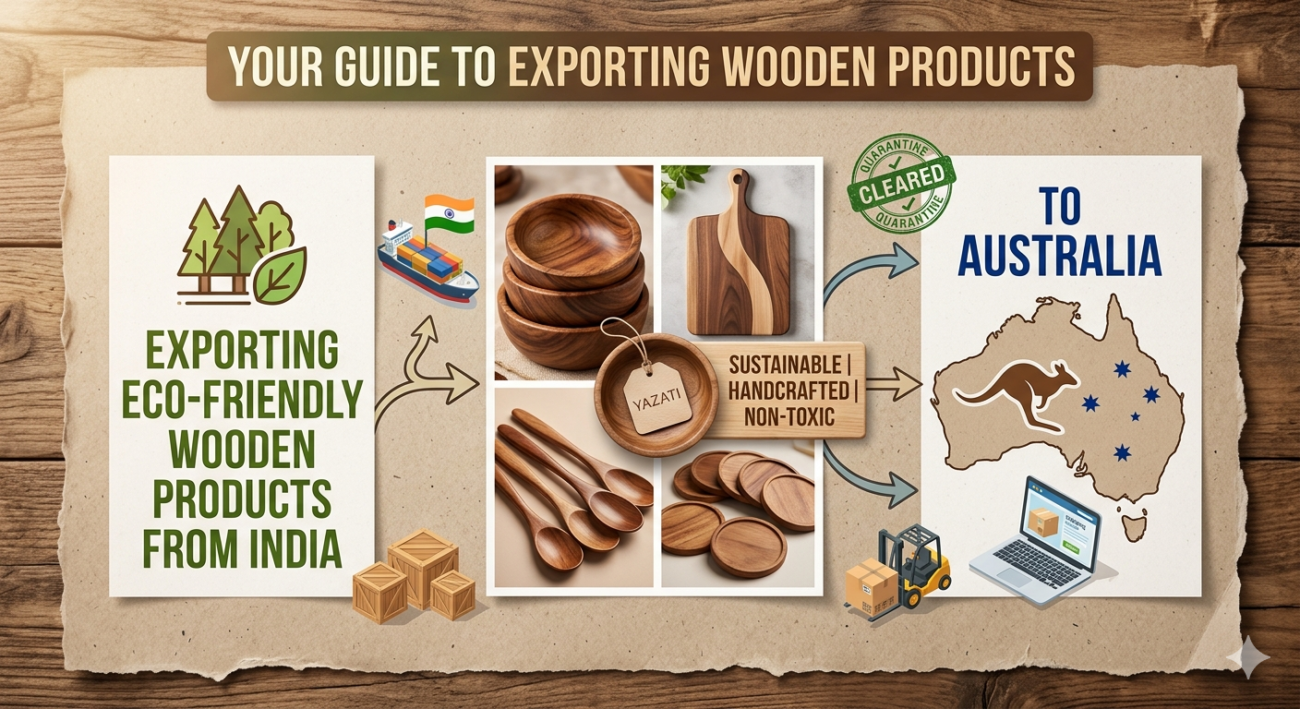
Introduction to Eco-Friendly Wooden Product Exports
Exporting Eco-Friendly Wooden Products to Australia is rapidly becoming a lucrative business opportunity as global awareness of sustainability continues to rise. Businesses that focus on eco-conscious practices are gaining a competitive edge, especially in markets like Australia where environmental responsibility is highly valued.
Eco-friendly wooden products include items made from sustainably sourced timber, such as furniture, kitchenware, toys, décor, and construction materials. These products are manufactured with minimal environmental impact and often carry certifications proving their sustainability.
Why Australia is a Key Market
Australia is one of the most environmentally conscious countries in the world. Consumers actively seek sustainable alternatives, and the government enforces strict environmental standards. This creates a strong demand for eco-friendly imports.
Additionally, Australia’s stable economy, high purchasing power, and preference for quality goods make it an ideal export destination.
Rising Demand for Sustainable Products
In recent years, there has been a noticeable shift toward eco-friendly living. Australian consumers are willing to pay premium prices for products that align with their values. This trend opens doors for exporters offering responsibly sourced wooden goods.
Understanding the Australian Market Landscape
To succeed in Exporting Eco-Friendly Wooden Products to Australia, it’s essential to understand local market dynamics.
Consumer Preferences in Australia
Australian consumers prioritize:
- Sustainability and eco-certifications
- High-quality craftsmanship
- Minimalist and modern design
- Durable and long-lasting materials
They also prefer brands that are transparent about their sourcing and production processes.
Popular Eco-Friendly Wooden Products
Some of the most in-demand products include:
- Wooden furniture (tables, chairs, cabinets)
- Bamboo kitchenware
- Wooden toys
- Home décor items
- Outdoor furniture
Products made from reclaimed or recycled wood are especially popular.
Legal Requirements for Exporting to Australia
Understanding legal compliance is crucial when Exporting Eco-Friendly Wooden Products to Australia.
Import Regulations and Certifications
Exporters must comply with Australian import laws, including:
- Documentation such as invoices and packing lists
- Certification of origin
- Phytosanitary certificates
Australian Quarantine and Inspection Service (AQIS) Rules
Australia has strict biosecurity laws to prevent pests and diseases. Wooden products must:
- Be treated (fumigated or heat-treated)
- Be free from bark and contaminants
- Meet ISPM 15 standards
Failure to comply can result in shipment rejection or destruction.
Sustainable Sourcing of Wood Materials
FSC Certification Importance
Forest Stewardship Council (FSC) certification ensures that wood is sourced responsibly. Having FSC certification increases trust among Australian buyers.
Ethical Forestry Practices
Sustainable forestry involves:
- Controlled harvesting
- Reforestation efforts
- Biodiversity conservation
Ethical sourcing not only protects the environment but also strengthens your brand reputation.
Manufacturing Standards and Quality Control
Eco-Friendly Production Techniques
Use processes that:
- Reduce waste
- Minimize chemical usage
- Utilize renewable energy
This aligns with Australia’s strict environmental expectations.
Maintaining International Quality Standards
Ensure compliance with:
- ISO standards
- Australian product safety requirements
Consistent quality is key to long-term success.
Packaging and Labeling Requirements
Eco Packaging Trends
Use biodegradable or recyclable packaging materials. Avoid plastic wherever possible.
Labeling Laws in Australia
Labels must include:
- Product description
- Country of origin
- Material details
- Safety instructions
Clear labeling builds consumer trust.
Logistics and Shipping Process
Choosing Freight Options
Common shipping methods:
- Sea freight (cost-effective for bulk)
- Air freight (faster but expensive)
Cost Optimization Strategies
- Consolidate shipments
- Negotiate with freight forwarders
- Optimize packaging size
Efficient logistics can significantly improve profit margins.
Pricing Strategies for Export Markets
Competitive Pricing Models
Consider:
- Cost-plus pricing
- Market-based pricing
- Value-based pricing
Currency Exchange Considerations
Monitor exchange rates to avoid losses. Hedging strategies can help mitigate risks.
Marketing Your Eco-Friendly Wooden Products
Digital Marketing Channels
Promote your products via:
- Social media platforms
- E-commerce websites
- SEO-optimized content
Building Brand Trust
Highlight:
- Certifications
- Sustainability practices
- Customer reviews
Transparency builds credibility in the Australian market.
Finding Buyers and Distributors in Australia
Trade Shows and Exhibitions
Participate in international trade fairs to connect with buyers.
Online B2B Platforms
Platforms like Alibaba and Global Sources can help you find distributors.
Challenges in Exporting Eco-Friendly Wooden Products to Australia
Compliance Issues
Strict regulations can be difficult to navigate without proper knowledge.
Logistics Barriers
Shipping delays and high costs can impact profitability.
Government Support and Export Incentives
Export Promotion Councils
Many countries offer support through export councils that provide guidance and networking opportunities.
Financial Assistance Programs
Look for grants, subsidies, and tax benefits for exporters.
Future Trends in Eco-Friendly Wooden Exports
Innovation in Sustainable Materials
New materials like engineered wood and bamboo composites are gaining popularity.
Growing Green Economy
The global shift toward sustainability ensures long-term demand for eco-friendly products.
FAQs
1. What certifications are required for exporting wooden products to Australia?
You need phytosanitary certificates, ISPM 15 compliance, and preferably FSC certification.
2. Is there high demand for eco-friendly wooden products in Australia?
Yes, demand is growing rapidly due to increased environmental awareness.
3. What is the best shipping method for wooden products?
Sea freight is generally the most cost-effective for bulk shipments.
4. How can I find buyers in Australia?
Use B2B platforms, trade fairs, and networking events.
5. Are there restrictions on wooden imports in Australia?
Yes, strict biosecurity laws apply to prevent pest contamination.
6. Can small businesses export to Australia?
Absolutely! With proper planning and compliance, even small businesses can succeed.
Conclusion
Exporting Eco-Friendly Wooden Products to Australia presents a powerful opportunity for businesses looking to expand globally. With strong consumer demand, supportive market conditions, and a growing emphasis on sustainability, exporters who prioritize quality, compliance, and ethical practices can thrive.
By understanding regulations, optimizing logistics, and building a trustworthy brand, you can successfully tap into this lucrative market and create long-term growth.
✨ Discover Global Sourcing Excellence with Netyex ✨
Netyex is your trusted B2B sourcing partner, connecting international buyers with India’s finest manufacturers and curated product lines—from handicrafts and home décor to kitchenware, textiles, hospitality essentials, and more. With verified suppliers and end-to-end support, we make global procurement seamless, reliable, and efficient.
👉 Elevate your sourcing experience—explore Netyex today.
📦 Bulk orders & customisation | 🌍 Worldwide delivery | 🤝 Trusted by global buyers
Visit Netyex to source premium Indian products with confidence.