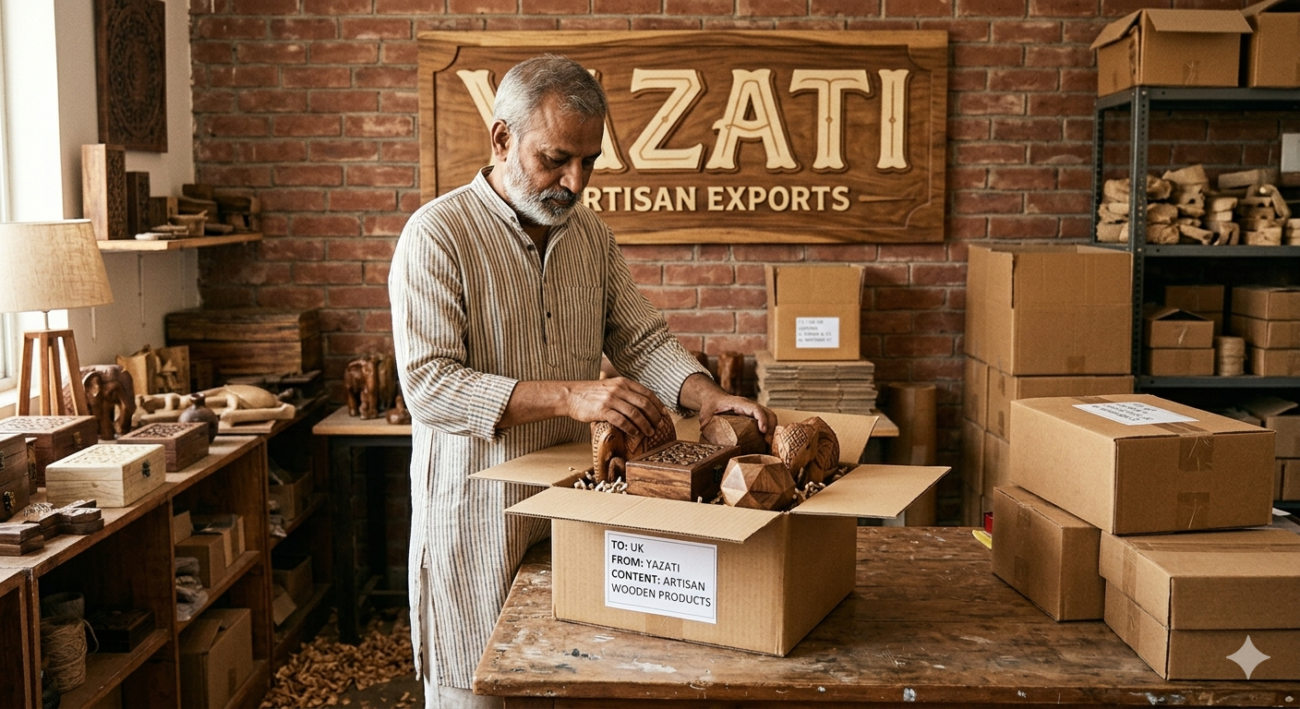
The global demand for handmade wooden goods is growing rapidly, and Exporting Artisan Wooden Products to the UK Market offers exciting opportunities for small businesses, artisans, and craft manufacturers. UK consumers appreciate authenticity, sustainability, and handcrafted quality, making artisan wooden products highly desirable.
From handmade furniture to eco-friendly kitchenware, the UK market rewards businesses that combine craftsmanship with professional exporting practices. However, entering this market requires more than simply shipping products overseas. Exporters must understand UK regulations, branding expectations, pricing strategies, and logistics.
This detailed guide explains everything you need to know about successfully exporting artisan wooden products to the UK market while building a sustainable and profitable international business.
Understanding the UK Market for Handmade Wooden Goods
Why UK Consumers Love Artisan Wooden Products
UK buyers increasingly prefer handcrafted items over mass-produced products. Many consumers want unique pieces that tell a story and reflect traditional craftsmanship. Artisan wooden products appeal to environmentally conscious shoppers who value durability and sustainability.
Handmade wooden goods are commonly used in:
- Home décor
- Luxury kitchens
- Sustainable living spaces
- Boutique hotels
- Cafés and restaurants
- Gift collections
Customers in the UK often associate handmade wooden items with authenticity and premium quality. Products that showcase cultural heritage or traditional woodworking techniques tend to perform especially well.
Current Trends in Sustainable Wooden Crafts
Sustainability has become one of the biggest purchasing factors in the UK. Consumers are actively searching for eco-friendly products made from responsibly sourced materials.
Popular trends include:
- Reclaimed wood furniture
- Minimalist Scandinavian-style wooden décor
- Handmade chopping boards
- Eco-conscious office accessories
- Wooden toys without plastic components
- Organic wooden kitchen utensils
Businesses involved in Exporting Artisan Wooden Products to the UK Market should emphasize sustainable sourcing and environmentally responsible manufacturing.
Benefits of Exporting Artisan Wooden Products to the UK Market
Higher Profit Margins
The UK market supports premium pricing for handcrafted products. Consumers are often willing to pay more for quality craftsmanship, especially when products are limited edition or handmade.
Artisan exporters can earn higher margins by positioning their goods as:
- Luxury handmade items
- Sustainable lifestyle products
- Ethical consumer goods
- Heritage-inspired décor
Access to Premium Buyers
The UK has a large audience of premium buyers who shop through:
- Boutique home décor stores
- Luxury online marketplaces
- Interior designers
- Eco-conscious retailers
- Gift shops
These buyers value originality and craftsmanship over low-cost production.
Popular Artisan Wooden Products in the UK
Handmade Furniture
Wooden furniture remains one of the strongest categories in the UK market. Buyers prefer timeless designs that combine beauty and durability.
Popular items include:
- Coffee tables
- Dining tables
- Shelving units
- Rustic benches
- Bed frames
- Wooden stools
Simple and modern designs often perform better than overly decorative styles.
Wooden Kitchenware
Handcrafted kitchen products continue to rise in popularity because they fit perfectly into sustainable lifestyles.
Top-selling items include:
- Cutting boards
- Serving trays
- Wooden spoons
- Salad bowls
- Spice racks
These products are easier to ship internationally than large furniture pieces, making them ideal for new exporters.
Decorative Wooden Crafts
Decorative products can generate strong impulse purchases online.
Examples include:
- Wooden wall art
- Candle holders
- Picture frames
- Sculptures
- Handmade ornaments
Seasonal collections for Christmas and weddings can also increase sales.
UK Import Regulations and Compliance
Timber Legality Requirements
The UK enforces strict timber import laws to prevent illegal logging. Exporters must prove that their wood comes from legal and sustainable sources.
Important documents may include:
- Timber origin certificates
- Supplier declarations
- FSC certification
- Harvest permits
Failure to comply can result in customs delays or rejected shipments.
Safety and Product Standards
Wooden products intended for children or food use may require additional safety testing.
Examples include:
- Wooden toys
- Kitchen utensils
- Food-serving products
Products should be free from harmful chemicals and toxic finishes.
Customs Documentation
Accurate paperwork is essential when exporting internationally.
Common export documents include:
| Document | Purpose |
| Commercial Invoice | Product value and transaction details |
| Packing List | Shipment contents |
| Certificate of Origin | Confirms manufacturing country |
| Bill of Lading | Shipping contract |
| Customs Declaration | Import clearance |
Even small mistakes in documentation can cause expensive shipping delays.
Choosing Sustainable and Legal Wood Sources
FSC Certification
The Forest Stewardship Council (FSC) certification is highly respected in the UK. It proves that wood materials come from responsibly managed forests.
Benefits of FSC certification include:
- Increased customer trust
- Better retail opportunities
- Easier compliance with UK regulations
- Competitive advantage
Learn more at: Forest Stewardship Council (FSC)
Eco-Friendly Production Practices
Modern buyers want transparency about production methods.
Eco-friendly practices include:
- Water-based finishes
- Reduced chemical use
- Recycled packaging
- Low-waste manufacturing
- Renewable energy usage
These details can become powerful marketing tools.
Pricing Strategies for the UK Market
Currency Exchange Considerations
Currency fluctuations can affect profitability significantly. Exporters should monitor exchange rates carefully when pricing products in British Pounds (GBP).
Some businesses use:
- Fixed quarterly pricing
- Currency hedging
- Multi-currency payment systems
Stable pricing helps build trust with UK retailers.
Shipping and Duty Costs
Your pricing must include:
- Product cost
- Packaging
- Freight charges
- Import duties
- VAT considerations
- Insurance
Many exporters underestimate logistics costs during their first shipments.
Packaging Requirements for International Shipping
Eco-Friendly Packaging
UK consumers increasingly prefer environmentally friendly packaging solutions.
Recommended materials include:
- Recycled cardboard
- Paper padding
- Compostable wrapping
- Water-based inks
Avoid excessive plastic whenever possible.
Protecting Fragile Wooden Items
Wooden products can crack, dent, or scratch during transport.
Protective packaging should include:
- Bubble wrap alternatives
- Foam corner protectors
- Double-wall cartons
- Moisture barriers
Proper packaging reduces costly product returns.
Shipping Methods and Logistics
Air Freight vs Sea Freight
Choosing the right shipping method depends on product size, urgency, and budget.
| Shipping Method | Advantages | Disadvantages |
| Air Freight | Faster delivery | Higher cost |
| Sea Freight | Lower shipping cost | Longer transit time |
Small handcrafted goods often work well with air freight, while furniture shipments are usually more economical by sea.
Working with Freight Forwarders
Freight forwarders simplify international shipping by handling:
- Customs clearance
- Cargo booking
- Documentation
- Insurance
- Warehousing
Experienced logistics partners can save exporters significant time and money.
Branding and Storytelling for UK Buyers
Building an Authentic Artisan Brand
Brand storytelling plays a huge role in artisan product sales. UK consumers love hearing about:
- Traditional craftsmanship
- Cultural heritage
- Handmade production processes
- Family businesses
- Sustainable sourcing
Your story helps distinguish your products from factory-made alternatives.
Strong branding elements include:
- Professional logos
- Consistent packaging
- High-quality photography
- Clear brand messaging
Using Social Media Marketing
Instagram, Pinterest, and TikTok are excellent platforms for showcasing wooden craftsmanship.
Effective content ideas include:
- Behind-the-scenes videos
- Woodworking processes
- Product styling inspiration
- Customer testimonials
- Workshop tours
Visual storytelling builds emotional connections with customers.
Selling Channels for Wooden Products in the UK
Online Marketplaces
Online marketplaces provide quick access to UK consumers.
Popular platforms include:
- Etsy
- Amazon Handmade
- Not On The High Street
- eBay UK
Each platform attracts different buyer demographics.
Wholesale Partnerships
Wholesale relationships with UK retailers can generate stable long-term revenue.
Potential partners include:
- Home décor boutiques
- Eco-friendly stores
- Museum gift shops
- Furniture retailers
Wholesale buyers usually expect consistent production quality and reliable delivery schedules.
Trade Shows and Craft Fairs
Trade exhibitions allow exporters to meet buyers face-to-face.
Popular UK trade events often focus on:
- Sustainable living
- Interior design
- Handmade crafts
- Luxury home products
Networking opportunities at these events can lead to major retail contracts.
Digital Marketing Strategies
SEO for Artisan Wooden Businesses
Search engine optimization helps international buyers discover your products online.
Important SEO tactics include:
- Keyword-focused product descriptions
- Blog content marketing
- Fast-loading websites
- Mobile optimization
- High-quality product photography
Using keywords naturally improves visibility for searches related to handmade wooden products.
Email Marketing Campaigns
Email marketing remains one of the most effective sales tools.
Useful email campaigns include:
- New product launches
- Seasonal promotions
- Craftsmanship stories
- Customer loyalty offers
Consistent communication helps maintain customer relationships.
Common Challenges Exporters Face
Delayed Shipments
International logistics can sometimes cause unexpected delays due to:
- Customs inspections
- Port congestion
- Weather conditions
- Documentation errors
Planning buffer time into delivery schedules is essential.
Quality Control Issues
Consistency is critical when exporting artisan products.
Businesses should implement:
- Product inspections
- Standardized production methods
- Moisture control procedures
- Packaging quality checks
Maintaining quality protects your brand reputation.
Financial Planning and Payment Methods
Secure International Payments
Exporters should use reliable international payment systems to reduce financial risk.
Popular methods include:
- Bank wire transfers
- PayPal Business
- Letters of credit
- Wise Business
- Stripe
Secure payment systems improve trust between buyers and sellers.
Managing Cash Flow
Export businesses often face delayed payments and upfront shipping expenses.
Good cash flow management includes:
- Maintaining emergency reserves
- Negotiating deposits
- Monitoring inventory costs
- Forecasting seasonal demand
Financial planning supports long-term stability.
Case Studies of Successful Wooden Craft Exporters
Many artisan businesses have successfully entered the UK market by focusing on authenticity and sustainability.
Common success factors include:
- Unique handcrafted designs
- Eco-friendly branding
- Strong online presence
- Professional packaging
- Reliable logistics partnerships
Small workshops can grow into international brands when quality and storytelling work together.
FAQs
Is the UK a good market for artisan wooden products?
Yes. UK consumers strongly support sustainable, handmade, and eco-friendly products, making artisan wooden goods highly attractive.
Do wooden products require certification for export to the UK?
Some products may require FSC certification, safety compliance, or proof of legal timber sourcing depending on the product category.
What are the best-selling artisan wooden items in the UK?
Furniture, kitchenware, home décor items, serving boards, and eco-friendly gifts are among the top-selling categories.
How can I find buyers in the UK?
You can use online marketplaces, social media marketing, wholesale outreach, and trade fairs to connect with UK buyers.
What is the biggest challenge in Exporting Artisan Wooden Products to the UK Market?
Logistics, customs compliance, and maintaining consistent product quality are common challenges exporters face.
Can small businesses successfully export wooden crafts internationally?
Absolutely. Many successful artisan exporters started as small workshops and expanded through branding, quality craftsmanship, and digital marketing.
Conclusion
Exporting Artisan Wooden Products to the UK Market offers enormous opportunities for skilled craftspeople and growing businesses. UK consumers appreciate sustainability, authenticity, and premium craftsmanship, making artisan wooden goods highly competitive in the marketplace.
Success depends on understanding UK regulations, maintaining high product quality, building a strong brand story, and using effective marketing strategies. Businesses that combine traditional woodworking expertise with modern exporting practices can build profitable and sustainable international operations.
With proper planning, professional logistics, and compelling storytelling, artisan exporters can transform local craftsmanship into a globally recognized brand.
✨ Discover Global Sourcing Excellence with Netyex ✨
Netyex is your trusted B2B sourcing partner, connecting international buyers with India’s finest manufacturers and curated product lines—from handicrafts and home décor to kitchenware, textiles, hospitality essentials, and more. With verified suppliers and end-to-end support, we make global procurement seamless, reliable, and efficient.
👉 Elevate your sourcing experience—explore Netyex today.
📦 Bulk orders & customisation | 🌍 Worldwide delivery | 🤝 Trusted by global buyers
Visit Netyex to source premium Indian products with confidence.