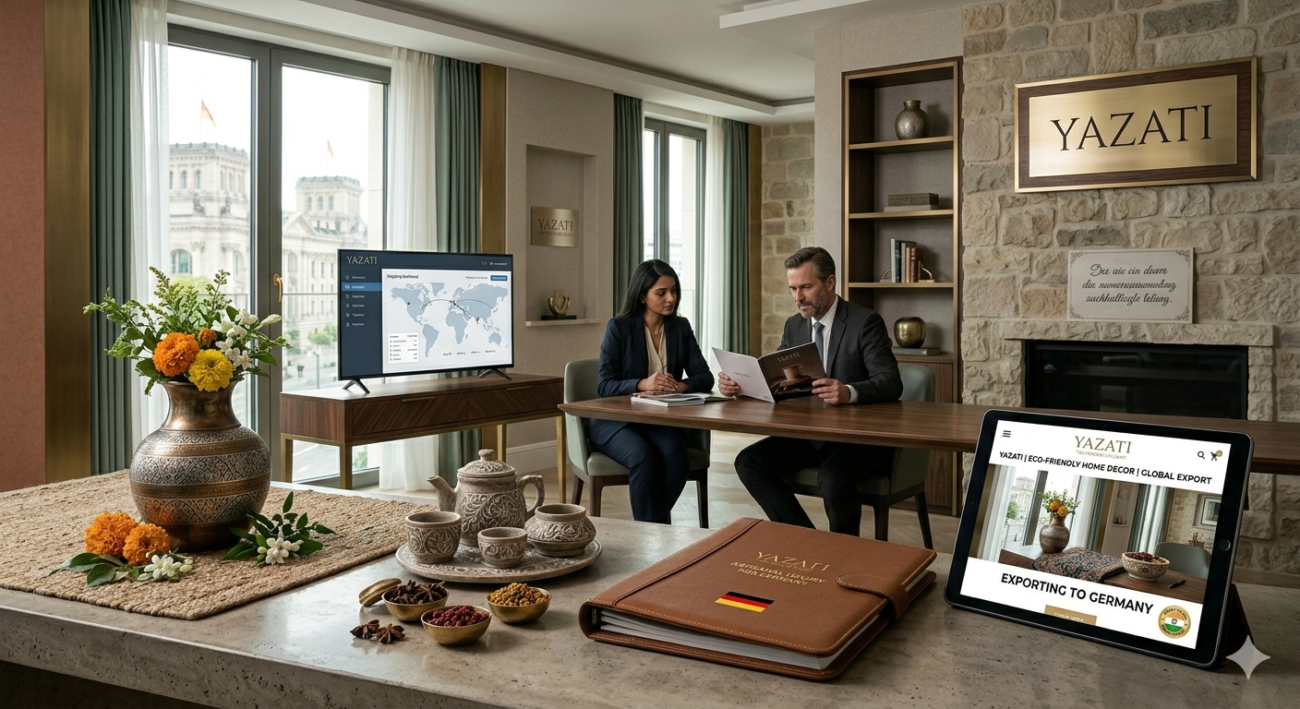
Germany has become one of the strongest markets in Europe for sustainable and environmentally conscious products. As consumers increasingly prioritize eco-friendly living, businesses worldwide are exploring the potential of Exporting Eco-Friendly Home Decor to Germany Market. From handcrafted bamboo furniture to recycled glass vases and organic cotton textiles, German buyers are actively searching for products that combine sustainability with stylish design.
For exporters, Germany offers exciting opportunities. The country has a strong economy, environmentally aware consumers, and a thriving retail ecosystem. However, entering this market requires careful planning, compliance with regulations, cultural understanding, and strategic branding.
This comprehensive guide explains everything businesses need to know about Exporting Eco-Friendly Home Decor to Germany Market, including legal requirements, consumer trends, marketing strategies, logistics, pricing, and long-term growth opportunities.
Understanding Germany’s Eco-Friendly Consumer Market
Germany is one of Europe’s most environmentally conscious nations. Consumers care deeply about sustainability, ethical sourcing, and eco-friendly production methods. This mindset has significantly increased the demand for sustainable home decor products.
German households are willing to spend more on products that align with their environmental values. Many buyers carefully examine product labels, certifications, and packaging before making a purchase.
Why Sustainability Matters in Germany
Sustainability is not just a trend in Germany—it is part of everyday culture. Recycling systems are highly organized, renewable energy is widely promoted, and consumers actively support ethical businesses.
Several factors contribute to this eco-conscious culture:
- Strong environmental education
- Government support for sustainability
- Consumer awareness about climate change
- Preference for long-lasting products
- High trust in certified eco-friendly goods
For exporters, understanding this mindset is essential when Exporting Eco-Friendly Home Decor to Germany Market.
Current Trends in Eco-Friendly Home Decor
German consumers prefer home decor that is:
- Minimalist
- Functional
- Durable
- Sustainably sourced
- Ethically manufactured
Popular styles include Scandinavian-inspired decor, earthy color palettes, handmade crafts, and recycled materials.
Market Opportunities for Exporters
The German home decor industry continues to grow steadily, especially within the sustainable segment.
Growing Demand for Sustainable Products
Eco-friendly products are no longer limited to niche buyers. Mainstream consumers now seek environmentally responsible options for furnishing and decorating their homes.
Key demand drivers include:
- Rising awareness of climate issues
- Increased disposable income
- Expansion of online shopping
- Growth of ethical consumerism
Exporters from Asia, Africa, and Latin America can especially benefit by offering unique handmade and natural-material products.
Popular Eco-Friendly Home Decor Categories
Some of the best-selling categories include:
| Product Category | Examples |
| Sustainable Furniture | Bamboo chairs, reclaimed wood tables |
| Textile Decor | Organic cotton cushions, linen curtains |
| Wall Decor | Recycled art, handcrafted wall hangings |
| Lighting | Solar-powered lamps, bamboo lighting |
| Kitchen Decor | Coconut bowls, recycled glassware |
Researching the German Target Audience
Understanding your target customers helps create products and marketing campaigns that resonate with local buyers.
Consumer Preferences and Buying Habits
German consumers prioritize:
- Product quality
- Authentic sustainability
- Functional design
- Transparency
- Durability
Impulse buying is less common in Germany compared to some other markets. Buyers often research thoroughly before purchasing.
Pricing Expectations in Germany
Price sensitivity exists, but German consumers are willing to pay premium prices for high-quality eco-friendly products.
Products perceived as cheap may actually discourage environmentally conscious buyers who associate low prices with poor labor practices or inferior sustainability standards.
Legal Requirements for Exporting to Germany
Businesses involved in Exporting Eco-Friendly Home Decor to Germany Market must comply with European Union regulations and German import laws.
Product Certifications and Eco Labels
Certifications increase trust and improve market acceptance.
Common certifications include:
- FSC (Forest Stewardship Council)
- Fair Trade
- GOTS (Global Organic Textile Standard)
- OEKO-TEX
- EU Ecolabel
These certifications assure consumers that products meet environmental and ethical standards.
EU Import Regulations
Exporters must ensure compliance with:
- REACH chemical regulations
- CE marking where applicable
- Packaging waste regulations
- Customs documentation requirements
Detailed EU export guidance is available through the official European Union trade portal:
https://trade.ec.europa.eu/
Sustainable Product Standards
Eco-friendly claims must be genuine and verifiable.
FSC, Fair Trade, and Organic Certifications
German consumers trust internationally recognized certifications because they demonstrate accountability.
For example:
- FSC verifies responsible forestry
- Fair Trade supports ethical labor conditions
- Organic certifications confirm eco-friendly production
These labels can significantly improve product credibility.
Packaging and Recycling Compliance
Germany has strict packaging laws. Businesses must reduce waste and ensure recyclable packaging materials.
Sustainable packaging strategies include:
- Compostable packaging
- Recycled cardboard
- Minimal plastic use
- Reusable shipping materials
Choosing the Right Export Business Model
Selecting the correct business structure impacts profitability and growth.
Direct-to-Consumer Model
Selling directly through your website provides:
- Higher profit margins
- Brand control
- Direct customer relationships
However, it requires stronger marketing efforts and customer service capabilities.
Wholesale and Distributor Partnerships
Partnering with German distributors can help exporters:
- Access established retail networks
- Reduce marketing costs
- Gain local market expertise
This approach works well for businesses new to the German market.
Product Design Preferences in Germany
Design aesthetics play a major role in purchasing decisions.
Minimalist and Functional Designs
German buyers often prefer:
- Clean lines
- Neutral colors
- Functional layouts
- Timeless aesthetics
Overly decorative or flashy products may appeal less to mainstream consumers.
Popular Materials in Eco-Friendly Decor
Highly preferred materials include:
- Bamboo
- Reclaimed wood
- Organic cotton
- Cork
- Recycled metal
- Recycled glass
Natural textures and handcrafted finishes are especially popular.
Branding Strategies for German Consumers
Strong branding helps differentiate products in a competitive market.
Building Trust Through Transparency
Transparency is essential when Exporting Eco-Friendly Home Decor to Germany Market.
Businesses should clearly communicate:
- Material sourcing
- Production methods
- Labor conditions
- Sustainability goals
Detailed product descriptions increase buyer confidence.
Storytelling and Sustainability Messaging
Consumers connect emotionally with authentic stories.
Share stories about:
- Artisan communities
- Eco-friendly manufacturing
- Traditional craftsmanship
- Environmental impact reduction
Authentic storytelling builds stronger customer loyalty.
Pricing Strategy for the German Market
Pricing should reflect both quality and market competitiveness.
Competitive Pricing Analysis
Research competitor pricing on platforms like:
- Amazon Germany
- Etsy
- Wayfair Europe
- Sustainable lifestyle stores
Analyze:
- Product positioning
- Shipping fees
- Packaging quality
- Customer reviews
Balancing Quality and Profitability
Avoid competing solely on price. Instead, focus on:
- Superior craftsmanship
- Ethical production
- Product uniqueness
- Brand value
Premium positioning often works better for sustainable decor products.
Logistics and Shipping Considerations
Efficient logistics ensure timely delivery and customer satisfaction.
Freight Options and Shipping Costs
Exporters commonly use:
| Shipping Method | Best For |
| Air Freight | Small, high-value products |
| Sea Freight | Bulk shipments |
| Courier Services | E-commerce orders |
Shipping costs can significantly impact profitability, so careful planning is essential.
Customs and Documentation
Required export documents often include:
- Commercial invoice
- Packing list
- Bill of lading
- Certificate of origin
- Import permits where necessary
Incorrect documentation can cause delays and penalties.
Digital Marketing for German Buyers
Online marketing is crucial for modern exporters.
SEO and German Language Optimization
Websites targeting German buyers should include:
- German-language content
- Local SEO keywords
- Fast-loading pages
- Mobile optimization
Using German-language product descriptions improves search visibility and trust.
Social Media and Influencer Marketing
Popular platforms include:
- TikTok
Collaborating with eco-conscious influencers can boost brand awareness quickly.
Selling Through Online Marketplaces
Online marketplaces offer quick access to German consumers.
Amazon Germany
Amazon Germany is one of Europe’s largest e-commerce platforms. It provides access to millions of buyers but also involves strong competition.
Success strategies include:
- High-quality images
- Detailed descriptions
- Strong customer reviews
- Competitive shipping
Etsy and Sustainable E-Commerce Platforms
Etsy works particularly well for handmade and artisan eco-friendly decor.
Other sustainable marketplaces include:
- Avocadostore
- Greenpicks
- Fairmondo
These platforms attract environmentally conscious consumers.
Trade Fairs and Networking Opportunities
Trade shows help exporters establish relationships with buyers and distributors.
German Trade Shows for Home Decor
Popular trade fairs include:
| Trade Fair | Location |
| Ambiente | Frankfurt |
| Heimtextil | Frankfurt |
| Tendence | Frankfurt |
These events showcase emerging trends and connect exporters with industry professionals.
Building Long-Term Business Relationships
German businesses value:
- Reliability
- Punctuality
- Clear communication
- Long-term cooperation
Maintaining professionalism is critical for lasting partnerships.
Challenges in Exporting Eco-Friendly Home Decor to Germany Market
Despite the opportunities, exporters may face several obstacles.
Competition from European Brands
European brands already have strong local recognition. To compete effectively, exporters should emphasize:
- Unique craftsmanship
- Ethical sourcing
- Competitive pricing
- Authentic cultural stories
Logistics and Currency Risks
Common challenges include:
- Shipping delays
- Rising freight costs
- Exchange rate fluctuations
- Customs complications
Diversified logistics planning helps reduce risks.
Future Trends in Sustainable Home Decor
The market continues evolving rapidly.
Circular Economy and Upcycled Products
Consumers increasingly support products made from:
- Recycled materials
- Upcycled waste
- Renewable resources
Circular economy concepts are expected to become even more important.
Smart Sustainable Living Products
Future demand may grow for:
- Energy-efficient lighting
- Smart eco-home accessories
- Sustainable tech-integrated decor
Innovation will likely shape the next generation of eco-friendly home products.
FAQs
1. Is Germany a good market for eco-friendly home decor exports?
Yes. Germany has one of Europe’s strongest demands for sustainable and ethically sourced home decor products.
2. What certifications are important for exporting eco-friendly products to Germany?
FSC, Fair Trade, GOTS, and OEKO-TEX certifications are highly respected by German consumers and retailers.
3. Which eco-friendly home decor products sell best in Germany?
Popular products include bamboo furniture, organic textiles, recycled glassware, and handmade natural-material decor.
4. Do I need German-language packaging?
In many cases, yes. German-language labeling improves customer trust and may be required for certain product categories.
5. What is the best sales channel for new exporters?
Many new exporters begin with online marketplaces like Amazon Germany or Etsy before expanding into wholesale distribution.
6. How can I market eco-friendly home decor effectively in Germany?
Focus on transparency, sustainability storytelling, certifications, and localized digital marketing strategies.
Conclusion
The opportunities for Exporting Eco-Friendly Home Decor to Germany Market are growing stronger every year. German consumers actively seek sustainable products that combine functionality, ethical production, and beautiful design. Businesses that understand local preferences, comply with regulations, and build authentic eco-friendly brands can achieve long-term success.
From certifications and logistics to branding and digital marketing, every detail matters when entering this competitive yet rewarding market. Exporters who prioritize transparency, quality, and sustainability will be best positioned to thrive in Germany’s expanding green economy.
By investing in market research, sustainable practices, and strong customer relationships, businesses can transform eco-friendly home decor exports into a profitable international venture.
✨ Discover Global Sourcing Excellence with Netyex ✨
Netyex is your trusted B2B sourcing partner, connecting international buyers with India’s finest manufacturers and curated product lines—from handicrafts and home décor to kitchenware, textiles, hospitality essentials, and more. With verified suppliers and end-to-end support, we make global procurement seamless, reliable, and efficient.
👉 Elevate your sourcing experience—explore Netyex today.
📦 Bulk orders & customisation | 🌍 Worldwide delivery | 🤝 Trusted by global buyers
Visit Netyex to source premium Indian products with confidence.