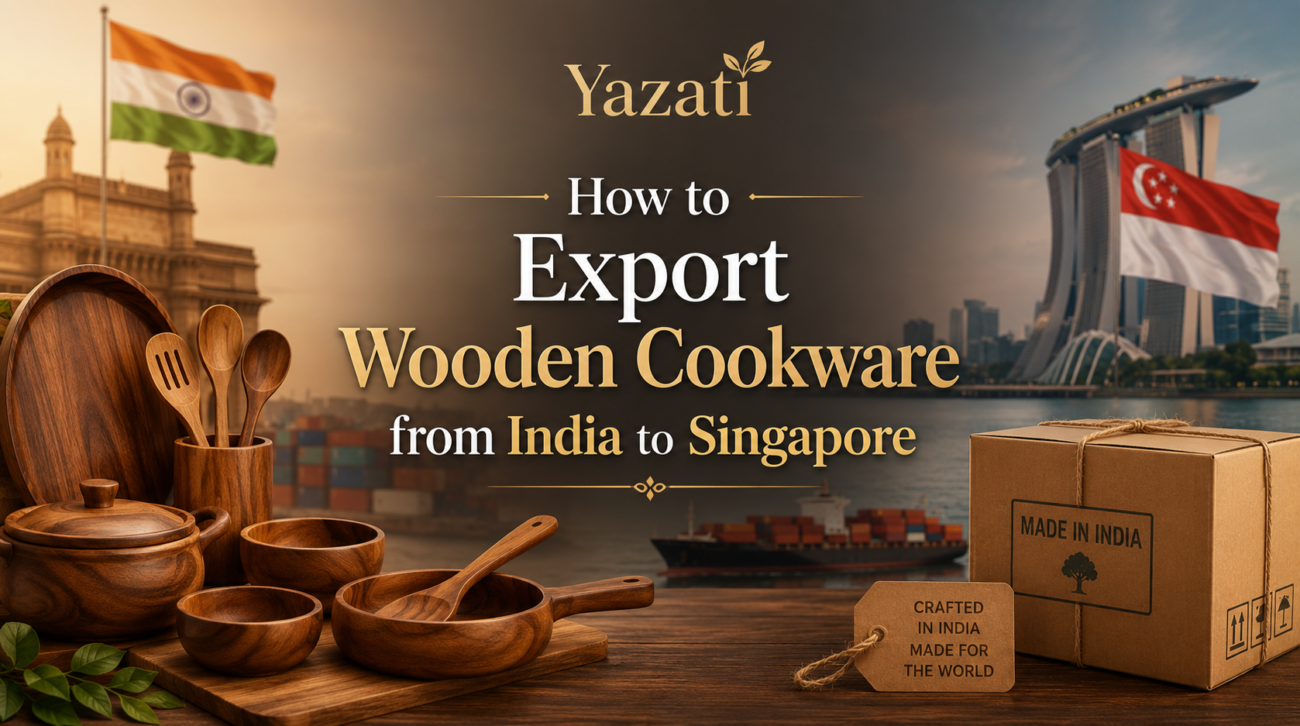
India has become one of the leading suppliers of eco-friendly kitchen products worldwide. Among these products, wooden cookware has gained huge popularity because of its durability, natural appearance, and sustainable benefits. If you want to learn How to Export Wooden Cookware from India to Singapore, this guide will help you understand every important step clearly and simply.
Singapore is a strong market for premium kitchenware and environmentally friendly products. Consumers there prefer stylish and sustainable kitchen tools, making Indian wooden cookware a profitable export opportunity. From legal registration to shipping and marketing, this article explains everything you need to know.
Understanding the Wooden Cookware Export Market
The export market for wooden cookware is growing rapidly. Buyers across the world are replacing plastic kitchen items with sustainable alternatives. Singapore is one of the top Asian countries promoting eco-friendly lifestyles.
Why Singapore Imports Wooden Cookware from India
India has abundant raw materials such as neem wood, teak wood, bamboo, and acacia wood. Indian manufacturers are also known for handmade craftsmanship and competitive pricing.
Singaporean importers prefer Indian products because they offer:
- Attractive handmade designs
- Durable materials
- Competitive prices
- Eco-friendly manufacturing
- High-quality finishing
The trade relationship between India and Singapore is also strong, making exports smoother and more profitable.
Market Demand for Eco-Friendly Kitchen Products
Modern consumers are becoming environmentally conscious. Wooden cookware is biodegradable and safer compared to plastic cookware. Restaurants, hotels, cafes, and home users in Singapore actively search for sustainable kitchen solutions.
Popular trends include:
- Organic kitchens
- Zero-waste living
- Handmade cookware
- Luxury wooden kitchen accessories
These trends increase demand for Indian wooden cookware exports.
Types of Wooden Cookware Popular in Singapore
Before starting your export business, you should know which products are in high demand.
Wooden Spoons and Spatulas
These are among the most commonly exported products. Customers prefer them because they do not scratch non-stick cookware.
Popular varieties include:
- Neem wood spoons
- Bamboo spatulas
- Acacia cooking spoons
- Teak serving spoons
Wooden Bowls and Serving Trays
Singapore’s hospitality industry uses wooden serving products widely in cafes and restaurants.
Trending items include:
| Product | Popular Material |
| Salad bowls | Acacia wood |
| Snack trays | Bamboo |
| Serving platters | Teak wood |
| Dessert bowls | Mango wood |
Chopping Boards and Kitchen Accessories
Wooden chopping boards are in high demand because of their premium appearance and durability.
Additional accessories include:
- Coasters
- Rolling pins
- Spice boxes
- Wooden ladles
Benefits of Exporting Wooden Cookware
Rising Demand for Sustainable Products
Countries worldwide are reducing plastic usage. Wooden cookware naturally fits into the eco-friendly market.
Benefits include:
- Renewable material
- Biodegradable products
- Premium branding opportunities
- Long-lasting demand
Profit Margins and Export Opportunities
Wooden cookware manufacturing costs in India are relatively low compared to international retail prices. This creates strong profit potential.
For example:
| Product | Manufacturing Cost | Singapore Retail Price |
|—|—|
| Wooden spoon | ₹40 | ₹250–₹400 |
| Chopping board | ₹250 | ₹1200–₹2500 |
| Wooden bowl | ₹180 | ₹900–₹1800 |
The difference between production and retail pricing creates excellent export margins.
Legal Requirements to Export Wooden Cookware from India
Understanding legal requirements is essential when learning How to Export Wooden Cookware from India to Singapore.
Obtaining an Import Export Code (IEC)
The Import Export Code is mandatory for exporting products from India.
You can apply through the official website of the Directorate General of Foreign Trade.
Documents required:
- PAN card
- Aadhaar card
- Bank account details
- Business registration proof
The IEC is usually issued within a few days.
GST Registration and Compliance
GST registration is important for exporters. Export businesses can claim tax refunds under GST regulations.
Benefits include:
- Input tax credit
- Export incentives
- Legal compliance
APEDA and Export Promotion Councils
While wooden cookware may not require APEDA registration directly, joining export promotion councils can help you access trade support and buyer networks.
Useful organizations include:
- Export Promotion Council for Handicrafts (EPCH)
- Federation of Indian Export Organisations (FIEO)
You can explore export support resources through
Product Standards and Certifications
Singapore maintains strict quality standards for imported goods.
Phytosanitary Requirements
Wood products must be free from pests and contamination.
Exporters may require:
- Phytosanitary certificate
- Pest treatment documentation
- Moisture testing
Fumigation and ISPM-15 Standards
Wood packaging materials often require ISPM-15 compliance.
This includes:
- Heat treatment
- Fumigation
- Approved stamping
Failure to comply may result in shipment rejection.
Singapore Safety and Quality Standards
Singapore buyers usually prefer products with:
- Food-safe coatings
- Non-toxic polish
- Sustainable sourcing certificates
High-quality finishing improves acceptance in premium markets.
Finding Buyers in Singapore
Finding reliable buyers is one of the most important export steps.
B2B Marketplaces and Trade Portals
You can find importers through:
- Alibaba
- IndiaMART
- TradeIndia
- Global Sources
These platforms connect exporters with international buyers.
Trade Fairs and Export Exhibitions
Trade shows help build direct relationships.
Popular exhibitions include:
- FHA Singapore
- Maison&Objet Asia
- Hospitality trade fairs
Meeting buyers personally increases trust and long-term opportunities.
Building Relationships with Distributors
Singapore distributors often look for long-term suppliers.
Tips for building trust:
- Offer product samples
- Maintain quality consistency
- Communicate professionally
- Deliver shipments on time
Pricing Strategy for Wooden Cookware Export
Correct pricing is critical for export success.
Cost Calculation and Profit Margins
Your export price should include:
- Raw material cost
- Manufacturing cost
- Packaging
- Freight charges
- Insurance
- Customs fees
- Profit margin
A detailed pricing sheet prevents losses.
Freight and Insurance Costs
Singapore is geographically close to India, reducing shipping costs compared to Western countries.
Shipping methods include:
| Method | Best For |
| Air freight | Urgent small shipments |
| Sea freight | Bulk orders |
Sea freight is usually more economical for wooden cookware exports.
Packaging and Labeling Requirements
Packaging protects products and improves brand image.
Eco-Friendly Packaging Solutions
Sustainable packaging is highly preferred in Singapore.
Recommended materials:
- Recycled cardboard
- Kraft paper
- Biodegradable wrapping
- Corrugated export cartons
Export Labeling Rules
Labels should clearly mention:
- Product name
- Country of origin
- Material type
- Quantity
- Importer details
Professional labeling improves customs clearance speed.
Shipping Wooden Cookware to Singapore
Shipping is one of the final steps in the export process.
Choosing Air Freight or Sea Freight
Air freight advantages:
- Faster delivery
- Better for urgent orders
Sea freight advantages:
- Lower cost
- Ideal for bulk cargo
Most exporters use sea freight for large shipments.
Customs Clearance Process
Singapore customs usually require:
- Commercial invoice
- Packing list
- Bill of lading
- Certificate of origin
Working with a freight forwarder simplifies the process.
Documents Required for Export
Proper documentation avoids delays and penalties.
Commercial Invoice
This document contains:
- Buyer information
- Product details
- Payment terms
- Shipment value
Packing List and Bill of Lading
Packing lists explain shipment contents, while the bill of lading acts as a transport document.
Certificate of Origin
This certificate confirms the products were manufactured in India.
It may help buyers claim trade agreement benefits.
Marketing Wooden Cookware in Singapore
Marketing is necessary for long-term export success.
Online Marketing Strategies
Effective digital marketing methods include:
- Instagram product showcases
- LinkedIn B2B networking
- SEO websites
- Email marketing campaigns
Professional product photography significantly improves buyer interest.
Branding for Premium Buyers
Singapore consumers appreciate premium branding.
Strong branding includes:
- Elegant packaging
- Eco-friendly messaging
- Storytelling about craftsmanship
- Sustainable sourcing transparency
Premium branding allows higher pricing.
Common Challenges in Exporting Wooden Cookware
Every export business faces obstacles.
Quality Control Issues
Inconsistent quality can damage reputation.
To maintain standards:
- Inspect products before shipping
- Use experienced artisans
- Standardize measurements
- Test food safety coatings
Delayed Shipments and Customs Problems
Late deliveries may lead to financial losses.
Solutions include:
- Hiring reliable freight forwarders
- Preparing documents carefully
- Using shipment tracking systems
Tips to Grow Your Wooden Cookware Export Business
Growth requires planning and consistency.
Expanding Product Lines
Adding more eco-friendly kitchen products increases revenue.
Examples include:
- Bamboo kitchenware
- Wooden cutlery
- Natural storage containers
- Handmade serving sets
Partnering with Retail Chains
Retail partnerships create stable sales.
Target businesses such as:
- Home decor stores
- Kitchenware chains
- Eco-friendly retailers
- Hotel suppliers
Long-term contracts improve business stability.
FAQs
1. Is an IEC mandatory for exporting wooden cookware from India?
Yes, an Import Export Code is legally required for exporting products from India.
2. Do wooden cookware exports require fumigation?
In many cases, yes. Wooden products often require fumigation or heat treatment certification.
3. Which wood types are best for export cookware?
Neem, teak, bamboo, acacia, and mango wood are highly popular.
4. Is Singapore a profitable market for wooden cookware?
Yes, Singapore has strong demand for premium eco-friendly kitchen products.
5. What is the cheapest shipping method to Singapore?
Sea freight is usually the most economical option for bulk shipments.
6. How can I find Singapore buyers for wooden cookware?
You can use B2B marketplaces, trade fairs, and distributor networks.
Conclusion
Learning How to Export Wooden Cookware from India to Singapore can open the door to a highly profitable international business. Singapore’s growing preference for sustainable kitchen products creates strong opportunities for Indian exporters.
Success depends on proper documentation, product quality, certifications, professional packaging, and strong buyer relationships. By focusing on eco-friendly branding and maintaining export standards, Indian businesses can build a long-term presence in Singapore’s premium kitchenware market.
As global demand for sustainable living continues rising, wooden cookware exports are expected to grow significantly in the coming years. Businesses that start early and maintain consistent quality can achieve strong profits and long-term success.
✨ Discover Global Sourcing Excellence with Netyex ✨
Netyex is your trusted B2B sourcing partner, connecting international buyers with India’s finest manufacturers and curated product lines—from handicrafts and home décor to kitchenware, textiles, hospitality essentials, and more. With verified suppliers and end-to-end support, we make global procurement seamless, reliable, and efficient.
👉 Elevate your sourcing experience—explore Netyex today.
📦 Bulk orders & customisation | 🌍 Worldwide delivery | 🤝 Trusted by global buyers
Visit Netyex to source premium Indian products with confidence.