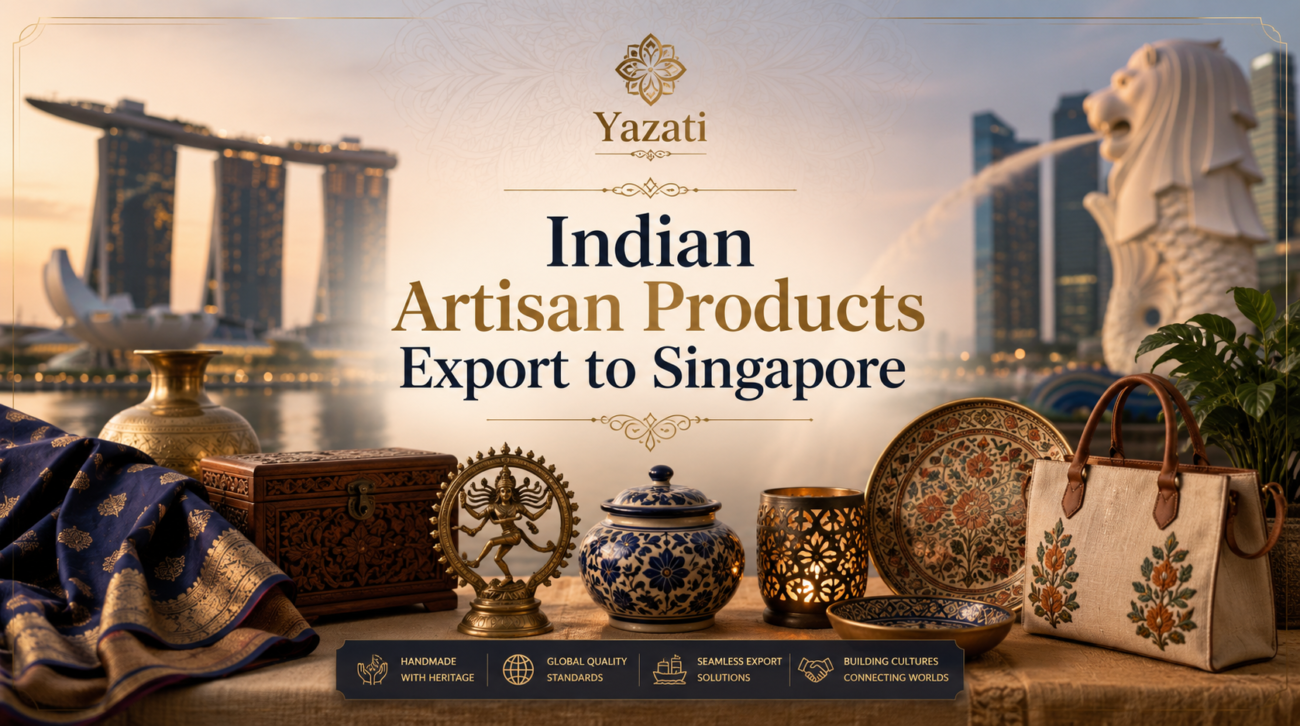
India has long been known for its rich artistic heritage, handmade crafts, and traditional artisan communities. From handwoven textiles and wooden carvings to brass décor and eco-friendly handicrafts, Indian artisan products are admired around the world. In recent years, Indian Artisan Products Export to Singapore has gained significant momentum due to Singapore’s strong economy, multicultural consumer base, and appreciation for premium handmade goods.
Singapore serves as both a profitable consumer market and a gateway to Southeast Asia. Indian exporters can benefit from lower trade barriers, strong logistics infrastructure, and growing demand for sustainable and authentic handcrafted products.
In this comprehensive guide, you’ll learn everything about exporting Indian artisan products to Singapore, including market opportunities, export documentation, product categories, pricing strategies, shipping, digital marketing, and practical tips for long-term success.
Singapore is one of Asia’s most developed and import-friendly economies. The country has consumers who value quality, exclusivity, and craftsmanship. Handmade Indian products fit perfectly into this market because they offer authenticity and cultural richness that machine-made products often lack.
Singapore’s multicultural population also contributes to demand for Indian products. Indian communities, tourists, luxury interior designers, and eco-conscious consumers actively purchase artisan products from India.
Why Singapore Imports Indian Handicrafts
There are several reasons why Indian handicrafts perform well in Singapore:
- Strong cultural connection with India
- Rising demand for handcrafted luxury products
- Interest in sustainable and eco-friendly goods
- Preference for ethnic home décor and fashion
- Expanding e-commerce and boutique retail markets
Singapore retailers often look for unique products that stand out from mass-produced imports. This creates a huge opportunity for Indian artisans and exporters.
Consumer Preferences in Singapore
Consumers in Singapore prefer products that combine:
- Premium quality
- Sustainable materials
- Modern functionality
- Traditional craftsmanship
- Attractive packaging
Minimalist designs with cultural storytelling perform particularly well in premium retail stores.
Most Profitable Indian Artisan Products for Export
Choosing the right products is critical for success in Indian Artisan Products Export to Singapore.
Handmade Textiles and Fabrics
Indian textiles are globally recognized for their intricate patterns and handmade quality.
Popular export items include:
- Handloom sarees
- Organic cotton fabrics
- Silk scarves
- Block-printed textiles
- Embroidered cushion covers
States like Rajasthan, Gujarat, and West Bengal produce highly sought-after textile products.
Wooden Handicrafts
Wooden décor products are popular among Singapore homeowners and luxury hotels.
Best-selling items include:
- Hand-carved furniture
- Decorative trays
- Wooden sculptures
- Wall art
- Temple décor
Sheesham wood and mango wood products are especially attractive due to their durability and aesthetics.
Eco-Friendly Home Décor
Sustainability is becoming a major purchasing factor.
Eco-friendly artisan products include:
- Bamboo décor
- Jute baskets
- Terracotta items
- Coconut shell crafts
- Recycled metal art
Consumers increasingly prefer environmentally responsible products.
Jewelry and Fashion Accessories
Handmade jewelry from India attracts fashion-conscious buyers.
Popular categories:
- Silver jewelry
- Beaded necklaces
- Handmade handbags
- Leather accessories
- Artisan footwear
Boutique fashion retailers in Singapore frequently source these products from India.
Benefits of Exporting Indian Artisan Products to Singapore
Strong Trade Relations
India and Singapore share excellent trade relationships through agreements that simplify export procedures and reduce trade barriers.
These agreements help exporters by:
- Reducing import duties
- Improving trade efficiency
- Encouraging SME participation
- Simplifying customs clearance
Growing Demand for Sustainable Products
Singapore consumers are becoming more environmentally conscious. Handmade artisan goods often use natural materials and ethical production methods, making them highly attractive in this market.
This trend significantly benefits Indian artisan exporters.
Export Documentation and Legal Requirements
Understanding export procedures is essential for smooth international trade.
IEC Registration
An Import Export Code (IEC) is mandatory for any Indian business involved in exports.
The IEC is issued by the Directorate General of Foreign Trade (DGFT) and is required for:
- Customs clearance
- International payments
- Shipping documentation
GST and Customs Documentation
Important export documents include:
| Document | Purpose |
| Commercial Invoice | Product and payment details |
| Packing List | Shipment content details |
| Bill of Lading | Shipping ownership document |
| Certificate of Origin | Confirms Indian origin |
| Shipping Bill | Customs export processing |
Proper documentation prevents shipment delays.
Certificates and Packaging Standards
Singapore has strict standards regarding product safety and packaging.
Exporters should ensure:
- Proper labeling
- Durable packaging
- Moisture protection
- Compliance with customs regulations
Eco-friendly packaging can also improve brand reputation.
Pricing Strategy for Singapore Export Markets
Pricing determines profitability and competitiveness.
Calculating Export Costs
Export pricing should include:
- Manufacturing costs
- Packaging expenses
- Freight charges
- Insurance
- Customs duties
- Marketing costs
- Distributor margins
Ignoring hidden costs can reduce profits significantly.
Profit Margin Optimization
To maximize profits:
- Source raw materials efficiently
- Optimize shipping methods
- Sell premium collections
- Offer customized products
- Build direct retailer relationships
Luxury positioning often works better than competing on low prices.
Packaging and Branding for Premium Buyers
Good branding increases product value.
Sustainable Packaging Trends
Eco-friendly packaging is increasingly preferred.
Popular packaging materials include:
- Recycled cardboard
- Cloth bags
- Kraft paper
- Biodegradable wraps
Beautiful packaging improves customer experience and supports premium pricing.
Building a Luxury Handicraft Brand
Strong branding should communicate:
- Authentic craftsmanship
- Artisan stories
- Cultural heritage
- Sustainability
- Product uniqueness
A compelling brand identity helps exporters stand out in competitive markets.
Shipping and Logistics
Reliable logistics are essential for export success.
Air Freight vs Sea Freight
| Shipping Method | Advantages | Disadvantages |
| Air Freight | Fast delivery | Higher cost |
| Sea Freight | Lower cost | Longer transit time |
For small premium shipments, air freight is often preferred.
Choosing Freight Forwarders
A professional freight forwarder can help with:
- Customs clearance
- Shipping coordination
- Documentation
- Insurance
- Warehousing
Experienced logistics partners reduce operational risks.
Digital Marketing for Artisan Exporters
Online marketing is critical for global growth.
Using Social Media
Platforms like Instagram and Pinterest are highly effective for artisan products.
Best practices include:
- High-quality product photography
- Storytelling content
- Behind-the-scenes artisan videos
- Influencer collaborations
Visual marketing helps attract international buyers.
B2B Export Platforms
Indian exporters can use:
- Alibaba
- IndiaMART
- TradeIndia
- Global Sources
These platforms connect exporters with Singapore wholesalers and retailers.
For official export guidance, visit the website.
Challenges in Indian Artisan Products Export to Singapore
Competition from Other Countries
Indian exporters compete with suppliers from:
- Vietnam
- Indonesia
- Thailand
- China
To stay competitive, businesses should focus on originality and quality.
Quality Control Issues
Handmade products may vary in quality.
Exporters should implement:
- Product inspections
- Standardized production methods
- Skilled artisan training
- Quality assurance processes
Consistency builds long-term buyer trust.
Government Support and Export Incentives
The Indian government offers several export incentives.
Export Promotion Councils
Organizations supporting handicraft exports include:
- Export Promotion Council for Handicrafts (EPCH)
- Federation of Indian Export Organisations (FIEO)
These organizations provide:
- Trade fair access
- Market intelligence
- Export training
- Buyer networking
MSME Benefits
Small exporters can access:
- Subsidized loans
- Export incentives
- Technology support
- International exhibition assistance
These schemes help small artisan businesses scale globally.
Future Trends in Artisan Exports
Eco-Conscious Consumer Demand
Demand for handmade and ethical products will continue growing worldwide.
Future opportunities include:
- Fair-trade products
- Organic textiles
- Zero-waste packaging
- Ethical sourcing transparency
Smart E-commerce Expansion
Online marketplaces are making international exports easier than ever.
Direct-to-consumer models allow artisans to:
- Increase profit margins
- Build global audiences
- Reduce dependency on wholesalers
Technology is transforming artisan exports into scalable global businesses.
FAQs
1. Which Indian artisan products sell best in Singapore?
Popular products include handmade textiles, eco-friendly décor, wooden handicrafts, jewelry, and luxury home accessories.
2. Is Singapore a good market for Indian handicrafts?
Yes. Singapore has strong purchasing power, appreciation for handmade products, and growing demand for sustainable décor and fashion items.
3. What documents are required for exporting artisan products?
Key documents include IEC registration, commercial invoice, packing list, certificate of origin, and shipping bill.
4. How can small artisans export to Singapore?
Small artisans can partner with export houses, use B2B marketplaces, participate in trade fairs, or sell through e-commerce platforms.
5. What is the biggest challenge in artisan exports?
Maintaining consistent product quality and competing with low-cost international suppliers are major challenges.
6. How can exporters increase profits in Singapore markets?
Premium branding, sustainable packaging, direct retail partnerships, and strong digital marketing can improve profitability.
Conclusion
The future of Indian Artisan Products Export to Singapore looks incredibly promising. Singapore’s growing interest in sustainable, handcrafted, and culturally rich products creates major opportunities for Indian exporters, artisans, and small businesses.
Success in this market depends on selecting the right products, maintaining excellent quality, building a recognizable brand, and understanding international trade procedures. Exporters who combine traditional craftsmanship with modern branding and digital marketing can create highly profitable international businesses.
As global consumers increasingly value authenticity and sustainability, Indian artisan products are perfectly positioned to thrive in Singapore and beyond.
✨ Discover Global Sourcing Excellence with Netyex ✨
Netyex is your trusted B2B sourcing partner, connecting international buyers with India’s finest manufacturers and curated product lines—from handicrafts and home décor to kitchenware, textiles, hospitality essentials, and more. With verified suppliers and end-to-end support, we make global procurement seamless, reliable, and efficient.
👉 Elevate your sourcing experience—explore Netyex today.
📦 Bulk orders & customisation | 🌍 Worldwide delivery | 🤝 Trusted by global buyers
Visit Netyex to source premium Indian products with confidence.