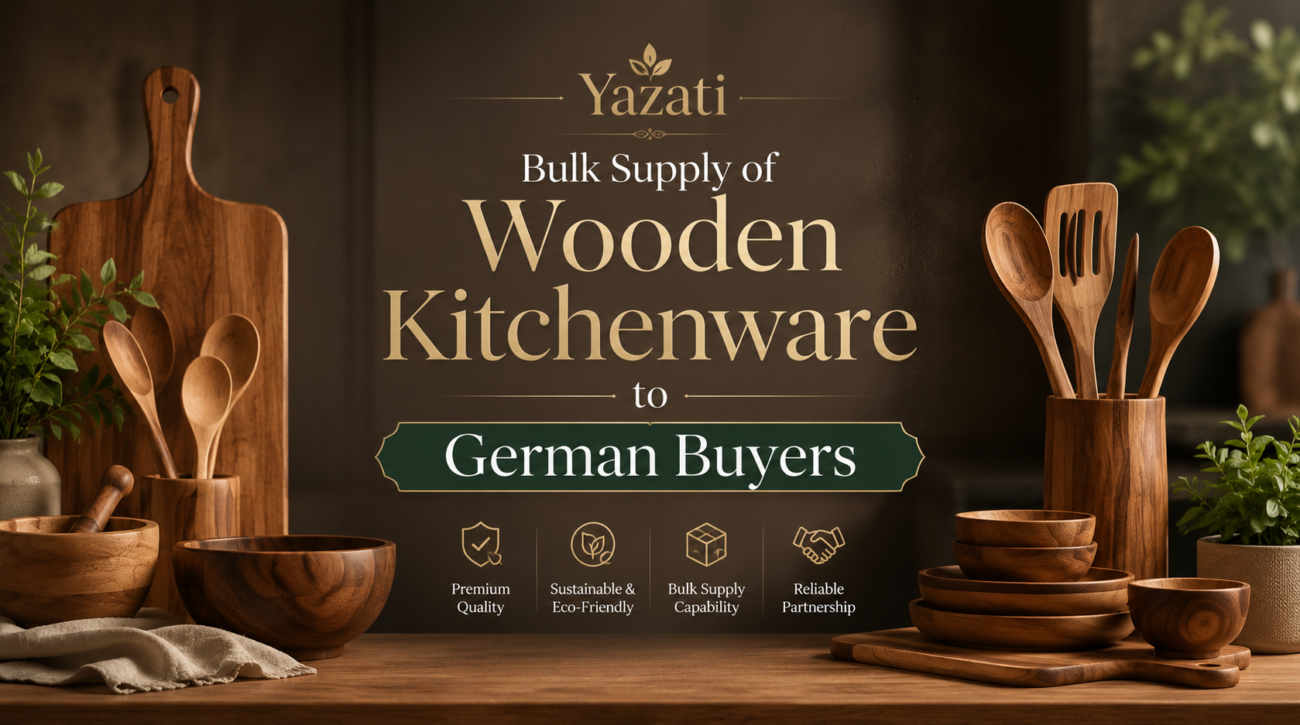
Introduction to Bulk Supply of Wooden Kitchenware to German Buyers
The Bulk Supply of Wooden Kitchenware to German Buyers has become one of the fastest-growing export opportunities in the global home and kitchen industry. Germany is known for its strong preference for sustainable, eco-friendly, and premium-quality kitchen products. This growing demand creates excellent opportunities for exporters and manufacturers of wooden kitchenware.
German consumers value environmentally responsible products. Wooden spoons, cutting boards, serving trays, bowls, and bamboo kitchen accessories are now common in German households. Buyers in Germany actively seek reliable international suppliers capable of delivering high-quality products in bulk quantities.
For exporters, this market offers long-term business potential. However, success requires understanding buyer expectations, quality standards, pricing structures, certifications, and logistics.
In this guide, you will learn practical strategies to successfully enter and grow in the German wooden kitchenware market.
Understanding the German Wooden Kitchenware Market
Germany is one of Europe’s largest importers of eco-friendly kitchen products. The country’s consumers prioritize sustainability, durability, and product safety.
Why German Buyers Prefer Wooden Kitchenware
Wooden kitchenware is becoming increasingly popular because it offers several advantages:
- Eco-friendly and biodegradable
- Safe for cookware surfaces
- Attractive natural appearance
- Durable and long-lasting
- Free from harmful plastics
German consumers are especially conscious of reducing plastic waste. This trend strongly supports the growth of wooden kitchenware imports.
Market Trends in Germany
Several trends are shaping the demand for wooden kitchen products:
| Trend | Impact |
|---|---|
| Sustainable living | Increased demand for wooden products |
| Minimalist kitchens | Preference for natural materials |
| Organic food culture | More eco-conscious buyers |
| Premium home décor | Demand for stylish wooden accessories |
According to the German sustainability movement, consumers are increasingly willing to pay higher prices for responsibly sourced products.
For more information about European sustainability initiatives, visit the official European Union environment portal:
https://environment.ec.europa.eu/
Types of Wooden Kitchenware in High Demand
Understanding which products sell best is essential for exporters involved in the Bulk Supply of Wooden Kitchenware to German Buyers.
Wooden Spoons and Spatulas
These are among the most imported wooden kitchen products. German buyers prefer:
- Teak wood spoons
- Olive wood spatulas
- Bamboo cooking utensils
- Acacia wood serving spoons
Simple yet durable designs perform best in this market.
Cutting Boards and Serving Trays
Wooden cutting boards are highly popular because of their durability and premium appearance.
Popular options include:
- End-grain cutting boards
- Cheese serving boards
- Charcuterie trays
- Personalized wooden boards
German retailers often request custom branding and private labeling.
Wooden Bowls and Salad Servers
Natural-finish wooden bowls are widely used for salads, fruits, and decorative purposes.
Best-selling materials include:
- Mango wood
- Acacia wood
- Beech wood
- Bamboo
Eco-Friendly Storage Containers
Many German households now prefer wooden storage containers over plastic products. Airtight wooden jars and bamboo organizers are increasingly popular.
Choosing the Right Wood for Kitchenware Production
The type of wood directly affects product quality and buyer satisfaction.
Bamboo vs Hardwood
| Feature | Bamboo | Hardwood |
|---|---|---|
| Sustainability | Excellent | Good |
| Durability | Moderate | High |
| Weight | Lightweight | Heavier |
| Cost | Lower | Higher |
| Appearance | Modern | Premium |
Bamboo products are often cheaper and eco-friendly, while hardwood kitchenware attracts premium buyers.
Sustainable and FSC-Certified Wood
German importers strongly prefer responsibly sourced materials. FSC certification can significantly improve your credibility.
Benefits of FSC-certified products:
- Better acceptance in European markets
- Higher buyer trust
- Easier retail partnerships
- Improved sustainability image
Quality Standards Required by German Buyers
Quality standards in Germany are extremely strict. Exporters must maintain consistent manufacturing quality.
Food Safety Compliance
Kitchenware products must be safe for food contact. Buyers often request:
- Chemical-free finishing oils
- Non-toxic coatings
- Smooth finishing without splinters
- Hygienic production methods
Moisture Control and Durability
Improper drying may cause cracking or warping during shipping. German buyers carefully inspect:
- Moisture content
- Surface finishing
- Joint strength
- Product consistency
Packaging Expectations
Eco-friendly packaging is highly preferred.
Common packaging requirements include:
- Recyclable cartons
- Kraft paper wrapping
- Minimal plastic usage
- Barcode labeling
- Multi-language product labels
Pricing Strategies for Bulk Supply of Wooden Kitchenware to German Buyers
Pricing is one of the most critical aspects of export success.
FOB vs CIF Pricing
| Pricing Method | Description |
|---|---|
| FOB | Buyer handles shipping |
| CIF | Supplier includes shipping and insurance |
Most German buyers request FOB pricing initially.
Competitive Wholesale Pricing
To stay competitive:
- Optimize raw material sourcing
- Reduce production waste
- Use efficient packaging
- Improve shipping consolidation
Managing Shipping Costs
Shipping wooden products can become expensive because of volume weight. Exporters should:
- Use stackable packaging
- Optimize carton dimensions
- Consolidate shipments
- Work with experienced freight forwarders
Finding German Buyers for Wooden Kitchenware
Finding reliable buyers is essential for long-term export growth.
B2B Marketplaces
Popular B2B platforms include:
- Alibaba
- Europages
- Global Sources
- Made-in-China
Professional product photography greatly improves inquiries.
Trade Fairs in Germany
Germany hosts several major home and kitchen exhibitions.
Important trade fairs include:
| Trade Fair | Location |
|---|---|
| Ambiente | Frankfurt |
| Tendence | Frankfurt |
| Heimtextil | Frankfurt |
These events provide direct access to importers and wholesalers.
Importers and Retail Chains
German retail chains often seek private-label suppliers for eco-friendly kitchenware collections.
Potential buyers include:
- Home décor retailers
- Organic product stores
- Eco-friendly kitchen brands
- Hospitality suppliers
Export Documentation and Regulations
Proper documentation prevents customs delays and buyer disputes.
EU Import Standards
Products entering Germany must comply with European Union regulations.
Important areas include:
- Product safety
- Packaging waste compliance
- Timber sourcing legality
- Food-contact standards
Required Certifications
Common certifications include:
- FSC Certification
- LFGB Food Safety Compliance
- BSCI Social Compliance
- ISO Quality Standards
Customs Documentation
Required export documents may include:
- Commercial invoice
- Packing list
- Bill of lading
- Certificate of origin
- Phytosanitary certificate
Building Long-Term Relationships with German Buyers
German buyers value reliability more than aggressive pricing.
Communication Best Practices
Successful exporters maintain:
- Fast response times
- Clear quotations
- Accurate product specifications
- Professional communication
Importance of Timely Delivery
Late shipments can damage business relationships. Reliable logistics planning is essential.
Private Label Opportunities
Many German companies prefer customized branding solutions.
Private-label services may include:
- Laser engraving
- Custom packaging
- Brand labeling
- Product customization
Digital Marketing for Wooden Kitchenware Exporters
Online visibility is now essential for exporters.
SEO for Export Businesses
Your website should target keywords like:
- Wooden kitchenware exporter
- Eco-friendly kitchen products supplier
- Bulk wooden utensils manufacturer
Social Media Promotion
Pinterest and Instagram work especially well for visually appealing kitchen products.
Email Outreach Campaigns
Professional cold-email campaigns can help you connect with:
- Importers
- Retail chains
- Kitchenware distributors
- Hospitality businesses
Common Challenges in Exporting Wooden Kitchenware
Shipping Delays
Global logistics disruptions may impact delivery schedules.
Quality Complaints
Inconsistent finishing or wood cracking can lead to buyer complaints.
Currency Fluctuations
Exchange rate volatility can reduce profit margins.
Future Opportunities in the German Eco-Friendly Market
Germany’s eco-friendly market continues to grow rapidly. Consumers increasingly prefer natural alternatives to plastic products.
Future opportunities include:
- Sustainable gift products
- Organic kitchen accessories
- Luxury handcrafted kitchenware
- Smart eco-packaging
Exporters who prioritize sustainability and consistent quality can achieve long-term success.
FAQs
1. What wooden kitchenware products sell best in Germany?
Cutting boards, wooden spoons, bamboo utensils, serving trays, and salad bowls are among the top-selling products.
2. Do German buyers require FSC certification?
Many buyers strongly prefer FSC-certified wood because it supports sustainable sourcing practices.
3. What is the ideal moisture level for exported wooden kitchenware?
Most buyers prefer moisture content between 8% and 12% to prevent cracking or warping.
4. Which German trade fairs are best for kitchenware exporters?
Ambiente Frankfurt is one of the most important international trade fairs for home and kitchen products.
5. Is private labeling important for German buyers?
Yes. Many retailers prefer customized branding and packaging solutions.
6. What packaging is preferred in Germany?
Eco-friendly, recyclable, and minimal packaging is highly preferred by German consumers and retailers.
Conclusion
The Bulk Supply of Wooden Kitchenware to German Buyers offers tremendous opportunities for exporters willing to meet European quality and sustainability standards. Germany’s growing preference for eco-friendly kitchen products continues to drive demand for wooden utensils, cutting boards, serving trays, and related accessories.
Success in this market depends on:
- Consistent product quality
- Sustainable sourcing
- Competitive pricing
- Reliable logistics
- Strong buyer communication
Exporters who focus on long-term relationships and environmentally responsible manufacturing can build a profitable and sustainable business in Germany’s thriving kitchenware market.
✨ Discover Global Sourcing Excellence with Netyex ✨
Netyex is your trusted B2B sourcing partner, connecting international buyers with India’s finest manufacturers and curated product lines—from handicrafts and home décor to kitchenware, textiles, hospitality essentials, and more. With verified suppliers and end-to-end support, we make global procurement seamless, reliable, and efficient.
👉 Elevate your sourcing experience—explore Netyex today.
📦 Bulk orders & customisation | 🌍 Worldwide delivery | 🤝 Trusted by global buyers
Visit Netyex to source premium Indian products with confidence.