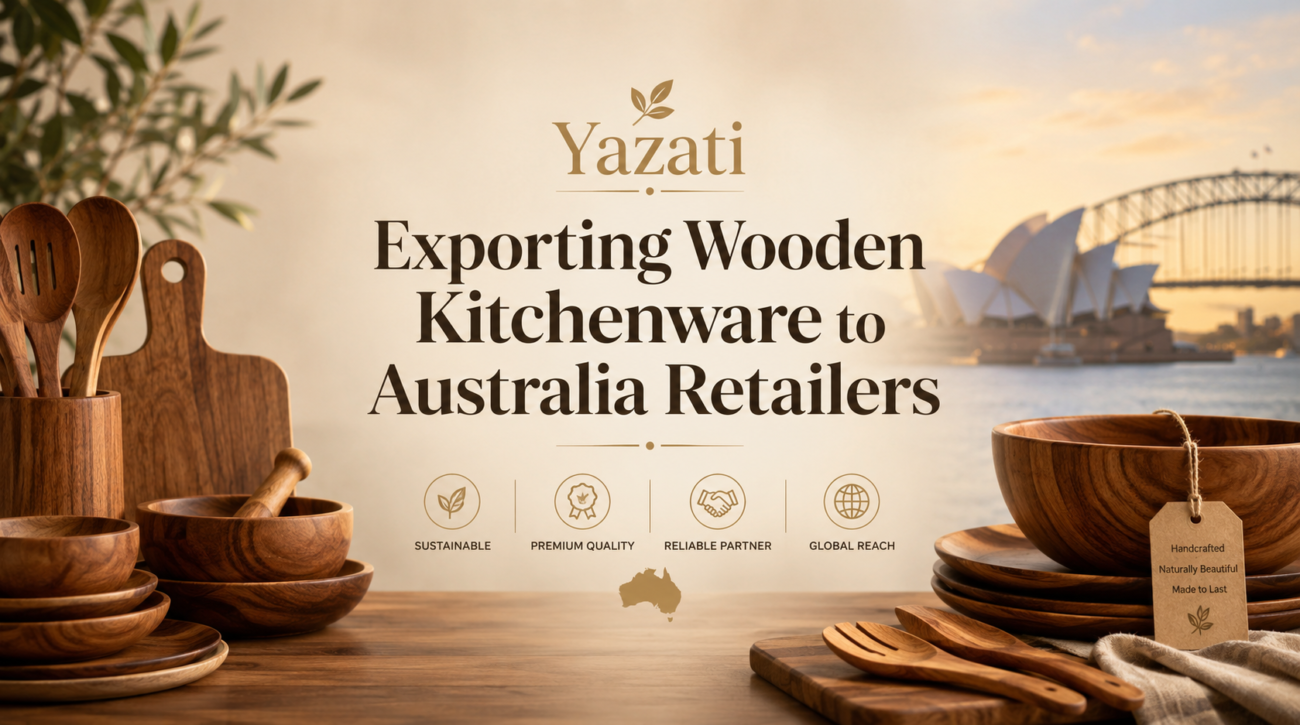
Exporting Wooden Kitchenware to Australia Retailers has become an exciting business opportunity for manufacturers and exporters worldwide. Australia’s growing interest in eco-friendly products, sustainable living, and premium kitchen accessories has increased demand for high-quality wooden kitchenware.
From wooden spoons and cutting boards to serving trays and salad bowls, Australian retailers are constantly searching for suppliers that can provide durable, stylish, and environmentally responsible products. Businesses that understand Australian market expectations can build profitable long-term export relationships.
In this comprehensive guide, you’ll learn how to successfully export wooden kitchenware to Australian retailers, meet import regulations, market your products effectively, and maximize your profits.
Understanding the Australian Wooden Kitchenware Market
Australia has experienced a significant rise in consumer awareness regarding sustainability and environmentally friendly products. This shift has created a favorable market for wooden kitchenware exporters.
Why Australian Consumers Prefer Wooden Kitchenware
Wooden kitchen products offer several benefits that appeal to Australian buyers:
- Natural and eco-friendly materials
- Stylish and minimalist aesthetics
- Durable and long-lasting performance
- Non-toxic alternatives to plastic utensils
- Handmade and artisan appeal
Consumers in Australia increasingly avoid single-use plastics and synthetic kitchen items. Wooden kitchenware aligns perfectly with this eco-conscious lifestyle trend.
Current Market Trends in Eco-Friendly Kitchen Products
Some key trends driving demand include:
| Trend | Impact on Wooden Kitchenware |
|---|---|
| Sustainable living | Increased demand for reusable products |
| Minimalist kitchens | Preference for natural wood designs |
| Organic cooking culture | Higher interest in eco-friendly utensils |
| Gift packaging trends | Growth in premium wooden gift sets |
Australian retailers often focus on sustainability storytelling when promoting products. Exporters who highlight responsible sourcing and craftsmanship gain a competitive advantage.
Benefits of Exporting Wooden Kitchenware to Australia Retailers
Exporting wooden products to Australia provides several attractive opportunities.
High Demand for Sustainable Products
Australia’s eco-conscious consumers actively support products with:
- FSC-certified wood
- Biodegradable packaging
- Ethical manufacturing
- Low-carbon production
Retailers want products that match these values because sustainability strongly influences purchasing decisions.
Premium Pricing Opportunities
Unlike some highly price-sensitive markets, Australian consumers are willing to pay more for:
- Handmade products
- Premium finishes
- Sustainable sourcing
- Unique artisan designs
This allows exporters to achieve healthier profit margins.
Types of Wooden Kitchenware Popular in Australia
Understanding which products perform best helps exporters focus on high-demand categories.
Wooden Cutting Boards
Cutting boards remain one of the top-selling wooden kitchen products because they combine functionality with aesthetics.
Popular styles include:
- Acacia wood boards
- Bamboo chopping boards
- Personalized engraved boards
- Live-edge serving boards
Wooden Spoons and Spatulas
Australian households frequently purchase wooden utensils because they are gentle on cookware and visually appealing.
Best-selling items include:
- Cooking spoons
- Spatulas
- Tongs
- Honey dippers
Salad Bowls and Serving Trays
Premium wooden serving products are especially popular for entertaining and gifting purposes.
Eco-Friendly Kitchen Gift Sets
Gift sets combining multiple wooden utensils are increasingly common in retail stores and online marketplaces.
Australian Import Regulations and Compliance
Compliance is one of the most important aspects of Exporting Wooden Kitchenware to Australia Retailers.
Biosecurity and Timber Regulations
Australia maintains strict biosecurity regulations to protect local ecosystems.
Imported wooden products may require:
- Fumigation treatment
- Heat treatment
- Pest-free certification
- ISPM 15 compliance for wooden packaging
Exporters should carefully review requirements from the Australian Border Force and the Department of Agriculture, Fisheries and Forestry.
For official guidance, visit:
Australian Biosecurity Information
Packaging and Labeling Standards
Australian retailers typically expect labels that include:
- Country of origin
- Material details
- Care instructions
- Sustainability certifications
Food Safety Considerations
Since kitchenware comes into contact with food, retailers often request:
- Food-safe oil finishes
- Chemical-free coatings
- BPA-free packaging
Choosing the Right Wood Materials
The type of wood significantly affects product quality and retailer interest.
Bamboo vs Hardwood Products
| Material | Advantages | Challenges |
|---|---|---|
| Bamboo | Lightweight, sustainable | Can crack if poorly manufactured |
| Acacia | Durable and attractive | Higher material cost |
| Teak | Water resistant | Premium pricing |
| Beechwood | Smooth finish | Requires proper sealing |
FSC-Certified Sustainable Timber
Retailers increasingly prefer FSC-certified wood because it demonstrates responsible forestry practices.
Certification can improve buyer trust and open opportunities with premium retailers.
How to Find Australia Retailers for Wooden Kitchenware
Finding reliable retail partners is essential for export success.
Retail Chains and Boutique Stores
Potential buyers include:
- Homeware retailers
- Kitchen specialty stores
- Eco-friendly boutiques
- Lifestyle gift shops
Some well-known Australian retailers selling kitchenware include:
- Myer
- David Jones
- Adairs
Online Retailers and E-Commerce Platforms
Australian consumers heavily use online shopping platforms such as:
- Amazon Australia
- Etsy
- Temple & Webster
Trade Shows and Wholesale Exhibitions
Trade fairs are excellent opportunities to meet distributors and retailers directly.
Popular events include:
- Life Instyle
- Australian Gift & Homewares Association Fair
Pricing Strategies for Export Success
Competitive pricing is critical when exporting internationally.
FOB vs CIF Pricing Models
| Pricing Model | Description |
|---|---|
| FOB | Buyer pays shipping costs |
| CIF | Exporter includes shipping and insurance |
Australian retailers often compare multiple international suppliers, so transparent pricing helps build trust.
Calculating Profit Margins
Include these costs:
- Raw materials
- Labor
- Packaging
- Certifications
- Shipping
- Customs duties
- Marketing expenses
A clear pricing structure improves negotiation outcomes.
Packaging and Branding for Australian Buyers
Presentation matters greatly in Australia’s premium retail sector.
Eco-Friendly Packaging Trends
Retailers prefer packaging that is:
- Plastic-free
- Recyclable
- Minimalist
- Visually premium
Brown kraft packaging and soy-based inks are commonly appreciated.
Creating Premium Branding
Strong branding should communicate:
- Sustainability
- Craftsmanship
- Authenticity
- Natural living
A memorable brand story can significantly increase product value perception.
Shipping and Logistics for Wooden Kitchenware
Efficient logistics help maintain product quality and profitability.
Sea Freight vs Air Freight
| Method | Benefits | Drawbacks |
|---|---|---|
| Sea Freight | Lower cost | Longer delivery time |
| Air Freight | Faster delivery | Higher shipping cost |
Sea freight is usually the preferred option for bulk kitchenware exports.
Customs Clearance Process
Work with experienced freight forwarders who understand Australian customs procedures to avoid delays and compliance issues.
Marketing Wooden Kitchenware in Australia
A strong marketing strategy helps exporters stand out in a competitive market.
Digital Marketing Strategies
Effective marketing channels include:
- Instagram product photography
- Pinterest lifestyle content
- SEO-optimized websites
- Influencer collaborations
- Eco-lifestyle blogs
Retailers often evaluate suppliers based on brand presentation and online credibility.
Working with Local Distributors
Local distributors can help with:
- Retail introductions
- Warehousing
- Market insights
- Faster delivery networks
This approach may accelerate market entry.
Common Challenges Exporters Face
Exporting internationally always involves challenges.
Currency Fluctuations
Exchange rate changes can affect profitability. Many exporters use forward contracts or negotiated pricing adjustments to reduce risk.
Competition from Low-Cost Suppliers
Competing solely on price can be difficult. Instead, focus on:
- Product quality
- Sustainability
- Packaging
- Customization
- Reliability
These factors often matter more to Australian retailers.
How Sustainability Increases Sales
Sustainability is not just a trend—it’s a purchasing priority.
Carbon-Neutral Branding
Brands promoting low environmental impact often attract stronger retailer interest.
Ethical Manufacturing Practices
Retailers increasingly request proof of:
- Fair labor standards
- Responsible sourcing
- Eco-friendly production
Transparency builds long-term trust.
Building Long-Term Relationships with Retailers
Strong retailer relationships create repeat business opportunities.
Communication and Reliability
Successful exporters consistently provide:
- Timely responses
- Accurate production schedules
- Reliable shipping timelines
- Consistent quality control
Offering Private Label Services
Many Australian retailers prefer private-label manufacturing because it allows them to create exclusive product collections.
Offering customized branding can increase order sizes and long-term partnerships.
Frequently Asked Questions
1. Is Australia a good market for wooden kitchenware exports?
Yes. Australia has strong demand for sustainable, eco-friendly, and premium kitchen products, making it an attractive export destination.
2. Do wooden kitchenware products need certifications for Australia?
In many cases, yes. Retailers may request FSC certification, food-safe compliance documentation, and pest-treatment certifications.
3. Which wooden kitchenware products sell best in Australia?
Cutting boards, serving trays, wooden utensils, salad bowls, and gift sets are among the most popular products.
4. What is the biggest challenge when exporting wooden kitchenware to Australia retailers?
Biosecurity compliance is often the biggest challenge due to Australia’s strict import regulations regarding timber products.
5. How can exporters find Australian retailers?
Exporters can connect through trade shows, wholesale platforms, LinkedIn outreach, distributors, and direct retailer contact.
6. What packaging do Australian retailers prefer?
Eco-friendly, recyclable, and minimalist packaging is highly preferred in the Australian retail market.
Conclusion
Exporting Wooden Kitchenware to Australia Retailers offers excellent growth potential for businesses that prioritize quality, sustainability, and compliance. Australia’s eco-conscious consumers continue driving demand for wooden kitchen products that combine functionality, aesthetics, and environmental responsibility.
Success in this market requires more than just attractive products. Exporters must understand Australian regulations, maintain consistent quality standards, invest in strong branding, and build reliable retailer relationships.
By focusing on sustainability, premium craftsmanship, and strategic marketing, exporters can establish profitable long-term partnerships with Australian retailers and successfully expand into one of the world’s most promising eco-friendly consumer markets.
✨ Discover Global Sourcing Excellence with Netyex ✨
Netyex is your trusted B2B sourcing partner, connecting international buyers with India’s finest manufacturers and curated product lines—from handicrafts and home décor to kitchenware, textiles, hospitality essentials, and more. With verified suppliers and end-to-end support, we make global procurement seamless, reliable, and efficient.
👉 Elevate your sourcing experience—explore Netyex today.
📦 Bulk orders & customisation | 🌍 Worldwide delivery | 🤝 Trusted by global buyers
Visit Netyex to source premium Indian products with confidence.