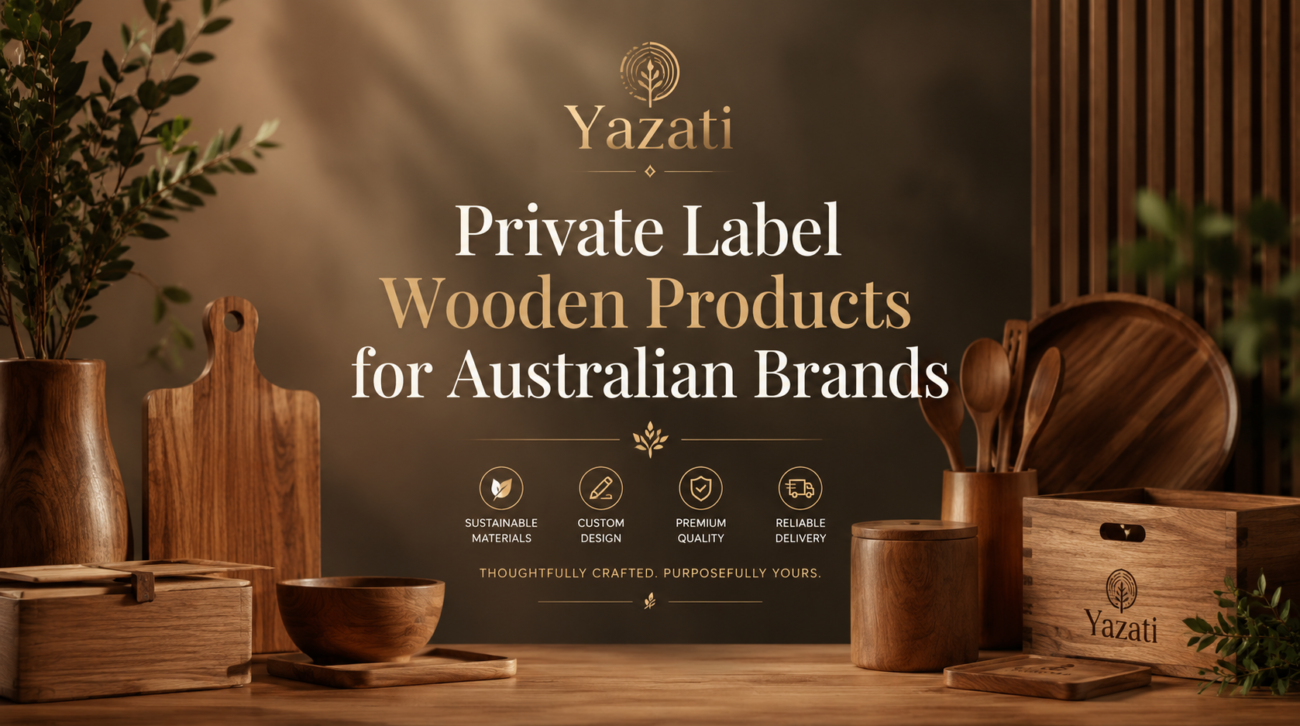
The market for Private Label Wooden Products for Australian Brands is growing rapidly. Consumers across Australia are actively searching for eco-friendly, reusable, and premium-quality alternatives to plastic goods. From wooden kitchen utensils to sustainable home décor, wooden products are becoming a top-selling category for retailers and eCommerce businesses alike.
Australian brands are now focusing on private label solutions to build unique product lines, improve profit margins, and strengthen brand identity. Whether you run a Shopify store, an Amazon Australia business, or a retail chain, private label wooden products can create long-term growth opportunities.
In this guide, you’ll learn everything about sourcing, branding, marketing, and scaling wooden product businesses successfully in 2026.
Introduction to Private Label Wooden Products for Australian Brands
Private labeling allows businesses to sell products manufactured by another company under their own brand name. In the wooden products industry, this includes items such as:
- Wooden kitchenware
- Bamboo utensils
- Wooden toys
- Home décor
- Wooden office accessories
- Eco-friendly gift items
The biggest advantage is that businesses can focus on branding and sales while manufacturers handle production.
Australia’s eco-conscious market makes this business model especially attractive. Consumers are increasingly willing to pay more for products that are sustainable and aesthetically pleasing.
Why Australian Brands Are Choosing Wooden Products
Growing Demand for Sustainable Products
Sustainability is no longer just a trend. It has become a buying priority for Australian consumers. Wooden products are biodegradable, reusable, and environmentally friendly, making them attractive alternatives to plastic products.
According to environmental retail studies, customers often associate wooden items with:
- Premium quality
- Natural aesthetics
- Eco-conscious living
- Long-term durability
This emotional connection helps brands charge higher prices while maintaining strong customer loyalty.
Consumer Preference for Eco-Friendly Materials
Many Australians prefer products made from:
- Bamboo
- Acacia wood
- Teak
- Rubberwood
- Reclaimed timber
These materials are valued because they reduce environmental impact and align with modern minimalist lifestyles.
Brands that communicate ethical sourcing and sustainability often gain better customer trust and stronger online reviews.
Understanding the Private Label Business Model
What Private Label Means
Private label products are manufactured by third-party suppliers but sold under your business name.
For example:
A manufacturer produces wooden chopping boards, but your company adds:
- Custom logo engraving
- Branded packaging
- Product inserts
- Marketing materials
The customer only sees your brand.
Benefits for Australian Retailers
Private labeling offers several benefits:
| Benefit | Explanation |
|---|---|
| Higher Profit Margins | Brands can price products higher |
| Brand Recognition | Customers remember your company |
| Product Customization | Packaging and designs can be personalized |
| Scalability | Easy to expand product lines |
| Competitive Advantage | Unique branding reduces price competition |
This model works especially well for online businesses.
Popular Private Label Wooden Products for Australian Brands
Wooden Kitchenware
Kitchenware remains one of the best-selling categories.
Popular items include:
- Wooden cutting boards
- Bamboo serving trays
- Wooden spoons
- Salad bowls
- Spice racks
Consumers love these products because they combine beauty with functionality.
Wooden Toys
Parents are increasingly choosing wooden toys over plastic alternatives because they are:
- Safer
- Durable
- Non-toxic
- Educational
Montessori-style wooden toys are especially popular in Australia.
Home Décor and Furniture
Minimalist wooden décor is trending strongly in modern Australian homes.
Examples include:
- Wooden wall shelves
- Decorative trays
- Candle holders
- Wooden clocks
- Indoor plant stands
Corporate Gift Products
Businesses also use private label wooden products for:
- Employee gifts
- Promotional merchandise
- Eco-friendly branding campaigns
Laser-engraved wooden gift sets can create premium brand impressions.
How to Source Reliable Wooden Product Manufacturers
Local vs Overseas Manufacturing
Australian brands often choose between local manufacturers and overseas suppliers.
| Option | Advantages | Disadvantages |
|---|---|---|
| Local Manufacturing | Faster shipping, easier communication | Higher production costs |
| Overseas Manufacturing | Lower pricing, larger production capacity | Longer lead times |
Countries like Vietnam, India, and China dominate wooden product manufacturing globally.
Key Supplier Evaluation Criteria
Before selecting a supplier, evaluate:
Certifications and Compliance
Look for:
- FSC certification
- ISO standards
- Australian product safety compliance
These certifications help build consumer trust.
MOQ and Pricing
MOQ stands for Minimum Order Quantity.
Smaller brands should seek suppliers with:
- Flexible MOQ
- Competitive pricing
- Product customization options
Request product samples before placing large orders.
Sustainable Timber Options for Australian Markets
Bamboo Products
Bamboo grows quickly and is highly renewable.
It’s commonly used for:
- Utensils
- Toothbrushes
- Storage boxes
- Serving boards
FSC-Certified Wood
FSC certification ensures timber comes from responsibly managed forests.
Australian consumers increasingly look for this label before purchasing wooden products.
Reclaimed Timber
Reclaimed wood products appeal to environmentally conscious buyers because they reduce waste and preserve natural resources.
Branding Opportunities in Private Label Wooden Products
Custom Packaging
Packaging can dramatically improve perceived product value.
Brands often use:
- Kraft paper boxes
- Recyclable packaging
- Minimalist labels
- Eco-friendly inks
Laser Engraving and Logo Printing
Custom engraving gives products a premium feel.
Popular options include:
- Brand logos
- Personalized messages
- QR codes
- Decorative patterns
Storytelling Through Sustainability
Customers connect emotionally with authentic brand stories.
Explain:
- Where the wood comes from
- How products are made
- Sustainability commitments
- Environmental impact reduction
This strengthens brand loyalty.
Quality Control for Wooden Products
Quality control is essential because wooden items can vary naturally.
Moisture Testing
Improper moisture levels can cause:
- Warping
- Cracking
- Mold growth
Reliable manufacturers perform moisture testing before shipping.
Durability Standards
Products should be tested for:
- Strength
- Surface smoothness
- Heat resistance
- Water resistance
Australian Safety Regulations
Wooden toys and kitchen products must comply with Australian consumer safety standards.
Learn more through the official Australian Competition & Consumer Commission website:
https://www.accc.gov.au/
E-Commerce Opportunities for Wooden Product Brands
Selling Through Shopify
Shopify allows brands to quickly launch wooden product stores with:
- Subscription apps
- Upselling tools
- Inventory tracking
- SEO optimization
Amazon Australia and Etsy
These platforms are excellent for:
- Handmade-style wooden products
- Sustainable gift items
- Personalized wooden accessories
Social Media Marketing
Instagram and Pinterest perform especially well for wooden product brands because of their visual appeal.
Content ideas include:
- Product styling photos
- Behind-the-scenes manufacturing
- Sustainability education
- Customer testimonials
Pricing Strategies for Higher Profit Margins
Wholesale Pricing
Wholesale pricing should include:
- Manufacturing costs
- Shipping
- Packaging
- Marketing
- Profit margin
Most successful brands target at least 3x markup.
Premium Positioning
Eco-friendly wooden products often sell better as premium products rather than budget items.
Premium positioning focuses on:
- Craftsmanship
- Sustainability
- Aesthetic design
- Longevity
Challenges in the Wooden Product Industry
Shipping and Fragility
Wood products can crack or scratch during shipping.
Protective packaging is essential.
Supply Chain Delays
Global shipping disruptions can impact inventory availability.
Brands should maintain backup suppliers whenever possible.
Sustainability Claims Verification
Consumers are becoming more skeptical of “greenwashing.”
Brands must provide real sustainability proof and certifications.
Future Trends in Private Label Wooden Products for Australian Brands
Minimalist Design Trends
Simple Scandinavian-inspired wooden designs continue to dominate Australian interior trends.
Smart Wooden Accessories
New innovations include:
- Wooden wireless chargers
- Smart desk accessories
- Wooden Bluetooth speakers
Eco-Conscious Packaging
Sustainable packaging will become mandatory for many retailers in the future.
Brands investing early may gain a competitive advantage.
Frequently Asked Questions
What are private label wooden products?
These are wooden products manufactured by third parties but sold under your own brand name.
Why are wooden products popular in Australia?
Australian consumers prefer eco-friendly, sustainable, and aesthetically pleasing products.
What are the best wooden products to private label?
Kitchenware, toys, home décor, and corporate gifts are among the best-selling categories.
How do I find wooden product manufacturers?
You can source suppliers through trade shows, B2B marketplaces, and manufacturer directories.
Are bamboo products considered wooden products?
Yes. Bamboo is widely used in eco-friendly product manufacturing because it is renewable and durable.
How profitable are private label wooden products?
Profit margins can be high due to premium pricing opportunities and strong consumer demand.
Conclusion
The future of Private Label Wooden Products for Australian Brands looks extremely promising. As sustainability becomes more important, consumers are actively choosing eco-friendly alternatives that combine style, durability, and environmental responsibility.
Businesses that focus on:
- High-quality sourcing
- Authentic branding
- Sustainable materials
- Strong eCommerce marketing
will have excellent opportunities for long-term growth.
Whether you are launching a new eco-friendly brand or expanding an existing retail business, private label wooden products can help you stand out in Australia’s competitive market.
✨ Discover Global Sourcing Excellence with Netyex ✨
Netyex is your trusted B2B sourcing partner, connecting international buyers with India’s finest manufacturers and curated product lines—from handicrafts and home décor to kitchenware, textiles, hospitality essentials, and more. With verified suppliers and end-to-end support, we make global procurement seamless, reliable, and efficient.
👉 Elevate your sourcing experience—explore Netyex today.
📦 Bulk orders & customisation | 🌍 Worldwide delivery | 🤝 Trusted by global buyers
Visit Netyex to source premium Indian products with confidence.