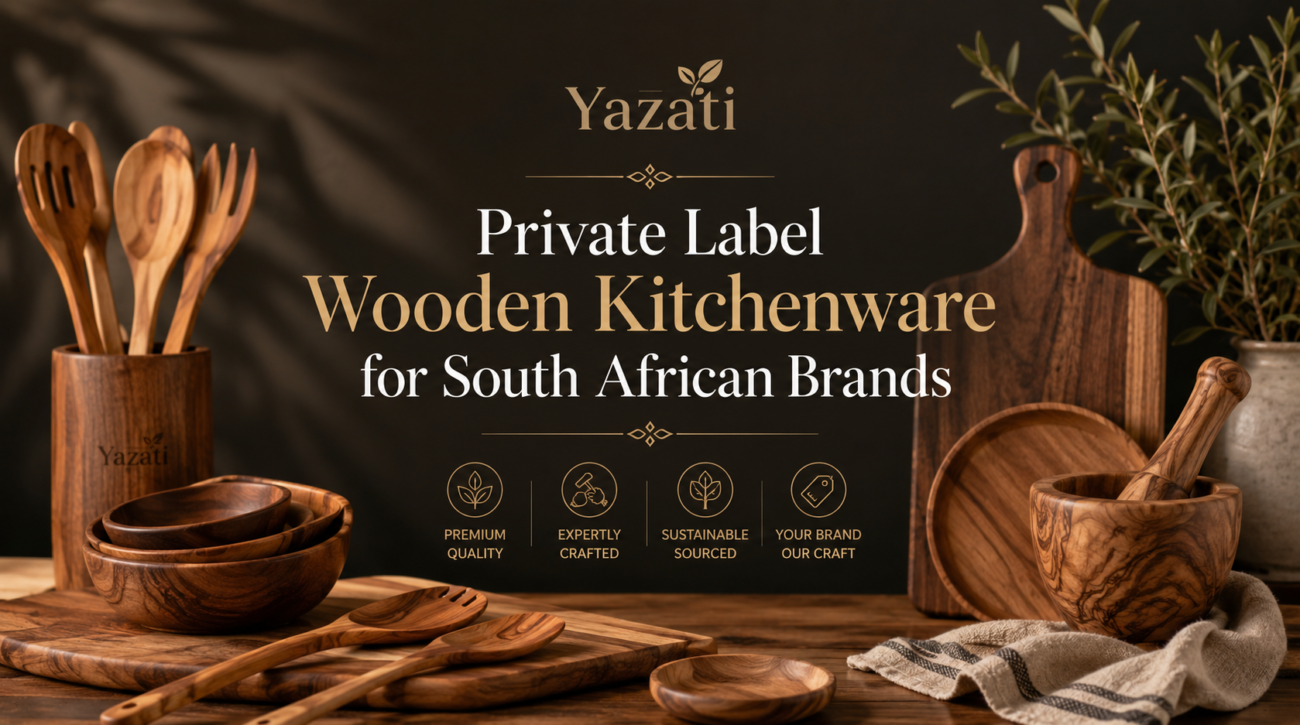
The demand for Private Label Wooden Kitchenware for South African Brands continues to grow as consumers increasingly seek eco-friendly, stylish, and durable kitchen products. From wooden cutting boards and serving trays to handcrafted utensils and salad bowls, wooden kitchenware has become a staple in modern homes.
For South African retailers, wholesalers, and entrepreneurs, private labeling provides a unique opportunity to build a recognizable brand while maintaining control over product quality, pricing, and customer experience. This comprehensive guide explores everything you need to know about launching and scaling a successful wooden kitchenware brand.
Understanding the South African Wooden Kitchenware Market
South Africa’s homeware sector has experienced significant growth over the past decade. Consumers are becoming more environmentally conscious and are actively looking for products made from natural and renewable materials.
Consumer Trends Driving Demand
Several factors are influencing purchasing behavior:
- Increased focus on sustainability
- Preference for natural materials
- Growing interest in home cooking
- Demand for aesthetically pleasing kitchen products
- Support for environmentally responsible brands
Wooden kitchenware aligns perfectly with these trends, making it an attractive product category.
Growth of Sustainable Homeware Products
Eco-conscious consumers often choose wooden products over plastic alternatives because they:
- Have a lower environmental impact
- Offer long-term durability
- Feature timeless designs
- Enhance kitchen aesthetics
As sustainability becomes a key purchasing factor, wooden kitchenware continues gaining market share.
What Is Private Label Wooden Kitchenware?
Private labeling involves sourcing products from a manufacturer and selling them under your own brand name.
Definition and Business Model
A manufacturer produces wooden kitchenware according to your specifications. Your company then applies custom branding, packaging, and marketing.
This model allows businesses to:
- Build brand equity
- Differentiate from competitors
- Control retail pricing
- Create customer loyalty
Key Advantages for South African Brands
Benefits include:
| Advantage | Benefit |
|---|---|
| Custom Branding | Unique market identity |
| Higher Margins | Greater profitability |
| Product Control | Consistent quality standards |
| Scalability | Easy expansion opportunities |
| Brand Loyalty | Stronger customer retention |
Popular Types of Wooden Kitchenware Products
Choosing the right product range is crucial.
Cutting Boards and Chopping Blocks
These products remain among the most popular kitchen essentials.
Features include:
- Durable construction
- Knife-friendly surfaces
- Elegant appearance
- Long lifespan
Acacia and bamboo cutting boards are particularly popular.
Wooden Spoons and Utensils
Consumers appreciate wooden utensils because they:
- Protect cookware surfaces
- Resist heat transfer
- Offer natural aesthetics
- Support sustainable living
Serving Trays and Platters
Serving products combine functionality with style.
Popular options include:
- Charcuterie boards
- Cheese platters
- Breakfast trays
- Decorative serving boards
Salad Bowls and Kitchen Accessories
Wooden bowls and accessories add sophistication to dining experiences while supporting eco-friendly lifestyles.
Choosing the Right Wood Materials
Material selection directly impacts quality and customer satisfaction.
Bamboo vs Hardwood Options
Both materials have unique advantages.
| Material | Strength | Sustainability | Cost |
|---|---|---|---|
| Bamboo | High | Excellent | Moderate |
| Acacia | Very High | Good | Moderate |
| Beechwood | High | Good | Moderate |
| Rubberwood | Medium | Excellent | Affordable |
Acacia Wood Benefits
Acacia offers:
- Exceptional durability
- Water resistance
- Rich grain patterns
- Premium appearance
Beechwood Applications
Beechwood is commonly used for:
- Utensils
- Rolling pins
- Cutting boards
- Serving accessories
Rubberwood Advantages
Rubberwood is valued because it:
- Utilizes recycled plantation trees
- Offers affordability
- Provides good durability
- Supports sustainable production
Why South African Brands Are Investing in Private Label Solutions
Improved Brand Recognition
Custom-branded products help businesses establish a unique market presence.
When customers recognize your logo and packaging, repeat purchases become more likely.
Higher Profit Margins
Private label products often generate significantly better margins than reselling established brands.
Brands can:
- Set pricing strategies
- Reduce competition
- Increase perceived value
Exclusive Product Positioning
Exclusive designs create differentiation and strengthen market positioning.
Manufacturing Standards and Quality Control
Quality is essential for long-term success.
Food-Safe Certifications
Manufacturers should comply with food safety standards and use non-toxic finishes suitable for kitchen environments.
Durability Testing Procedures
Quality control often includes:
- Impact resistance testing
- Moisture resistance checks
- Surface smoothness inspections
- Structural integrity evaluations
Moisture and Crack Resistance
Proper wood treatment reduces:
- Warping
- Splitting
- Cracking
- Mold growth
Custom Branding Opportunities
Branding transforms generic products into premium offerings.
Logo Engraving Techniques
Popular branding methods include:
- Laser engraving
- Burned logos
- Embossed designs
- Custom carving
Customized Packaging Solutions
Packaging options may include:
- Kraft boxes
- Recyclable sleeves
- Premium gift packaging
- Custom inserts
Eco-Friendly Branding Approaches
Sustainable branding resonates strongly with modern consumers.
Examples include:
- Plastic-free packaging
- Soy-based inks
- Recycled materials
- FSC-certified paper products
Product Design and Development Process
Successful products begin with careful planning.
Concept Creation
The design phase focuses on:
- Market research
- Consumer preferences
- Functional requirements
- Visual appeal
Prototype Development
Manufacturers create samples for evaluation before mass production.
Production Approval Stages
Typical approval steps include:
- Sample review
- Quality inspection
- Packaging approval
- Production authorization
Sourcing Reliable Private Label Manufacturers
Finding the right manufacturing partner is critical.
Evaluating Factory Capabilities
Assess:
- Production capacity
- Quality control systems
- Material sourcing practices
- Export experience
Minimum Order Quantities (MOQ)
MOQs vary based on product complexity and customization requirements.
Lead Times and Production Capacity
Reliable suppliers provide clear timelines and maintain consistent delivery performance.
For sourcing guidance, businesses can explore resources such as the International Trade Centre at https://www.intracen.org.
Sustainability and Environmental Responsibility
Responsible Forestry Practices
Ethical sourcing supports long-term environmental protection.
Look for suppliers using responsibly harvested timber.
Recyclable Packaging Materials
Environmentally friendly packaging enhances brand reputation and appeals to eco-conscious consumers.
Importing Wooden Kitchenware into South Africa
Customs and Compliance Requirements
Importers should verify:
- Product labeling standards
- Customs duties
- Documentation requirements
- Health and safety regulations
Shipping and Logistics Considerations
Important considerations include:
- Freight costs
- Transit times
- Inventory planning
- Warehouse management
Pricing Strategies for Private Label Success
Cost Components Breakdown
Costs typically include:
- Manufacturing
- Packaging
- Branding
- Shipping
- Customs duties
- Marketing
Wholesale vs Retail Pricing
An effective pricing strategy balances profitability and competitiveness.
Marketing Private Label Wooden Kitchenware
E-commerce Sales Channels
Popular online platforms include:
- Brand websites
- Marketplaces
- Social commerce channels
Retail Store Partnerships
Retail collaborations expand product visibility and increase sales opportunities.
Social Media Promotion Techniques
Effective strategies include:
- Product demonstrations
- Influencer partnerships
- Customer-generated content
- Educational sustainability campaigns
Common Challenges and Solutions
Supply Chain Disruptions
Mitigation strategies include:
- Multiple supplier relationships
- Safety stock management
- Demand forecasting
Product Quality Consistency
Regular audits and inspections help maintain consistent standards.
Future Opportunities in Wooden Kitchenware
Premium Homeware Trends
Consumers increasingly favor premium products featuring craftsmanship and sustainability.
Expansion into International Markets
South African brands can leverage private labeling to enter:
- African regional markets
- European eco-friendly segments
- North American specialty retail channels
Frequently Asked Questions
1. What is private label wooden kitchenware?
It refers to wooden kitchen products manufactured by a supplier and sold under your own brand name.
2. Which wood is best for kitchenware products?
Acacia, bamboo, beechwood, and rubberwood are among the most popular and durable choices.
3. Is wooden kitchenware environmentally friendly?
Yes. Responsibly sourced wooden kitchenware is renewable, biodegradable, and often more sustainable than plastic alternatives.
4. What is the typical MOQ for private label orders?
MOQs vary by manufacturer and product type, typically ranging from a few hundred to several thousand units.
5. Can manufacturers add custom logos to wooden products?
Yes. Most suppliers offer laser engraving, embossing, or custom branding options.
6. Why is private labeling attractive for South African brands?
It allows businesses to build brand identity, improve margins, and offer exclusive products that stand out in the market.
Conclusion
Private Label Wooden Kitchenware for South African Brands presents an exciting opportunity for businesses seeking sustainable growth in the homeware sector. As consumer demand for environmentally responsible products continues to rise, private labeling enables brands to establish a unique identity, improve profitability, and build lasting customer relationships.
By selecting quality materials, partnering with reliable manufacturers, implementing strong branding strategies, and focusing on sustainability, South African companies can create highly competitive product lines that appeal to modern consumers. With careful planning and execution, wooden kitchenware can become a profitable cornerstone of a successful homeware brand.
✨ Discover Global Sourcing Excellence with Netyex ✨
Netyex is your trusted B2B sourcing partner, connecting international buyers with India’s finest manufacturers and curated product lines—from handicrafts and home décor to kitchenware, textiles, hospitality essentials, and more. With verified suppliers and end-to-end support, we make global procurement seamless, reliable, and efficient.
👉 Elevate your sourcing experience—explore Netyex today.
📦 Bulk orders & customisation | 🌍 Worldwide delivery | 🤝 Trusted by global buyers
Visit Netyex to source premium Indian products with confidence.