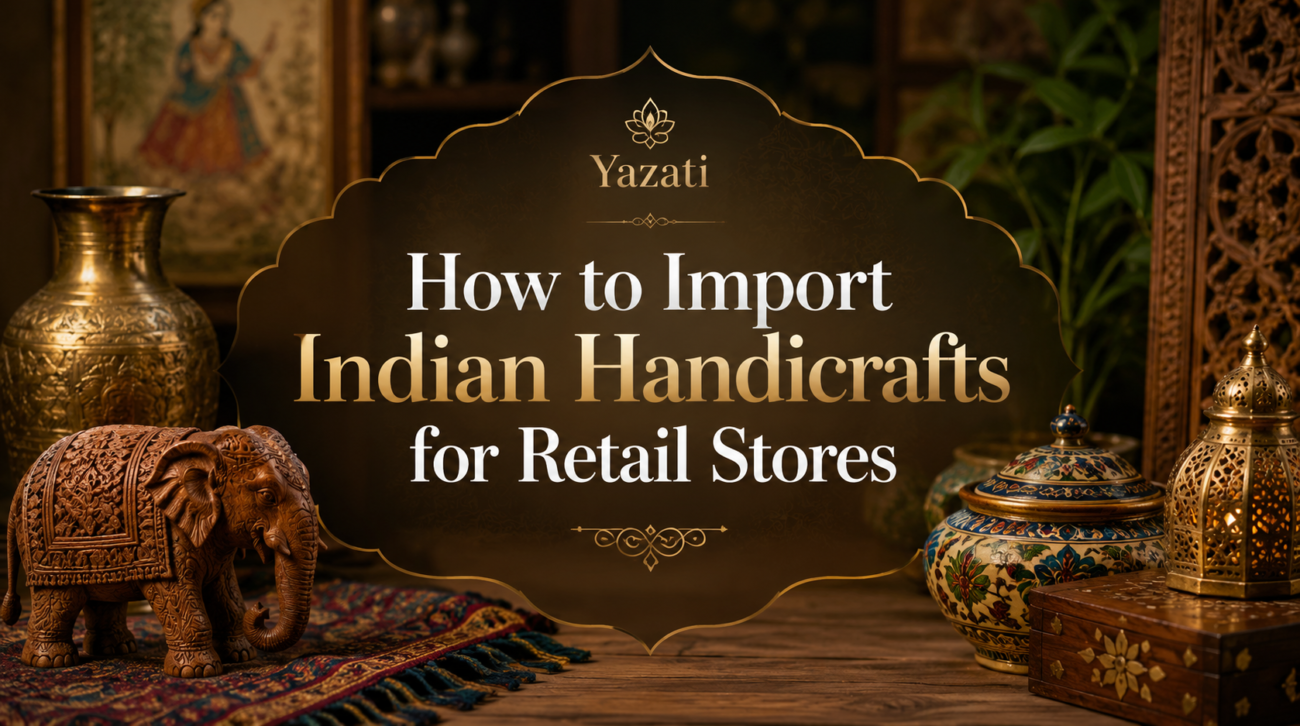
The global demand for authentic, handcrafted products continues to rise as consumers seek unique items that tell a story. For retail store owners, importing Indian handicrafts presents an exciting opportunity to offer distinctive merchandise while benefiting from competitive sourcing costs. India is renowned for its centuries-old craftsmanship, producing everything from handwoven textiles and wooden décor to metal art and pottery.
If you’re considering importing Indian handicrafts for your retail business, understanding the sourcing, compliance, logistics, and supplier selection process is essential. Platforms like Netyex (https://netyex.com/) help retailers connect with verified Indian manufacturers and exporters, simplifying the procurement journey.
Why Indian Handicrafts Are Popular Worldwide
Indian handicrafts are admired globally because they combine artistic heritage, skilled craftsmanship, and cultural authenticity.
Key reasons for their popularity include:
- Handmade uniqueness
- Sustainable production methods
- Rich cultural significance
- High perceived value among consumers
- Wide variety of product categories
Today’s customers increasingly prefer products with authenticity and ethical sourcing stories, making Indian handicrafts highly attractive in retail environments.
Understanding the Global Market for Indian Crafts
Consumer Demand Trends
Modern consumers appreciate products that differ from mass-produced alternatives. Handmade home décor, artisanal textiles, and sustainable gift items continue to experience growing demand.
Popular retail segments include:
- Home decoration
- Lifestyle accessories
- Ethical gifting
- Boutique furniture
- Bohemian and artisan-inspired collections
Popular Product Categories
Some of the most successful imported handicraft categories include:
| Category | Examples |
|---|---|
| Home Décor | Wall hangings, lanterns, sculptures |
| Textiles | Rugs, cushion covers, throws |
| Wooden Crafts | Carvings, furniture, trays |
| Metal Crafts | Brass décor, candle holders |
| Pottery | Handmade ceramics and vases |
| Fashion Accessories | Handmade bags and jewelry |
Benefits of Sourcing Directly from India
Importing directly from Indian manufacturers provides several advantages:
Cost Efficiency
Direct sourcing often eliminates multiple intermediaries, resulting in better margins.
Product Authenticity
Working with manufacturers ensures genuine craftsmanship and original designs.
Customization Options
Many Indian suppliers offer:
- Private labeling
- Custom packaging
- Exclusive product designs
- Retail-ready branding
Scalability
Retailers can start with smaller orders and gradually increase volume as demand grows.
Researching Reliable Suppliers
Finding dependable suppliers is one of the most important steps in the import process.
Evaluating Supplier Credentials
Before placing orders, verify:
- Export experience
- Business registration
- Manufacturing capabilities
- Product certifications
- Customer references
Request:
- Product catalogs
- Sample orders
- Factory photographs
- Export documentation history
Quality Control Considerations
Quality consistency is crucial for retail success.
Implement:
- Product inspections
- Sample testing
- Packaging reviews
- Production audits
A structured quality assurance process minimizes costly returns and customer dissatisfaction.
Using Netyex to Connect with Indian Suppliers
One of the easiest ways to begin sourcing is through Netyex.
Why Choose Netyex?
Netyex (https://netyex.com/) helps international buyers discover and connect with Indian exporters, manufacturers, and sourcing partners.
Benefits include:
- Access to Indian suppliers
- Simplified sourcing process
- Business networking opportunities
- Product discovery across multiple categories
- Direct communication with manufacturers
For retail businesses seeking authentic handicrafts, Netyex serves as a valuable platform for identifying sourcing opportunities and building supplier relationships.
Choosing the Right Handicraft Products
Not all handicrafts perform equally in every retail market.
Home Décor
Home décor remains one of the strongest categories.
Popular products:
- Decorative mirrors
- Wall art
- Lanterns
- Candle holders
- Handcrafted sculptures
Textiles and Fabrics
Indian textiles enjoy global recognition.
Examples include:
Wooden and Metal Crafts
Wooden and metal handicrafts often attract customers seeking premium décor.
Examples:
- Carved boxes
- Brass figurines
- Decorative trays
- Rustic furniture accents
Import Regulations and Documentation
Understanding import requirements helps prevent delays and unexpected costs.
Customs Requirements
Common documentation includes:
- Commercial invoice
- Packing list
- Bill of lading
- Certificate of origin
- Import permits (if applicable)
Always consult customs authorities in your destination country.
Product Certifications
Depending on product type, certifications may be required regarding:
- Material composition
- Safety standards
- Sustainability claims
- Packaging regulations
Shipping and Logistics Planning
Shipping costs directly impact profitability.
Factors to consider:
- Air freight vs. sea freight
- Packaging standards
- Transit times
- Insurance coverage
- Customs clearance procedures
Sea freight is typically more economical for larger shipments, while air freight may suit urgent orders.
Pricing and Profit Margin Calculations
Successful importing requires accurate cost calculations.
Include:
- Product cost
- Packaging cost
- Freight charges
- Import duties
- Customs fees
- Warehousing expenses
- Marketing costs
A comprehensive landed cost analysis ensures healthy retail margins.
Sample Formula
Retail Price = Landed Cost × Desired Markup
Many specialty retailers target markups ranging from 2x to 4x depending on product category and market positioning.
Marketing Imported Handicrafts in Retail Stores
Once products arrive, effective merchandising becomes essential.
Strategies include:
Storytelling
Share information about:
- Artisan communities
- Traditional craftsmanship
- Cultural significance
- Sustainable production methods
Visual Merchandising
Create themed displays that showcase handcrafted collections together.
Online Promotion
Use:
- Social media campaigns
- Product videos
- Artisan stories
- Email marketing
These approaches help increase perceived value and customer engagement.
For sourcing inspiration and supplier discovery, retailers can also explore Netyex at https://netyex.com/.
Common Challenges and Solutions
| Challenge | Solution |
|---|---|
| Quality inconsistencies | Conduct inspections |
| Shipping delays | Plan inventory ahead |
| Supplier communication issues | Establish clear contracts |
| Customs complications | Work with experienced brokers |
| Product damage | Improve packaging standards |
Proactive planning significantly reduces operational risks.
Future Opportunities in the Handicrafts Industry
Several trends indicate strong growth potential:
- Sustainable consumer purchasing
- Handmade product demand
- Ethical sourcing preferences
- Artisan-focused retail concepts
- Cross-border eCommerce expansion
Retailers that establish reliable sourcing channels today may benefit from long-term market growth.
Frequently Asked Questions
1. Is importing Indian handicrafts profitable?
Yes. Many retailers achieve strong margins due to relatively low sourcing costs and high consumer demand for handcrafted products.
2. How can I find trustworthy Indian handicraft suppliers?
You can research exporters directly or use sourcing and networking platforms such as Netyex to identify potential supplier partners.
3. What is the minimum order quantity for handicrafts?
Minimum order quantities vary by supplier and product category. Some manufacturers accommodate small retail orders.
4. Do I need import licenses?
Requirements depend on your country and product type. Always verify regulations with local authorities.
5. Which handicraft categories sell best?
Home décor, textiles, wooden crafts, metal art, and artisan gifts consistently perform well in retail markets.
6. Why should retailers consider Netyex?
Netyex provides a platform that helps buyers discover Indian suppliers, explore product opportunities, and establish sourcing relationships more efficiently.
Conclusion
Importing Indian handicrafts can be an excellent strategy for retail stores seeking unique, culturally rich, and high-margin products. Success depends on selecting reliable suppliers, maintaining quality standards, understanding import regulations, and building an effective retail marketing strategy.
For retailers looking to simplify supplier discovery and connect with Indian manufacturers, Netyex offers a practical starting point. By leveraging sourcing platforms such as https://netyex.com/ and implementing strong import practices, businesses can build a profitable and sustainable handicraft retail operation.
✨ Discover Global Sourcing Excellence with Netyex ✨
Netyex is your trusted B2B sourcing partner, connecting international buyers with India’s finest manufacturers and curated product lines—from handicrafts and home décor to kitchenware, textiles, hospitality essentials, and more. With verified suppliers and end-to-end support, we make global procurement seamless, reliable, and efficient.
👉 Elevate your sourcing experience—explore Netyex today.
📦 Bulk orders & customisation | 🌍 Worldwide delivery | 🤝 Trusted by global buyers
Visit Netyex to source premium Indian products with confidence.