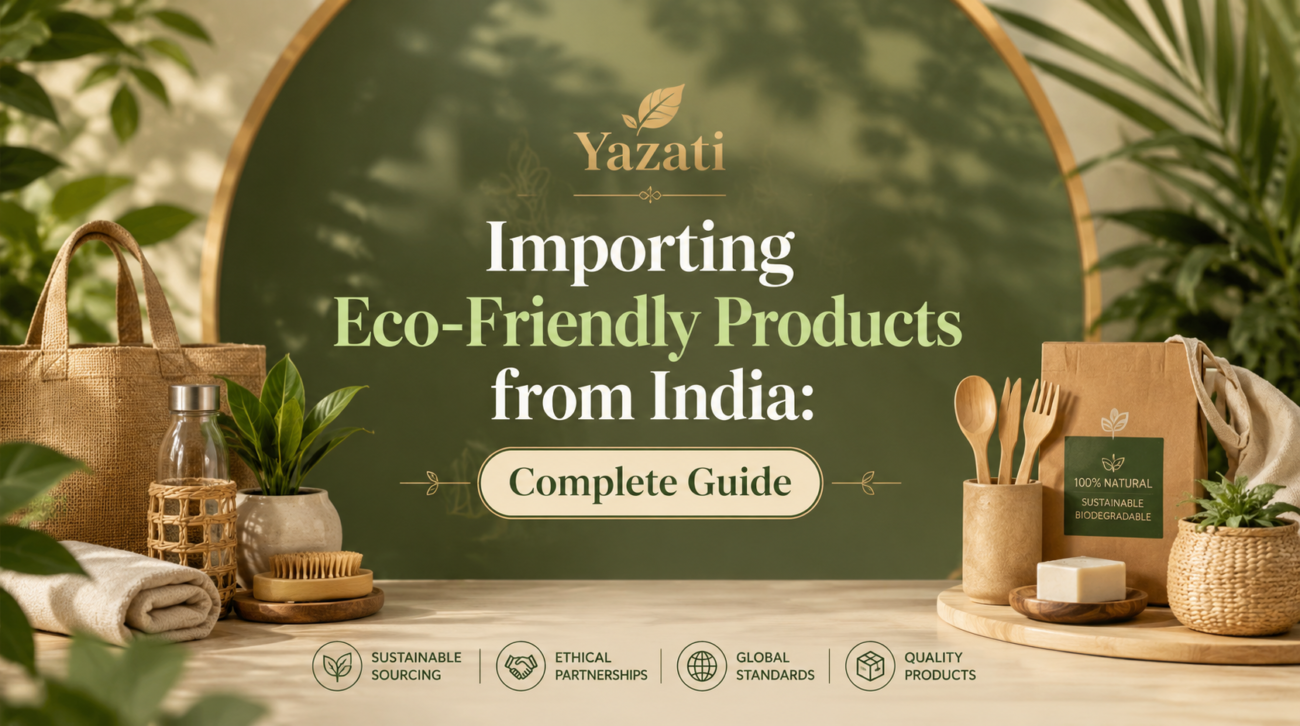
The global demand for environmentally responsible products is growing faster than ever. Businesses and consumers alike are actively seeking sustainable alternatives to traditional goods. As a result, Importing Eco-Friendly Products from India: Complete Guide has become an important topic for entrepreneurs, wholesalers, retailers, and e-commerce sellers worldwide.
India has emerged as one of the leading suppliers of eco-friendly products thanks to its rich natural resources, skilled artisans, sustainable manufacturing practices, and competitive pricing. From organic cotton textiles and bamboo products to biodegradable packaging and handmade crafts, India offers a vast range of sustainable products suitable for international markets.
This guide explains everything you need to know about importing eco-friendly products from India successfully.
Introduction to Sustainable Imports from India
Sustainable importing involves sourcing products that minimize environmental impact throughout their lifecycle. These products are manufactured using renewable materials, ethical labor practices, environmentally friendly production methods, and recyclable or biodegradable packaging.
India’s commitment to sustainability has created significant opportunities for international buyers looking to build environmentally responsible businesses.
Why India Is a Global Hub for Eco-Friendly Products
Growing Demand for Sustainable Goods
Consumers increasingly prioritize sustainability when making purchasing decisions. Businesses that offer eco-friendly products often enjoy:
- Stronger brand loyalty
- Higher customer trust
- Premium pricing opportunities
- Better regulatory compliance
- Enhanced corporate responsibility
India’s Manufacturing Advantages
India offers several benefits for importers:
- Abundant natural raw materials
- Skilled artisan workforce
- Competitive labor costs
- Established export infrastructure
- Diverse product range
- Government support for exports
These advantages make India a preferred sourcing destination for sustainable products.
Understanding Eco-Friendly Product Categories
Before importing, it’s essential to understand the major categories available.
Organic Textiles
India is one of the world’s largest producers of organic cotton. Popular textile imports include:
- Organic cotton clothing
- Sustainable bedding
- Reusable fabric bags
- Eco-friendly home furnishings
Handcrafted Products
Traditional Indian artisans create beautiful products using sustainable methods.
Examples include:
- Handmade paper
- Wooden crafts
- Natural fiber baskets
- Coconut shell products
Natural Personal Care Products
Growing wellness markets have increased demand for:
- Herbal soaps
- Essential oils
- Natural skincare
- Ayurvedic products
Reusable Household Items
Popular imports include:
- Bamboo toothbrushes
- Stainless steel straws
- Reusable containers
- Cloth shopping bags
Sustainable Packaging Solutions
Businesses increasingly seek:
- Compostable packaging
- Recycled paper products
- Biodegradable mailers
- Plant-based packaging materials
Benefits of Importing Eco-Friendly Products from India
Importers gain several advantages:
| Benefit | Description |
|---|---|
| Cost Efficiency | Competitive production costs |
| Product Variety | Wide selection of sustainable goods |
| Skilled Craftsmanship | High-quality handmade products |
| Ethical Sourcing | Strong artisan and cooperative networks |
| Market Demand | Increasing consumer preference for sustainability |
Additionally, eco-friendly products often help businesses differentiate themselves in crowded markets.
Researching International Market Demand
Successful importing begins with market research.
Identifying Profitable Niches
Consider niches such as:
- Zero-waste living
- Sustainable fashion
- Organic wellness
- Eco-friendly home décor
- Green office supplies
Consumer Preferences and Trends
Research factors including:
- Popular product materials
- Environmental certifications
- Pricing expectations
- Packaging preferences
- Regional sustainability trends
Industry reports and organizations like the World Trade Organization (WTO) and International Trade Centre (ITC) provide valuable insights.
External Resource: https://www.intracen.org
Finding Reliable Indian Suppliers
Selecting the right supplier is one of the most important steps.
Trade Shows and Exhibitions
Major Indian trade events help buyers meet manufacturers directly.
Examples include:
- Sustainable product expos
- Textile fairs
- Organic product exhibitions
- Handicraft trade shows
B2B Marketplaces
Popular sourcing platforms include:
- IndiaMART
- TradeIndia
- Alibaba
- Global Sources
Direct Manufacturer Sourcing
Working directly with manufacturers often provides:
- Better pricing
- Improved communication
- Greater customization
- Better quality control
Verifying Supplier Credentials
Never rely solely on online listings.
Certifications and Compliance
Request documentation such as:
- Business registration
- Export licenses
- Product certifications
- Factory compliance reports
Factory Audits
A factory audit evaluates:
- Production capacity
- Labor conditions
- Environmental practices
- Quality management systems
Third-party inspection agencies can perform these audits.
Important Eco-Friendly Certifications
Certifications help verify sustainability claims.
| Certification | Purpose |
|---|---|
| GOTS | Organic textile certification |
| Fair Trade | Ethical labor standards |
| FSC | Sustainable forestry |
| OEKO-TEX | Textile safety standards |
| USDA Organic | Organic agricultural products |
| ISO 14001 | Environmental management |
Buyers should understand which certifications are required in their destination markets.
Understanding Export and Import Regulations
Indian Export Requirements
Exporters generally need:
- Import Export Code (IEC)
- Commercial invoice
- Packing list
- Certificate of origin
- Shipping documentation
Destination Country Import Rules
Import regulations vary by country and may involve:
- Product testing
- Labeling requirements
- Customs duties
- Safety certifications
- Environmental compliance standards
Always verify current requirements before placing orders.
Pricing, MOQ, and Negotiation Strategies
Most suppliers establish:
- Minimum Order Quantities (MOQ)
- Tiered pricing structures
- Sample fees
- Production lead times
Effective negotiation strategies include:
- Comparing multiple suppliers.
- Ordering samples first.
- Negotiating annual volume discounts.
- Discussing long-term partnerships.
- Clarifying payment terms upfront.
Quality Control and Product Inspection
Quality issues can significantly impact profitability.
Recommended quality control measures include:
Pre-Production Inspection
Verifies raw materials and manufacturing readiness.
During Production Inspection
Identifies problems before completion.
Pre-Shipment Inspection
Confirms product quality before shipment.
Laboratory Testing
Ensures compliance with destination market standards.
A strong inspection process reduces risks and protects your brand reputation.
Shipping and Logistics Management
Choosing the right shipping method affects costs and delivery times.
Sea Freight
Advantages:
- Lower cost
- Suitable for large shipments
- Environmentally efficient
Disadvantages:
- Longer transit times
Air Freight
Advantages:
- Fast delivery
- Lower inventory holding costs
Disadvantages:
- Higher shipping expenses
Many importers use sea freight for bulk orders and air freight for urgent shipments.
Customs Clearance Process
Customs clearance generally includes:
- Documentation review
- Duty assessment
- Product inspection
- Tax payment
- Release authorization
Working with experienced customs brokers can simplify the process and prevent delays.
Sustainable Packaging and Branding
Eco-conscious consumers evaluate packaging as carefully as products.
Best practices include:
- Recyclable materials
- Minimal packaging
- Soy-based inks
- Compostable fillers
- Clear sustainability messaging
Strong sustainable branding helps increase customer loyalty and perceived value.
Risk Management for Importers
Common risks include:
- Supplier reliability issues
- Product quality concerns
- Shipping delays
- Regulatory changes
- Currency fluctuations
Risk reduction strategies:
- Diversify suppliers
- Use inspection services
- Purchase cargo insurance
- Maintain safety stock
- Monitor regulatory updates
A proactive approach minimizes costly disruptions.
Building Long-Term Supplier Relationships
Strong supplier relationships create competitive advantages.
Key practices include:
- Consistent communication
- Timely payments
- Clear expectations
- Collaborative product development
- Regular supplier evaluations
Long-term partnerships often lead to better pricing, priority production schedules, and improved quality.
Future Trends in Eco-Friendly Imports
Several trends are shaping the future:
Circular Economy Products
Products designed for reuse and recycling continue gaining popularity.
Carbon-Neutral Supply Chains
Businesses increasingly measure and reduce emissions.
Plant-Based Materials
Alternatives to plastic are expanding rapidly.
Digital Supply Chain Transparency
Consumers expect visibility into sourcing practices.
Ethical Manufacturing Verification
Third-party verification is becoming increasingly important.
Importers who adapt early may gain significant market advantages.
Frequently Asked Questions
1. What are the most popular eco-friendly products imported from India?
Organic textiles, bamboo products, handmade crafts, natural skincare products, reusable household goods, and biodegradable packaging are among the most popular imports.
2. How can I verify an Indian supplier’s credibility?
Verify business registration, export licenses, certifications, customer references, factory audits, and third-party inspection reports.
3. Are eco-friendly products more expensive to import?
Some products have higher production costs, but growing demand often allows for premium pricing and stronger profit margins.
4. Which certifications are important for sustainable imports?
GOTS, Fair Trade, FSC, OEKO-TEX, USDA Organic, and ISO 14001 are among the most recognized certifications.
5. What shipping method is best for importing eco-friendly products?
Sea freight is generally preferred for large shipments due to lower costs and reduced environmental impact.
6. How can small businesses start importing from India?
Start with small orders, request samples, verify suppliers carefully, understand import regulations, and work with experienced freight forwarders.
7. Is India a reliable source for sustainable products?
Yes. India has a mature export ecosystem, extensive manufacturing capabilities, and a strong tradition of sustainable production across many industries.
Conclusion
Importing Eco-Friendly Products from India: Complete Guide demonstrates why India remains one of the world’s most attractive sourcing destinations for sustainable goods. With its extensive manufacturing base, skilled workforce, rich natural resources, and growing commitment to environmentally responsible production, India offers importers exceptional opportunities.
Success depends on careful supplier selection, thorough quality control, regulatory compliance, effective logistics planning, and strong supplier relationships. By following the strategies outlined in this guide, businesses can build profitable and sustainable import operations while meeting the growing global demand for eco-friendly products.
✨ Discover Global Sourcing Excellence with Netyex ✨
Netyex is your trusted B2B sourcing partner, connecting international buyers with India’s finest manufacturers and curated product lines—from handicrafts and home décor to kitchenware, textiles, hospitality essentials, and more. With verified suppliers and end-to-end support, we make global procurement seamless, reliable, and efficient.
👉 Elevate your sourcing experience—explore Netyex today.
📦 Bulk orders & customisation | 🌍 Worldwide delivery | 🤝 Trusted by global buyers
Visit Netyex to source premium Indian products with confidence.