Introduction to India’s Handicraft Industry
India has long been recognized as one of the world’s most influential centers for handmade products. The country’s handicraft sector combines centuries-old traditions, artistic excellence, and cultural diversity to produce unique items that appeal to consumers across the globe.
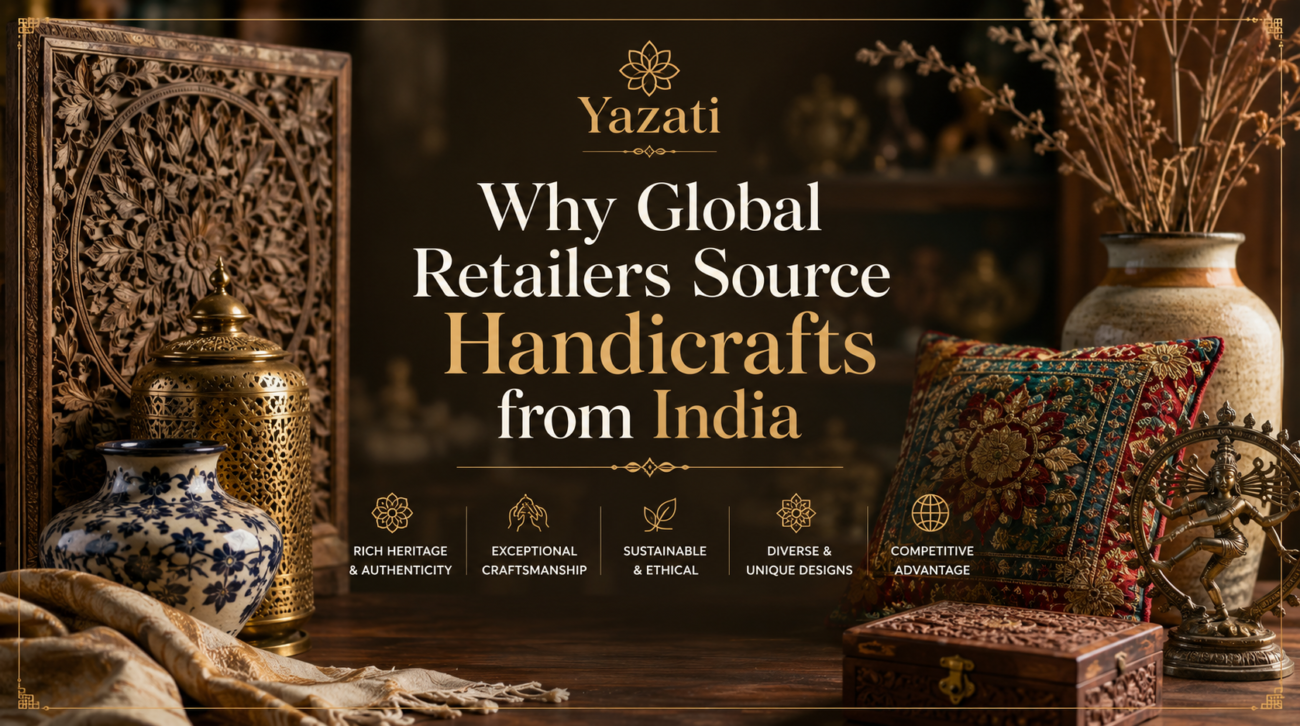
Today, international retailers, wholesalers, and importers increasingly seek authentic handmade products that tell a story. This growing demand explains Why Global Retailers Source Handicrafts from India more than ever before. From luxurious home décor pieces to intricately designed textiles, Indian artisans create products that blend tradition with modern market preferences.
The Indian handicraft industry supports millions of artisans and contributes significantly to export earnings. According to industry reports and export organizations, handcrafted goods from India are shipped to numerous countries, including the United States, the United Kingdom, Germany, Australia, and the United Arab Emirates.
Historical Legacy of Indian Handicrafts
Ancient Trade Routes and Cultural Influence
Indian handicrafts have been traded internationally for thousands of years. Historical records show that Indian textiles, jewelry, pottery, and decorative arts traveled through ancient trade routes connecting Asia, Europe, Africa, and the Middle East.
Merchants valued Indian products for their quality, uniqueness, and craftsmanship. This historical reputation continues to influence purchasing decisions today.
Evolution of Craftsmanship Across Generations
Many Indian artisans inherit their skills from previous generations. Families often preserve specialized techniques that have remained unchanged for centuries.
This continuity ensures that traditional craftsmanship survives while adapting to modern consumer tastes and international market demands.
What Makes Indian Handicrafts Unique?
Handmade Excellence and Attention to Detail
Unlike mass-produced factory items, Indian handicrafts are often created by hand. Every piece reflects the artisan’s expertise, patience, and creativity.
Key benefits include:
- Unique product characteristics
- Superior detailing
- Authentic cultural value
- Limited production runs
- Personalized artistic expression
These qualities are highly attractive to retailers looking to differentiate their product offerings.
Regional Diversity in Designs and Techniques
India’s cultural diversity creates a vast range of handicraft styles.
| Region | Specialty |
|---|---|
| Rajasthan | Blue pottery, wooden crafts, textiles |
| Kashmir | Pashmina, papier-mâché, carpets |
| Gujarat | Embroidery, beadwork, mirror work |
| Uttar Pradesh | Brassware, glassware, wood carving |
| West Bengal | Terracotta, jute products |
This diversity allows retailers to source products for multiple customer segments from a single country.
Why Global Retailers Source Handicrafts from India
Competitive Manufacturing Costs
One of the primary reasons behind Why Global Retailers Source Handicrafts from India is cost efficiency.
India offers:
- Affordable labor costs
- Strong artisan networks
- Efficient supply chains
- Competitive export pricing
Retailers can often achieve higher profit margins while maintaining product quality.
Skilled Artisan Workforce
India is home to millions of highly skilled artisans specializing in various crafts.
Their expertise includes:
- Hand weaving
- Metal engraving
- Stone carving
- Woodworking
- Embroidery
- Pottery
Such specialization enables retailers to source highly customized products.
Wide Product Variety
Retailers appreciate India’s ability to supply a broad assortment of products.
Examples include:
- Furniture
- Home accessories
- Decorative items
- Textiles
- Gifts
- Fashion accessories
- Festival decorations
This variety simplifies sourcing and inventory management.
Popular Handicraft Categories Exported Worldwide
Home Décor and Furnishings
Global demand for unique home décor continues to rise.
Popular exports include:
- Wall hangings
- Decorative mirrors
- Handmade lamps
- Wooden furniture
- Candle holders
Consumers increasingly seek handcrafted products that add personality to living spaces.
Textiles and Embroidered Products
Indian textiles enjoy worldwide recognition for their beauty and quality.
Popular categories include:
- Cushion covers
- Bed linens
- Scarves
- Table runners
- Handwoven fabrics
These products often feature intricate embroidery and traditional patterns.
Wooden, Metal, and Stone Crafts
Indian artisans excel in creating decorative and functional items using natural materials.
Examples include:
- Brass figurines
- Marble inlay products
- Wooden carvings
- Metal lanterns
- Stone sculptures
Jewelry and Fashion Accessories
Fashion retailers frequently source handmade accessories from India.
Popular products include:
- Beaded jewelry
- Silver ornaments
- Handmade bags
- Fashion scarves
- Hair accessories
Sustainability and Ethical Sourcing Advantages
Eco-Friendly Materials
Sustainability has become a major factor in retail purchasing decisions.
Many Indian handicrafts utilize:
- Bamboo
- Jute
- Recycled metal
- Organic cotton
- Natural dyes
These environmentally friendly materials appeal to eco-conscious consumers.
Fair Trade and Artisan Empowerment
Many exporters work with artisan communities under ethical sourcing programs.
Benefits include:
- Fair wages
- Community development
- Women’s empowerment
- Skill preservation
- Sustainable livelihoods
Retailers increasingly value these social impact benefits.
Quality Standards and Export Capabilities
International Compliance and Certifications
Leading Indian exporters maintain strict quality standards.
Common practices include:
- Product inspections
- Quality assurance systems
- Packaging compliance
- Export documentation management
These processes help meet international buyer expectations.
Modern Manufacturing Support
Although handicrafts are handmade, many exporters use modern infrastructure for:
- Warehousing
- Inventory control
- Packaging
- Shipping logistics
- Quality management
This combination of tradition and technology enhances reliability.
Key Indian Handicraft Export Hubs
Rajasthan
Known for colorful handicrafts, furniture, textiles, and decorative products.
Uttar Pradesh
A major center for brassware, glass products, and wooden handicrafts.
Gujarat
Famous for embroidery, handcrafted textiles, and artisan accessories.
Kashmir
Globally recognized for luxury handmade carpets, shawls, and papier-mâché products.
Government Support for Handicraft Exports
Export Promotion Councils
Organizations such as the Export Promotion Council for Handicrafts help promote Indian handicrafts globally.
Their initiatives include:
- International trade fairs
- Buyer-seller meetings
- Export assistance
- Market development programs
For more information, retailers can explore resources from the Export Promotion Council for Handicrafts and official government export portals.
Financial and Training Initiatives
Government programs support artisans through:
- Skill development
- Design innovation
- Financial assistance
- Digital marketing initiatives
- Export readiness training
Challenges and Opportunities in Global Markets
Competition from Machine-Made Products
Handcrafted products often compete with cheaper factory-made alternatives.
Challenges include:
- Price sensitivity
- Fast production cycles
- Mass-market competition
However, consumers increasingly value authenticity over uniformity.
Rising Demand for Authentic Handmade Goods
Modern buyers seek products with:
- Cultural significance
- Sustainability credentials
- Artisan stories
- Unique designs
This trend presents substantial growth opportunities for Indian exporters.
How Retailers Choose Indian Handicraft Suppliers
Supplier Evaluation Criteria
Retailers commonly assess:
- Product quality
- Production capacity
- Export experience
- Certifications
- Communication capabilities
- Delivery reliability
Quality Assurance Practices
Successful suppliers implement:
- Pre-shipment inspections
- Material testing
- Consistent craftsmanship standards
- Packaging quality controls
These practices reduce buyer risk and strengthen long-term partnerships.
Future Trends in the Indian Handicraft Export Industry
Several trends are expected to drive growth:
- Increased online wholesale sourcing
- Greater demand for sustainable products
- Expansion of fair-trade purchasing
- Personalized handcrafted goods
- Growth in luxury artisan collections
Technology will further connect Indian artisans with global buyers while preserving traditional craftsmanship.
Frequently Asked Questions
1. Why are Indian handicrafts popular worldwide?
Indian handicrafts are valued for their authenticity, craftsmanship, cultural richness, and unique designs that cannot be easily replicated by machines.
2. Which countries import the most handicrafts from India?
Major importers include the United States, the United Kingdom, Germany, Australia, Canada, and several Middle Eastern countries.
3. Are Indian handicrafts sustainable?
Many Indian handicrafts use eco-friendly materials, traditional techniques, and ethical production methods, making them attractive to sustainability-focused retailers.
4. What types of handicrafts does India export?
India exports textiles, home décor, wooden crafts, metalware, jewelry, carpets, pottery, and numerous artisan-made products.
5. How do retailers ensure product quality when sourcing from India?
Retailers typically conduct supplier audits, quality inspections, sample approvals, and compliance checks before placing large orders.
6. Is India a cost-effective sourcing destination for handicrafts?
Yes. India’s skilled workforce, extensive artisan network, and efficient export infrastructure make it a highly competitive sourcing destination.
Conclusion
Understanding Why Global Retailers Source Handicrafts from India requires looking at the unique combination of heritage, craftsmanship, affordability, diversity, and sustainability that India offers. Few countries can match the scale, authenticity, and cultural richness of India’s handicraft industry.
As consumer demand for ethical, handmade, and meaningful products continues to grow, Indian handicrafts are likely to remain a preferred choice for retailers worldwide. With strong government support, a vast artisan workforce, and increasing global appreciation for handcrafted goods, India is well-positioned to strengthen its role as a leading global sourcing destination for years to come.
✨ Discover Global Sourcing Excellence with Netyex ✨
Netyex is your trusted B2B sourcing partner, connecting international buyers with India’s finest manufacturers and curated product lines—from handicrafts and home décor to kitchenware, textiles, hospitality essentials, and more. With verified suppliers and end-to-end support, we make global procurement seamless, reliable, and efficient.
👉 Elevate your sourcing experience—explore Netyex today.
📦 Bulk orders & customisation | 🌍 Worldwide delivery | 🤝 Trusted by global buyers
Visit Netyex to source premium Indian products with confidence.