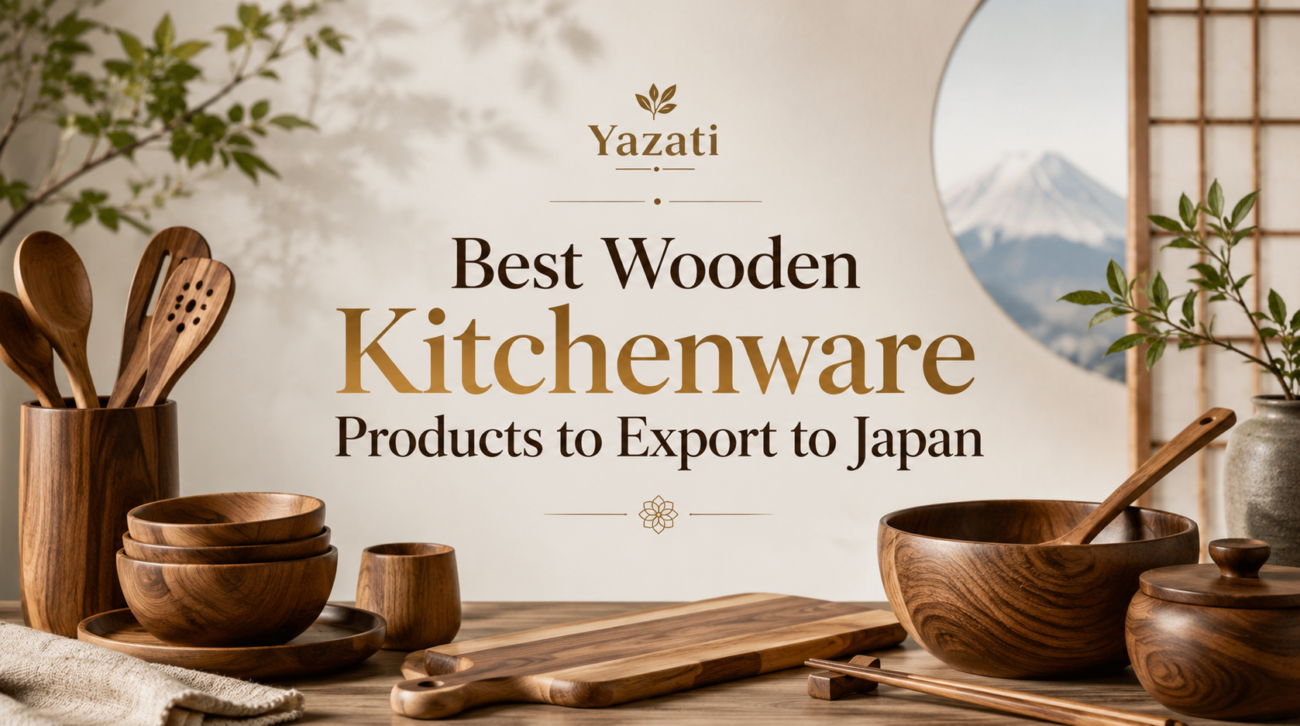
Japan represents one of the world’s most sophisticated markets for kitchenware products. The country’s deep appreciation for craftsmanship, sustainability, and natural materials makes it an excellent destination for exporters specializing in wooden kitchenware. As consumers increasingly seek eco-friendly alternatives to plastic products, wooden kitchenware has gained significant popularity across Japanese households, restaurants, and specialty retail stores.
This guide explores the Best Wooden Kitchenware Products to Export to Japan, helping manufacturers, exporters, and entrepreneurs identify profitable opportunities in this growing market.
Why Japan Is an Attractive Market for Wooden Kitchenware
Japan has a long-standing tradition of using wood in everyday life. From traditional kitchens to modern dining spaces, wooden products are associated with warmth, quality, and sustainability.
Several factors contribute to strong demand:
- Growing environmental awareness
- Preference for natural materials
- Expanding premium kitchenware market
- Popularity of minimalist home décor
- Demand for handcrafted and artisanal products
Japanese consumers often prioritize quality over price, making the market particularly attractive for premium wooden kitchenware exporters.
Understanding Japanese Consumer Preferences
Sustainability and Eco-Friendly Trends
Japanese consumers are increasingly concerned about environmental sustainability. Products made from responsibly sourced wood attract significant interest.
Eco-friendly certifications and sustainable forestry practices can become powerful selling points when marketing wooden kitchenware.
Preference for Natural Materials
Wood offers a natural aesthetic that aligns perfectly with Japanese design principles such as simplicity, harmony, and functionality.
Products featuring:
- Smooth finishes
- Natural grain patterns
- Minimalist designs
- Long-lasting durability
often perform exceptionally well.
Key Export Requirements for Wooden Kitchenware
Quality Standards
Japanese importers demand:
- High-quality craftsmanship
- Consistent dimensions
- Smooth surfaces
- Splinter-free finishing
- Food-safe coatings
Even minor defects can affect acceptance rates.
Packaging Expectations
Packaging is extremely important in Japan.
Successful exporters typically use:
- Premium gift-ready packaging
- Recyclable materials
- Detailed product information
- Attractive branding
- Protective packaging for transport
Best Wooden Kitchenware Products to Export to Japan
1. Wooden Chopsticks
Wooden chopsticks remain one of the strongest-selling wooden kitchen products in Japan.
Popular varieties include:
- Bamboo chopsticks
- Hardwood chopsticks
- Lacquered chopsticks
- Gift-set chopsticks
Premium handcrafted chopsticks command higher prices and appeal to gift buyers.
2. Wooden Cutting Boards
Japanese households increasingly favor wooden cutting boards because they are knife-friendly and visually appealing.
Preferred characteristics:
- Antibacterial wood species
- Durable hardwood construction
- Compact kitchen-friendly sizes
- Elegant finishing
3. Wooden Serving Trays
Serving trays fit perfectly into Japanese hospitality culture.
Popular styles include:
- Tea-serving trays
- Breakfast trays
- Minimalist serving boards
- Traditional wooden trays
These products are widely sold in home décor and kitchenware stores.
4. Wooden Rice Paddles (Shamoji)
Rice paddles are an essential kitchen tool in Japan.
Exporters can target:
- Traditional rice paddles
- Premium hardwood paddles
- Decorative gift versions
- Sustainable bamboo alternatives
5. Wooden Salad Bowls
Modern Japanese consumers appreciate wooden salad bowls for both functionality and aesthetics.
Key selling features:
- Lightweight construction
- Elegant grain patterns
- Food-safe coatings
- Natural appearance
6. Wooden Spoons and Ladles
Wooden spoons provide a softer alternative to metal utensils.
Popular products include:
- Soup spoons
- Serving spoons
- Cooking spoons
- Ladles
Handcrafted versions often attract premium buyers.
7. Wooden Bento Accessories
Bento culture remains deeply rooted in Japan.
Opportunities include:
- Wooden dividers
- Bento serving utensils
- Small wooden containers
- Lunch box accessories
8. Wooden Coasters
Wooden coasters are affordable yet highly marketable products.
Benefits include:
- Low shipping cost
- Gift potential
- Easy customization
- Wide consumer appeal
9. Wooden Tea Trays
Tea culture creates ongoing demand for wooden tea accessories.
Japanese buyers appreciate:
- Elegant craftsmanship
- Traditional aesthetics
- Compact designs
- Premium wood species
10. Wooden Mortar and Pestle Sets
These products are widely used for preparing spices, herbs, and sauces.
Premium handcrafted designs often sell well in specialty kitchen stores.
11. Wooden Spice Containers
Natural wooden spice containers appeal to consumers seeking sustainable kitchen organization solutions.
Features buyers prefer:
- Airtight lids
- Minimalist design
- Natural wood texture
12. Wooden Utensil Holders
Kitchen organization products continue gaining popularity.
Wooden utensil holders offer:
- Eco-friendly appeal
- Attractive countertop display
- Practical functionality
13. Wooden Cheese Boards
Western-style dining trends have increased demand for cheese and charcuterie boards.
Premium hardwood boards are particularly attractive in upscale retail channels.
14. Wooden Sushi Serving Boards
Sushi presentation remains a major market opportunity.
Consumers and restaurants frequently purchase:
- Sushi serving boards
- Wooden sushi platters
- Traditional presentation trays
15. Wooden Cooking Utensil Sets
Complete sets often achieve higher order values.
Typical sets include:
- Spatulas
- Cooking spoons
- Tongs
- Ladles
Gift packaging further increases appeal.
Popular Wood Types Preferred in Japan
The choice of wood significantly impacts market acceptance.
| Wood Type | Benefits |
|---|---|
| Bamboo | Sustainable and lightweight |
| Beech | Durable and smooth |
| Acacia | Attractive grain patterns |
| Teak | Water-resistant |
| Maple | Elegant appearance |
| Walnut | Premium look |
| Hinoki-inspired finishes | Traditional appeal |
Exporters should prioritize sustainably sourced materials whenever possible.
Packaging and Branding Strategies
Successful brands entering Japan focus on:
Minimalist Packaging
Japanese consumers appreciate clean, elegant designs rather than excessive decoration.
Storytelling
Highlight:
- Artisan craftsmanship
- Sustainable sourcing
- Traditional woodworking techniques
- Product origin
Gift-Ready Presentation
Many kitchenware purchases are intended as gifts, making presentation extremely important.
Pricing Strategy for Japanese Buyers
A common mistake among exporters is competing solely on price.
Instead, emphasize:
- Quality
- Durability
- Sustainability
- Craftsmanship
- Unique design
Japanese buyers are often willing to pay premium prices for superior products.
Finding Importers and Distributors in Japan
Potential sales channels include:
- Specialty kitchenware retailers
- Department stores
- Home décor chains
- Restaurant suppliers
- E-commerce marketplaces
- Gift stores
Useful organizations include:
- Japan External Trade Organization
- Japan Kitchenware Industry Association
For market research and trade opportunities, exporters can also explore the official JETRO website.
Common Export Challenges and Solutions
| Challenge | Solution |
|---|---|
| Strict quality expectations | Implement rigorous quality control |
| Packaging requirements | Invest in premium packaging |
| Cultural preferences | Conduct local market research |
| Product certification | Obtain necessary compliance documents |
| Competition | Focus on differentiation and craftsmanship |
Future Trends in Wooden Kitchenware
Several trends are expected to drive growth:
- Eco-friendly kitchen products
- Plastic-free households
- Handmade kitchenware
- Premium gifting products
- Sustainable sourcing transparency
- Minimalist home design
Exporters that align with these trends are likely to gain a competitive advantage.
Frequently Asked Questions
1. Which wooden kitchenware product has the highest demand in Japan?
Wooden chopsticks, cutting boards, serving trays, rice paddles, and cooking utensil sets consistently rank among the strongest-selling categories.
2. Is bamboo considered wooden kitchenware in Japan?
Yes. Bamboo products are widely accepted and highly valued because of their sustainability and durability.
3. Do Japanese consumers prefer handmade products?
Many consumers appreciate handcrafted products, especially when they showcase traditional craftsmanship and premium quality.
4. What certifications help increase buyer confidence?
Food-safe certifications, sustainable forestry certifications, and quality management certifications can improve market acceptance.
5. What packaging style works best in Japan?
Minimalist, premium-quality, recyclable, and gift-ready packaging typically performs best.
6. Are premium-priced products successful in Japan?
Yes. Japanese consumers often prioritize quality, durability, and craftsmanship over the lowest price.
Conclusion
The market for wooden kitchenware in Japan continues to expand due to growing environmental awareness, appreciation for natural materials, and demand for premium home products. Among the Best Wooden Kitchenware Products to Export to Japan, wooden chopsticks, cutting boards, serving trays, rice paddles, sushi boards, and cooking utensil sets offer particularly strong opportunities.
Exporters that focus on exceptional craftsmanship, sustainable sourcing, elegant packaging, and culturally appropriate designs can build long-term success in the Japanese market. Rather than competing on price alone, emphasizing quality and authenticity will position wooden kitchenware brands for sustainable growth and profitability in Japan.
✨ Discover Global Sourcing Excellence with Netyex ✨
Netyex is your trusted B2B sourcing partner, connecting international buyers with India’s finest manufacturers and curated product lines—from handicrafts and home décor to kitchenware, textiles, hospitality essentials, and more. With verified suppliers and end-to-end support, we make global procurement seamless, reliable, and efficient.
👉 Elevate your sourcing experience—explore Netyex today.
📦 Bulk orders & customisation | 🌍 Worldwide delivery | 🤝 Trusted by global buyers
Visit Netyex to source premium Indian products with confidence.