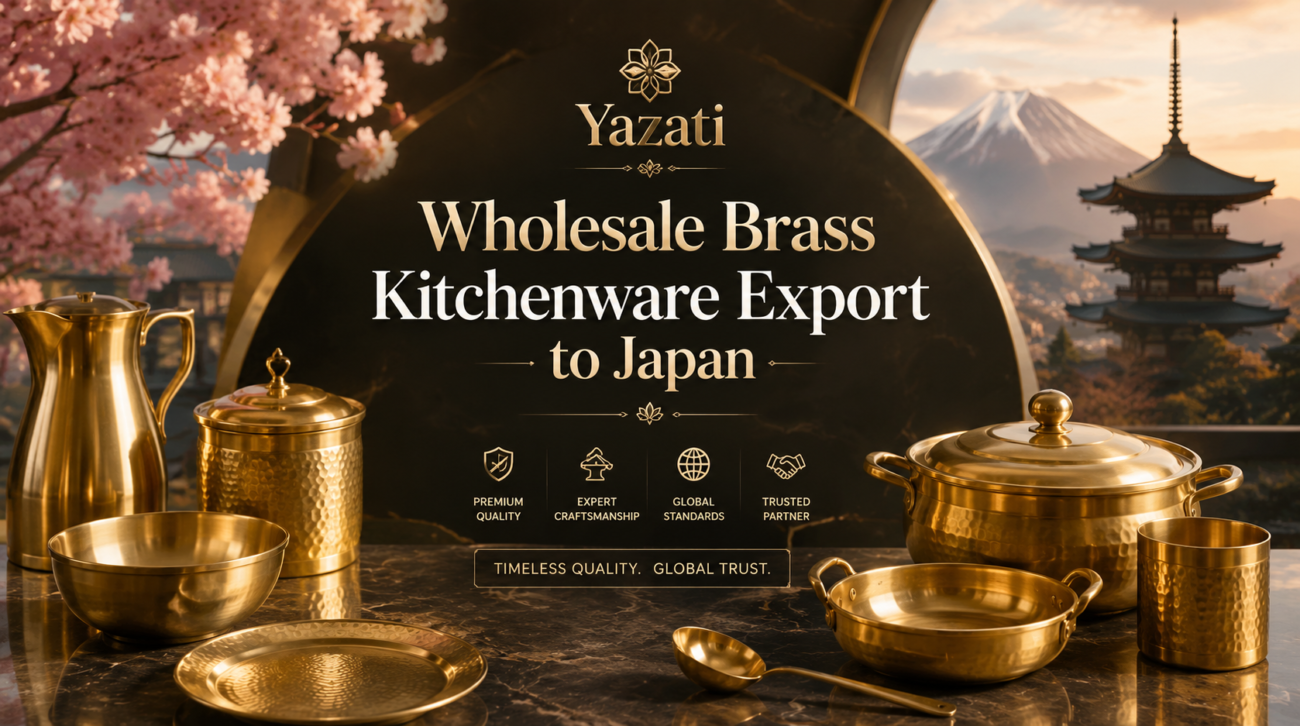
Introduction to Wholesale Brass Kitchenware Export to Japan
The business of Wholesale Brass Kitchenware Export to Japan is becoming increasingly attractive for manufacturers and exporters worldwide. Japan is known for its appreciation of high-quality craftsmanship, durable materials, and aesthetically pleasing household products. Brass kitchenware fits perfectly into these preferences, making it a promising export category.
Exporters who understand Japanese consumer expectations, import regulations, and business culture can build profitable long-term partnerships. This guide explores everything you need to know about entering and succeeding in the Japanese market.
Understanding the Japanese Kitchenware Market
Japan has one of the world’s most sophisticated kitchenware markets. Consumers prioritize functionality, durability, hygiene, and elegant design.
Consumer Preferences in Japan
Japanese buyers typically value:
- Premium quality materials
- Traditional craftsmanship
- Minimalist design
- Sustainable production methods
- Long-lasting products
Products that combine practicality with artistic appeal often perform exceptionally well.
Demand for Premium Brass Products
Brass products are increasingly appreciated for their:
- Elegant golden appearance
- Durability
- Corrosion resistance
- Traditional craftsmanship appeal
These characteristics align closely with Japanese purchasing preferences.
Why Brass Kitchenware Is Popular in Japan
Brass has a long history in Japanese culture and interior design. Its distinctive appearance and durability make it desirable in both residential and commercial settings.
Durability and Longevity
Japanese consumers often prioritize products that last for years. Brass kitchenware offers:
- Excellent strength
- Resistance to wear
- Easy maintenance
- Long service life
This durability helps justify premium pricing.
Aesthetic Appeal and Traditional Craftsmanship
Brass complements both modern and traditional Japanese interiors. Its warm metallic finish adds sophistication while preserving a handcrafted appearance.
Market Opportunities for International Exporters
The Japanese market offers substantial opportunities for exporters willing to meet local expectations.
Growing Demand for Imported Kitchenware
Imported kitchenware products continue to attract Japanese consumers seeking unique designs and international craftsmanship.
Several factors drive demand:
| Factor | Impact |
|---|---|
| Premium lifestyle trends | Higher spending on quality goods |
| Gift-giving culture | Demand for luxury kitchenware |
| Home cooking growth | Increased kitchen product purchases |
| Interior design trends | Interest in decorative brass items |
Key Buyer Segments
Potential buyers include:
- Retail chains
- Specialty kitchenware stores
- Interior design boutiques
- Hospitality suppliers
- Online marketplaces
- Luxury gift retailers
Types of Brass Kitchenware Exported to Japan
Brass Utensils
Popular items include:
- Ladles
- Serving spoons
- Tongs
- Measuring cups
- Traditional cooking utensils
Brass Serving Trays
Brass serving trays are widely used in:
- Hotels
- Restaurants
- Tea ceremonies
- Premium home dining
Decorative Kitchen Accessories
Additional products include:
- Fruit bowls
- Spice containers
- Napkin holders
- Storage containers
- Table décor items
Quality Standards and Compliance Requirements
Compliance is essential when exporting to Japan.
Japanese Import Regulations
Exporters should ensure:
- Accurate customs documentation
- Product specifications compliance
- Material safety verification
- Proper tariff classification
Official information can be found through the Japan External Trade Organization (JETRO): https://www.jetro.go.jp
Product Safety Standards
Japanese buyers expect rigorous quality assurance.
Important considerations include:
- Food-contact safety
- Material purity
- Manufacturing consistency
- Surface treatment quality
Quality certifications can significantly improve buyer confidence.
Packaging Requirements for Japanese Buyers
Packaging quality is often considered as important as the product itself.
Sustainable Packaging Trends
Japanese consumers increasingly appreciate:
- Recyclable materials
- Eco-friendly packaging
- Minimal waste
- Premium presentation
Labeling and Documentation
Packaging should clearly display:
- Product information
- Country of origin
- Material specifications
- Care instructions
- Importer details where required
Pricing Strategies for Wholesale Success
Cost Analysis
Exporters should calculate:
- Manufacturing costs
- Packaging expenses
- Freight charges
- Customs duties
- Distribution margins
Competitive Pricing Models
Common approaches include:
- Cost-plus pricing
- Value-based pricing
- Premium positioning
- Volume discount structures
Japanese buyers often focus on value rather than simply choosing the lowest-priced supplier.
Finding Reliable Japanese Buyers
Trade Shows and Exhibitions
Trade exhibitions remain among the best methods for meeting buyers.
Relevant categories include:
- Kitchenware exhibitions
- Gift fairs
- Home décor trade shows
- Hospitality supply expos
Online B2B Marketplaces
Popular channels include:
- Alibaba
- Global Sources
- TradeKey
- JETRO business matching programs
Professional product catalogs and high-quality photography can significantly increase inquiries.
Building Long-Term Relationships with Japanese Importers
Business relationships are extremely important in Japan.
Business Etiquette
Key practices include:
- Punctual communication
- Respectful interactions
- Attention to detail
- Consistent quality delivery
Communication Best Practices
Successful exporters often:
- Respond quickly
- Provide detailed quotations
- Maintain transparency
- Offer reliable after-sales support
Trust is a major factor in securing repeat orders.
Logistics and Shipping Considerations
Sea Freight vs. Air Freight
| Method | Advantages | Best For |
|---|---|---|
| Sea Freight | Lower cost | Large shipments |
| Air Freight | Faster delivery | Urgent orders |
Customs Clearance Process
Prepare:
- Commercial invoice
- Packing list
- Bill of lading
- Certificate of origin
- Compliance documentation
Accurate paperwork minimizes delays.
Marketing Wholesale Brass Kitchenware Export to Japan
Digital Marketing Strategies
Effective methods include:
- SEO-optimized websites
- Japanese-language catalogs
- LinkedIn networking
- B2B email outreach
- Trade portal listings
Catalog and Product Presentation
A strong catalog should include:
- Professional images
- Product dimensions
- Material specifications
- Packaging details
- MOQ information
Common Challenges and Solutions
Regulatory Compliance
Challenge:
Keeping up with changing regulations.
Solution:
Work with experienced customs consultants and trade advisors.
Cultural Differences
Challenge:
Different negotiation styles.
Solution:
Learn Japanese business customs and maintain patience throughout discussions.
Future Trends in the Japanese Kitchenware Industry
Several trends are expected to shape future demand:
- Sustainable manufacturing
- Premium handcrafted products
- Luxury home dining experiences
- Heritage-inspired designs
- Eco-conscious purchasing decisions
Exporters who adapt to these trends can strengthen their market position.
Frequently Asked Questions
1. Is Japan a good market for brass kitchenware exports?
Yes. Japan values premium craftsmanship, durability, and aesthetically appealing kitchen products, making brass kitchenware an attractive category.
2. What certifications are needed for brass kitchenware exports to Japan?
Requirements vary by product type, but quality assurance documentation and food-contact safety compliance are highly recommended.
3. What is the best shipping method for wholesale orders?
Sea freight is usually the most cost-effective for large wholesale shipments, while air freight is suitable for urgent deliveries.
4. How can exporters find Japanese buyers?
Trade fairs, B2B marketplaces, industry associations, and digital marketing campaigns are effective channels.
5. What packaging style do Japanese buyers prefer?
Japanese buyers generally prefer premium, clean, eco-friendly, and detail-oriented packaging.
6. What are the most popular brass kitchenware products in Japan?
Serving trays, utensils, bowls, storage containers, and decorative kitchen accessories are among the most sought-after items.
Conclusion
The opportunity for Wholesale Brass Kitchenware Export to Japan continues to grow as Japanese consumers seek premium, durable, and visually appealing kitchen products. Exporters who focus on exceptional quality, compliance, thoughtful packaging, and strong business relationships can successfully establish themselves in this competitive market. By understanding local preferences and maintaining consistent standards, suppliers can build sustainable export businesses and enjoy long-term growth in Japan’s sophisticated kitchenware sector.
✨ Discover Global Sourcing Excellence with Netyex ✨
Netyex is your trusted B2B sourcing partner, connecting international buyers with India’s finest manufacturers and curated product lines—from handicrafts and home décor to kitchenware, textiles, hospitality essentials, and more. With verified suppliers and end-to-end support, we make global procurement seamless, reliable, and efficient.
👉 Elevate your sourcing experience—explore Netyex today.
📦 Bulk orders & customisation | 🌍 Worldwide delivery | 🤝 Trusted by global buyers
Visit Netyex to source premium Indian products with confidence.