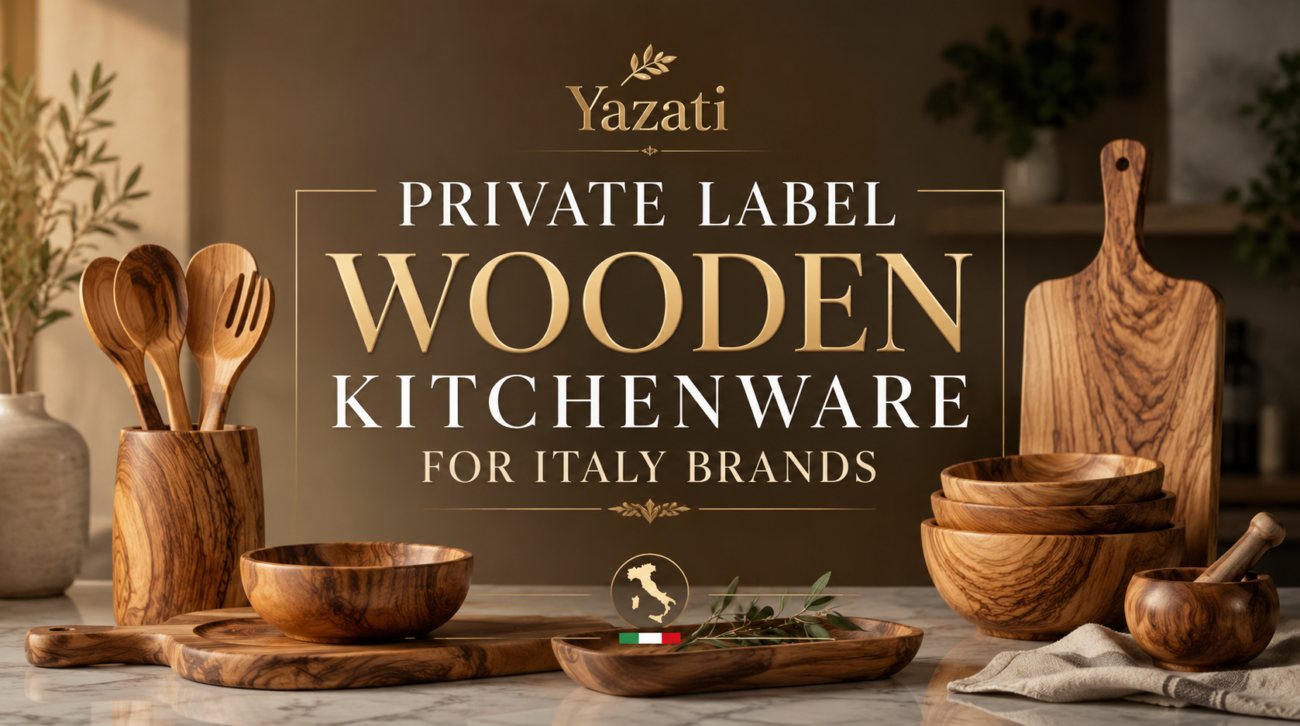
Introduction to Private Label Wooden Kitchenware
The market for Private Label Wooden Kitchenware for Italy Brands is expanding rapidly as consumers seek sustainable, aesthetically pleasing, and durable kitchen products. Italian consumers have long appreciated craftsmanship, quality materials, and elegant home accessories. Wooden kitchenware aligns perfectly with these preferences.
Private labeling allows businesses to sell products under their own brand while outsourcing manufacturing to specialized producers. This approach enables brands to focus on marketing, distribution, and customer relationships without investing heavily in production facilities.
For businesses looking to enter or expand within Italy’s premium kitchenware sector, wooden kitchen products represent an attractive opportunity. They combine functionality, environmental responsibility, and timeless appeal.
Understanding the Italian Kitchenware Market
Italy has one of Europe’s strongest culinary cultures. Cooking is deeply embedded in daily life, making kitchen tools and accessories essential household products.
Consumer Preferences in Italy
Italian consumers often prioritize:
- Product quality over low prices
- Natural and sustainable materials
- Elegant design
- Long-lasting durability
- Authentic craftsmanship
These preferences make wooden kitchenware particularly appealing.
Growing Demand for Sustainable Products
Environmental awareness continues to rise across Europe. Consumers increasingly seek alternatives to plastic kitchen utensils and disposable products.
Wooden kitchenware offers:
- Renewable raw materials
- Biodegradability
- Reduced environmental impact
- Timeless visual appeal
Brands that emphasize sustainability can gain a significant competitive advantage.
Why Choose Wooden Kitchenware
Wood remains one of the most versatile materials for kitchen products.
Environmental Benefits
Wood is a renewable resource when sourced responsibly. Certified forests help ensure long-term sustainability and environmental protection.
Benefits include:
- Lower carbon footprint
- Natural biodegradability
- Reduced plastic consumption
- Sustainable sourcing opportunities
Durability and Functionality
Quality wooden kitchenware can last for years with proper care.
Advantages include:
- Gentle on cookware surfaces
- Heat resistance
- Comfortable handling
- Natural antibacterial properties in certain wood species
These qualities contribute to strong customer satisfaction and repeat purchases.
Types of Wooden Kitchenware Suitable for Private Labeling
A diverse product range helps brands attract different customer segments.
Wooden Spoons and Spatulas
These products remain among the most popular kitchen essentials.
Common options include:
- Cooking spoons
- Slotted spoons
- Flat spatulas
- Mixing paddles
- Salad servers
Cutting Boards
Cutting boards are premium products with excellent branding opportunities.
Popular styles:
- Rectangular boards
- Charcuterie boards
- Engraved serving boards
- Professional chef boards
Serving Trays and Bowls
Serving products combine functionality with decorative appeal.
Examples include:
- Snack trays
- Fruit bowls
- Salad bowls
- Cheese serving sets
Rolling Pins and Specialty Tools
Specialized wooden tools appeal to passionate home cooks and professional chefs alike.
Products include:
- Rolling pins
- Pasta-making tools
- Honey dippers
- Mortar and pestles
Benefits of Private Label Manufacturing
Private labeling offers significant business advantages.
Brand Identity Development
Private labeling enables complete control over:
- Logos
- Product design
- Packaging
- Brand messaging
This helps create a unique market position.
Higher Profit Margins
Exclusive branding typically supports premium pricing.
Benefits include:
| Advantage | Impact |
|---|---|
| Brand Recognition | Higher customer loyalty |
| Product Differentiation | Reduced competition |
| Premium Packaging | Increased perceived value |
| Direct Marketing | Better margins |
Product Customization
Manufacturers often provide:
- Custom dimensions
- Laser engraving
- Unique finishes
- Personalized packaging
Customization helps brands stand out in crowded markets.
Choosing the Right Wood Material
Material selection significantly affects product quality.
Beechwood
Beechwood is widely used because it offers:
- Smooth texture
- Strong durability
- Affordable pricing
- Excellent machining properties
Olive Wood
Olive wood is highly valued in Italy.
Key features:
- Unique grain patterns
- Premium appearance
- Exceptional durability
- Luxury positioning
Acacia Wood
Acacia wood offers:
- Moisture resistance
- Rich natural colors
- Long lifespan
- Sustainable sourcing options
Product Design Trends in Italy
Italian consumers appreciate both tradition and innovation.
Rustic Italian Style
Rustic designs often feature:
- Natural finishes
- Visible wood grain
- Handcrafted aesthetics
- Traditional craftsmanship
Modern Minimalist Designs
Contemporary buyers frequently prefer:
- Clean lines
- Simple shapes
- Neutral tones
- Functional elegance
Combining traditional materials with modern design often produces the strongest market results.
Compliance and Certification Requirements
Selling kitchenware in Italy requires adherence to European regulations.
Food Safety Standards
Products must comply with food-contact regulations and material safety requirements applicable within the European Union.
FSC Certification
The Forest Stewardship Council certification demonstrates responsible sourcing practices.
Benefits include:
- Increased consumer trust
- Environmental credibility
- Retail acceptance
- Brand differentiation
Packaging Solutions for Italian Brands
Packaging significantly influences purchasing decisions.
Eco-Friendly Packaging
Popular options include:
- Recycled cardboard
- Kraft paper wraps
- Soy-based inks
- Plastic-free packaging
Luxury Gift Packaging
Premium brands often choose:
- Magnetic boxes
- Engraved wooden gift boxes
- Premium inserts
- Branded presentation materials
Finding Reliable Manufacturers
Choosing the right manufacturing partner is critical.
Supplier Evaluation Criteria
Assess suppliers based on:
- Production capacity
- Certifications
- Product quality
- Lead times
- Communication quality
Quality Control Measures
Strong quality control should include:
- Raw material inspection
- Production monitoring
- Finished product testing
- Packaging verification
Branding Strategies for Success
Storytelling and Heritage Marketing
Italian consumers often connect emotionally with authentic brand stories.
Effective themes include:
- Sustainability
- Artisan craftsmanship
- Family traditions
- Responsible sourcing
Premium Positioning
Premium branding can emphasize:
- Natural materials
- Hand-finished details
- Limited collections
- Exclusive packaging
Marketing Private Label Wooden Kitchenware in Italy
E-commerce Channels
Successful channels include:
- Amazon
- Brand-owned websites
- Specialty kitchenware stores
- Online marketplaces
Retail Partnerships
Potential retail partners include:
- Gourmet stores
- Home décor boutiques
- Kitchen specialty retailers
- Gift shops
An omnichannel strategy often produces the best results.
Common Challenges and Solutions
| Challenge | Solution |
|---|---|
| Strong Competition | Focus on unique branding |
| Price Pressure | Highlight premium quality |
| Supply Chain Issues | Diversify suppliers |
| Regulatory Compliance | Work with certified manufacturers |
| Market Entry Costs | Start with a focused product line |
Future Trends in Wooden Kitchenware
Several trends are shaping the future market:
- Increased demand for eco-friendly products.
- Greater interest in artisan-inspired designs.
- Growth of personalized kitchenware.
- Expansion of premium gifting categories.
- Enhanced sustainability certifications.
- Direct-to-consumer brand growth.
These developments create significant opportunities for businesses investing in Private Label Wooden Kitchenware for Italy Brands.
Frequently Asked Questions
1. What is private label wooden kitchenware?
It refers to wooden kitchen products manufactured by a supplier and sold under your own brand name.
2. Which wood is best for kitchen utensils?
Beechwood, olive wood, and acacia wood are among the most popular choices due to their durability and appearance.
3. Is wooden kitchenware popular in Italy?
Yes. Italian consumers appreciate natural materials, craftsmanship, and sustainable products.
4. What certifications should suppliers have?
Food-contact compliance certifications and FSC certification are highly desirable.
5. Can manufacturers customize products?
Most private label manufacturers offer logo engraving, custom designs, packaging, and product specifications.
6. How can I market wooden kitchenware effectively?
Use e-commerce, social media, premium branding, sustainability messaging, and retail partnerships.
Conclusion
The market for Private Label Wooden Kitchenware for Italy Brands presents substantial opportunities for businesses seeking growth in the premium home and kitchen sector. Italian consumers value quality, sustainability, craftsmanship, and elegant design—qualities that wooden kitchenware naturally embodies.
By selecting reliable manufacturers, using certified materials, investing in strong branding, and following market trends, brands can establish a profitable and sustainable position in Italy’s growing kitchenware market.
For additional information on European sustainability standards, visit the official FSC website: https://fsc.org
✨ Discover Global Sourcing Excellence with Netyex ✨
Netyex is your trusted B2B sourcing partner, connecting international buyers with India’s finest manufacturers and curated product lines—from handicrafts and home décor to kitchenware, textiles, hospitality essentials, and more. With verified suppliers and end-to-end support, we make global procurement seamless, reliable, and efficient.
👉 Elevate your sourcing experience—explore Netyex today.
📦 Bulk orders & customisation | 🌍 Worldwide delivery | 🤝 Trusted by global buyers
Visit Netyex to source premium Indian products with confidence.