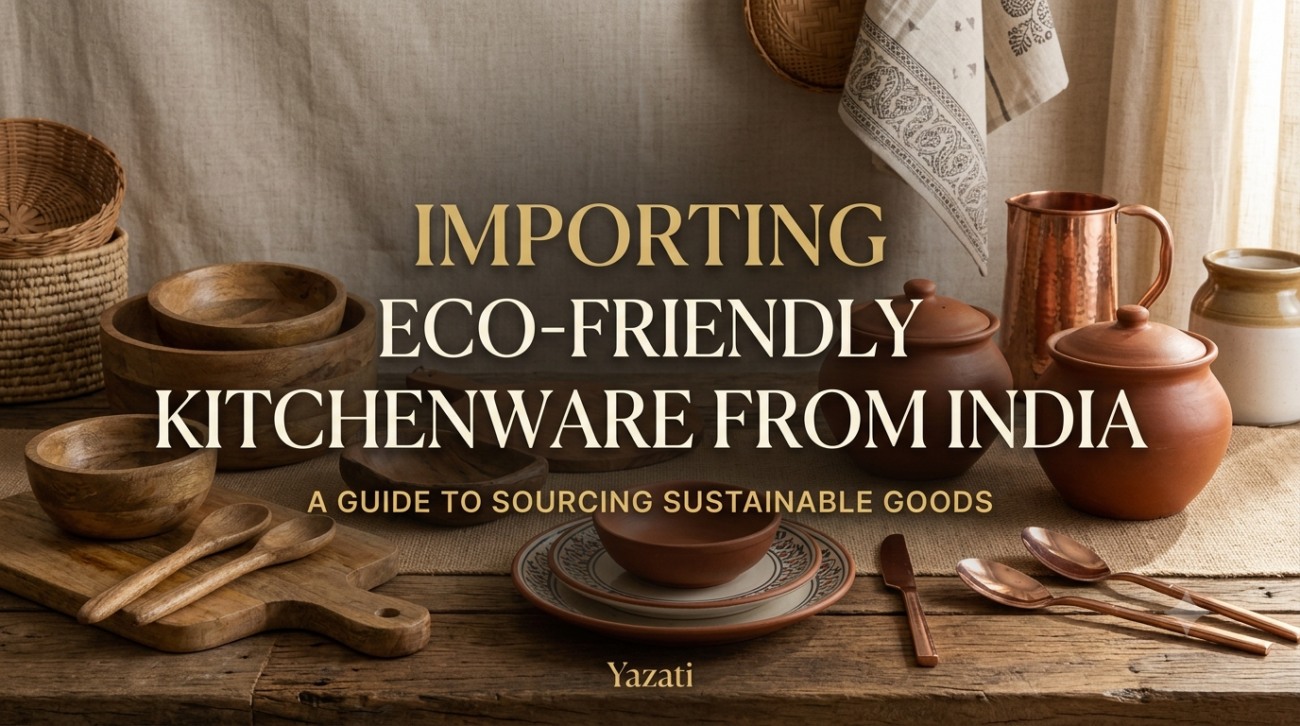
Importing Eco-Friendly Kitchenware from India has become increasingly attractive for retailers, wholesalers, and e-commerce entrepreneurs worldwide. As consumers seek environmentally responsible alternatives to plastic and disposable products, sustainable kitchenware has emerged as a rapidly growing market segment.
India has established itself as a major supplier of eco-friendly kitchen products due to its abundant natural resources, skilled craftsmanship, and competitive manufacturing capabilities. From bamboo utensils and coconut shell bowls to stainless steel lunch boxes and areca palm leaf plates, Indian manufacturers offer a diverse range of sustainable solutions.
Businesses looking to capitalize on the green consumer movement can benefit significantly from sourcing these products from India. However, successful importing requires understanding supplier selection, regulatory compliance, logistics, and quality control.
Understanding the Global Demand for Sustainable Kitchen Products
Consumer Trends Driving Eco-Conscious Purchasing
Consumers today are more aware of environmental issues than ever before. Concerns about plastic pollution, climate change, and waste reduction have encouraged shoppers to seek sustainable alternatives.
Key drivers include:
- Growing environmental awareness
- Government restrictions on single-use plastics
- Preference for reusable household products
- Increasing demand for ethical brands
- Rising popularity of zero-waste lifestyles
Growth of Green Retail and E-Commerce Markets
Online marketplaces have significantly expanded opportunities for sustainable product sales. Eco-conscious consumers actively search for environmentally friendly kitchenware through online stores, specialty retailers, and subscription services.
This trend creates substantial opportunities for importers who can source quality products at competitive prices.
Why India Is a Leading Source for Eco-Friendly Kitchenware
Abundant Natural Resources
India possesses extensive renewable resources suitable for sustainable manufacturing:
- Bamboo forests
- Coconut-producing regions
- Areca palm plantations
- Sustainably harvested hardwoods
- Recyclable metals such as stainless steel
These resources provide manufacturers with reliable access to raw materials while supporting environmentally responsible production.
Skilled Artisan and Manufacturing Ecosystem
India combines traditional craftsmanship with modern manufacturing capabilities. Many producers maintain generations-old techniques while adopting contemporary quality standards.
This combination allows importers to access unique, high-quality products that appeal to modern consumers.
Popular Types of Eco-Friendly Kitchenware from India
Bamboo Kitchen Products
Bamboo remains one of the fastest-growing sustainable materials globally. Popular products include:
- Cooking spoons
- Cutting boards
- Serving trays
- Utensil organizers
- Kitchen brushes
Bamboo grows rapidly and requires fewer resources than traditional timber.
Coconut Shell Utensils and Bowls
Manufacturers transform discarded coconut shells into attractive kitchen products, including:
- Serving bowls
- Decorative dishes
- Drinking cups
- Storage containers
These products support waste reduction while offering a distinctive natural appearance.
Wooden Kitchenware
Indian wooden kitchenware often includes:
- Rolling pins
- Chopping boards
- Serving spoons
- Salad bowls
High-quality woods and expert craftsmanship enhance durability and aesthetics.
Stainless Steel Reusable Products
Reusable stainless steel items continue gaining popularity:
- Lunch boxes
- Food storage containers
- Drinking bottles
- Metal straws
These products appeal to consumers seeking long-lasting alternatives to disposable plastics.
Areca Palm Leaf Tableware
Areca palm leaves naturally shed from trees and can be transformed into:
- Plates
- Bowls
- Trays
- Serving platters
These products are biodegradable and compostable, making them attractive for environmentally conscious consumers.
Key Benefits of Importing Eco-Friendly Kitchenware from India
Competitive Pricing
One of the primary advantages of sourcing from India is cost efficiency. Manufacturing costs often remain lower than in many Western countries while maintaining acceptable quality standards.
Sustainable Manufacturing Practices
Many Indian suppliers emphasize:
- Renewable materials
- Waste reduction
- Ethical labor practices
- Eco-friendly production methods
Such practices enhance product appeal among sustainability-focused consumers.
Product Customization Opportunities
Indian manufacturers frequently offer:
- Private labeling
- Custom packaging
- Unique product designs
- Branded merchandise
This flexibility allows businesses to differentiate themselves in competitive markets.
Market Research Before Importing
Identifying Target Customers
Successful importing begins with understanding your audience.
Potential customer segments include:
| Segment | Product Preferences |
|---|---|
| Eco-conscious consumers | Reusable and biodegradable products |
| Restaurants | Sustainable tableware |
| Gift retailers | Artisan kitchenware |
| Online shoppers | Trendy eco-friendly items |
Evaluating Market Competition
Analyze:
- Competitor pricing
- Product selection
- Customer reviews
- Marketing approaches
Understanding competitors helps identify opportunities and market gaps.
Finding Reliable Suppliers in India
Supplier Verification Techniques
Supplier evaluation should include:
- Business registration verification
- Product sample assessment
- Factory audits
- Customer references
- Export history review
Trade Shows and B2B Platforms
Useful sourcing channels include:
- India Trade Promotion Organisation events
- IndiaMART
- TradeIndia
- International sourcing exhibitions
These platforms help connect importers with verified suppliers.
Understanding Product Certifications and Standards
Sustainability Certifications
Relevant certifications may include:
- FSC certification
- Organic certifications
- Fair Trade standards
- Compostability certifications
Food Safety Compliance Requirements
Kitchenware often requires compliance with food-contact regulations in destination markets.
Always verify:
- Material safety
- Chemical testing
- Migration testing
- Packaging compliance
Import Regulations and Documentation
Essential Import Documents
Common documents include:
- Commercial invoice
- Packing list
- Bill of lading
- Certificate of origin
- Inspection certificates
Customs Clearance Procedures
Importers should familiarize themselves with:
- Tariff classifications
- Import duties
- Customs declarations
- Regulatory approvals
Working with experienced customs brokers can streamline the process.
Logistics and Shipping Considerations
Sea Freight vs Air Freight
| Method | Advantages | Disadvantages |
|---|---|---|
| Sea Freight | Lower cost | Longer transit time |
| Air Freight | Faster delivery | Higher cost |
Most eco-friendly kitchenware imports utilize sea freight due to favorable shipping economics.
Packaging and Transportation Best Practices
Effective packaging should:
- Prevent damage
- Minimize waste
- Reduce shipping costs
- Maintain sustainability goals
Cost Analysis and Profit Margins
Hidden Costs to Consider
Importers frequently overlook:
- Customs duties
- Warehousing fees
- Inspection costs
- Currency fluctuations
- Insurance expenses
Pricing Strategy Development
A profitable pricing strategy should account for:
- Product costs
- Freight expenses
- Marketing budgets
- Retail margins
- Customer acquisition costs
Quality Control and Inspection Processes
Pre-Shipment Inspections
Inspections help verify:
- Product specifications
- Packaging quality
- Quantity accuracy
- Compliance requirements
Ongoing Supplier Performance Monitoring
Track supplier performance through:
- Defect rates
- Delivery consistency
- Communication quality
- Customer feedback
Strong supplier relationships contribute to long-term success.
Branding and Private Label Opportunities
Building a Sustainable Brand Identity
Effective sustainable branding emphasizes:
- Transparency
- Environmental responsibility
- Product quality
- Ethical sourcing
Packaging for Eco-Conscious Consumers
Eco-friendly packaging options include:
- Recycled paper
- Compostable materials
- Minimalist designs
- Soy-based inks
Common Challenges and Solutions
Supply Chain Delays
Potential solutions include:
- Diversified supplier networks
- Inventory planning
- Safety stock management
- Flexible logistics arrangements
Compliance and Quality Issues
Mitigation strategies include:
- Third-party inspections
- Clear product specifications
- Supplier audits
- Regular testing programs
Future Trends in Sustainable Kitchenware Imports
Several emerging trends are shaping the market:
- Plastic-free product innovation
- Circular economy initiatives
- Increased demand for reusable products
- Growth in private-label eco brands
- Expansion of biodegradable materials
Businesses that adapt early can gain a competitive advantage.
Frequently Asked Questions
1. Why is India a popular source for eco-friendly kitchenware?
India offers abundant renewable materials, skilled craftsmanship, competitive manufacturing costs, and a strong export infrastructure.
2. What eco-friendly kitchenware products are commonly imported from India?
Popular products include bamboo utensils, coconut shell bowls, wooden kitchen tools, stainless steel containers, and areca palm leaf tableware.
3. How can I verify an Indian supplier?
Verify registration documents, request samples, conduct audits, review export history, and seek customer references.
4. What certifications should I look for?
Look for FSC certification, Fair Trade standards, food safety compliance, and compostability certifications where applicable.
5. Is sea freight better than air freight for kitchenware imports?
For most shipments, sea freight offers lower costs, making it the preferred option for bulk imports.
6. What are the biggest risks when importing eco-friendly kitchenware?
Common risks include quality inconsistencies, regulatory compliance issues, shipping delays, and supplier reliability concerns.
Conclusion
Importing Eco-Friendly Kitchenware from India presents a compelling opportunity for businesses seeking sustainable, affordable, and marketable products. India’s rich supply of renewable materials, skilled manufacturing sector, and growing commitment to sustainability make it an attractive sourcing destination.
Success depends on careful supplier selection, strong quality control procedures, regulatory compliance, and effective branding. By following best practices and staying informed about market trends, importers can build profitable businesses while supporting global sustainability efforts.
For additional trade and export information, visit the official Foreign Trade Portal of India: https://www.dgft.gov.in
✨ Discover Global Sourcing Excellence with Netyex ✨
Netyex is your trusted B2B sourcing partner, connecting international buyers with India’s finest manufacturers and curated product lines—from handicrafts and home décor to kitchenware, textiles, hospitality essentials, and more. With verified suppliers and end-to-end support, we make global procurement seamless, reliable, and efficient.
👉 Elevate your sourcing experience—explore Netyex today.
📦 Bulk orders & customisation | 🌍 Worldwide delivery | 🤝 Trusted by global buyers
Visit Netyex to source premium Indian products with confidence.