Introduction
The Sustainable Home Decor Export from India to Norway is emerging as one of the fastest-growing opportunities for Indian exporters in today’s environmentally conscious marketplace. As consumers increasingly prioritize eco-friendly living, ethically sourced products, and handcrafted goods, Norway has become an attractive destination for sustainable home décor made in India.
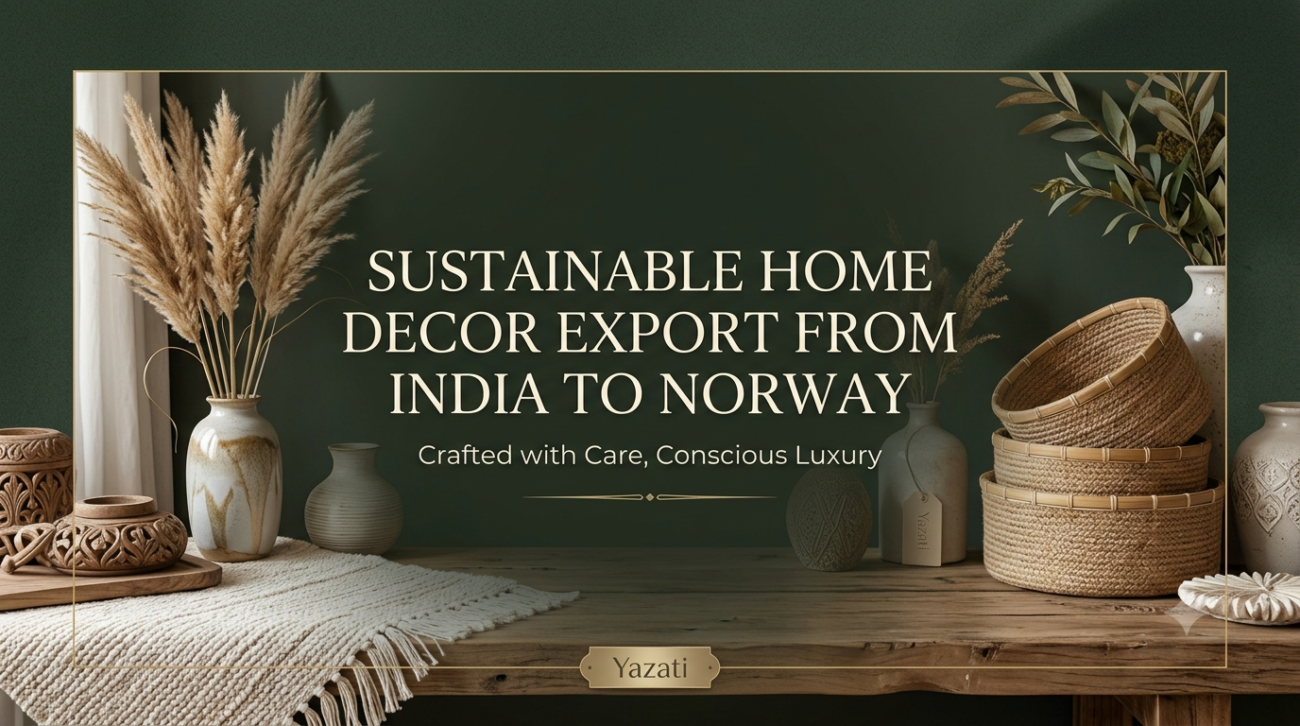
India is renowned for its rich heritage of craftsmanship, natural materials, and artisan communities. Products such as bamboo baskets, jute rugs, reclaimed wood furniture, organic cotton textiles, handwoven cushions, ceramic décor, and recycled metal accessories align perfectly with the purchasing preferences of Norwegian consumers who value sustainability and quality.
Norway is among Europe’s most environmentally conscious countries. Government initiatives promoting circular economy principles, strict environmental standards, and strong consumer demand for green products create favorable conditions for exporters offering sustainable alternatives.
For Indian manufacturers, exporters, and small businesses, this presents an opportunity to diversify exports while contributing to global sustainability goals. However, success requires more than producing eco-friendly products. Exporters must understand Norwegian regulations, certification requirements, logistics, packaging standards, pricing strategies, and buyer expectations.
This comprehensive guide explores every aspect of exporting sustainable home décor from India to Norway, helping businesses identify opportunities, overcome challenges, and build long-term partnerships in one of Europe’s most attractive premium markets.
Understanding Sustainable Home Decor
Sustainable home décor refers to products designed and manufactured with minimal environmental impact while promoting responsible sourcing, ethical labor practices, and long-lasting quality. Unlike conventional decorative products, sustainable décor emphasizes renewable materials, recyclability, reduced carbon emissions, and environmentally friendly production processes.
Consumers are increasingly choosing products that reflect their environmental values. Rather than purchasing mass-produced items made from synthetic materials, many prefer handcrafted products created from renewable or recycled resources. This shift has significantly increased international demand for eco-friendly home décor.
Common sustainable materials include:
- Bamboo
- Jute
- Organic cotton
- Reclaimed wood
- Coconut shell
- Cane and rattan
- Cork
- Recycled glass
- Recycled metals
- Natural stone
- Water-based paints
- Plant-based dyes
India possesses abundant access to these materials, making it one of the world’s leading suppliers of sustainable lifestyle products.
What Makes Home Decor Sustainable?
Several characteristics distinguish sustainable home décor from conventional products:
- Renewable raw materials
- Minimal plastic usage
- Recycled or reclaimed materials
- Ethical production methods
- Low-carbon manufacturing
- Durable construction
- Eco-friendly packaging
- Non-toxic finishes
- Fair wages for artisans
- Waste reduction during production
Norwegian buyers increasingly evaluate products based not only on appearance but also on their environmental footprint and supply chain transparency.
Growing Consumer Awareness
Environmental awareness has become a defining factor in purchasing decisions across Scandinavia. Consumers actively seek products that contribute to reducing waste, protecting forests, supporting artisan communities, and lowering greenhouse gas emissions.
This trend has encouraged retailers, interior designers, hotels, and hospitality businesses in Norway to expand their collections of sustainable home furnishings. Indian exporters that clearly communicate their sustainability practices gain a competitive advantage in this evolving market.
Why Norway Is a Promising Market
Norway consistently ranks among the world’s wealthiest countries, with high disposable incomes and a strong preference for premium-quality products. Sustainability is deeply embedded in consumer culture, making eco-friendly home décor an attractive segment for international suppliers.
Several factors make Norway particularly appealing:
- High purchasing power
- Environmentally conscious consumers
- Preference for handmade products
- Growing demand for ethical sourcing
- Expanding sustainable retail sector
- Strong appreciation for minimalist interior design
- Stable import environment
- Premium pricing opportunities
Norwegian homes often embrace Scandinavian design principles characterized by simplicity, natural textures, neutral colors, and functional elegance. Sustainable Indian products—particularly those made from bamboo, jute, reclaimed wood, and organic textiles—fit naturally within this aesthetic.
In addition, Norway’s commitment to reducing environmental impact encourages retailers to source products from suppliers who can demonstrate responsible manufacturing practices, recyclable packaging, and recognized sustainability certifications.
India’s Competitive Advantage in Sustainable Home Decor Exports
India has established itself as one of the world’s leading exporters of handcrafted and eco-friendly home décor products. The country’s diverse natural resources, centuries-old craftsmanship traditions, and growing focus on sustainable manufacturing make it an ideal sourcing destination for Norwegian importers.
Skilled Artisans and Traditional Craftsmanship
India is home to millions of artisans specializing in weaving, pottery, wood carving, metalwork, embroidery, and basketry. Many of these techniques have been passed down through generations, creating products that combine authenticity with high-quality craftsmanship.
States such as Rajasthan, Uttar Pradesh, Gujarat, Kerala, and West Bengal are renowned for producing handcrafted home décor items that appeal to international markets.
Popular artisan-made products include:
- Handwoven rugs
- Decorative baskets
- Wooden wall art
- Ceramic vases
- Handmade candles
- Macramé décor
- Cotton throws
- Cushion covers
- Table runners
- Decorative trays
These products align well with the Scandinavian preference for minimalist yet natural interior aesthetics.
Abundant Natural Raw Materials
India has access to a wide variety of renewable and eco-friendly materials, including:
| Material | Common Applications |
|---|---|
| Bamboo | Furniture, baskets, lighting |
| Jute | Rugs, bags, storage baskets |
| Organic Cotton | Cushions, bedding, curtains |
| Cane & Rattan | Chairs, lampshades |
| Coconut Shell | Bowls, candle holders |
| Mango Wood | Furniture, trays |
| Reclaimed Wood | Shelves, tables, decorative accents |
| Terracotta | Planters, decorative items |
These materials help manufacturers create products with a lower environmental footprint while appealing to environmentally conscious buyers.
Competitive Manufacturing Costs
Compared with many other manufacturing countries, India offers cost-effective production without compromising craftsmanship. This allows exporters to offer attractive pricing while maintaining healthy profit margins.
Popular Sustainable Home Decor Products Exported to Norway
Choosing the right product portfolio is essential for success in the Norwegian market.
1. Bamboo Home Décor
Bamboo is one of the world’s fastest-growing renewable resources.
Popular bamboo exports include:
- Storage baskets
- Decorative trays
- Serving bowls
- Pendant lights
- Bathroom accessories
- Plant stands
Benefits:
- Renewable
- Lightweight
- Durable
- Biodegradable
2. Jute Home Accessories
Jute is biodegradable and requires relatively low inputs during cultivation.
Popular exports include:
- Rugs
- Door mats
- Laundry baskets
- Wall hangings
- Storage bins
Its earthy appearance complements Scandinavian interiors.
3. Reclaimed Wood Furniture
Furniture made from reclaimed wood reduces waste while giving materials a second life.
Popular products include:
- Coffee tables
- Shelving units
- Console tables
- Wooden stools
- Wall décor
Each piece has unique grain patterns, enhancing its appeal.
4. Organic Cotton Home Textiles
Organic cotton products are increasingly sought after by environmentally conscious consumers.
Popular exports:
- Cushion covers
- Curtains
- Table linen
- Bed throws
- Kitchen textiles
Organic cotton cultivation avoids synthetic pesticides and promotes healthier farming practices.
5. Handmade Ceramic Décor
Handcrafted ceramics add character to modern interiors.
Examples include:
- Decorative vases
- Planters
- Candle holders
- Serving dishes
- Tableware
Their artisanal quality often commands premium prices.
Export Regulations
Understanding export procedures helps ensure smooth international trade.
Indian Export Requirements
Before exporting, businesses should typically obtain:
- Import Export Code (IEC)
- Goods and Services Tax (GST) registration (where applicable)
- Commercial invoice
- Packing list
- Shipping bill
- Bill of lading or airway bill
- Certificate of origin (if required by the buyer)
- Product-specific documentation when applicable
It’s also important to comply with applicable quality and packaging standards.
Norwegian Import Requirements
Norway is not a member of the European Union but participates in the European Economic Area (EEA), meaning many product safety and environmental standards align closely with EU requirements.
Importers may request documentation demonstrating:
- Product safety
- Material composition
- Sustainability claims
- Proper labeling
- Compliance with relevant environmental regulations
Working closely with your Norwegian buyer or customs broker helps ensure all documentation is complete.
Certifications That Build Buyer Confidence
Although not always mandatory, certifications can strengthen your credibility and improve market access.
FSC Certification
The Forest Stewardship Council (FSC) certification verifies that wood products originate from responsibly managed forests.
Suitable for:
- Wooden furniture
- Decorative wooden products
- Wooden kitchen accessories
Global Organic Textile Standard (GOTS)
GOTS certification is widely recognized for organic textile products.
Ideal for:
- Organic cotton bedding
- Cushion covers
- Curtains
- Towels
Fair Trade Certification
Fair Trade certification demonstrates ethical sourcing and fair compensation for producers and artisans.
It can be especially attractive to socially conscious retailers and consumers.
Finding Buyers in Norway
Building strong relationships with buyers is key to long-term export success.
B2B Online Marketplaces
Exporters can showcase products on international business platforms that connect manufacturers with wholesalers and retailers.
Ensure your listings include:
- Professional product photos
- Detailed specifications
- Material information
- Sustainability credentials
- Minimum order quantities
Trade Fairs and Exhibitions
Participating in international trade fairs allows exporters to:
- Meet buyers face-to-face
- Understand market trends
- Showcase new collections
- Build long-term partnerships
Relevant events often focus on home décor, furniture, gifts, lifestyle products, and sustainable design.
Retail Chains and Importers
Potential customers include:
- Interior design retailers
- Lifestyle stores
- Furniture importers
- Hotel suppliers
- Boutique home décor brands
- E-commerce retailers
Researching buyer preferences before making contact improves the likelihood of success.
Shipping and Logistics
Efficient logistics play a crucial role in maintaining product quality and controlling costs.
Sea Freight
Sea freight is generally the most economical option for bulk shipments.
Advantages:
- Lower transportation cost
- Suitable for furniture and heavy goods
- Reduced cost per unit for large consignments
Air Freight
Air freight is better suited for:
- Small orders
- Product samples
- Urgent deliveries
- High-value decorative items
Although faster, it is typically more expensive than sea transport.
Eco-Friendly Packaging
Sustainable packaging reinforces your brand values.
Recommended materials include:
- Recycled cardboard
- Paper tape
- Compostable fillers
- Recyclable cartons
- Soy-based inks
Avoid excessive plastic packaging whenever possible.
Pricing Strategy for Sustainable Home Decor Export from India to Norway
Pricing plays a vital role in determining export success. Norwegian buyers value quality, sustainability, and transparency over simply choosing the lowest-priced products. Therefore, exporters should focus on value-based pricing rather than competing solely on cost.
Factors to Consider When Setting Prices
A comprehensive export price should account for:
- Raw material costs
- Labor and artisan wages
- Packaging expenses
- Inland transportation
- Freight and insurance
- Customs duties (where applicable)
- Marketing and promotional costs
- Currency exchange fluctuations
- Desired profit margin
Tips for Competitive Pricing
- Offer volume discounts for large orders.
- Provide flexible pricing for long-term contracts.
- Highlight the value of handcrafted, eco-friendly products.
- Maintain transparent pricing to build trust with buyers.
By emphasizing quality, sustainability, and craftsmanship, exporters can justify premium pricing in the Norwegian market.
Marketing Sustainable Home Decor to Norwegian Buyers
A strong marketing strategy helps differentiate your products in a competitive international marketplace.
Build a Strong Brand Story
Norwegian consumers appreciate authentic stories behind products. Share information about:
- The artisans who create the products
- Sustainable sourcing of raw materials
- Eco-friendly manufacturing processes
- Community development initiatives
- Traditional Indian craftsmanship
A compelling brand story creates an emotional connection with buyers.
Develop a Professional Online Presence
Your website should include:
- High-quality product images
- Detailed product descriptions
- Sustainability certifications
- Company profile
- Export experience
- Contact information
- Downloadable product catalogs
Optimize your website for search engines using relevant keywords such as:
- Sustainable home décor
- Eco-friendly home accessories
- Handmade home décor from India
- Scandinavian home décor suppliers
- Sustainable Home Decor Export from India to Norway
Leverage Social Media
Platforms like LinkedIn, Instagram, and Pinterest are valuable for showcasing visually appealing home décor products.
Share:
- Behind-the-scenes production videos
- Artisan stories
- New product launches
- Sustainability initiatives
- Customer testimonials
- Interior styling ideas
Consistent engagement builds credibility and attracts international buyers.
Common Challenges and How to Overcome Them
Exporting sustainable home décor presents exciting opportunities, but businesses may encounter several challenges.
1. Meeting Sustainability Standards
Challenge: Buyers increasingly demand proof of environmental responsibility.
Solution: Obtain recognized certifications, maintain transparent supply chains, and document sustainable practices.
2. Logistics and Shipping Costs
Challenge: International freight costs can fluctuate.
Solution: Consolidate shipments, negotiate with freight forwarders, and optimize packaging to reduce shipping volume.
3. Intense Global Competition
Challenge: Exporters from multiple countries compete for the same buyers.
Solution: Differentiate through unique designs, superior craftsmanship, customization, and exceptional customer service.
4. Currency Exchange Risks
Challenge: Exchange rate fluctuations can affect profitability.
Solution: Use forward contracts, invoice in stable currencies when appropriate, and regularly review pricing strategies.
5. Cultural and Market Differences
Challenge: Products that perform well domestically may not align with Norwegian preferences.
Solution: Conduct market research, adapt product designs, and collaborate closely with local buyers to understand trends.
Future Trends in Sustainable Home Decor Export from India to Norway
The outlook for sustainable home décor exports remains highly positive. Several emerging trends are expected to shape the market in the coming years:
- Circular Economy: Increased demand for products made from recycled or upcycled materials.
- Minimalist Design: Continued popularity of clean, functional Scandinavian interiors.
- Natural Materials: Growing preference for bamboo, jute, rattan, cork, and reclaimed wood.
- Carbon-Conscious Products: Buyers seeking suppliers who reduce emissions across the supply chain.
- Digital B2B Commerce: Greater use of online sourcing platforms and virtual trade fairs.
- Customization: Rising interest in bespoke, handcrafted products tailored to individual tastes.
- Transparency: Buyers expecting clear information about sourcing, labor practices, and environmental impact.
Indian exporters that embrace innovation, sustainability, and transparency will be well-positioned to capitalize on these trends.
Frequently Asked Questions (FAQs)
1. Why is Norway a good market for sustainable home décor from India?
Norway has environmentally conscious consumers, high purchasing power, and a strong appreciation for handcrafted, eco-friendly products, making it an attractive market for Indian exporters.
2. Which products are most popular in Norway?
Popular items include bamboo baskets, jute rugs, reclaimed wood furniture, organic cotton textiles, handmade ceramics, and decorative home accessories made from natural materials.
3. Are sustainability certifications necessary?
While not always legally required, certifications such as FSC, GOTS, and Fair Trade can enhance credibility and improve access to premium buyers.
4. What is the most cost-effective shipping method?
Sea freight is generally the most economical option for large or heavy shipments, while air freight is suitable for urgent or smaller consignments.
5. How can Indian exporters find buyers in Norway?
Businesses can connect with buyers through B2B marketplaces, international trade fairs, industry associations, direct outreach to retailers and importers, and digital marketing.
6. What factors influence pricing?
Pricing depends on material costs, labor, packaging, freight, certifications, exchange rates, market demand, and the perceived value of sustainable craftsmanship.
Conclusion
The Sustainable Home Decor Export from India to Norway represents a significant opportunity for Indian manufacturers, artisans, and exporters. Norway’s commitment to sustainability, ethical sourcing, and high-quality design aligns closely with India’s strengths in handcrafted production and renewable materials.
Success in this market requires more than offering eco-friendly products. Exporters must understand buyer expectations, comply with regulatory requirements, invest in certifications where appropriate, maintain transparent supply chains, and build strong relationships with importers. By combining authentic craftsmanship with responsible business practices and effective marketing, Indian businesses can establish a lasting presence in Norway’s growing sustainable home décor sector.
As global demand for environmentally responsible products continues to rise, exporters who innovate, uphold quality, and communicate their sustainability story effectively will be well-positioned to thrive in this promising market.
For additional information on international trade and sustainability standards, you can explore resources from the International Trade Centre (ITC) at: https://www.intracen.org
✨ Discover Global Sourcing Excellence with Netyex ✨
Netyex is your trusted B2B sourcing partner, connecting international buyers with India’s finest manufacturers and curated product lines—from handicrafts and home décor to kitchenware, textiles, hospitality essentials, and more. With verified suppliers and end-to-end support, we make global procurement seamless, reliable, and efficient.
👉 Elevate your sourcing experience—explore Netyex today.
📦 Bulk orders & customisation | 🌍 Worldwide delivery | 🤝 Trusted by global buyers
Visit Netyex to source premium Indian products with confidence.