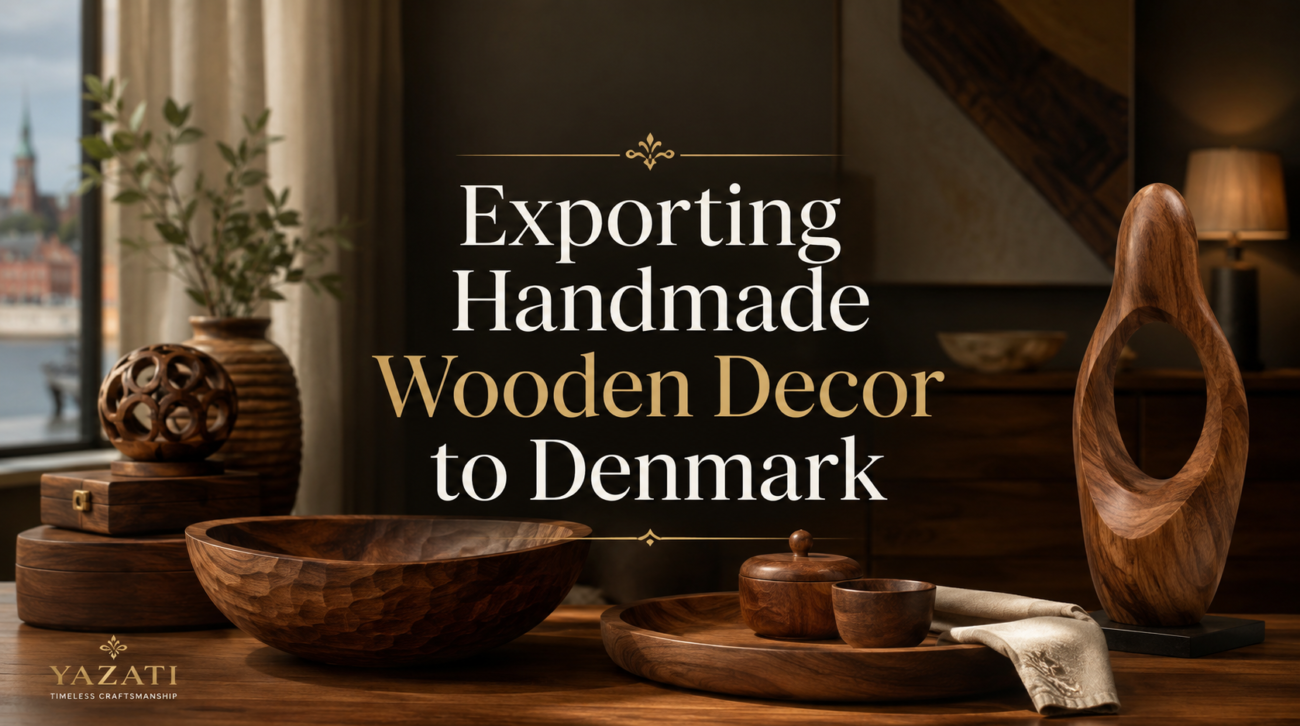
The global demand for sustainable and handcrafted home décor continues to grow, and Denmark has emerged as one of the most attractive destinations for artisans and exporters. Known for its appreciation of minimalist design, eco-friendly products, and exceptional craftsmanship, Denmark offers excellent opportunities for businesses specializing in handmade wooden décor.
Whether you are a small artisan, a furniture manufacturer, or an export company looking to enter the Scandinavian market, understanding Danish consumer preferences, import regulations, logistics, and marketing strategies is essential.
This comprehensive guide explains everything you need to know about Exporting Handmade Wooden Decor to Denmark, from market research to finding buyers and scaling your business.
Why Denmark is an Attractive Export Market
Denmark consistently ranks among Europe’s most design-conscious nations. Danish consumers appreciate products that combine beauty, functionality, and sustainability. Handmade wooden décor aligns perfectly with these values.
Several factors make Denmark attractive:
- High purchasing power
- Strong appreciation for handmade craftsmanship
- Preference for sustainable products
- Growing home décor market
- Interest in ethically sourced materials
- Stable import environment
Minimalist interior design has become synonymous with Danish homes. Wooden décor items that feature natural finishes, clean lines, and timeless aesthetics are especially popular.
Understanding Danish Consumer Preferences
Before entering the Danish market, exporters should understand local buying behavior.
Consumers in Denmark generally prefer products that are:
- Sustainable
- Environmentally friendly
- Handmade
- Minimalist
- Functional
- Durable
- Ethically produced
Unlike mass-produced decorative products, handcrafted wooden pieces tell a story. Buyers value authenticity and often want to know:
- Who made the product?
- Where was the wood sourced?
- Is the production environmentally responsible?
- What makes the item unique?
Storytelling becomes an important marketing advantage.
Products with visible craftsmanship often outperform factory-made alternatives.
Market Research Before Exporting
Successful exporters invest time in researching the Danish market before shipping products.
Important research areas include:
Competitor Analysis
Study:
- Danish home décor brands
- Scandinavian interior stores
- Online marketplaces
- Luxury gift retailers
Identify:
- Price ranges
- Popular materials
- Best-selling designs
- Customer reviews
Customer reviews reveal valuable insights into what Danish buyers appreciate and what they dislike.
Demand Trends
Current trends include:
- Natural wood
- Oak products
- Walnut décor
- Ash wood accessories
- Eco-friendly finishes
- Reclaimed wood
- Handmade candle holders
- Wooden wall art
- Decorative trays
- Serving boards
Minimalist design remains the strongest trend.
Types of Handmade Wooden Decor in Demand
Numerous handcrafted wooden products have strong potential in Denmark.
Popular categories include:
Wall Decor
- Wooden wall art
- Carved panels
- Wooden clocks
- Floating shelves
Table Decor
- Decorative bowls
- Wooden trays
- Candle holders
- Serving platters
Kitchen Accessories
- Cutting boards
- Spice racks
- Wooden utensils
- Fruit bowls
Living Room Decor
- Sculptures
- Decorative boxes
- Planters
- Photo frames
Bedroom Accessories
- Jewelry organizers
- Wooden mirrors
- Bedside organizers
Seasonal products also perform well during holidays.
Sustainable Sourcing and Eco-Friendly Production
Sustainability is no longer optional.
It is one of the strongest purchasing factors in Denmark.
Exporters should prioritize:
- Responsibly sourced timber
- Low-waste manufacturing
- Natural oils instead of chemical coatings
- Recyclable packaging
- Carbon-conscious shipping
Many buyers specifically ask whether the wood originates from sustainably managed forests.
Using certified wood can significantly improve buyer confidence.
Additionally, avoiding plastic packaging supports your sustainability message.
Legal Requirements and Documentation
Exporting products internationally requires careful documentation.
Common export documents include:
- Commercial Invoice
- Packing List
- Bill of Lading
- Certificate of Origin
- Export Declaration
- Insurance Certificate (if applicable)
If exporting from outside the European Union, ensure compliance with Danish customs requirements and verify tariff classifications for your products.
Accurate paperwork reduces delays at customs and helps maintain smooth relationships with buyers.
Product Standards and Certifications
Certifications can strengthen your reputation and improve access to premium retailers.
Common certifications buyers may look for include:
- FSC-certified wood
- CE marking (where applicable)
- REACH compliance for finishes or chemicals
- Sustainable forestry documentation
Providing transparent information about materials, production methods, and finishes helps build trust with Danish importers and consumers.
Packaging and Labeling Requirements
Packaging serves two purposes:
- Protect products during transport.
- Communicate quality and sustainability.
Best practices include:
- Recyclable cardboard boxes
- Paper-based cushioning
- Minimal plastic use
- Clear product labels
- Care instructions
- Country of origin
- Material information
Well-designed packaging also enhances the unboxing experience, especially for online retail customers.
Shipping and Logistics
Choosing the right logistics strategy is critical when exporting handmade wooden décor.
Common shipping options include:
- Sea freight for larger consignments
- Air freight for urgent or high-value orders
- Courier services for small sample shipments
When planning logistics, consider:
- Transit time
- Shipping costs
- Insurance
- Customs clearance
- Warehousing
- Last-mile delivery
Partnering with experienced freight forwarders and customs brokers can help minimize delays and ensure compliance with import procedures.
Pricing Strategy for the Danish Market
A well-planned pricing strategy is essential when Exporting Handmade Wooden Decor to Denmark. Danish buyers value quality and craftsmanship, but they also expect transparent pricing that reflects the product’s value.
When calculating your export price, include:
- Raw material costs
- Labor and craftsmanship
- Packaging expenses
- Export documentation fees
- Shipping and insurance
- Customs duties (where applicable)
- Distributor or retailer margins
- Marketing costs
- Currency exchange fluctuations
Value-Based Pricing
Rather than competing solely on price, emphasize the unique value of your products. Handmade wooden décor often commands premium prices because of:
- Skilled craftsmanship
- Limited production runs
- Sustainable sourcing
- High-quality materials
- Unique designs
Communicate these benefits clearly in your product descriptions and marketing materials.
Wholesale vs. Retail Pricing
If you plan to sell through Danish retailers, establish separate pricing structures:
| Pricing Type | Typical Customer | Key Consideration |
|---|---|---|
| Wholesale | Retail stores, distributors | Lower margin, higher volume |
| Retail | Direct consumers | Higher margin, greater marketing effort |
| Online Marketplace | Individual buyers | Platform fees and shipping costs |
Maintaining consistent pricing helps protect your brand image across different sales channels.
Finding Buyers in Denmark
Finding reliable buyers is one of the most important steps in building a successful export business.
1. Home Décor Retailers
Independent home décor stores often seek unique handmade products that stand out from mass-produced alternatives.
2. Interior Designers
Interior designers regularly source distinctive décor items for residential and commercial projects. Building relationships with design professionals can lead to repeat orders.
3. Furniture and Lifestyle Stores
Stores specializing in Scandinavian design may be interested in complementary handmade wooden accessories.
4. Online Marketplaces
Selling through established online platforms can help you reach Danish consumers directly while testing market demand.
5. B2B Marketplaces
Business-to-business platforms allow exporters to connect with importers, wholesalers, and distributors looking for handcrafted products.
6. Social Media
Platforms such as Instagram and Pinterest are highly visual and ideal for showcasing handcrafted wooden décor. High-quality photography and engaging storytelling can attract buyers from around the world.
Digital Marketing for Exporters
A strong online presence is essential for reaching international customers.
Build a Professional Website
Your website should include:
- Product catalog
- High-resolution images
- Company story
- Sustainability practices
- Export capabilities
- Contact information
Optimize your website for search engines by naturally incorporating your focus keyword, Exporting Handmade Wooden Decor to Denmark, along with related phrases such as “Scandinavian home décor,” “sustainable wooden gifts,” and “handcrafted wooden accessories.”
Content Marketing
Publishing informative articles about:
- Wood types
- Craftsmanship
- Sustainable production
- Home styling ideas
- Care instructions
can help attract organic search traffic and establish your expertise.
Email Marketing
Develop an email list of retailers, designers, and potential buyers. Share:
- New product launches
- Seasonal collections
- Trade fair participation
- Company updates
Personalized communication strengthens long-term business relationships.
Social Media Strategy
Share:
- Behind-the-scenes workshop videos
- Artisan stories
- Product demonstrations
- Customer testimonials
- Interior styling inspiration
Authentic content often resonates well with audiences seeking handmade products.
Common Challenges When Exporting
Exporting handmade wooden décor comes with several challenges, but proper planning can reduce risks.
1. Shipping Damage
Wooden products can be damaged during transport if not packaged correctly.
Solution: Use protective, eco-friendly packaging materials and conduct packaging tests before shipping.
2. Customs Delays
Incomplete documentation can result in costly delays.
Solution: Double-check all paperwork and work with experienced logistics partners.
3. Currency Fluctuations
Exchange rate changes can affect profitability.
Solution: Consider pricing in euros or using financial tools to manage currency risk.
4. Meeting Market Expectations
Design preferences vary by country.
Solution: Continuously research Danish design trends and gather customer feedback to refine your product offerings.
5. Scaling Production
As demand grows, maintaining consistent quality becomes more challenging.
Solution: Develop standardized production processes, invest in quality control, and train artisans thoroughly.
Tips for Long-Term Success
Building a sustainable export business requires patience and continuous improvement.
Here are several strategies for long-term growth:
- Focus on exceptional craftsmanship.
- Invest in sustainable production methods.
- Maintain consistent product quality.
- Respond promptly to customer inquiries.
- Offer reliable delivery schedules.
- Build long-term relationships with buyers.
- Collect customer feedback regularly.
- Refresh product collections to match market trends.
- Participate in international trade events and networking opportunities.
- Highlight the story behind your products to create emotional connections with customers.
A reputation for quality and reliability often leads to repeat business and referrals.
Frequently Asked Questions (FAQs)
1. Is Denmark a good market for handmade wooden décor?
Yes. Denmark has a strong appreciation for sustainable, high-quality, and minimalist home décor, making it an attractive destination for handcrafted wooden products.
2. What types of wooden décor sell well in Denmark?
Popular items include candle holders, serving boards, wall art, decorative trays, floating shelves, planters, carved sculptures, and wooden storage accessories.
3. Do I need sustainability certifications?
While not always legally required, certifications related to responsible forestry and environmentally friendly production can improve buyer confidence and increase opportunities with premium retailers.
4. How can I find Danish buyers?
You can connect with buyers through home décor retailers, interior designers, online marketplaces, B2B platforms, trade fairs, and professional networking.
5. What packaging is preferred?
Eco-friendly, recyclable packaging that protects products during transport and aligns with Denmark’s environmental values is generally preferred.
6. What is the biggest challenge in exporting handmade wooden décor?
Common challenges include shipping damage, customs documentation, adapting products to local design preferences, and maintaining quality while scaling production.
Conclusion
Exporting Handmade Wooden Decor to Denmark presents a promising opportunity for artisans and manufacturers who prioritize quality, sustainability, and thoughtful design. Danish consumers appreciate products that combine functionality with timeless aesthetics, making handcrafted wooden décor a natural fit for this market.
Success depends on more than creating beautiful products. Thorough market research, compliance with import requirements, environmentally responsible sourcing, effective packaging, competitive pricing, and strong marketing all play important roles in building a successful export business.
By investing in craftsmanship, understanding customer expectations, and cultivating lasting relationships with retailers and distributors, exporters can establish a trusted presence in Denmark’s home décor market. As demand for sustainable and authentic products continues to grow, businesses that focus on quality, transparency, and innovation will be well positioned for long-term success.
Further Reading: For guidance on international trade and export practices, visit the International Trade Centre: https://www.intracen.org
✨ Discover Global Sourcing Excellence with Netyex ✨
Netyex is your trusted B2B sourcing partner, connecting international buyers with India’s finest manufacturers and curated product lines—from handicrafts and home décor to kitchenware, textiles, hospitality essentials, and more. With verified suppliers and end-to-end support, we make global procurement seamless, reliable, and efficient.
👉 Elevate your sourcing experience—explore Netyex today.
📦 Bulk orders & customisation | 🌍 Worldwide delivery | 🤝 Trusted by global buyers
Visit Netyex to source premium Indian products with confidence.