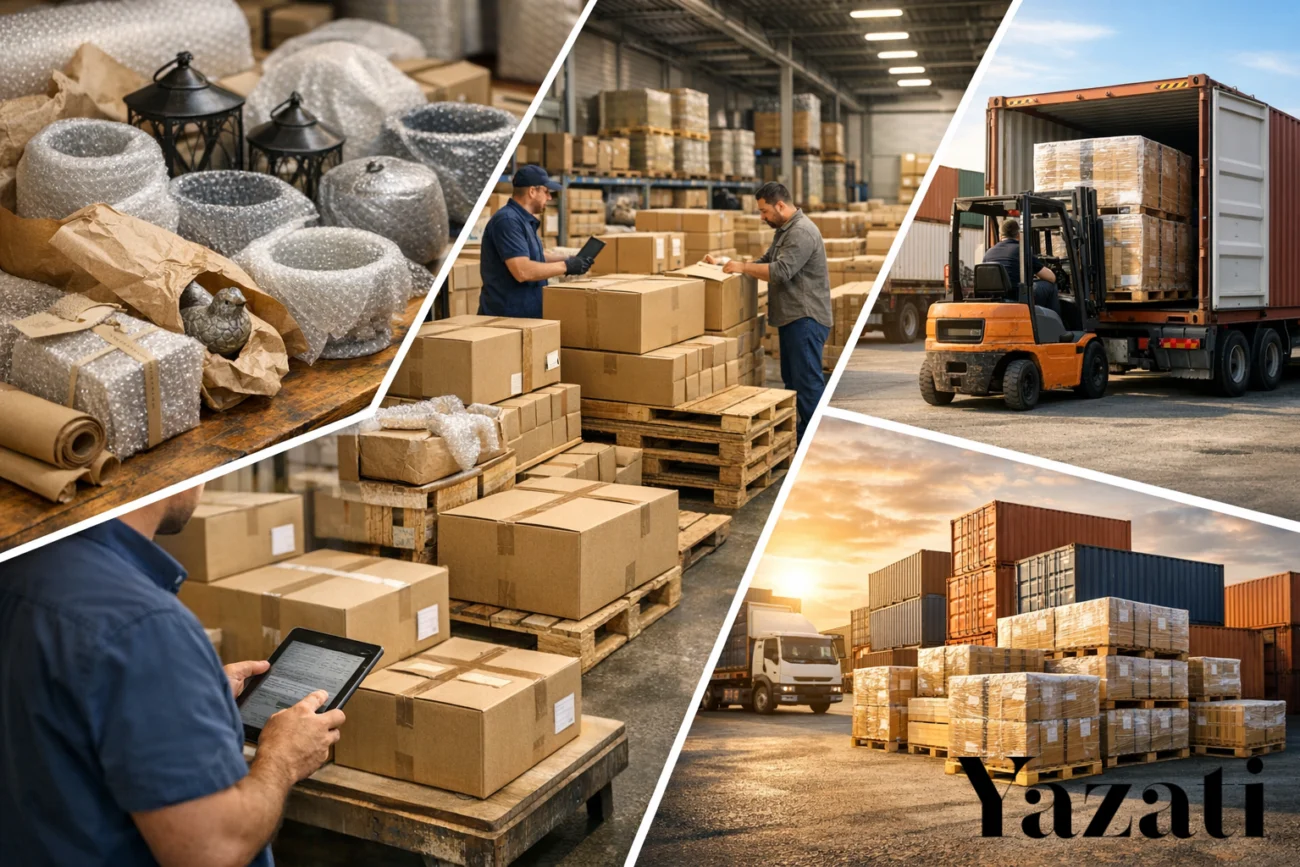
Understanding Bulk Container Orders in the Garden Accessories Industry
Bulk container orders are large shipments typically transported using standardized shipping containers. These containers can carry thousands of garden accessories in one shipment.
Types of Garden Accessories Usually Ordered in Bulk
Garden retailers often purchase large quantities of products to maintain inventory for seasonal demand. Common bulk items include:
- Garden planters and pots
- Watering cans
- Garden tools such as shovels and pruners
- Decorative garden statues
- Plant stands and trellises
- Outdoor lighting accessories
- Garden hoses and irrigation components
These products are often manufactured in large quantities and shipped globally.
Why Retailers Prefer Container Shipments
Shipping products in containers offers several advantages:
- Lower shipping cost per unit
- Efficient transport of large quantities
- Better product protection during transit
- Simplified logistics management
- Reduced environmental impact per item shipped
Because of these benefits, most wholesalers rely on container shipments for garden accessories.
Planning and Forecasting Before Accepting Bulk Orders
Before shipping a large order, careful planning is necessary. Poor planning can lead to delays, inventory shortages, or damaged goods.
Demand Forecasting for Seasonal Garden Products
Garden accessories are highly seasonal. Demand usually rises during spring and early summer.
Businesses should analyze:
- Historical sales data
- Seasonal gardening trends
- Retailer demand forecasts
- Regional climate patterns
Accurate forecasting helps determine how many units should be included in each container shipment.
Coordinating With Suppliers and Manufacturers
Successful bulk shipments require strong supplier coordination.
Important steps include:
- Confirming production timelines
- Checking manufacturing capacity
- Scheduling production batches
- Ensuring raw material availability
Maintaining open communication with suppliers reduces production delays.
Inventory Preparation for Large Container Orders
Efficient inventory management ensures that orders are fulfilled accurately and quickly.
Stock Segmentation and SKU Organization
Each garden accessory should be categorized with clear SKU codes. This allows warehouse teams to locate and pack products quickly.
Good SKU organization helps with:
- Order accuracy
- Faster picking and packing
- Better inventory tracking
- Reduced warehouse errors
Warehouse Space Planning
Bulk orders require sufficient storage space.
Businesses should ensure:
- Adequate pallet storage
- Clear loading areas
- Organized product zones
- Safe movement paths for forklifts
A well-organized warehouse speeds up the loading process and reduces errors.
Packaging Strategies for Garden Accessories
Packaging plays a crucial role in protecting products during long-distance shipping.
Protective Packaging for Fragile Garden Items
Some garden accessories are fragile, especially ceramic pots or decorative items.
Protective packaging methods include:
- Bubble wrap or foam inserts
- Corrugated cardboard boxes
- Molded pulp packaging
- Protective dividers for fragile items
Proper packaging reduces damage and customer complaints.
Palletizing and Container Space Optimization
Palletizing helps organize products efficiently inside containers.
Benefits include:
- Easier loading and unloading
- Improved stability during transport
- Maximum container space usage
Standard pallet sizes should be used to optimize container capacity.
Logistics and Container Loading Management
Proper logistics management ensures safe and efficient shipping.
Choosing the Right Container Type
Two common container types are used in bulk shipping:
| Container Type | Capacity | Best Use |
|---|---|---|
| 20-foot container | ~28–30 cubic meters | Heavy or dense products |
| 40-foot container | ~58–60 cubic meters | Large volume shipments |
Selecting the right container depends on the weight and size of garden accessories.
Efficient Container Loading Techniques
Professional loading practices reduce the risk of product damage.
Key techniques include:
- Even weight distribution
- Secure stacking methods
- Using load restraints and straps
- Avoiding empty spaces that allow shifting
A well-packed container protects products during long sea voyages.
Documentation and Compliance Requirements
Shipping internationally requires proper documentation.
Export Documentation Checklist
Common shipping documents include:
- Commercial invoice
- Packing list
- Bill of lading
- Certificate of origin
- Inspection certificates
Missing documents can cause customs delays.
Customs Regulations for Garden Products
Certain garden accessories may require additional compliance checks.
These may include:
- Material safety standards
- Environmental regulations
- Import duty classification
Understanding regulations prevents costly shipping problems.
Quality Control Before Shipment
Quality control ensures that all products meet buyer expectations.
Inspection and Product Testing
Quality inspections should be conducted before shipping.
Inspection steps include:
- Checking product appearance
- Testing durability and functionality
- Verifying packaging quality
- Confirming product quantities
These checks prevent defective goods from reaching customers.
Supplier Quality Assurance Programs
Reliable suppliers usually implement quality assurance systems.
These programs may include:
- Production monitoring
- Random product testing
- Standardized manufacturing processes
Quality control protects brand reputation.
Cost Management and Pricing Strategy
Managing shipping costs is essential for profitability.
Freight Cost Calculation
Shipping expenses typically include:
- Ocean freight charges
- Port handling fees
- Customs duties
- Inland transportation costs
Understanding these expenses helps businesses price products correctly.
Reducing Shipping Expenses
Several strategies can reduce costs:
- Consolidating shipments
- Negotiating freight contracts
- Optimizing container space
- Using efficient packaging
Lower shipping costs improve profit margins.
Communication With Buyers and Distributors
Strong communication ensures smooth order fulfillment.
Order Tracking and Updates
Buyers should receive regular updates regarding:
- Production progress
- Shipping schedules
- Estimated delivery times
Transparency builds trust between suppliers and customers.
Handling Customer Expectations
Clear expectations prevent misunderstandings.
Businesses should confirm:
- Delivery timelines
- Product specifications
- Packaging details
- Payment terms
Proper communication strengthens long-term partnerships.
Risk Management for Bulk Container Orders
Shipping large orders always carries certain risks.
Insurance Coverage
Cargo insurance protects shipments against:
- Damage during transit
- Loss at sea
- Theft or accidents
Insurance ensures financial protection for large shipments.
Managing Delays and Supply Disruptions
Delays may occur due to weather, port congestion, or production issues.
Businesses should create contingency plans such as:
- Backup suppliers
- Alternative shipping routes
- Extra inventory buffers
Risk management keeps supply chains stable.
Technology and Tools for Bulk Order Management
Modern technology simplifies order management.
Inventory Management Systems
Digital inventory systems help businesses:
- Track stock levels
- Manage warehouse operations
- Forecast product demand
- Prevent stock shortages
Automation improves operational efficiency.
Shipment Tracking Software
Shipment tracking tools provide real-time updates.
Benefits include:
- Accurate delivery predictions
- Better customer communication
- Faster issue resolution
Technology makes logistics more transparent.
Sustainable Packaging and Shipping Practices
Environmental responsibility is becoming increasingly important in global trade.
Eco-Friendly Packaging Options
Sustainable packaging materials include:
- Recycled cardboard
- Biodegradable packing materials
- Reusable pallets
- Paper-based cushioning
These solutions reduce environmental impact.
Reducing Environmental Impact in Logistics
Companies can also improve sustainability by:
- Optimizing container loads
- Using efficient shipping routes
- Reducing packaging waste
Sustainability initiatives strengthen brand reputation.
Building Long-Term Supplier and Buyer Relationships
Strong relationships are the foundation of successful bulk trading.
Trust and Transparency in Bulk Trade
Trust is built through:
- Consistent product quality
- Honest communication
- Reliable delivery schedules
These factors encourage repeat business.
Contract Negotiation Best Practices
Well-structured contracts should define:
- Pricing agreements
- Delivery timelines
- Product specifications
- Dispute resolution methods
Clear contracts protect both buyers and suppliers.
Frequently Asked Questions
1. What is a bulk container order in the garden accessories industry?
A bulk container order refers to a large shipment of garden products transported using a full shipping container, typically for wholesalers or retailers.
2. How many garden accessories fit in a shipping container?
The number depends on the size and packaging of the products. A 40-foot container can often carry thousands of smaller garden accessories.
3. Why is container shipping cost-effective for bulk orders?
Container shipping spreads transportation costs across many units, lowering the cost per item.
4. What packaging is best for fragile garden products?
Protective packaging such as foam inserts, bubble wrap, and sturdy cardboard boxes is ideal for fragile items like ceramic planters.
5. How long does international container shipping take?
Transit times vary depending on the destination but usually range from two to six weeks.
6. How can businesses reduce shipping damage in container orders?
Proper packaging, secure palletizing, and professional container loading techniques greatly reduce the risk of damage.
Conclusion
Understanding How to Handle Bulk Container Orders of Garden Accessories is essential for businesses involved in global garden product trade. From planning and inventory management to packaging, logistics, and quality control, every step plays a critical role in ensuring successful shipments.
Companies that implement efficient warehouse systems, reliable logistics strategies, and strong supplier partnerships can manage large orders with confidence. By focusing on careful planning and clear communication, businesses can reduce costs, improve delivery reliability, and build long-term relationships with buyers around the world.
✨ Discover Global Sourcing Excellence with Netyex ✨
Netyex is your trusted B2B sourcing partner, connecting international buyers with India’s finest manufacturers and curated product lines—from handicrafts and home décor to kitchenware, textiles, hospitality essentials, and more. With verified suppliers and end-to-end support, we make global procurement seamless, reliable, and efficient.
👉 Elevate your sourcing experience—explore Netyex today.
📦 Bulk orders & customisation | 🌍 Worldwide delivery | 🤝 Trusted by global buyers
Visit Netyex to source premium Indian products with confidence.