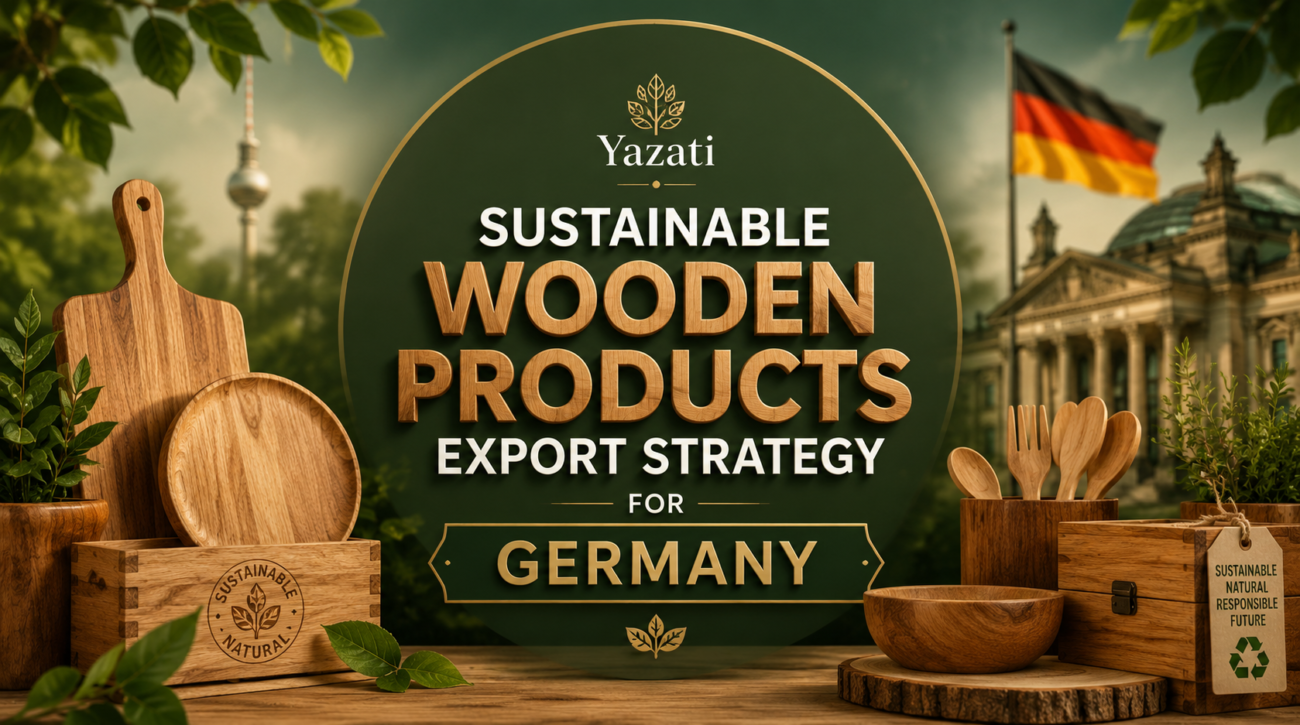
Germany is one of Europe’s largest importers of sustainable consumer goods. As environmental awareness continues to grow, eco-friendly wooden products are becoming increasingly popular among German buyers. Businesses exporting responsibly sourced wooden goods now have a valuable opportunity to enter a premium market with strong long-term growth potential.
A successful Sustainable Wooden Products Export Strategy for Germany requires more than simply shipping products overseas. Exporters must understand German sustainability standards, buyer expectations, pricing structures, branding requirements, and logistics systems. Companies that combine sustainability with quality craftsmanship can establish a powerful presence in the German market.
This guide explains how exporters can successfully build and scale a sustainable wooden products business in Germany in 2026.
Understanding Germany’s Sustainable Products Market
Germany has one of the strongest eco-conscious consumer bases in Europe. Buyers actively look for products that are ethically produced, recyclable, durable, and environmentally friendly.
Why German Consumers Prefer Eco-Friendly Wooden Products
German consumers value sustainability because environmental responsibility is deeply connected to their lifestyle and purchasing behavior. Products made from renewable or reclaimed wood often receive preference over plastic alternatives.
Several factors drive this demand:
- Rising awareness of climate change
- Preference for long-lasting products
- Government sustainability initiatives
- Strong recycling culture
- Demand for ethical sourcing transparency
Consumers also appreciate minimalist Scandinavian-style wooden décor, which aligns with modern German interior design trends.
Growth Trends in Sustainable Home Décor and Furniture
Germany’s sustainable furniture and home décor market has expanded rapidly over the last few years. Categories experiencing high demand include:
- Wooden kitchen utensils
- Eco-friendly storage boxes
- Reclaimed wood furniture
- Sustainable office furniture
- Bamboo home accessories
- Handmade wooden décor
- Natural wood toys
The growth of eco-conscious ecommerce stores has also increased opportunities for international exporters.
Identifying High-Demand Wooden Products for Export
Not every wooden product performs equally in Germany. Exporters should focus on categories that align with current sustainability trends.
Bamboo and Reclaimed Wood Products
Bamboo products are extremely popular because bamboo grows quickly and is considered highly renewable.
Top-selling items include:
- Bamboo cutlery
- Toothbrushes
- Storage containers
- Serving trays
- Bathroom accessories
Reclaimed wood products also attract environmentally conscious buyers because they reduce waste and promote circular economy practices.
FSC-Certified Furniture and Home Accessories
German importers strongly prefer products with certified sustainable sourcing. FSC-certified products often command premium prices.
Popular FSC-certified exports include:
| Product Type | Demand Level |
|---|---|
| Dining tables | High |
| Shelving units | High |
| Wooden chairs | Medium |
| Decorative accessories | High |
| Office desks | High |
Wooden Kitchenware and Eco Packaging
Plastic reduction laws in Europe have created strong demand for sustainable alternatives.
Export opportunities include:
- Wooden spoons
- Chopping boards
- Eco gift boxes
- Wooden food trays
- Reusable packaging materials
Market Entry Strategy for Germany
Entering the German market requires selecting the right distribution channels and business model.
Choosing Direct vs Distributor Export Models
Exporters can either sell directly to retailers or work with local distributors.
B2B Wholesale Channels
Wholesale distribution offers several advantages:
- Faster market access
- Existing retail relationships
- Local logistics support
- Better cultural understanding
Potential wholesale buyers include:
- Eco lifestyle chains
- Sustainable furniture stores
- Home décor retailers
- Organic supermarkets
Online Marketplaces and Ecommerce
Germany has a mature ecommerce market that supports sustainable brands.
Popular platforms include:
- Amazon Germany
- Otto
- Kaufland Marketplace
- Etsy Germany
- Avocadostore
Creating a localized German-language online store can also improve brand trust and customer engagement.
Sustainability Certifications Required in Germany
Certifications are essential for building buyer confidence and meeting EU regulations.
FSC Certification
The Forest Stewardship Council certification proves that wood comes from responsibly managed forests.
Benefits include:
- Increased trust
- Easier retailer approval
- Premium pricing opportunities
- Better brand reputation
PEFC Certification
PEFC certification is another recognized sustainability standard in Europe. Many German importers accept either FSC or PEFC certification.
EU Timber Regulation Compliance
Exporters must comply with the European Union Timber Regulation (EUTR), which prevents illegally harvested timber from entering the EU market.
Key requirements include:
- Traceability documentation
- Supplier verification
- Legal harvesting proof
- Customs compliance records
Failure to comply can result in shipment delays or penalties.
Pricing Strategy for Sustainable Wooden Products
Pricing sustainable products requires balancing quality perception with market competitiveness.
Competitive Pricing Analysis
German buyers compare products based on:
- Sustainability credentials
- Material quality
- Design aesthetics
- Durability
- Brand reputation
Researching competitor pricing helps exporters position products effectively.
Premium Positioning for Eco-Conscious Buyers
Eco-conscious customers are often willing to pay more for products that offer:
- Ethical sourcing
- Handmade craftsmanship
- Carbon-neutral production
- Recyclable packaging
- Unique design
Premium branding can significantly increase profit margins.
Packaging and Branding Strategies
Packaging strongly influences purchasing decisions in Germany.
Eco-Friendly Packaging Requirements
German buyers dislike excessive plastic packaging. Sustainable packaging solutions include:
- Recycled cardboard
- Compostable wrapping
- Soy-based ink printing
- Minimalist designs
Packaging should clearly communicate sustainability values.
Building a German-Friendly Brand Identity
Successful sustainable brands in Germany often emphasize:
- Transparency
- Simplicity
- Authentic storytelling
- Environmental impact reduction
Including German-language labels and product descriptions can improve conversion rates.
Logistics and Supply Chain Management
Efficient logistics are essential for maintaining profitability and customer satisfaction.
Shipping Methods to Germany
Common shipping methods include:
| Method | Best For | Speed |
|---|---|---|
| Sea Freight | Large orders | Moderate |
| Air Freight | Premium products | Fast |
| Rail Freight | Europe-connected supply chains | Moderate |
Sea freight remains the most cost-effective option for large furniture shipments.
Customs Duties and Import Documentation
Required documents typically include:
- Commercial invoice
- Packing list
- Bill of lading
- Certificate of origin
- FSC or PEFC certificates
Proper documentation prevents customs delays.
Digital Marketing Strategy for German Buyers
Marketing is critical for building trust in the German market.
SEO and German Language Localization
German consumers prefer browsing websites in their native language. Localization should include:
- German product descriptions
- Euro pricing
- German customer service
- Localized SEO keywords
A multilingual website can improve organic traffic significantly.
LinkedIn and B2B Lead Generation
LinkedIn is highly effective for connecting with:
- Importers
- Retail buyers
- Sustainability consultants
- Furniture distributors
Content marketing focused on sustainability trends can attract high-quality leads.
Trade Fairs and Sustainability Events
Germany hosts major international trade fairs for sustainable products.
Important events include:
- Ambiente Frankfurt
- IMM Cologne
- Green Product Award exhibitions
Trade fairs help exporters build long-term buyer relationships.
Risk Management in Wooden Product Export
Exporting internationally involves several risks that require proactive management.
Currency Fluctuation Risks
Exchange rate changes can impact profit margins. Businesses should consider:
- Forward contracts
- Multi-currency pricing
- Euro-denominated invoices
Quality Control and Product Standards
German buyers expect consistent quality standards. Exporters should implement:
- Pre-shipment inspections
- Moisture testing
- Durability testing
- Safety compliance checks
Reliable quality control builds long-term trust.
Financial Planning and Export Funding
Proper financial planning helps exporters scale sustainably.
Export Incentives and Government Support
Many countries provide:
- Export subsidies
- Sustainability grants
- Trade promotion programs
- Low-interest export financing
Businesses should explore local export development agencies.
Insurance and Payment Security
Recommended safeguards include:
- Export credit insurance
- Letters of credit
- Trade finance services
- Marine cargo insurance
These protections reduce financial risk during international transactions.
Case Study: Successful Sustainable Wooden Export Brands
Several global brands have succeeded by combining sustainability with premium design.
Common success factors include:
- Strong sustainability storytelling
- Transparent sourcing
- Modern minimalist aesthetics
- Excellent craftsmanship
- Ecommerce expansion
Many brands also invest heavily in carbon-neutral operations and ethical supply chains.
For additional European trade insights, visit the official EU trade portal:
https://trade.ec.europa.eu/
FAQs
What wooden products are most profitable to export to Germany?
FSC-certified furniture, bamboo kitchenware, reclaimed wood décor, and eco-friendly packaging products currently offer strong profit potential.
Do I need FSC certification to export wooden products to Germany?
While not always legally mandatory, FSC certification significantly improves buyer trust and retailer acceptance.
How can I find German buyers for sustainable wooden products?
You can connect with buyers through trade fairs, LinkedIn outreach, B2B marketplaces, and German ecommerce platforms.
Is Germany a good market for eco-friendly products?
Yes. Germany is one of Europe’s largest and most environmentally conscious consumer markets.
What is the best shipping method for wooden furniture exports?
Sea freight is generally the most cost-effective solution for large shipments.
How important is German-language branding?
Very important. German localization increases credibility and improves customer engagement.
Conclusion
Building a successful Sustainable Wooden Products Export Strategy for Germany requires a combination of sustainability compliance, premium branding, efficient logistics, and localized marketing. German consumers are willing to invest in eco-friendly products when businesses demonstrate authenticity, quality, and environmental responsibility.
Exporters that focus on certifications, strong storytelling, and long-term buyer relationships can establish a profitable position in Germany’s growing sustainable products market. With proper planning and execution, sustainable wooden products can become a highly scalable export opportunity in 2026 and beyond.
✨ Discover Global Sourcing Excellence with Netyex ✨
Netyex is your trusted B2B sourcing partner, connecting international buyers with India’s finest manufacturers and curated product lines—from handicrafts and home décor to kitchenware, textiles, hospitality essentials, and more. With verified suppliers and end-to-end support, we make global procurement seamless, reliable, and efficient.
👉 Elevate your sourcing experience—explore Netyex today.
📦 Bulk orders & customisation | 🌍 Worldwide delivery | 🤝 Trusted by global buyers
Visit Netyex to source premium Indian products with confidence.