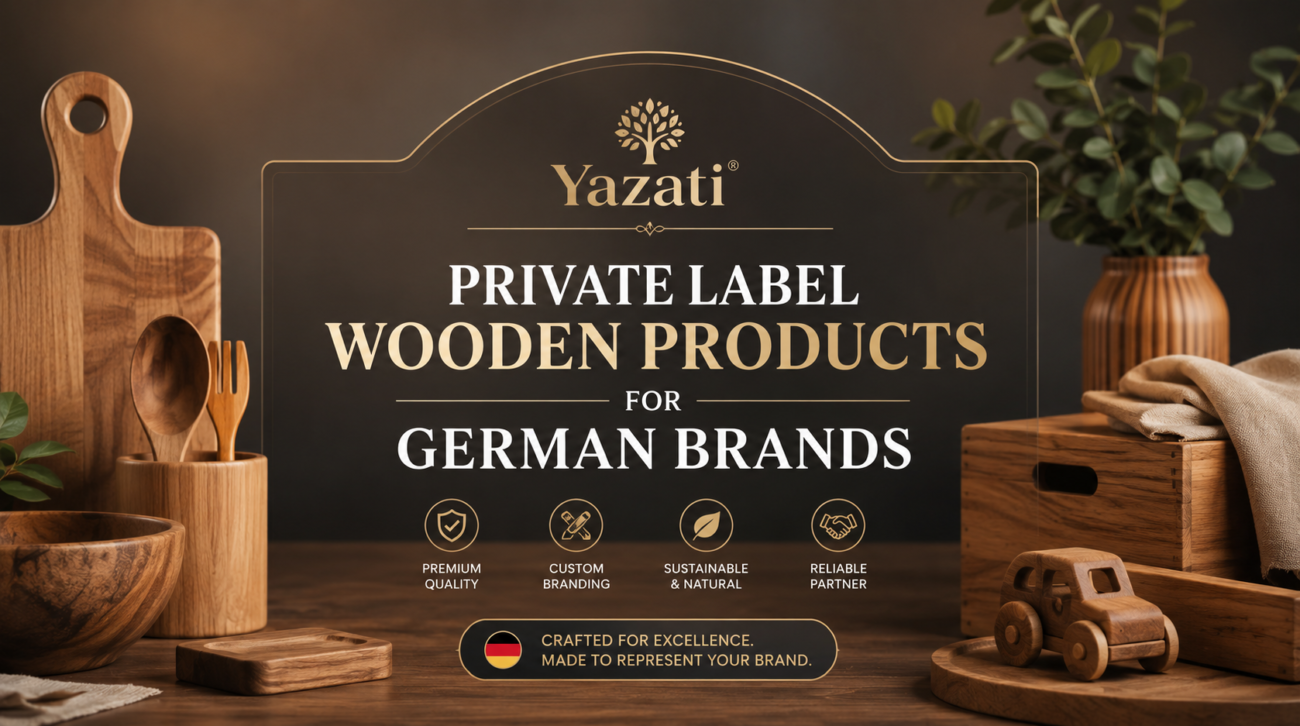
The demand for Private Label Wooden Products for German Brands has grown rapidly over the last decade. German consumers are increasingly choosing sustainable, durable, and environmentally friendly products over plastic alternatives. This shift has created massive opportunities for manufacturers and suppliers specializing in wooden products.
From wooden kitchen utensils to eco-friendly toys and home décor, private label wooden manufacturing is becoming one of the most profitable segments in Europe. German brands are searching for trusted suppliers that can provide high-quality craftsmanship, sustainable sourcing, and customized branding solutions.
In this article, you will learn everything about the private label wooden products market, manufacturing processes, supplier selection, compliance standards, and future trends.
Understanding the German Wooden Products Market
Germany is one of Europe’s strongest economies and has a highly environmentally conscious consumer base. Wooden products align perfectly with German values of sustainability, durability, and minimalist design.
Why German Consumers Prefer Wooden Products
German buyers appreciate products that are:
- Long-lasting
- Recyclable
- Natural-looking
- Non-toxic
- Eco-friendly
Wooden products often create a premium feel compared to plastic or synthetic materials. This emotional connection significantly increases purchasing decisions.
Consumers in Germany also associate wooden goods with:
- Traditional craftsmanship
- Health-conscious living
- Sustainable lifestyles
- Scandinavian-inspired interiors
As a result, brands that sell wooden products often enjoy stronger customer loyalty.
Sustainability Trends in Germany
Sustainability is no longer optional in Germany. It is a major purchasing factor.
Many German retailers and consumers actively search for:
- FSC-certified wood
- Plastic-free packaging
- Carbon-neutral production
- Ethical sourcing
According to environmental market trends, eco-friendly products continue to outperform conventional alternatives in Germany.
For more sustainability insights, visit:
https://www.fsc.org
Benefits of Private Label Wooden Products
Private labeling allows German brands to sell products under their own company name while outsourcing manufacturing to specialized producers.
This business model offers several major benefits.
Brand Customization Opportunities
Private label manufacturers can customize:
- Product shapes
- Logos
- Laser engraving
- Packaging
- Colors
- Product dimensions
This helps German companies create unique market identities without investing in their own factories.
For example, a wooden cutting board can include:
- Custom logo engraving
- Personalized packaging
- Premium gift wrapping
- QR-coded branding labels
These additions increase perceived product value dramatically.
Better Profit Margins
Private labeling usually provides higher profit margins because brands can:
- Control pricing
- Create exclusive designs
- Position products as premium
- Reduce competition
Wooden products especially allow for premium pricing because they are perceived as handcrafted and sustainable.
Eco-Friendly Market Positioning
Eco-conscious branding is a huge advantage in Germany.
Companies selling sustainable wooden products can market themselves as:
- Green businesses
- Plastic-free brands
- Ethical lifestyle companies
- Environmentally responsible retailers
This positioning helps attract younger and environmentally aware customers.
Popular Wooden Products for German Brands
Several wooden product categories perform extremely well in the German market.
Wooden Kitchenware
Kitchen products remain among the best-selling wooden items.
Cutting Boards
Wooden cutting boards are popular because they are:
- Durable
- Hygienic
- Attractive
- Knife-friendly
German consumers particularly prefer oak, walnut, and bamboo cutting boards.
Wooden Spoons and Utensils
Eco-friendly kitchen utensils are replacing silicone and plastic alternatives.
Popular items include:
- Wooden spatulas
- Salad servers
- Mixing spoons
- Cooking chopsticks
Minimalist designs are especially attractive in German kitchens.
Wooden Home Décor
Wooden home décor products continue to grow in popularity.
Examples include:
- Candle holders
- Wall shelves
- Wooden clocks
- Decorative trays
- Plant stands
German interior design trends often focus on natural materials and clean aesthetics.
Wooden Toys
Germany has strict toy safety regulations, but wooden toys remain highly trusted by parents.
Popular products include:
- Montessori toys
- Wooden puzzles
- Educational blocks
- Pull-along toys
Parents appreciate their durability and non-toxic nature.
Wooden Furniture Accessories
Small wooden furniture accessories are also profitable.
These include:
- Drawer organizers
- Laptop stands
- Wooden monitor risers
- Bedside trays
Remote work trends have increased demand for ergonomic wooden office accessories.
Choosing the Right Wood Materials
Material selection is critical in private label manufacturing.
Bamboo vs Hardwood
Bamboo
Advantages:
- Fast-growing
- Sustainable
- Lightweight
- Affordable
Disadvantages:
- Less durable than hardwood
- May crack under moisture stress
Hardwood
Advantages:
- Premium appearance
- Long-lasting
- Strong durability
Disadvantages:
- More expensive
- Heavier shipping weight
German premium brands often choose hardwood because of its luxury feel.
FSC-Certified Wood Importance
German retailers strongly prefer FSC-certified wood products because certification proves responsible forest management.
FSC certification improves:
- Consumer trust
- Retail acceptance
- Export opportunities
- Brand credibility
Without certification, entering major German retail chains can become difficult.
Manufacturing Process for Private Label Wooden Products
Professional manufacturing requires multiple stages.
Product Design and Sampling
The process begins with:
- Product sketches
- CAD designs
- Prototype creation
- Sample approval
German buyers often request several sample revisions before mass production.
Precision and detail are extremely important.
Production and Quality Control
Quality control includes:
- Moisture testing
- Surface finishing
- Load testing
- Splinter inspection
- Logo accuracy checks
German importers typically expect very low defect rates.
Packaging and Branding
Premium packaging significantly impacts sales.
Popular packaging styles include:
- Kraft paper boxes
- Recycled cardboard
- Minimalist monochrome printing
- Biodegradable wrapping
Sustainable packaging supports eco-friendly branding strategies.
Compliance and German Import Regulations
Germany has strict compliance standards.
CE Standards and Certifications
Some wooden products may require:
- CE certification
- EN71 toy safety testing
- Food-safe coatings
- REACH compliance
Ignoring compliance standards can lead to shipment rejection.
Eco Packaging Requirements
Germany encourages reduced packaging waste.
Many brands now require:
- Plastic-free packaging
- Recyclable materials
- Soy-based inks
Eco-compliance strengthens brand reputation.
How German Brands Select Suppliers
Choosing the right manufacturing partner is essential.
Supplier Reliability
German companies value:
- Consistent communication
- On-time delivery
- Stable product quality
- Ethical sourcing
Trust is a major factor in long-term supplier relationships.
MOQ and Production Capacity
Manufacturers should clearly communicate:
- Minimum order quantities
- Monthly production limits
- Lead times
- Scaling ability
German brands prefer suppliers capable of long-term growth partnerships.
Communication and Logistics
Fast response times and transparent updates are critical.
Successful exporters usually provide:
- English-speaking sales teams
- Shipping tracking
- Inspection reports
- Real-time production updates
This improves buyer confidence significantly.
Branding Strategies for Wooden Products
Effective branding helps products stand out.
Minimalist German Packaging Design
German consumers generally prefer:
- Clean layouts
- Neutral colors
- Functional design
- Minimal text
Overly flashy packaging may reduce perceived quality.
Sustainable Storytelling
Customers connect emotionally with sustainability stories.
Brands often highlight:
- Handcrafted production
- Ethical sourcing
- Family-owned factories
- Eco-friendly missions
Storytelling strengthens customer trust and loyalty.
Challenges in the Wooden Products Industry
Despite strong demand, challenges exist.
Raw Material Costs
Wood prices fluctuate because of:
- Supply shortages
- Environmental regulations
- Global demand increases
Manufacturers must carefully manage sourcing costs.
Shipping Delays
International shipping disruptions can affect:
- Lead times
- Seasonal sales
- Retail inventory planning
Strong logistics partnerships are essential.
Product Moisture and Durability
Improper moisture control may cause:
- Warping
- Cracking
- Mold growth
Professional drying and sealing processes are critical.
Future Trends in Wooden Products
The future looks very promising for wooden products.
Smart Eco Products
New innovations include:
- Wooden wireless chargers
- Smart desk accessories
- Eco-tech home décor
Technology and sustainability are beginning to merge.
Personalized Wooden Gifts
Customized products continue to grow rapidly.
Popular personalization methods include:
- Laser engraving
- Name carving
- Custom gift messages
German consumers love meaningful and unique gifts.
Frequently Asked Questions
1. Why are wooden products popular in Germany?
German consumers prefer wooden products because they are sustainable, durable, and aesthetically pleasing.
2. What certifications are important for wooden products?
FSC certification, CE compliance, and food-safe testing are among the most important certifications.
3. Which wooden products sell best in Germany?
Kitchenware, toys, home décor, and office accessories perform especially well.
4. Is bamboo better than hardwood?
Bamboo is more sustainable and affordable, while hardwood offers greater durability and premium appeal.
5. How can brands customize private label wooden products?
Brands can customize logos, packaging, dimensions, colors, and engravings.
6. What packaging style works best for German consumers?
Minimalist and eco-friendly packaging tends to perform best.
Conclusion
The market for Private Label Wooden Products for German Brands continues to expand as sustainability becomes increasingly important across Europe. German consumers value eco-friendly materials, premium craftsmanship, and minimalist design, making wooden products an ideal choice for modern brands.
Businesses that focus on quality manufacturing, sustainable sourcing, strong branding, and compliance standards can build highly profitable product lines in Germany’s growing eco-conscious market.
As demand rises for environmentally responsible products, private label wooden manufacturing offers tremendous long-term opportunities for suppliers and brands alike.
✨ Discover Global Sourcing Excellence with Netyex ✨
Netyex is your trusted B2B sourcing partner, connecting international buyers with India’s finest manufacturers and curated product lines—from handicrafts and home décor to kitchenware, textiles, hospitality essentials, and more. With verified suppliers and end-to-end support, we make global procurement seamless, reliable, and efficient.
👉 Elevate your sourcing experience—explore Netyex today.
📦 Bulk orders & customisation | 🌍 Worldwide delivery | 🤝 Trusted by global buyers
Visit Netyex to source premium Indian products with confidence.