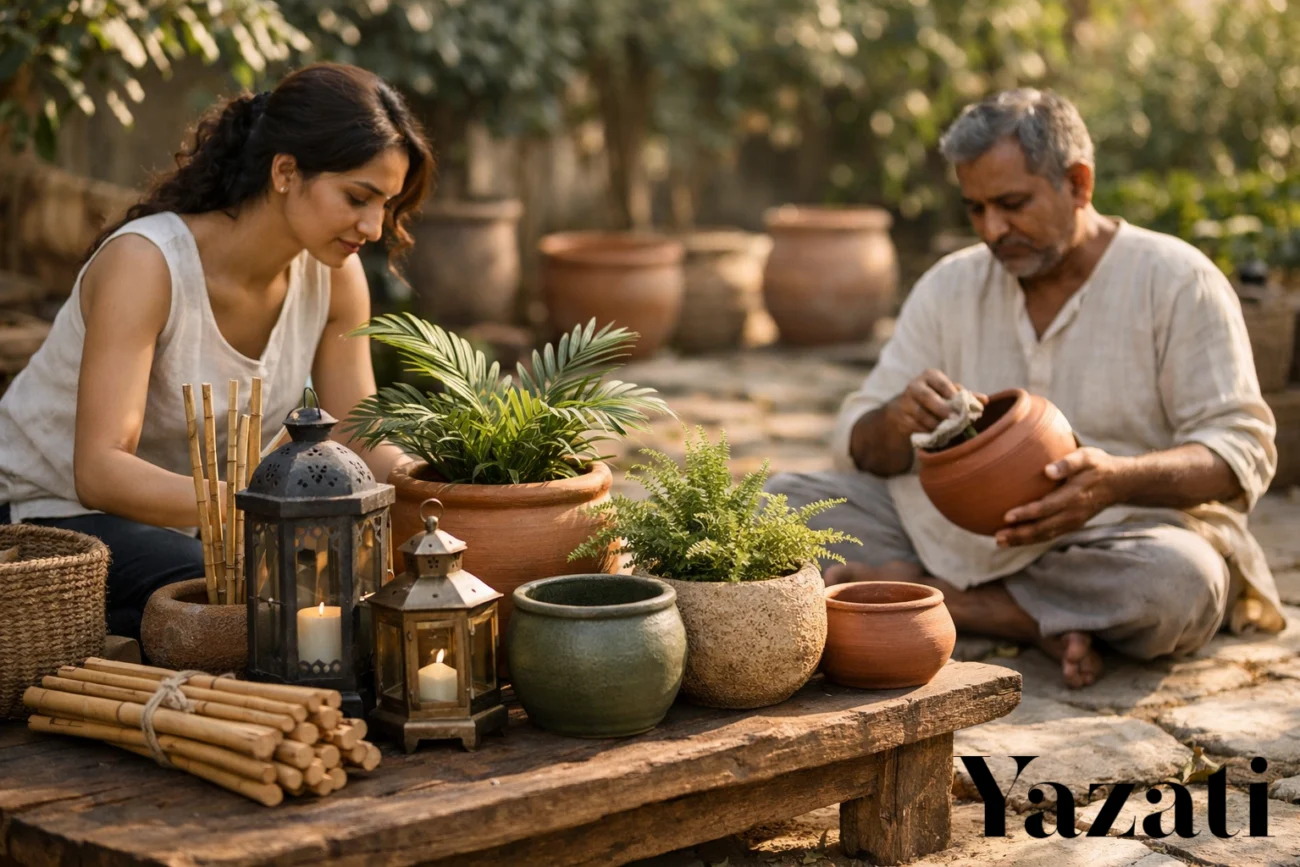
Introduction: The Rise of Sustainable Garden Décor in India
In recent years, a powerful eco-conscious movement has taken root across the globe. One of the most inspiring examples of this movement can be seen in India, where sustainable living is influencing the way people design their homes and gardens. The concept highlighted in The Eco-Trend: How India Leads in Sustainable Garden Décor reflects a growing awareness of environmental responsibility combined with creativity and tradition.
Gardens are no longer just decorative outdoor spaces. Today, they are becoming eco-friendly sanctuaries that support biodiversity, reduce waste, and promote a healthier lifestyle. Across India, homeowners, designers, and artisans are embracing natural materials, recycled products, and traditional techniques to create beautiful yet sustainable garden décor.
What makes India stand out in this trend is its deep-rooted cultural connection with nature. From ancient architectural principles to rural craftsmanship, sustainability has long been part of Indian living. Modern eco-friendly garden décor simply revives and adapts these age-old practices for contemporary lifestyles.
In cities and villages alike, people are choosing clay planters instead of plastic, bamboo furniture instead of synthetic materials, and recycled décor items instead of mass-produced imports. This shift not only protects the environment but also supports local artisans and traditional crafts.
This article explores The Eco-Trend: How India Leads in Sustainable Garden Décor, examining its origins, key materials, innovative design ideas, and the cultural values that make India a leader in eco-conscious outdoor design.
Understanding Sustainable Garden Décor
Sustainable garden décor refers to decorative elements designed with minimal environmental impact. The goal is to create attractive outdoor spaces while preserving natural resources.
Key principles include:
- Using natural and renewable materials
- Repurposing recycled items
- Supporting local craftsmanship
- Reducing carbon footprint
- Promoting biodiversity
Unlike conventional garden decorations made from plastic or chemically treated materials, sustainable décor focuses on durability and eco-friendliness.
In India, this concept blends modern sustainability goals with traditional craftsmanship. Artisans often use techniques passed down through generations to produce eco-friendly products that are both functional and beautiful.
Why India Is Leading the Sustainable Garden Movement
India’s leadership in sustainable garden décor is not accidental. Several factors contribute to this growing influence.
Cultural Respect for Nature
Indian philosophy has long emphasized harmony between humans and nature. Concepts like sacred groves, temple gardens, and courtyard plants highlight the importance of greenery in daily life.
Many households maintain small gardens with medicinal plants, flowers, and vegetables. This tradition naturally encourages sustainable gardening practices.
Traditional Craftsmanship
India’s artisan communities create eco-friendly products using materials such as clay, bamboo, jute, stone, and wood. These handcrafted items are biodegradable and long-lasting.
Unlike factory-made décor, handcrafted pieces often use minimal machinery and produce less environmental pollution.
Government and Community Initiatives
Various environmental campaigns encourage sustainable living practices, including urban gardening and waste reduction. Many communities promote composting, rainwater harvesting, and organic gardening.
These initiatives strengthen India’s role in the eco-friendly garden décor movement.
Popular Eco-Friendly Materials Used in Indian Garden Décor
One of the defining features of The Eco-Trend: How India Leads in Sustainable Garden Décor is the creative use of natural materials.
Terracotta
Terracotta is one of the most widely used materials for sustainable garden décor in India. Made from natural clay, terracotta products are biodegradable and breathable.
Common terracotta garden items include:
- Plant pots
- Decorative figurines
- Garden lamps
- Bird feeders
Terracotta helps regulate soil moisture and keeps plant roots healthy.
Bamboo
Bamboo is a fast-growing renewable resource widely used in Indian eco-design.
Bamboo garden décor may include:
- Outdoor furniture
- Garden fences
- Decorative arches
- Planters
Because bamboo grows quickly and requires little maintenance, it is considered one of the most sustainable building materials.
Reclaimed Wood
Recycled wood from old furniture or construction materials is often repurposed into garden décor. This reduces waste and gives wood a second life.
Popular reclaimed wood items include:
- Garden benches
- Plant stands
- Decorative signboards
- Garden pathways
Natural Stone
Stone elements add durability and elegance to eco-friendly gardens.
Examples include:
- Stone sculptures
- Pathways
- Water features
- Garden borders
Stone requires little maintenance and can last for decades.
Traditional Indian Crafts Influencing Garden Décor
Sustainable garden décor in India also draws inspiration from traditional art forms.
Dhokra Metal Art
Dhokra is an ancient metal casting technique practiced in several regions of India. Artisans create rustic figurines, animal sculptures, and decorative objects.
These handmade pieces are often used as garden accents.
Blue Pottery
Blue pottery from Rajasthan is famous for its vibrant colors and delicate designs. Many people use these pieces as decorative pots or water features in gardens.
Handwoven Jute Décor
Jute is a natural fiber widely used for eco-friendly garden accessories such as:
- Hanging baskets
- Outdoor rugs
- Decorative lantern covers
Because jute is biodegradable, it fits perfectly with sustainable gardening principles.
Creative Sustainable Garden Décor Ideas
Homeowners across India are experimenting with innovative ways to decorate their gardens sustainably.
Upcycled Planters
Old containers can easily be transformed into plant pots.
Examples include:
- Tin cans
- Clay utensils
- Wooden crates
- Coconut shells
These creative planters reduce waste and add character to gardens.
Vertical Gardens
Vertical gardening is becoming popular in urban spaces where land is limited.
Benefits include:
- Space-saving design
- Improved air quality
- Enhanced visual appeal
Vertical gardens often use recycled materials such as wooden pallets or plastic bottles.
Solar Garden Lighting
Solar-powered lights provide eco-friendly illumination without increasing electricity consumption.
Common types include:
- Solar lanterns
- Pathway lights
- Decorative string lights
These lights charge during the day and automatically illuminate gardens at night.
Urban Gardening and Eco Décor
India’s major cities are experiencing rapid urbanization, which often reduces green spaces. Sustainable garden décor helps urban residents reconnect with nature.
Balconies, terraces, and rooftops are now being transformed into mini gardens using eco-friendly design elements.
Urban gardeners often use:
- Lightweight clay pots
- Bamboo trellises
- Recycled wooden furniture
- Organic compost bins
These solutions allow people living in apartments to enjoy greenery while practicing sustainability.
Benefits of Sustainable Garden Décor
Adopting eco-friendly garden décor offers numerous advantages.
Environmental Protection
Natural materials reduce plastic waste and lower pollution levels.
Support for Local Artisans
Buying handcrafted décor supports rural communities and preserves traditional skills.
Healthier Outdoor Spaces
Eco-friendly gardens encourage biodiversity and attract birds, butterflies, and beneficial insects.
Long-Term Cost Savings
Many sustainable materials are durable and require less maintenance than synthetic alternatives.
Challenges in Sustainable Garden Décor
Despite its benefits, eco-friendly garden décor also faces some challenges.
Limited Awareness
Some homeowners are still unfamiliar with sustainable gardening practices.
Higher Initial Costs
Handcrafted products may cost more than mass-produced décor items. However, they often last longer.
Maintenance Requirements
Natural materials sometimes require proper care to maintain their appearance and durability.
Future of Sustainable Garden Décor in India
The future looks bright for The Eco-Trend: How India Leads in Sustainable Garden Décor. Growing environmental awareness and climate concerns are encouraging more people to adopt eco-friendly practices.
Several trends are expected to shape the future:
- Increased use of recycled materials
- Smart irrigation systems for water conservation
- Greater demand for handcrafted décor
- Integration of native plants into garden design
As sustainability becomes a global priority, India’s eco-conscious gardening traditions are likely to influence international design trends.
FAQs About The Eco-Trend: How India Leads in Sustainable Garden Décor
1. What is sustainable garden décor?
Sustainable garden décor refers to decorative outdoor items made from environmentally friendly materials that minimize ecological impact.
2. Why is India known for sustainable garden décor?
India combines traditional craftsmanship, natural materials, and cultural respect for nature, making it a leader in eco-friendly garden design.
3. Which materials are commonly used in sustainable garden décor?
Popular materials include terracotta, bamboo, reclaimed wood, natural stone, and jute.
4. Can sustainable garden décor be affordable?
Yes. Many eco-friendly décor ideas involve recycling or repurposing household items, making them cost-effective.
5. How can small spaces adopt sustainable garden décor?
Balconies, rooftops, and terraces can use vertical gardens, recycled planters, and bamboo furniture to create eco-friendly green spaces.
6. Does sustainable décor require special maintenance?
Natural materials may require occasional cleaning or protection from extreme weather, but they generally last longer than plastic décor.
Conclusion
The growing interest in eco-conscious living has brought sustainable garden décor into the spotlight. As highlighted in The Eco-Trend: How India Leads in Sustainable Garden Décor, India’s rich traditions, natural materials, and artisan craftsmanship provide a powerful model for environmentally responsible design.
From terracotta planters and bamboo furniture to recycled décor and vertical gardens, Indian gardens demonstrate how sustainability and beauty can coexist. These practices not only protect the environment but also preserve cultural heritage and support local communities.
As more people around the world seek greener lifestyles, India’s sustainable garden décor movement offers inspiration for creating outdoor spaces that are both stylish and environmentally friendly.
✨ Discover Global Sourcing Excellence with Netyex ✨
Netyex is your trusted B2B sourcing partner, connecting international buyers with India’s finest manufacturers and curated product lines—from handicrafts and home décor to kitchenware, textiles, hospitality essentials, and more. With verified suppliers and end-to-end support, we make global procurement seamless, reliable, and efficient.
👉 Elevate your sourcing experience—explore Netyex today.
📦 Bulk orders & customisation | 🌍 Worldwide delivery | 🤝 Trusted by global buyers
Visit Netyex to source premium Indian products with confidence.