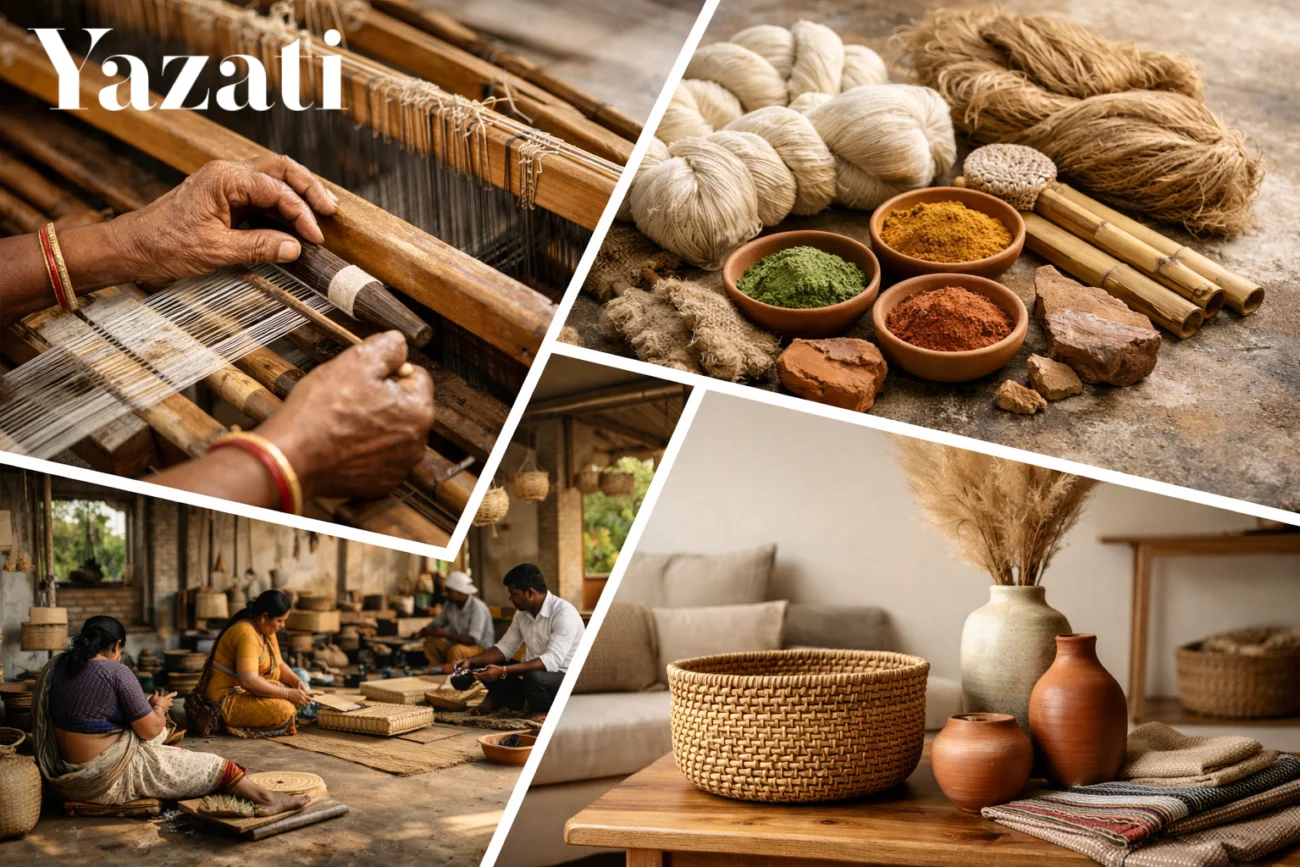
Introduction to Sustainable Handmade Products
Sustainability has become more than just a buzzword—it’s now a necessity. With climate change, pollution, and overconsumption on the rise, people are actively searching for eco-friendly alternatives. One powerful way to contribute is by understanding the sustainability impact of buying handmade from India.
Handmade products are not just beautiful—they carry stories, culture, and environmental responsibility. Unlike factory-made goods, handmade items are crafted with care, often using natural materials and traditional techniques that minimize harm to the planet.
What Does Handmade Really Mean?
Handmade products are created by skilled artisans using their hands or simple tools rather than heavy machinery. These items include textiles, pottery, jewelry, wooden crafts, and more.
Key characteristics:
- Unique and one-of-a-kind
- Made in small batches
- Crafted with traditional methods
- Often eco-friendly
Why Sustainability Matters Today
Modern industrial production has led to:
- Massive carbon emissions
- Waste generation
- Resource depletion
Choosing handmade products helps reduce these issues significantly. It supports a slower, more mindful way of consumption that benefits both people and the planet.
The Sustainability Impact of Buying Handmade from India
India is one of the world’s richest hubs of handmade craftsmanship. From handwoven fabrics to intricate carvings, Indian artisans have preserved sustainable practices for centuries.
Environmental Advantages of Handmade Goods
Reduced Carbon Footprint
Handmade products require minimal energy compared to factory production. There are no large machines, assembly lines, or excessive transportation involved.
Benefits include:
- Lower greenhouse gas emissions
- Reduced electricity usage
- Smaller production scale
Minimal Use of Industrial Machinery
Since artisans rely on manual techniques, the dependency on fossil fuels is drastically reduced. This makes handmade production far more eco-friendly.
Ethical Production Practices
Fair Wages for Artisans
Buying handmade ensures that money goes directly to artisans rather than large corporations. This promotes fair trade and ethical labor practices.
Preservation of Traditional Skills
When you purchase handmade goods, you help keep centuries-old crafts alive. Without demand, many of these skills risk disappearing.
Economic Benefits of Supporting Indian Artisans
Strengthening Local Economies
Handmade industries are often based in rural areas. Supporting them:
- Boosts local income
- Reduces urban migration
- Encourages self-reliance
Empowering Rural Communities
Women Empowerment in Handicrafts
Many handmade sectors in India are driven by women artisans. Supporting these products:
- Promotes financial independence
- Improves education access
- Strengthens community roles
Eco-Friendly Materials Used in Indian Handmade Products
Natural Fibers and Organic Materials
Common materials include:
- Cotton
- Jute
- Bamboo
- Wool
These materials are biodegradable and renewable, making them ideal for sustainable living.
Upcycled and Recycled Materials
Many artisans use discarded materials to create new products. This reduces waste and promotes circular economy practices.
Examples:
- Recycled fabrics into bags
- Scrap wood into decor
- Metal waste into art pieces
Cultural Preservation Through Handmade Goods
Keeping Heritage Alive
India’s crafts are deeply rooted in history. Each product reflects regional identity and storytelling.
Promoting Cultural Diversity Globally
When people buy handmade items internationally, they help spread awareness of Indian culture and traditions.
Comparison: Handmade vs Mass-Produced Products
Sustainability Differences
| Factor | Handmade | Mass-Produced |
|---|---|---|
| Energy Use | Low | High |
| Waste | Minimal | Excessive |
| Materials | Natural | Synthetic |
| Carbon Footprint | Low | High |
Quality and Longevity
Handmade products are often more durable because artisans focus on quality rather than quantity. This reduces the need for frequent replacements.
Challenges in the Handmade Industry
Pricing Misconceptions
Many people assume handmade products are expensive. However, they reflect:
- Time
- Skill
- Ethical labor
Lack of Awareness
A major challenge is that consumers are unaware of the benefits of handmade goods. Education and awareness are key to change.
How to Identify Authentic Handmade Products
Key Signs of Genuine Craftsmanship
Look for:
- Slight imperfections (a sign of handmade work)
- Unique designs
- Artisan details
Certifications and Labels
Some products come with certifications that verify authenticity and ethical sourcing.
How Consumers Can Make Sustainable Choices
Conscious Buying Habits
- Buy less, choose better
- Avoid fast fashion
- Support local artisans
Supporting Ethical Brands
Choose brands that:
- Promote transparency
- Use sustainable materials
- Support artisan communities
Future of Handmade Sustainability in India
Digital Platforms Boosting Artisans
Online marketplaces are helping artisans reach global audiences, increasing demand for handmade products.
Government and NGO Initiatives
Various programs support:
- Skill development
- Market access
- Financial aid
FAQs
1. Why is buying handmade from India considered sustainable?
Because it uses eco-friendly materials, reduces carbon emissions, and supports ethical labor practices.
2. Are handmade products better for the environment?
Yes, they typically have a lower environmental impact compared to mass-produced goods.
3. How does buying handmade help artisans?
It provides fair income, preserves skills, and improves living conditions.
4. Are handmade items more expensive?
They may cost more upfront but offer better quality and longevity.
5. What materials are commonly used in Indian handmade products?
Natural materials like cotton, jute, bamboo, and recycled elements.
6. How can I ensure a product is truly handmade?
Look for uniqueness, imperfections, and artisan certifications.
Conclusion
Understanding the sustainability impact of buying handmade from India reveals how powerful consumer choices can be. Every purchase becomes a vote for ethical production, environmental care, and cultural preservation.
By choosing handmade, you’re not just buying a product—you’re supporting a movement. A movement that values people, planet, and purpose.
So next time you shop, think beyond convenience. Choose consciously. Choose handmade.
✨ Discover Global Sourcing Excellence with Netyex ✨
Netyex is your trusted B2B sourcing partner, connecting international buyers with India’s finest manufacturers and curated product lines—from handicrafts and home décor to kitchenware, textiles, hospitality essentials, and more. With verified suppliers and end-to-end support, we make global procurement seamless, reliable, and efficient.
👉 Elevate your sourcing experience—explore Netyex today.
📦 Bulk orders & customisation | 🌍 Worldwide delivery | 🤝 Trusted by global buyers
Visit Netyex to source premium Indian products with confidence.