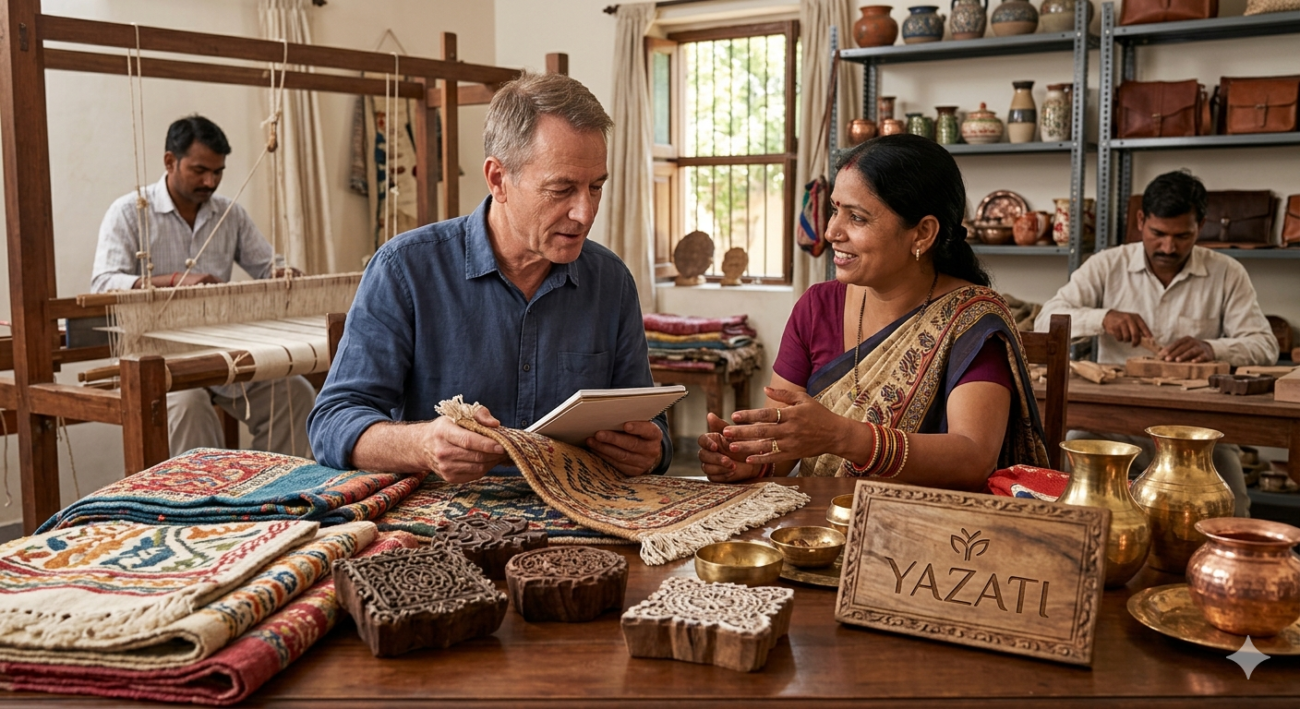
Understanding the Indian Handicrafts Market
India’s handicraft sector is one of the oldest and most culturally rich industries in the world. It reflects centuries of tradition, skill, and artistic expression passed down through generations. For those exploring how German importers can source Indian handicrafts, understanding this diverse market is the first crucial step.
Key Regions for Handicraft Production in India
Different regions specialize in unique crafts. For example, Rajasthan is famous for textiles and pottery, while Kashmir is known for carpets and shawls. Southern states like Tamil Nadu produce intricate bronze sculptures, and Uttar Pradesh excels in woodwork and brassware.
Each region offers something distinct, making it easier for importers to diversify their product range. Knowing where to source specific items can significantly improve efficiency and product authenticity.
Popular Categories of Indian Handicrafts
Indian handicrafts cover a wide spectrum:
- Textiles (embroidered fabrics, handloom products)
- Jewelry (traditional and modern designs)
- Home décor (wood carvings, metal art)
- Pottery and ceramics
This variety allows German importers to cater to multiple market segments, from luxury buyers to eco-conscious consumers.
Why German Importers Prefer Indian Handicrafts
Germany has a strong appreciation for craftsmanship, sustainability, and cultural products. Indian handicrafts align perfectly with these values.
Cultural Appeal and Craftsmanship
Indian products often tell a story. Whether it’s handwoven textiles or carved furniture, each item carries heritage and uniqueness. German consumers value authenticity, making these products highly desirable.
Cost Efficiency and Quality Balance
India offers competitive pricing without compromising quality. Skilled artisans produce high-quality goods at relatively lower costs, giving importers better margins.
Market Research Strategies for Importers
Before diving into sourcing, research is essential.
Identifying Trends in Germany
German consumers are increasingly leaning toward:
- Sustainable products
- Handmade goods
- Ethical sourcing
Studying these trends helps importers choose the right products.
Competitor Analysis
Analyze existing sellers in Germany. Look at pricing, product types, and customer reviews. This provides insight into gaps in the market.
Legal Requirements for Importing to Germany
Understanding legal frameworks is critical when learning how German importers can source Indian handicrafts.
Import Regulations and Certifications
Germany follows strict EU regulations. Importers must ensure:
- Proper labeling
- Safety compliance
- Environmental standards
Organizations like European Union set these guidelines.
Customs Duties and Taxes
Import duties vary depending on the product category. VAT (Value Added Tax) also applies, so accurate cost calculation is necessary.
Finding Reliable Indian Suppliers
Sourcing reliable suppliers is the backbone of successful importing.
Online B2B Platforms
Platforms like IndiaMART and Alibaba help connect buyers with verified sellers.
Trade Fairs and Exhibitions
Events like IHGF Delhi Fair are excellent for networking and product discovery.
Evaluating Supplier Credibility
Not all suppliers are equal. Proper evaluation reduces risks.
Quality Checks and Sampling
Always request samples before placing bulk orders. This ensures product quality matches expectations.
Certifications and Compliance
Look for certifications such as:
- ISO standards
- Fair Trade certification
These indicate reliability and ethical practices.
Negotiation and Pricing Strategies
Smart negotiation can significantly impact profitability.
Understanding Cost Structures
Costs include:
- Production
- Packaging
- Shipping
- Duties
Understanding these helps in effective negotiation.
Building Long-Term Partnerships
Long-term relationships often lead to better pricing and priority service.
Logistics and Shipping Considerations
Efficient logistics ensure timely delivery.
Choosing Shipping Methods
Options include:
- Air freight (faster but expensive)
- Sea freight (cost-effective for bulk)
Packaging and Handling
Proper packaging prevents damage and ensures compliance with import standards.
Payment Methods and Risk Management
Secure transactions are essential.
Secure Payment Options
Common methods:
- Letter of Credit (LC)
- Bank transfers
- Escrow services
Minimizing Financial Risks
Work with verified suppliers and use secure payment channels to avoid fraud.
Sustainability and Ethical Sourcing
Sustainability is no longer optional—it’s a necessity.
Eco-Friendly Materials
Many Indian artisans use natural materials like bamboo, jute, and clay.
Fair Trade Practices
Supporting fair wages and safe working conditions enhances brand reputation.
Organizations like World Fair Trade Organization promote ethical sourcing.
Marketing Indian Handicrafts in Germany
Once sourcing is complete, marketing becomes the focus.
Branding and Storytelling
Highlight the story behind each product. Customers connect emotionally with handcrafted goods.
Online and Offline Channels
Use:
- E-commerce platforms
- Social media
- Retail stores
This multi-channel approach increases visibility.
Challenges and How to Overcome Them
Importing comes with challenges, but they can be managed.
Cultural and Communication Barriers
Clear communication and patience help bridge cultural gaps.
Supply Chain Issues
Delays can occur due to logistics or production. Always have backup suppliers.
Future Trends in Handicraft Imports
The future looks promising for this sector.
Digital Transformation
Online sourcing and virtual trade fairs are becoming more common.
Growing Demand for Sustainable Products
Eco-conscious buying is increasing, especially in Europe.
FAQs
1. What are the best platforms to source Indian handicrafts?
Platforms like IndiaMART and Alibaba are widely used for sourcing.
2. Are Indian handicrafts profitable in Germany?
Yes, due to high demand for sustainable and handmade products.
3. What certifications are required for import?
EU compliance, safety standards, and proper labeling are essential.
4. How can I verify a supplier in India?
Check certifications, reviews, and request product samples.
5. What is the best shipping method?
Sea freight is ideal for bulk orders, while air freight suits smaller shipments.
6. Is ethical sourcing important in Germany?
Absolutely. German consumers value sustainability and fair trade practices.
Conclusion
Understanding how German importers can source Indian handicrafts opens the door to a highly profitable and culturally rich business opportunity. With the right research, reliable suppliers, and effective logistics, importers can build a sustainable and successful venture.
By focusing on quality, ethical sourcing, and strong branding, German businesses can tap into the growing demand for handcrafted products. The future of this trade is bright, especially with increasing global interest in sustainability and authenticity.
✨ Discover Global Sourcing Excellence with Netyex ✨
Netyex is your trusted B2B sourcing partner, connecting international buyers with India’s finest manufacturers and curated product lines—from handicrafts and home décor to kitchenware, textiles, hospitality essentials, and more. With verified suppliers and end-to-end support, we make global procurement seamless, reliable, and efficient.
👉 Elevate your sourcing experience—explore Netyex today.
📦 Bulk orders & customisation | 🌍 Worldwide delivery | 🤝 Trusted by global buyers
Visit Netyex to source premium Indian products with confidence.