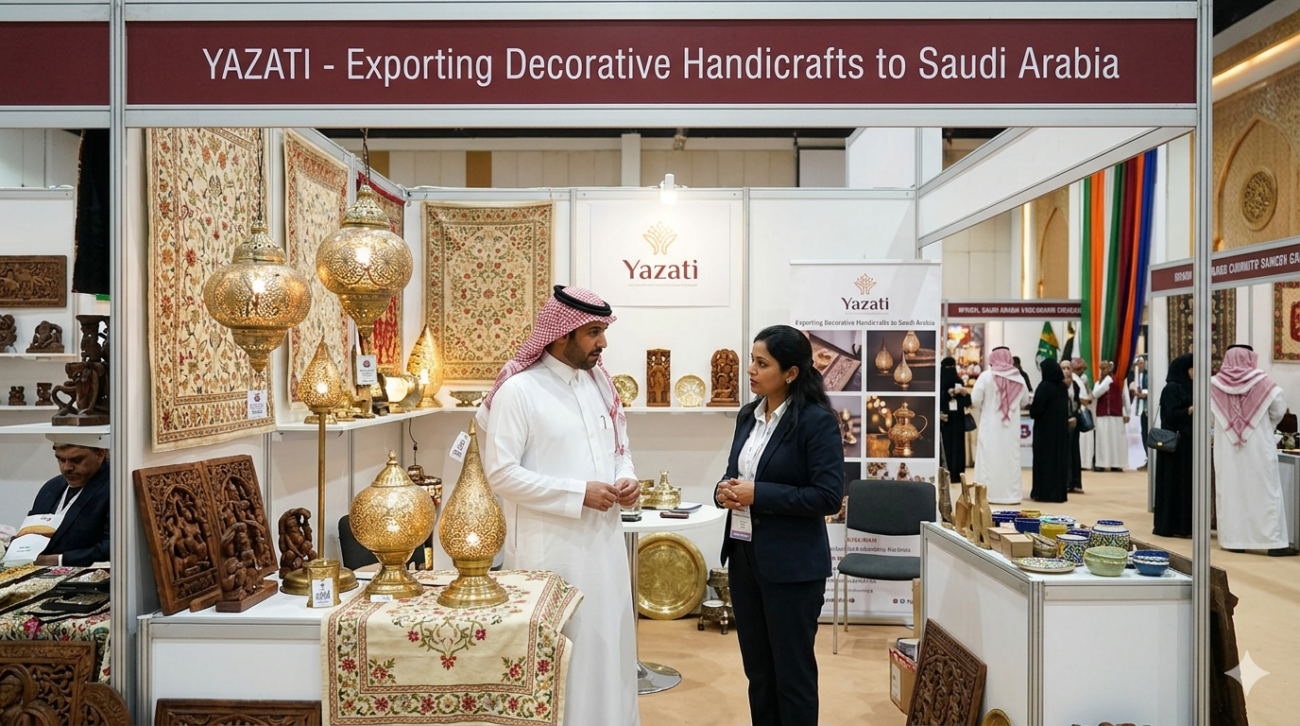
Introduction to the Saudi Handicrafts Market
Exporting Decorative Handicrafts to Saudi Arabia has become an increasingly attractive opportunity for artisans, small businesses, and exporters worldwide. Saudi Arabia is known for its strong economy, cultural richness, and growing demand for luxury and aesthetic home décor. As the country continues to diversify under Vision 2030, the demand for unique and handcrafted decorative items is on the rise.
Cultural Demand for Decorative Items
Saudi Arabian culture places great importance on interior decoration, hospitality, and aesthetics. Homes, offices, and commercial spaces often showcase intricate décor pieces that reflect tradition and elegance. Decorative handicrafts such as carved wooden items, metal lanterns, and Islamic art pieces are especially popular.
Consumers in Saudi Arabia appreciate products that combine cultural authenticity with artistic craftsmanship. This creates a strong opportunity for exporters offering handmade goods with a unique story behind them.
Growth of Luxury and Home Décor Segments
The luxury market in Saudi Arabia is booming. With rising disposable incomes and an increasing focus on lifestyle upgrades, consumers are willing to invest in premium décor items. This trend has significantly boosted the demand for decorative handicrafts.
Additionally, the expansion of hospitality sectors such as hotels, resorts, and cafes has further fueled the need for artistic and decorative pieces.
Why Exporting Decorative Handicrafts to Saudi Arabia is Profitable
Exporting Decorative Handicrafts to Saudi Arabia is not just a trend—it’s a highly profitable business venture when approached strategically.
Strong Purchasing Power
Saudi Arabia has one of the highest per capita incomes in the Middle East. This translates into strong purchasing power, especially for non-essential items like decorative handicrafts.
Consumers are often willing to pay a premium for high-quality, unique, and imported products.
Preference for Handmade & Unique Products
Mass-produced items are losing appeal among affluent buyers. Instead, there is a growing preference for handmade, customized, and artistic products.
This shift works in favor of handicraft exporters, as their products naturally align with these preferences.
Types of Decorative Handicrafts in Demand
Understanding product demand is crucial when exporting decorative handicrafts to Saudi Arabia.
Wooden Handicrafts
Hand-carved wooden décor items such as wall panels, furniture accents, and sculptures are highly popular. Products made from sustainable wood sources have an added advantage.
Metal Art and Islamic Calligraphy
Metal lanterns, brass artifacts, and Islamic calligraphy pieces are in high demand. These items resonate deeply with cultural and religious aesthetics.
Textile and Embroidery Items
Decorative cushions, rugs, and embroidered wall hangings are widely used in Saudi homes. Rich fabrics and traditional patterns attract buyers.
Market Research for Saudi Arabia
Before entering the market, thorough research is essential.
Understanding Consumer Preferences
Saudi consumers prefer:
- High-quality craftsmanship
- Elegant and luxurious designs
- Cultural relevance
Products that reflect Islamic art or Middle Eastern aesthetics tend to perform better.
Competitor Analysis
Analyze competitors from countries like Turkey, Morocco, and China. Identify their pricing, product range, and marketing strategies to position your offerings effectively.
Export Regulations and Documentation
Exporting Decorative Handicrafts to Saudi Arabia requires compliance with both domestic and Saudi regulations.
Required Export Documents
Common documents include:
- Commercial Invoice
- Packing List
- Certificate of Origin
- Bill of Lading
- Export License
Saudi Import Regulations
Saudi Arabia has strict import regulations. Ensure:
- Products comply with cultural norms
- Labels are in Arabic where required
- No prohibited materials are used
Pricing Strategy for Saudi Market
Pricing plays a critical role in success.
Costing and Profit Margins
Include:
- Production cost
- Packaging cost
- Shipping and logistics
- Duties and taxes
Maintain a healthy profit margin while staying competitive.
Competitive Pricing Techniques
Offer:
- Bulk discounts
- Tiered pricing
- Customization options
Packaging and Labeling Requirements
Packaging is more than protection—it’s part of the product experience.
Cultural Sensitivity in Packaging
Avoid imagery or symbols that may be culturally inappropriate. Use elegant and minimalistic designs.
Sustainable Packaging Trends
Eco-friendly packaging is gaining popularity globally, including in Saudi Arabia.
Shipping and Logistics
Efficient logistics ensure timely delivery and customer satisfaction.
Choosing the Right Shipping Method
Options include:
- Air freight (faster but expensive)
- Sea freight (cost-effective for bulk orders)
Freight and Delivery Timelines
Plan shipments carefully to avoid delays, especially during peak seasons like Ramadan.
Finding Buyers in Saudi Arabia
Connecting with the right buyers is crucial.
B2B Platforms
Use platforms like:
- Alibaba
- Global Sources
- TradeIndia
Trade Fairs and Exhibitions
Participate in international trade shows to showcase your products and build connections.
Marketing Strategies for Exporters
Marketing helps you stand out in a competitive market.
Digital Marketing
Invest in:
- SEO
- Email marketing
- Content marketing
For more insights on global trade strategies, visit this helpful resource:
👉 https://www.trade.gov/
Social Media Promotion
Platforms like Instagram and Pinterest are ideal for showcasing visually appealing handicrafts.
Payment Methods and Risk Management
Secure transactions are essential.
Secure Payment Options
Use:
- Letters of Credit (LC)
- Advance payments
- Escrow services
Managing Currency Risks
Work with financial institutions to hedge against currency fluctuations.
Challenges in Exporting Handicrafts
Every business comes with challenges.
Cultural Differences
Understanding Saudi culture is essential to avoid missteps.
Regulatory Barriers
Compliance can be complex but manageable with proper guidance.
Tips for Long-Term Success
Building Relationships
Strong relationships with buyers lead to repeat business.
Quality Assurance
Consistency in quality builds trust and brand reputation.
FAQs
1. Is exporting decorative handicrafts to Saudi Arabia profitable?
Yes, due to high demand and strong purchasing power.
2. What products sell best in Saudi Arabia?
Wooden crafts, metal art, and textile décor items.
3. Do I need special certification?
Yes, depending on the product category and Saudi regulations.
4. How can I find buyers?
Through B2B platforms and trade fairs.
5. What is the best shipping method?
Sea freight for bulk, air freight for urgent deliveries.
6. Are there cultural restrictions?
Yes, avoid inappropriate designs or symbols.
Conclusion
Exporting Decorative Handicrafts to Saudi Arabia offers immense growth potential for artisans and exporters. With the right strategy, market understanding, and compliance, businesses can tap into a lucrative and expanding market. By focusing on quality, cultural relevance, and strong partnerships, exporters can build a sustainable and profitable venture.
✨ Discover Global Sourcing Excellence with Netyex ✨
Netyex is your trusted B2B sourcing partner, connecting international buyers with India’s finest manufacturers and curated product lines—from handicrafts and home décor to kitchenware, textiles, hospitality essentials, and more. With verified suppliers and end-to-end support, we make global procurement seamless, reliable, and efficient.
👉 Elevate your sourcing experience—explore Netyex today.
📦 Bulk orders & customisation | 🌍 Worldwide delivery | 🤝 Trusted by global buyers
Visit Netyex to source premium Indian products with confidence.