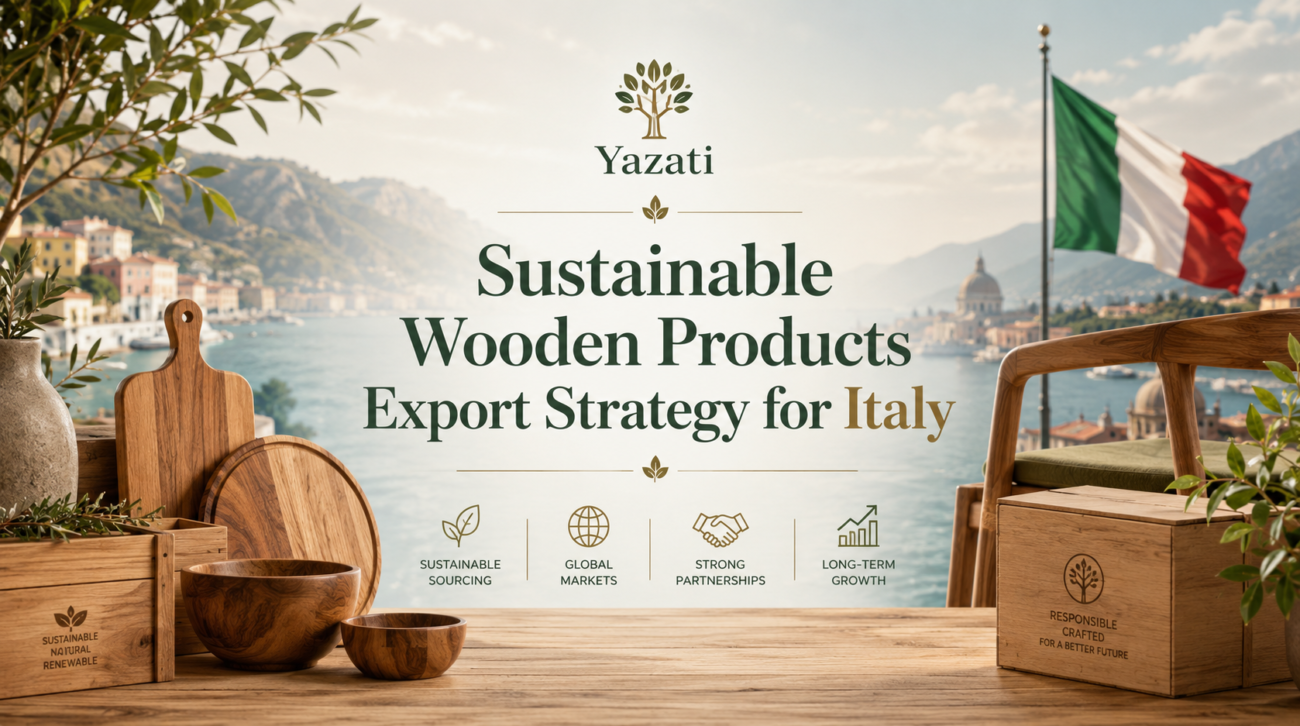
Italy is one of Europe’s most attractive destinations for exporters of environmentally responsible wooden goods. With increasing consumer awareness of sustainability, demand for responsibly sourced timber products continues to rise across furniture, home décor, packaging, and construction sectors.
A successful Sustainable Wooden Products Export Strategy for Italy requires more than simply shipping products overseas. Exporters must understand market trends, comply with European regulations, obtain relevant certifications, establish efficient logistics, and develop strong relationships with Italian buyers.
This guide provides a comprehensive roadmap for companies seeking long-term success in the Italian market.
Understanding the Italian Market for Sustainable Wooden Products
Italy has a strong tradition of craftsmanship, furniture manufacturing, and design excellence. Consumers increasingly seek products that combine quality, aesthetics, and environmental responsibility.
Market Size and Growth Trends
The Italian market for sustainable products has experienced steady growth due to:
- Rising environmental awareness
- Government support for green initiatives
- Increased demand for certified wood products
- Expansion of sustainable construction projects
Businesses that demonstrate sustainability throughout their supply chain often gain a competitive advantage.
Consumer Preferences for Eco-Friendly Products
Italian consumers tend to value:
- Natural materials
- Ethical sourcing
- Durable products
- Minimal environmental impact
- Transparent production practices
Companies that communicate these values effectively often enjoy stronger customer loyalty.
Why Italy Is an Attractive Export Destination
Demand for Sustainable Furniture and Wood Products
Italy remains one of Europe’s largest furniture markets. Sustainable wood products are increasingly used in:
- Residential furniture
- Office furniture
- Hospitality projects
- Luxury interiors
- Retail spaces
The premium segment is particularly receptive to environmentally responsible products.
Green Building and Interior Design Trends
Architects and designers increasingly specify:
- FSC-certified wood
- Low-emission materials
- Recyclable components
- Sustainable interior solutions
This creates significant opportunities for exporters offering certified wooden products.
Identifying High-Potential Sustainable Wooden Product Categories
Furniture and Home Décor
Popular categories include:
- Dining tables
- Chairs
- Shelving systems
- Decorative wooden accessories
- Handmade artisan products
Products that combine sustainability with contemporary Italian design preferences tend to perform best.
Kitchenware and Household Items
Growing demand exists for:
- Wooden cutting boards
- Serving trays
- Storage containers
- Eco-friendly utensils
Consumers increasingly prefer natural alternatives to plastic products.
Wooden Packaging Solutions
Sustainable packaging has become a priority for many businesses.
Examples include:
- Wooden crates
- Wine packaging
- Luxury gift boxes
- Reusable transport packaging
Regulatory Requirements for Exporting to Italy
Compliance is critical when implementing a Sustainable Wooden Products Export Strategy for Italy.
European Union Timber Regulations
Exporters must ensure timber originates from legal sources and maintain documentation demonstrating compliance.
Key requirements include:
- Traceability systems
- Supplier verification
- Risk assessment procedures
Product Safety and Compliance Standards
Products may need to satisfy:
- Product safety requirements
- Chemical content restrictions
- Packaging regulations
- Labeling standards
Working with experienced compliance consultants can reduce regulatory risks.
Sustainability Certifications That Matter
Certifications help establish credibility and trust.
FSC Certification
The Forest Stewardship Council certification is widely recognized across Europe.
Benefits include:
- Enhanced buyer confidence
- Greater market access
- Strong sustainability positioning
PEFC Certification
The Programme for the Endorsement of Forest Certification certification demonstrates responsible forest management.
Many Italian importers specifically request certified products.
Environmental Product Declarations
EPDs provide transparent environmental data and support procurement decisions in construction and design projects.
Supply Chain Optimization for Export Success
Responsible Sourcing of Raw Materials
Successful exporters prioritize:
- Certified forests
- Ethical suppliers
- Sustainable harvesting methods
- Full traceability
Responsible sourcing strengthens both compliance and brand reputation.
Sustainable Manufacturing Practices
Best practices include:
- Energy-efficient production
- Waste reduction programs
- Water conservation
- Recycling initiatives
These efforts can also reduce operating costs over time.
Pricing Strategy for the Italian Market
Competitive Positioning
Pricing should account for:
| Cost Element | Consideration |
|---|---|
| Raw Materials | Certified timber premiums |
| Manufacturing | Sustainability investments |
| Shipping | Freight and insurance |
| Duties & Taxes | Applicable import costs |
| Marketing | Localization expenses |
Premium Versus Mass Market Segments
Italian consumers often pay higher prices for:
- Certified products
- Superior craftsmanship
- Unique designs
- Strong sustainability credentials
Exporters should evaluate whether a premium strategy aligns with their capabilities.
Branding and Market Differentiation
Building an Eco-Friendly Brand Story
A compelling brand narrative should highlight:
- Sustainable sourcing
- Artisan craftsmanship
- Community impact
- Environmental commitments
Stories help buyers connect emotionally with products.
Communicating Sustainability Credentials
Marketing materials should clearly present:
- Certifications
- Carbon reduction efforts
- Supply chain transparency
- Product lifecycle benefits
Trust is essential in sustainability-focused markets.
Distribution Channels in Italy
Importers and Distributors
Partnering with specialized distributors can accelerate market entry.
Benefits include:
- Local market expertise
- Existing customer networks
- Regulatory knowledge
- Sales support
Online Marketplaces and E-Commerce
Digital channels continue expanding.
Potential options include:
- B2B platforms
- Company-owned websites
- Specialized eco-friendly marketplaces
Localized Italian-language content significantly improves engagement.
Logistics and Shipping Considerations
Port Selection and Freight Planning
Common entry points include major Italian ports such as:
- Port of Genoa
- Port of Trieste
- Port of Livorno
Selecting the right logistics partner can reduce transit times and costs.
Packaging and Documentation
Essential documents typically include:
- Commercial invoice
- Packing list
- Certificate of origin
- Shipping documents
- Certification records
Proper documentation minimizes customs delays.
Digital Marketing Strategy for Italian Buyers
Localized Content Marketing
Effective approaches include:
- Italian-language websites
- Sustainability-focused blogs
- Product case studies
- Educational content
Localized messaging improves search visibility and buyer trust.
For broader market insights, exporters can also review European trade resources through organizations such as the European Commission.
Social Media and Trade Platforms
Valuable channels include:
- Industry-specific B2B networks
Visual storytelling is especially important for wooden product brands.
Trade Fairs and Networking Opportunities
Industry Exhibitions
Participating in trade fairs helps companies:
- Meet importers
- Showcase products
- Understand market trends
- Build brand awareness
Notable events include the Salone del Mobile.
B2B Relationship Building
Success in Italy often depends on:
- Long-term partnerships
- Consistent communication
- Reliability
- Trust-based relationships
Face-to-face engagement remains highly valued.
Risk Management and Market Challenges
Regulatory Risks
Potential challenges include:
- Changing sustainability regulations
- Documentation requirements
- Certification updates
Regular monitoring helps maintain compliance.
Currency and Supply Chain Risks
Businesses should prepare for:
- Exchange rate fluctuations
- Shipping disruptions
- Raw material shortages
- Rising logistics costs
Diversification strategies can improve resilience.
Future Opportunities in Sustainable Wood Exports
Circular Economy Initiatives
Italy increasingly supports:
- Recyclable products
- Product reuse
- Resource efficiency
- Sustainable manufacturing
Exporters aligned with circular economy principles may benefit from future growth.
Emerging Consumer Trends
Key trends include:
- Carbon-conscious purchasing
- Eco-friendly home furnishings
- Sustainable luxury products
- Transparent sourcing practices
Companies that adapt early can strengthen their market position.
FAQs
1. Why is Italy a promising market for sustainable wooden products?
Italy has strong demand for environmentally responsible furniture, home décor, and construction materials, supported by growing sustainability awareness.
2. Which certifications are most important when exporting wooden products to Italy?
FSC and PEFC certifications are among the most recognized and requested certifications by buyers.
3. What wooden products sell best in Italy?
Furniture, home décor, kitchenware, luxury packaging, and sustainable construction materials are among the most popular categories.
4. How can exporters differentiate themselves in the Italian market?
Through strong sustainability credentials, unique design, premium craftsmanship, and transparent sourcing practices.
5. Are there specific regulations for wooden product imports into Italy?
Yes. Exporters must comply with European timber regulations, product safety standards, and documentation requirements.
6. What is the best market entry strategy for new exporters?
Partnering with experienced importers and distributors while participating in trade fairs often provides the fastest route to market.
Conclusion
Developing a successful Sustainable Wooden Products Export Strategy for Italy requires a combination of regulatory compliance, sustainability certification, efficient logistics, strong branding, and local market understanding. Italy’s growing demand for eco-friendly products presents substantial opportunities for exporters that can demonstrate authenticity, quality, and environmental responsibility. By investing in sustainable practices and building long-term partnerships, exporters can establish a profitable and resilient presence in one of Europe’s most sophisticated markets.
✨ Discover Global Sourcing Excellence with Netyex ✨
Netyex is your trusted B2B sourcing partner, connecting international buyers with India’s finest manufacturers and curated product lines—from handicrafts and home décor to kitchenware, textiles, hospitality essentials, and more. With verified suppliers and end-to-end support, we make global procurement seamless, reliable, and efficient.
👉 Elevate your sourcing experience—explore Netyex today.
📦 Bulk orders & customisation | 🌍 Worldwide delivery | 🤝 Trusted by global buyers
Visit Netyex to source premium Indian products with confidence.