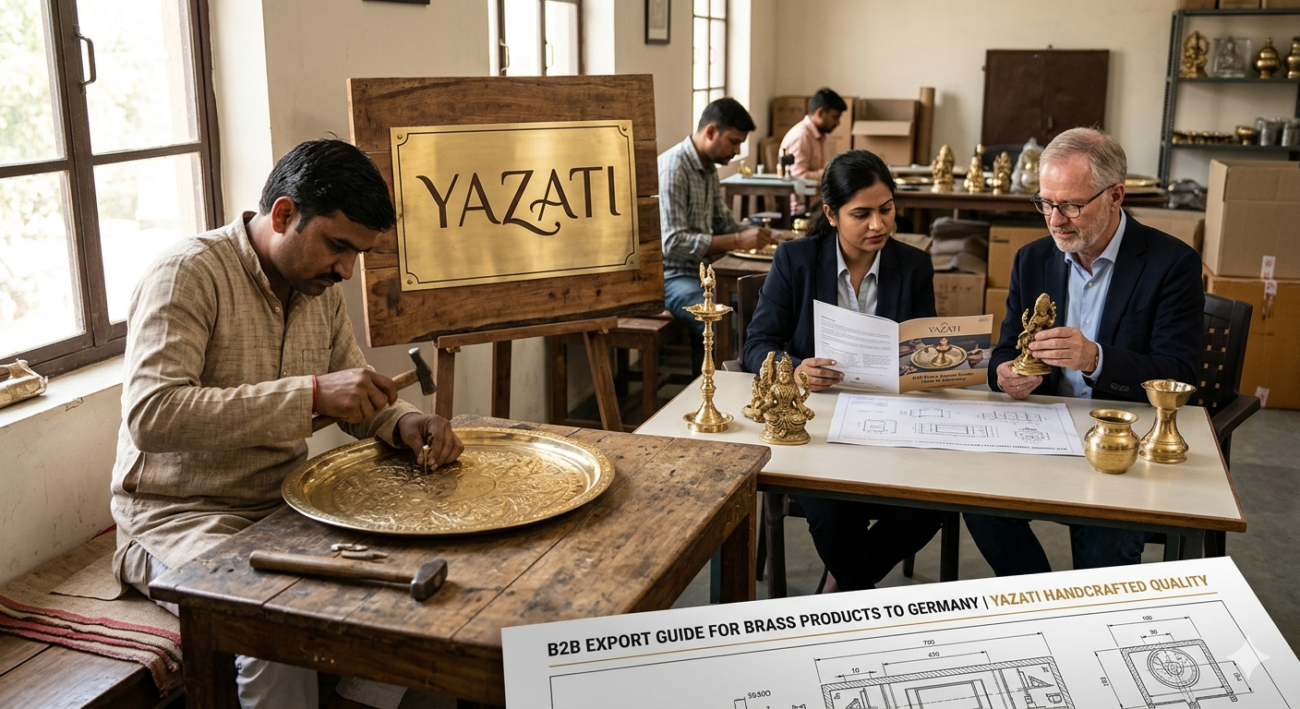
Introduction to Brass Product Exports
Exporting brass products has become a lucrative opportunity for manufacturers worldwide. This B2B Export Guide for Brass Products to Germany provides a clear roadmap for businesses aiming to enter one of Europe’s most stable and high-demand markets.
Germany is known for its strong industrial base, precision engineering, and consistent demand for high-quality raw materials and components. Brass, being durable, corrosion-resistant, and versatile, is widely used across multiple sectors—from automotive to construction.
For exporters, this means one thing: huge potential for consistent, long-term B2B relationships.
Why Germany is a Prime Market for Brass Products
Germany stands as Europe’s largest economy and a global manufacturing hub. Industries such as automotive, plumbing, electronics, and machinery heavily rely on brass components.
Key Advantages of Exporting to Germany
- Stable and high purchasing power
- Strong demand for precision components
- Preference for long-term supplier partnerships
- Transparent business practices
German buyers value quality, compliance, and reliability above all else. If you meet these expectations, your business can thrive.
Understanding the German B2B Market
Entering Germany requires more than just a good product—it demands deep market understanding.
Key Industries Using Brass Components
Several sectors drive brass demand:
- Automotive manufacturing
- Electrical and electronics
- Construction and plumbing
- Renewable energy systems
These industries rely on brass for its conductivity and durability.
Market Demand Trends and Insights
Germany is increasingly focusing on:
- Sustainable sourcing
- High precision engineering
- Eco-friendly materials
Exporters who align with these trends gain a competitive edge.
Types of Brass Products in Demand
Understanding what sells is crucial.
Industrial Brass Components
- Brass fittings
- Valves and connectors
- Precision machined parts
These are widely used in manufacturing and engineering.
Decorative and Architectural Brass
- Door handles
- Fixtures and fittings
- Interior design elements
Germany’s construction sector creates steady demand for these items.
Legal Requirements for Exporting to Germany
Compliance is non-negotiable in the European market.
EU Regulations and Standards
Germany follows strict European Union regulations regarding:
- Product safety
- Environmental impact
- Material composition
CE Marking and Compliance
CE marking indicates that your product meets EU safety standards. Without it, your products may not be allowed into the market.
Certifications Required for Brass Export
ISO Certifications
Having ISO certifications boosts credibility and trust. Common ones include:
- ISO 9001 (Quality Management)
- ISO 14001 (Environmental Management)
REACH Compliance
REACH ensures that chemicals used in products are safe. Brass exporters must ensure their materials meet these standards.
Export Documentation Checklist
Documentation errors can delay shipments or lead to penalties.
Essential Documents
- Commercial invoice
- Packing list
- Bill of lading
- Certificate of origin
Accurate paperwork ensures smooth customs clearance.
Pricing Strategy for German Buyers
Pricing can make or break your deal.
Cost Calculation and Profit Margins
Consider:
- Manufacturing cost
- Shipping and logistics
- Duties and taxes
Competitive Pricing Techniques
German buyers prefer value over cheap pricing. Focus on quality and reliability rather than just lowering prices.
Finding B2B Buyers in Germany
Online B2B Marketplaces
Platforms like:
- Alibaba
- Global Sources
help connect exporters with verified buyers.
Trade Fairs and Networking
Participating in events such as Hannover Messe can open doors to large-scale buyers.
Logistics and Shipping Considerations
Choosing the Right Shipping Method
- Sea freight (cost-effective for bulk)
- Air freight (faster but expensive)
Incoterms Explained
Common terms include:
- FOB (Free on Board)
- CIF (Cost, Insurance, Freight)
Understanding these terms helps avoid disputes.
Payment Terms and Risk Management
Secure Payment Methods
- Letter of Credit (LC)
- Bank transfers
- Escrow services
Credit Insurance
This protects exporters from non-payment risks.
Packaging Standards for Germany
Eco-Friendly Packaging Requirements
Germany emphasizes sustainability. Use:
- Recyclable materials
- Minimal plastic packaging
Failure to comply can lead to rejection.
Marketing Strategies for Export Growth
Digital Marketing for B2B
- SEO-optimized website
- LinkedIn outreach
- Email marketing
Branding for European Markets
Focus on:
- Quality assurance
- Certifications
- Professional presentation
Common Challenges and Solutions
Cultural Differences
German buyers prefer:
- Direct communication
- Punctuality
- Detailed documentation
Regulatory Barriers
Stay updated with EU regulations to avoid compliance issues.
Future Opportunities in Brass Export
Sustainability Trends
Germany is shifting toward:
- Green manufacturing
- Sustainable materials
Exporters who adapt early will benefit the most.
FAQs
1. Is Germany a good market for brass exports?
Yes, Germany offers strong demand and stable business opportunities for brass products.
2. What certifications are required?
ISO certifications and REACH compliance are essential.
3. How can I find buyers in Germany?
Use B2B platforms, trade fairs, and networking events.
4. What is the best shipping method?
Sea freight is ideal for bulk shipments, while air freight suits urgent orders.
5. Do I need CE marking for brass products?
Yes, if your product falls under EU directives requiring safety compliance.
6. How do I ensure payment security?
Use Letters of Credit or escrow services to minimize risks.
Conclusion
Exporting brass products to Germany presents a powerful opportunity for B2B growth. By following this B2B Export Guide for Brass Products to Germany, businesses can navigate regulations, build strong partnerships, and achieve long-term success.
The key lies in quality, compliance, and trust. When these elements align, Germany becomes not just a market—but a strategic growth partner.
✨ Discover Global Sourcing Excellence with Netyex ✨
Netyex is your trusted B2B sourcing partner, connecting international buyers with India’s finest manufacturers and curated product lines—from handicrafts and home décor to kitchenware, textiles, hospitality essentials, and more. With verified suppliers and end-to-end support, we make global procurement seamless, reliable, and efficient.
👉 Elevate your sourcing experience—explore Netyex today.
📦 Bulk orders & customisation | 🌍 Worldwide delivery | 🤝 Trusted by global buyers
Visit Netyex to source premium Indian products with confidence.