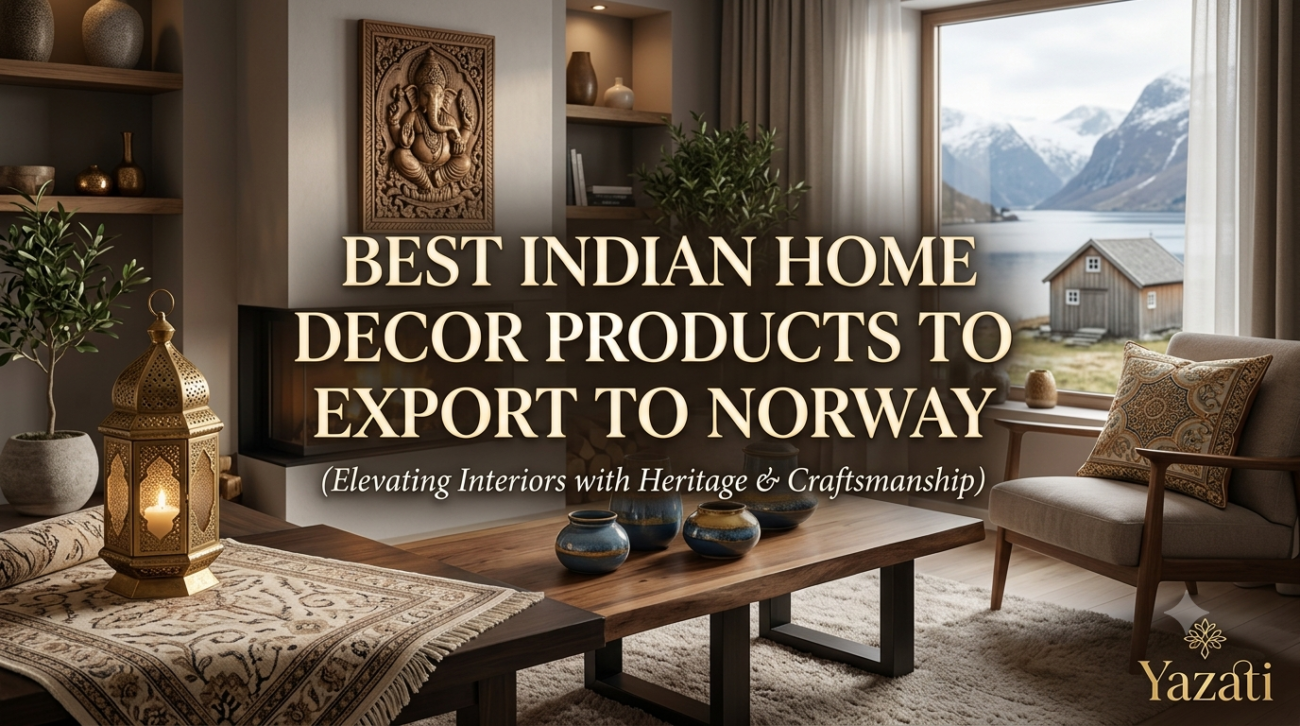
Introduction
The Best Indian Home Decor Products to Export to Norway are gaining tremendous popularity as Scandinavian consumers increasingly appreciate handcrafted, sustainable, and ethically produced home furnishings. Norway’s interior design market is well known for its minimalist aesthetics, but homeowners also enjoy incorporating warm textures, natural materials, and unique handcrafted accessories that add personality to their living spaces.
India has long been recognized as one of the world’s leading producers of handmade home décor products. With centuries-old craftsmanship, abundant raw materials, skilled artisans, and competitive manufacturing costs, Indian exporters have an excellent opportunity to tap into Norway’s premium home décor market.
Norwegian consumers are willing to pay higher prices for products that demonstrate quality, sustainability, and authentic craftsmanship. This creates a profitable opportunity for Indian manufacturers and exporters who can deliver attractive designs while meeting European quality standards.
Whether you are a small handicraft manufacturer, an established exporter, or a startup looking to enter international markets, understanding the preferences of Norwegian buyers can significantly improve your export success.
Why Norway is a Promising Market for Indian Home Decor
Norway consistently ranks among Europe’s wealthiest countries, with consumers possessing strong purchasing power. This makes it an attractive destination for premium home décor imports.
Several factors contribute to the growing demand for Indian décor products in Norway:
- High disposable income
- Preference for sustainable products
- Growing appreciation for handmade crafts
- Increasing demand for eco-friendly home accessories
- Interest in global interior design trends
- Strong online furniture and décor retail market
Norwegian homeowners often embrace the Scandinavian philosophy of “less is more.” However, they also appreciate carefully selected statement pieces that add warmth and character to minimalist interiors. Indian handcrafted décor complements this style perfectly by introducing natural wood, brass, cotton textiles, woven baskets, and artisanal ceramics.
Additionally, many Norwegian retailers actively seek suppliers that can provide environmentally friendly, ethically sourced, and handmade products. Indian artisans excel in these areas, making India a preferred sourcing destination.
Norwegian Consumer Preferences
Understanding buyer preferences is essential before exporting.
Today’s Norwegian consumers typically look for:
- Sustainable materials
- Natural colors
- Eco-friendly packaging
- Handmade authenticity
- Durable construction
- Modern yet traditional designs
- Fair trade production
- High-quality finishing
Minimalist décor remains popular, but products featuring subtle ethnic influences are increasingly appreciated. Items made from mango wood, bamboo, cotton, jute, brass, and terracotta align particularly well with Norwegian design preferences.
Growing Demand for Sustainable Products
Sustainability has become one of the strongest purchasing factors in Norway.
Consumers actively prefer products that are:
- Recyclable
- Biodegradable
- Plastic-free
- Handmade
- Ethically produced
- Fair Trade certified
- FSC-certified (for wood products)
- Made from renewable materials
Indian exporters who emphasize environmentally responsible production methods gain a competitive advantage in this market.
Why Indian Home Decor is Popular Worldwide
Indian home décor enjoys worldwide recognition because of its unique combination of artistry, tradition, and affordability.
Unlike mass-produced factory goods, Indian handicrafts often reflect generations of craftsmanship passed down through artisan communities. Each product carries cultural significance and distinctive detailing that appeals to international buyers seeking authentic décor.
Key advantages include:
- Competitive pricing
- Handcrafted uniqueness
- Diverse material choices
- Rich artistic heritage
- Large manufacturing capacity
- Customization options
- Skilled artisan workforce
From intricately carved wooden furniture to handwoven textiles and brass accents, India offers a wide range of products that fit both luxury and mid-market retail segments.
Top 15 Best Indian Home Decor Products to Export to Norway
1. Wooden Handicrafts
Wooden handicrafts are among the most sought-after Indian décor products in Scandinavian markets.
Popular options include:
- Decorative trays
- Wooden bowls
- Carved figurines
- Serving platters
- Wall panels
- Candle holders
- Photo frames
- Decorative boxes
Mango wood, acacia wood, and sheesham wood are especially popular because they combine durability with attractive natural grain patterns.
Minimalist finishes, matte textures, and light wood tones are particularly appealing to Norwegian consumers.
Wood products should comply with international phytosanitary standards and be treated appropriately before export to ensure smooth customs clearance.
2. Brass Decorative Items
Indian brass craftsmanship is renowned worldwide.
Norwegian retailers frequently source:
- Candle stands
- Decorative bowls
- Table décor
- Vases
- Wall hangings
- Sculptures
- Lanterns
Brass complements Scandinavian interiors by adding warmth and sophistication without overpowering minimalist spaces.
Products featuring antique finishes or brushed brass textures are especially popular among premium home décor brands.
3. Marble Inlay Products
Marble inlay products represent India’s rich artistic heritage and are highly valued in luxury home décor markets.
Popular export items include:
- Coasters
- Tabletops
- Decorative trays
- Jewelry boxes
- Serving platters
White marble with semi-precious stone inlay offers a premium aesthetic that aligns well with upscale Norwegian interiors.
4. Handwoven Rugs
Handwoven rugs are among the most profitable home décor exports from India due to their craftsmanship and premium appeal. Norwegian homeowners often use rugs to add warmth and texture to minimalist interiors, making them a consistent bestseller.
Popular materials include:
- Cotton
- Wool
- Jute
- Hemp
- Recycled fibers
Neutral colors such as beige, cream, grey, and earthy tones are particularly popular in Norway. Geometric patterns, tribal motifs, and understated traditional Indian designs blend well with Scandinavian aesthetics.
To enhance export value, consider offering rugs in multiple sizes and ensuring they meet durability and colorfastness standards.
5. Cushion Covers
Handcrafted cushion covers are lightweight, easy to ship, and highly attractive to retailers and online marketplaces.
Popular styles include:
- Block print
- Embroidered
- Handwoven
- Linen blend
- Cotton canvas
- Velvet accents
Natural fabrics and muted colors generally perform better in the Norwegian market, while seasonal collections can introduce brighter accents for spring and summer.
6. Cotton Throws and Blankets
Indian cotton throws are appreciated for their comfort, softness, and versatility.
Norwegian consumers frequently use decorative throws on sofas, armchairs, and beds. Sustainable cotton, organic fibers, and handloom weaving add value and appeal.
Key features buyers look for include:
- Breathability
- Machine washability
- Durable stitching
- Eco-friendly dyes
- Contemporary designs
7. Ceramic Decorative Items
Handmade ceramics continue to gain popularity across Europe.
Export opportunities include:
- Decorative vases
- Planters
- Candle holders
- Serving bowls
- Decorative plates
- Table accessories
Matte finishes and handcrafted imperfections often enhance the perceived authenticity of ceramic products.
8. Wall Art
Wall décor is a growing category within Norway’s interior design market.
Indian exporters can supply:
- Wooden carved panels
- Metal wall décor
- Canvas paintings
- Hand-painted artwork
- Textile wall hangings
- Mandala-inspired art
Large statement pieces and minimalist handcrafted designs tend to attract Scandinavian buyers.
9. Decorative Lanterns
Lanterns create cozy lighting that complements the Nordic concept of creating warm and inviting interiors.
Popular materials include:
- Iron
- Brass
- Glass
- Wood
Modern geometric lanterns with subtle Indian detailing are particularly appealing.
10. Bamboo Home Decor
Bamboo products satisfy the growing demand for sustainable living.
Examples include:
- Storage boxes
- Decorative trays
- Lampshades
- Wall décor
- Serving accessories
Because bamboo is renewable and biodegradable, it aligns well with Norway’s environmentally conscious consumer base.
11. Macramé Home Decor
Macramé products have experienced a resurgence in modern interior design.
Popular exports include:
- Wall hangings
- Plant hangers
- Curtains
- Decorative shelves
- Mirror frames
Handcrafted macramé made from natural cotton cord combines bohemian style with Scandinavian simplicity.
12. Terracotta Products
Terracotta décor offers rustic charm while supporting sustainable production practices.
Export options include:
- Decorative pots
- Sculptures
- Candle holders
- Table décor
- Garden accessories
Proper protective packaging is essential because terracotta items are fragile during transit.
13. Incense Holders and Aroma Accessories
Wellness and home fragrance products continue to grow in popularity.
Indian exporters can offer:
- Brass incense holders
- Wooden incense trays
- Ceramic aroma diffusers
- Essential oil holders
- Decorative incense boxes
Pairing these items with eco-friendly packaging enhances their premium positioning.
14. Decorative Mirrors
Mirrors serve both practical and decorative purposes.
Popular styles include:
- Wooden carved frames
- Brass frames
- Cane frames
- Bamboo-framed mirrors
- Minimalist geometric mirrors
Scandinavian interiors often favor clean lines with subtle handcrafted details.
15. Eco-Friendly Storage Baskets
Storage solutions remain a strong product category.
Indian artisans produce attractive baskets using:
- Jute
- Seagrass
- Water hyacinth
- Cotton rope
- Bamboo
These products combine organization with sustainable design, making them highly suitable for Norwegian households.
Market Trends in Norway
Understanding current market trends can help exporters tailor their product offerings.
Notable trends include:
- Sustainable and eco-friendly décor
- Natural materials
- Neutral color palettes
- Multifunctional home accessories
- Handmade and artisan-crafted products
- Ethical sourcing
- Minimalist designs with warm textures
- Small-batch collections
Retailers increasingly highlight the story behind products, including the artisans, materials, and production methods. Sharing this information can strengthen your brand.
Export Documentation
Proper documentation is essential for smooth international shipping.
Common export documents include:
| Document | Purpose |
|---|---|
| Commercial Invoice | Product and pricing details |
| Packing List | Shipment contents |
| Bill of Lading | Transport document |
| Certificate of Origin | Confirms manufacturing country |
| Export Declaration | Customs compliance |
| Insurance Certificate | Cargo protection |
| Product Certifications | Demonstrates compliance with buyer requirements |
Maintaining accurate documentation helps avoid customs delays.
Norway Import Regulations
Although Norway is not a member of the European Union, it participates in the European Economic Area (EEA), and many product standards align with European regulations.
Exporters should pay attention to:
- Product safety requirements
- Chemical restrictions where applicable
- Packaging regulations
- Timber treatment standards
- Accurate product labeling
- Country-of-origin marking
Working with an experienced freight forwarder or customs broker can simplify compliance.
Packaging Guidelines
Effective packaging protects products and improves customer satisfaction.
Recommended practices include:
- Recyclable packaging materials
- Strong corrugated cartons
- Bubble wrap for fragile goods
- Moisture protection
- Corner protectors
- Barcode labeling
- Clear handling instructions
Eco-friendly packaging also supports sustainability goals valued by Norwegian buyers.
Pricing Strategy
Pricing should reflect product quality, craftsmanship, logistics, and market positioning.
Consider the following when calculating export prices:
- Manufacturing cost
- Packaging expenses
- Inland transportation
- Export documentation fees
- Ocean or air freight
- Insurance
- Customs duties (where applicable)
- Distributor or retailer margins
Offering flexible minimum order quantities can help attract new buyers.
Marketing to Norwegian Buyers
Successful exporters invest in building long-term relationships.
Effective marketing strategies include:
- Professional product catalogs
- High-quality lifestyle photography
- Participation in international trade fairs
- B2B marketplaces
- LinkedIn outreach
- Email marketing
- Sustainability certifications
- Storytelling around artisan craftsmanship
Providing prompt communication and reliable delivery schedules helps establish trust.
Common Export Challenges
Exporters may encounter several challenges, including:
- Currency fluctuations
- Shipping delays
- Seasonal demand changes
- Product certification requirements
- Damage during transportation
- Cultural differences in business practices
Preparing contingency plans and maintaining strong logistics partnerships can reduce these risks.
Tips for First-Time Exporters
If you are new to exporting, keep these recommendations in mind:
- Research the Norwegian market thoroughly.
- Focus on quality over quantity.
- Use eco-friendly materials whenever possible.
- Invest in attractive packaging.
- Build relationships with reliable distributors.
- Stay updated on import regulations.
- Offer customization for retailers.
- Ensure consistent product quality.
- Communicate clearly and promptly.
- Collect customer feedback to improve future shipments.
Frequently Asked Questions
1. Which Indian home décor products have the highest demand in Norway?
Wooden handicrafts, handwoven rugs, brass décor, sustainable baskets, cotton textiles, and ceramic accessories are among the most sought-after products.
2. Are eco-friendly products important for Norwegian buyers?
Yes. Sustainability is a major purchasing factor, and products made from renewable or recycled materials often enjoy a competitive advantage.
3. What certifications can improve export opportunities?
Certifications related to sustainable forestry, organic textiles, fair trade practices, and quality management can increase buyer confidence.
4. Is Norway a profitable market for Indian handicrafts?
Yes. Norway’s high purchasing power and appreciation for handmade, premium-quality products make it an attractive destination for Indian exporters.
5. How can exporters find buyers in Norway?
Potential buyers can be reached through international trade fairs, B2B marketplaces, export promotion councils, LinkedIn networking, and direct outreach to retailers and importers.
6. Which packaging materials are recommended?
Recyclable cardboard, paper cushioning, molded pulp inserts, and other eco-friendly protective materials are recommended to align with Norwegian sustainability expectations.
Conclusion
The Best Indian Home Decor Products to Export to Norway combine India’s rich craftsmanship with Norway’s growing demand for sustainable, high-quality, and distinctive home furnishings. From elegant wooden handicrafts and brass décor to handwoven textiles, bamboo accessories, and eco-friendly storage solutions, Indian exporters have a diverse range of products that resonate with Scandinavian design preferences.
Success in this market depends on more than offering beautiful products. Exporters should focus on consistent quality, compliance with import regulations, sustainable sourcing, attractive packaging, and strong relationships with Norwegian buyers. By understanding local consumer preferences and highlighting the authenticity and craftsmanship behind each product, Indian businesses can build a lasting presence in one of Europe’s most rewarding home décor markets.
For additional guidance on exporting from India, consult the official resources provided by the Directorate General of Foreign Trade (DGFT): https://www.dgft.gov.in/
✨ Discover Global Sourcing Excellence with Netyex ✨
Netyex is your trusted B2B sourcing partner, connecting international buyers with India’s finest manufacturers and curated product lines—from handicrafts and home décor to kitchenware, textiles, hospitality essentials, and more. With verified suppliers and end-to-end support, we make global procurement seamless, reliable, and efficient.
👉 Elevate your sourcing experience—explore Netyex today.
📦 Bulk orders & customisation | 🌍 Worldwide delivery | 🤝 Trusted by global buyers
Visit Netyex to source premium Indian products with confidence.