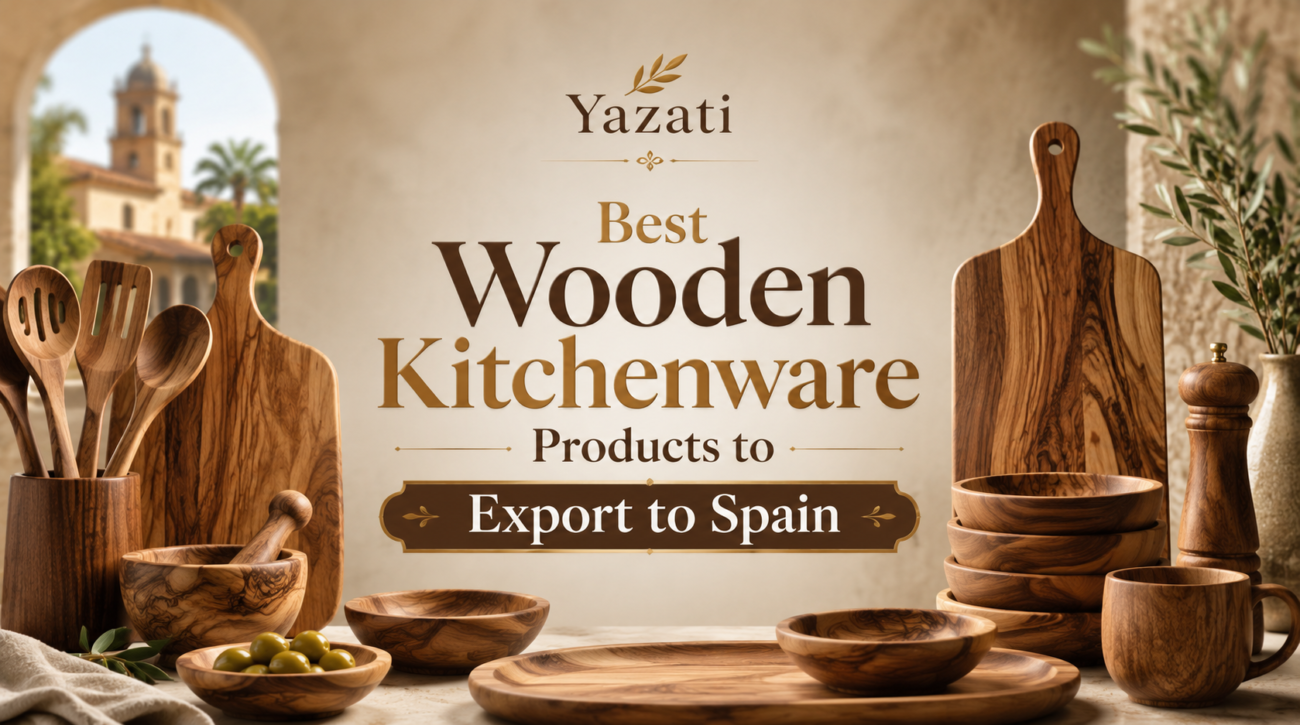
Introduction to Spain’s Wooden Kitchenware Market
Spain has emerged as one of Europe’s most attractive destinations for eco-friendly household products. As consumers become increasingly aware of sustainability and environmental responsibility, wooden kitchenware has experienced significant growth across Spanish households, restaurants, cafes, and specialty stores.
The demand for handcrafted and sustainable kitchen products continues to rise as consumers seek alternatives to plastic and synthetic materials. Exporters looking to enter the European market can find substantial opportunities by focusing on the Best Wooden Kitchenware Products to Export to Spain.
Spain’s thriving culinary culture, combined with its appreciation for traditional craftsmanship, creates an ideal market for premium wooden kitchen accessories.
Why Wooden Kitchenware Is Growing in Demand
Wooden kitchenware offers several advantages that resonate with modern consumers:
- Eco-friendly and biodegradable
- Durable and long-lasting
- Safe for cookware surfaces
- Naturally attractive appearance
- Renewable resource
- Free from harmful chemicals
Consumers increasingly prefer products that combine functionality with sustainability, making wooden kitchenware a preferred choice.
Key Consumer Trends Driving Sales
Sustainability Movement
Spain has embraced European sustainability initiatives. Consumers actively seek products that reduce plastic consumption and support environmentally responsible manufacturing.
Wooden kitchenware aligns perfectly with these values, offering a renewable and biodegradable alternative to plastic utensils.
Preference for Natural Materials
Modern Spanish kitchens increasingly feature natural aesthetics. Wood complements contemporary, rustic, Scandinavian, and Mediterranean interior styles.
This design trend has boosted demand for wooden serving boards, bowls, trays, and utensils.
Market Size and Opportunities in Spain
The Spanish homeware and kitchenware market continues expanding through:
- E-commerce growth
- Rising disposable incomes
- Sustainable product adoption
- Premium kitchen product demand
- Hospitality industry purchases
Restaurants, boutique hotels, gourmet shops, and online marketplaces represent major buyers of wooden kitchenware products.
Best Wooden Kitchenware Products to Export to Spain
Wooden Cutting Boards
Wooden cutting boards remain among the highest-selling kitchen products globally.
Popular options include:
- Acacia cutting boards
- Bamboo cutting boards
- Walnut cutting boards
- Teak cutting boards
Spanish consumers value cutting boards that combine durability with elegant presentation.
Benefits
- Knife-friendly surface
- Long lifespan
- Attractive appearance
- Multipurpose use
Wooden Cooking Spoons
Wooden spoons are a kitchen essential in Spanish households.
Common varieties include:
- Stirring spoons
- Slotted spoons
- Rice spoons
- Soup spoons
These products are affordable, lightweight, and suitable for bulk export.
Wooden Spatulas
Wooden spatulas are widely used for cooking because they do not scratch non-stick cookware.
Popular designs include:
- Flat spatulas
- Curved spatulas
- Turner spatulas
- Grill spatulas
Spanish consumers particularly appreciate handcrafted designs with ergonomic handles.
Wooden Salad Bowls
The growing popularity of healthy eating has increased demand for wooden salad bowls.
Features buyers seek include:
- Food-safe finishes
- Elegant grain patterns
- Lightweight construction
- Easy maintenance
Restaurants and premium dining establishments frequently purchase these products.
Wooden Serving Trays
Serving trays represent a profitable category due to their decorative and practical value.
Best-selling styles include:
- Breakfast trays
- Rustic trays
- Decorative trays
- Hospitality serving trays
These products appeal to both residential and commercial buyers.
Wooden Rolling Pins
Spain’s baking culture creates consistent demand for wooden rolling pins.
Preferred features include:
- Smooth surface
- Balanced weight
- Durable hardwood construction
- Comfortable grip
Beechwood and maple are especially popular materials.
Wooden Mortar and Pestle Sets
Traditional cooking remains central to Spanish cuisine.
Wooden mortar and pestle sets are commonly used for:
- Garlic preparation
- Herb grinding
- Spice blending
- Sauce making
Authentic handcrafted sets often command premium prices.
Wooden Coasters
Wooden coasters offer excellent export potential because they are:
- Lightweight
- Cost-effective
- Easy to ship
- Highly customizable
Laser engraving can significantly increase perceived value.
Wooden Utensil Holders
Kitchen organization products continue to perform well in European markets.
Wooden utensil holders combine functionality with natural aesthetics, making them attractive additions to modern kitchens.
Wooden Cheese Boards
Spain’s strong cheese culture makes wooden cheese boards particularly attractive.
Premium features include:
- Integrated knife compartments
- Decorative wood grains
- Personalized engraving
- Multi-purpose serving functionality
Wooden Spice Racks
Home cooking trends have boosted demand for spice organization solutions.
Wooden spice racks appeal to consumers seeking:
- Sustainable materials
- Space-saving designs
- Attractive kitchen decor
Wooden Kitchen Tongs
Wooden tongs are popular among environmentally conscious consumers.
Benefits include:
- Heat resistance
- Gentle handling of food
- Durable construction
- Plastic-free alternative
Wooden Measuring Spoons
These products combine functionality with rustic charm.
Often sold as gift sets, wooden measuring spoons are especially popular in premium kitchenware segments.
Wooden Honey Dippers
Honey dippers represent a niche yet profitable product category.
Their small size offers:
- Low shipping costs
- Gift market appeal
- Easy customization opportunities
Wooden Bread Boards
Artisan bread consumption remains strong throughout Spain.
Wooden bread boards are used for:
- Preparation
- Serving
- Presentation
Premium handcrafted designs often attract higher margins.
Wooden Sushi Serving Sets
The growing popularity of international cuisine has created demand for sushi presentation products.
Wooden sushi sets appeal to:
- Restaurants
- Catering companies
- Home entertainers
Wooden Charcuterie Boards
Charcuterie boards have become one of the fastest-growing kitchenware categories.
Spanish consumers frequently use them for:
- Cheese presentations
- Wine gatherings
- Family events
- Gourmet serving
Large premium charcuterie boards can generate excellent export profits.
Most Preferred Wood Types in Spain
Spanish buyers typically favor hardwoods known for durability and aesthetics.
| Wood Type | Advantages |
|---|---|
| Acacia | Durable, attractive grain |
| Teak | Water-resistant |
| Beech | Smooth texture |
| Oak | Premium appearance |
| Walnut | Luxury aesthetic |
| Bamboo | Sustainable and lightweight |
| Maple | Strong and durable |
Choosing the right wood significantly influences market acceptance.
Quality Standards and Certifications
Exporters should comply with European regulations regarding:
- Food-contact safety
- Sustainable sourcing
- Product labeling
- Chemical treatment restrictions
Recommended certifications include:
- FSC Certification
- PEFC Certification
- Food-grade compliance documentation
For official guidance, exporters can consult the European Commission’s trade resources: https://trade.ec.europa.eu
Packaging Requirements for Export
Effective packaging should:
- Protect against moisture
- Prevent scratches
- Maintain product quality
- Highlight sustainability
Popular options include:
- Recycled cardboard boxes
- Kraft paper wrapping
- Biodegradable packaging materials
Eco-friendly packaging strengthens brand positioning in Spain.
Pricing Strategies for Exporters
Successful exporters generally follow one of three pricing models:
Economy Segment
- Mass-market retailers
- High-volume orders
- Competitive pricing
Mid-Market Segment
- Specialty kitchen stores
- Balanced quality and affordability
Premium Segment
- Handcrafted products
- Luxury packaging
- Personalized customization
Premium wooden kitchenware often provides the highest profit margins.
Spain’s Major Distribution Channels
Exporters can sell through:
Online Marketplaces
- Amazon Spain
- Etsy
- ManoMano
Retail Chains
- Homeware stores
- Kitchen specialty shops
- Department stores
Hospitality Industry
- Hotels
- Restaurants
- Catering businesses
Wholesale Importers
Partnering with established importers often accelerates market entry.
Challenges in Exporting Wooden Kitchenware
Exporters may face:
- Regulatory compliance requirements
- Competition from local suppliers
- Shipping costs
- Currency fluctuations
- Quality control expectations
Proper planning helps minimize these risks.
Marketing Strategies for Spanish Buyers
Successful brands often focus on:
Storytelling
Consumers appreciate products with authentic craftsmanship stories.
Sustainability Messaging
Highlight:
- Renewable materials
- Eco-friendly manufacturing
- Responsible sourcing
Visual Branding
High-quality photography significantly influences purchasing decisions.
Customization
Engraved logos and personalized products increase customer value perception.
Future Trends in Wooden Kitchenware
Several trends are expected to drive future growth:
- Plastic-free kitchen solutions
- Sustainable home products
- Handmade craftsmanship
- Premium gifting products
- Personalized kitchen accessories
- Eco-conscious consumer behavior
Exporters who align with these trends can strengthen long-term success.
Frequently Asked Questions
1. Which wooden kitchenware product sells best in Spain?
Wooden cutting boards, charcuterie boards, cooking spoons, and serving trays are among the top-selling products.
2. What wood type is most popular among Spanish consumers?
Acacia, oak, walnut, bamboo, and beech are highly preferred due to their durability and appearance.
3. Do wooden kitchenware products require certifications for Spain?
Yes. Food-contact safety compliance and sustainability certifications such as FSC can improve market acceptance.
4. Is Spain a good market for eco-friendly kitchen products?
Yes. Spanish consumers increasingly prioritize sustainability and environmentally responsible purchasing.
5. What packaging works best for wooden kitchenware exports?
Recyclable cardboard, kraft paper, and biodegradable materials align with consumer expectations.
6. Which buyers should exporters target first?
Specialty kitchen retailers, online marketplaces, hospitality businesses, and import wholesalers offer strong opportunities.
Conclusion
The market for Best Wooden Kitchenware Products to Export to Spain continues to expand as sustainability, craftsmanship, and natural materials become increasingly important to consumers. Products such as cutting boards, charcuterie boards, serving trays, salad bowls, and cooking utensils offer strong export potential due to their practicality and aesthetic appeal.
Exporters who prioritize quality materials, food-safe manufacturing, eco-friendly packaging, and compliance with European standards can establish a competitive advantage in Spain’s growing kitchenware market. By focusing on consumer preferences and emerging sustainability trends, businesses can build profitable and long-lasting export relationships in one of Europe’s most promising homeware markets.
✨ Discover Global Sourcing Excellence with Netyex ✨
Netyex is your trusted B2B sourcing partner, connecting international buyers with India’s finest manufacturers and curated product lines—from handicrafts and home décor to kitchenware, textiles, hospitality essentials, and more. With verified suppliers and end-to-end support, we make global procurement seamless, reliable, and efficient.
👉 Elevate your sourcing experience—explore Netyex today.
📦 Bulk orders & customisation | 🌍 Worldwide delivery | 🤝 Trusted by global buyers
Visit Netyex to source premium Indian products with confidence.