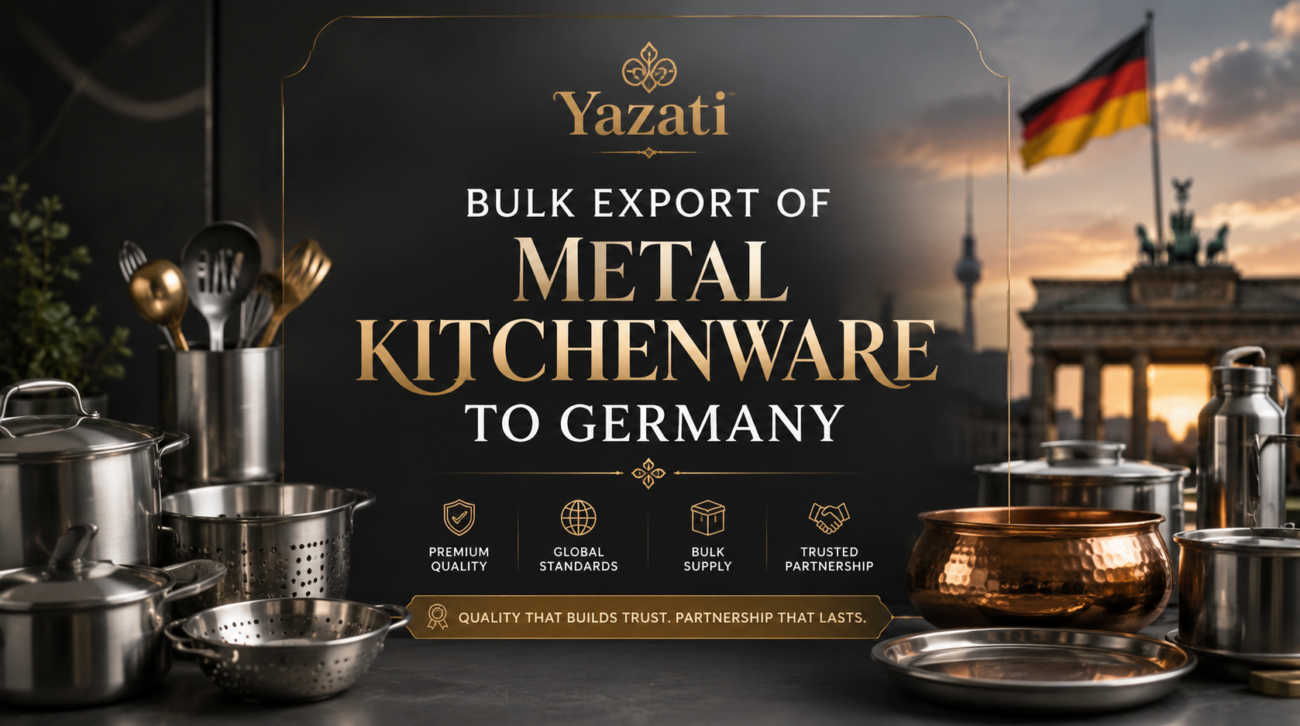
The Bulk Export of Metal Kitchenware to Germany has become one of the most attractive opportunities for manufacturers and exporters worldwide. Germany is known for its high purchasing power, strong retail sector, and growing demand for durable kitchen products. From stainless steel cookware to aluminum utensils, German buyers consistently seek high-quality kitchenware products that meet European standards.
For exporters, entering the German market can lead to long-term business partnerships, repeat orders, and access to broader European Union markets. However, success requires careful planning, compliance with regulations, smart pricing, and efficient logistics.
This detailed guide explains everything you need to know about exporting metal kitchenware products to Germany successfully.
Understanding the German Kitchenware Market
Germany is one of Europe’s largest importers of kitchenware and household products. Consumers value functionality, durability, sustainability, and premium quality.
The kitchenware market includes:
- Stainless steel utensils
- Pots and pans
- Food storage containers
- Cutlery
- Baking tools
- Industrial kitchen equipment
German households often prefer products with minimalist designs, eco-friendly materials, and long product life cycles.
Why Germany is a Strong Import Destination
Several factors make Germany highly attractive for exporters.
Growth of Premium Kitchenware Demand
Consumers increasingly invest in premium cookware and reusable kitchen products. Rising interest in healthy cooking and home dining also boosts demand.
Consumer Preferences in Germany
German buyers usually prioritize:
- Food-safe materials
- Rust resistance
- Sustainable production
- Modern designs
- Energy-efficient cookware
Products that combine durability with eco-conscious manufacturing perform especially well.
Types of Metal Kitchenware in High Demand
Understanding which products sell best is critical for successful exports.
Stainless Steel Cookware
Stainless steel products dominate the German market because they are:
- Durable
- Hygienic
- Corrosion-resistant
- Easy to clean
Popular products include:
- Sauce pans
- Pressure cookers
- Mixing bowls
- Kitchen utensils
Aluminum Kitchen Products
Lightweight aluminum cookware remains popular due to affordability and fast heat conductivity.
Examples include:
- Frying pans
- Baking trays
- Non-stick cookware
Cast Iron Kitchenware
Cast iron cookware has gained popularity among premium consumers who value traditional cooking styles.
Products include:
- Dutch ovens
- Grill pans
- Skillets
Metal Storage Containers
Reusable metal storage products are increasingly replacing plastic containers due to environmental concerns.
Essential Export Regulations for Germany
One of the most important aspects of the Bulk Export of Metal Kitchenware to Germany is compliance with EU laws.
European Union Product Standards
All imported kitchenware products must comply with European Union safety regulations.
Manufacturers should ensure products are:
- Safe for food contact
- Chemically compliant
- Properly labeled
Food Contact Material Compliance
Kitchenware products must not release harmful substances into food.
Products should comply with:
- EU Food Contact Material Regulations
- German LFGB standards
REACH and LFGB Certifications
REACH Compliance
REACH regulates chemicals used in manufacturing and ensures consumer safety.
LFGB Certification
LFGB certification is highly respected in Germany and demonstrates food safety compliance.
Obtaining these certifications can improve buyer confidence significantly.
Required Documentation for Export
Accurate export documentation prevents customs delays and legal issues.
Commercial Invoice
The invoice should include:
- Product details
- HS codes
- Quantity
- Unit price
- Buyer information
Packing List
A detailed packing list helps customs authorities verify cargo contents.
Certificate of Origin
This confirms the manufacturing country of the goods.
Bill of Lading
The bill of lading serves as proof of shipment ownership and transport agreement.
Choosing the Right Packaging for Bulk Shipments
Packaging plays a huge role in reducing shipping damage and attracting buyers.
Sustainable Packaging Trends
German buyers increasingly prefer:
- Recyclable packaging
- Plastic-free materials
- Eco-friendly inks
Sustainable packaging can even become a strong marketing advantage.
Labeling Requirements
Labels should clearly mention:
- Material composition
- Country of origin
- Usage instructions
- Safety warnings
German-language labeling may also improve customer trust.
Shipping and Logistics for Germany
Efficient logistics can significantly improve profitability.
Sea Freight vs Air Freight
| Shipping Method | Advantages | Disadvantages |
|---|---|---|
| Sea Freight | Lower cost for bulk orders | Longer transit time |
| Air Freight | Faster delivery | Higher shipping cost |
Sea freight is usually the best option for bulk kitchenware exports.
Major German Ports
Key ports include:
- Hamburg
- Bremerhaven
- Wilhelmshaven
These ports provide strong connections across Europe.
Freight Cost Optimization
Exporters can reduce costs by:
- Consolidating shipments
- Negotiating long-term freight contracts
- Optimizing packaging dimensions
Finding Buyers and Importers in Germany
Buyer discovery is critical for long-term success.
B2B Platforms
Popular platforms include:
- Alibaba
- Global Sources
- Europages
You can also explore the official German trade portal:
https://www.gtai.com/
Trade Fairs and Exhibitions
Major trade fairs help exporters meet serious buyers directly.
Examples include:
- Ambiente Frankfurt
- Anuga
- Internorga
Trade fairs build trust faster than online communication alone.
Distributor Partnerships
Partnering with German distributors can simplify:
- Warehousing
- Retail access
- Marketing
- Customer support
Pricing Strategy for Bulk Export
Competitive pricing is essential without sacrificing quality.
FOB vs CIF Pricing
FOB (Free on Board)
The buyer handles shipping after goods leave the origin port.
CIF (Cost Insurance Freight)
The exporter covers shipping and insurance costs to Germany.
Many German importers prefer CIF quotations for simplicity.
Currency Exchange Considerations
Since Germany uses the Euro (€), exporters should monitor exchange rates carefully to protect profit margins.
Marketing Metal Kitchenware in Germany
Strong branding increases buyer confidence.
Building a Professional Export Website
Your website should include:
- Product catalogs
- Certifications
- Factory images
- Contact details
- Export experience
Digital Catalogs and Product Photography
High-quality product photography improves conversion rates dramatically.
Professional catalogs should highlight:
- Dimensions
- Materials
- Certifications
- Packaging details
Common Challenges in Exporting
Exporters often face several obstacles.
Customs Delays
Missing documentation can delay shipments and increase storage costs.
Product Quality Issues
German buyers maintain strict quality expectations. Consistent quality control is essential.
Competition from Global Suppliers
Competition from China, Turkey, and Eastern Europe can be intense.
Exporters should focus on:
- Quality
- Certifications
- Customer service
- Product innovation
Tips to Build Long-Term German Buyer Relationships
Long-term relationships matter greatly in Germany.
Best practices include:
- Delivering on time
- Maintaining transparent communication
- Offering stable pricing
- Responding quickly to inquiries
- Providing after-sales support
German buyers value reliability more than aggressive sales tactics.
Future Trends in the German Kitchenware Industry
Several trends are shaping future demand:
- Eco-friendly cookware
- Smart kitchen tools
- Recyclable packaging
- Minimalist designs
- Premium stainless steel products
Exporters who adapt early can gain significant competitive advantages.
Frequently Asked Questions
Is Germany a good market for metal kitchenware exports?
Yes. Germany has a large consumer market and strong demand for high-quality kitchen products.
What certifications are needed for exporting kitchenware to Germany?
Common certifications include LFGB compliance, REACH compliance, and EU food contact safety standards.
Which metal kitchenware products sell best in Germany?
Stainless steel cookware, aluminum pans, cast iron cookware, and reusable storage containers are highly popular.
What is the best shipping method for bulk export?
Sea freight is generally the most economical option for large shipments.
How can exporters find German buyers?
Trade fairs, B2B marketplaces, distributors, and export promotion agencies are effective channels.
Do German buyers prefer eco-friendly packaging?
Yes. Sustainable and recyclable packaging is increasingly important in Germany.
Conclusion
The Bulk Export of Metal Kitchenware to Germany offers tremendous opportunities for manufacturers willing to meet strict quality and compliance standards. Germany’s strong economy, growing demand for sustainable products, and preference for durable kitchenware make it an ideal export destination.
Success depends on understanding market expectations, maintaining product quality, obtaining proper certifications, and building reliable logistics systems. Exporters who focus on professionalism, compliance, and long-term partnerships can establish a strong presence in Germany and expand across the wider European market.
By investing in quality production, sustainable packaging, and smart export strategies, businesses can turn metal kitchenware exports into a highly profitable international venture.
✨ Discover Global Sourcing Excellence with Netyex ✨
Netyex is your trusted B2B sourcing partner, connecting international buyers with India’s finest manufacturers and curated product lines—from handicrafts and home décor to kitchenware, textiles, hospitality essentials, and more. With verified suppliers and end-to-end support, we make global procurement seamless, reliable, and efficient.
👉 Elevate your sourcing experience—explore Netyex today.
📦 Bulk orders & customisation | 🌍 Worldwide delivery | 🤝 Trusted by global buyers
Visit Netyex to source premium Indian products with confidence.