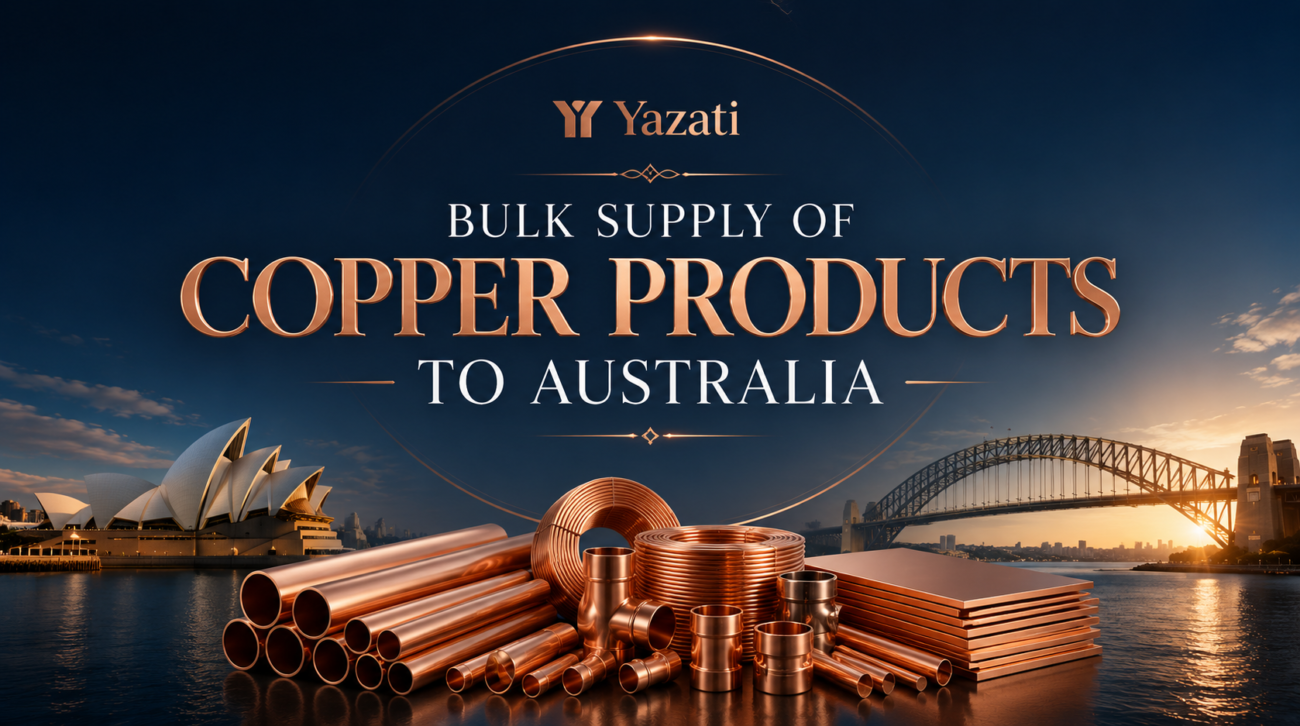
Australia has become one of the fastest-growing markets for industrial metals, especially copper. The Bulk Supply of Copper Products to Australia is expanding due to rising investments in renewable energy, infrastructure, transportation, and electrical manufacturing. Copper remains one of the most valuable industrial materials because of its excellent conductivity, corrosion resistance, and durability.
Exporters and manufacturers around the world are actively targeting Australian buyers because the country consistently imports high-quality copper products in large quantities. From copper pipes used in construction to copper wires powering renewable energy systems, demand continues to rise year after year.
In this detailed guide, you’ll learn everything about exporting copper products to Australia, including market opportunities, regulations, pricing, logistics, and supplier strategies.
Introduction to Australia’s Copper Import Market
Australia is known for its strong mining sector, but it still imports a significant quantity of processed copper products. This happens because domestic industries require specialized copper materials for manufacturing and infrastructure projects.
The Australian economy relies heavily on:
- Construction projects
- Renewable energy expansion
- Electrical equipment manufacturing
- Telecommunications infrastructure
- Transportation systems
As these industries grow, so does the need for bulk copper imports.
According to international trade trends, Australia imports copper products mainly from Asian and South American countries due to competitive pricing and reliable production capacity.
Why Copper Products Are in High Demand in Australia
The increasing demand for copper products in Australia is driven by several major industries and government-backed infrastructure projects.
Construction and Infrastructure Expansion
Australia’s urban development projects require huge quantities of copper materials. Copper pipes, sheets, and fittings are widely used in:
- Residential construction
- Commercial buildings
- Plumbing systems
- HVAC installations
- Smart city infrastructure
Copper’s durability and resistance to corrosion make it ideal for long-term construction use.
Renewable Energy Projects
The shift toward clean energy has significantly increased copper consumption. Solar farms, wind turbines, and battery storage systems all require copper components.
Copper is heavily used in:
- Solar panel wiring
- Wind turbine generators
- Electric vehicle charging stations
- Power transmission systems
As Australia continues investing in renewable energy, copper imports are expected to grow rapidly.
Electrical and Industrial Manufacturing
Copper remains essential in electrical systems because it conducts electricity efficiently. Australian industries use copper in:
- Power cables
- Industrial motors
- Transformers
- Circuit boards
- Telecommunications equipment
This industrial dependency creates continuous demand for bulk copper supply.
Types of Copper Products Exported to Australia
Exporters supply a wide range of copper products depending on industrial requirements.
Copper Rods and Bars
Copper rods are commonly used in:
- Electrical grounding systems
- Power transmission
- Manufacturing equipment
These products are usually shipped in large industrial volumes.
Copper Tubes and Pipes
Copper pipes are essential for plumbing and HVAC systems because they resist corrosion and perform well under pressure.
Common applications include:
- Water distribution systems
- Refrigeration units
- Air conditioning systems
Copper Sheets and Plates
Copper sheets are used in:
- Roofing
- Industrial machinery
- Decorative architecture
- Electrical components
Australian manufacturers often import custom-sized copper sheets in bulk quantities.
Copper Wires and Cables
The electrical industry depends heavily on copper wiring. Bulk imports support:
- Telecommunications networks
- Data centers
- Renewable energy systems
- Residential electrical wiring
Copper Scrap and Recycled Copper
Recycled copper is becoming increasingly popular due to sustainability goals. Australian companies import copper scrap for reprocessing and manufacturing purposes.
Key Industries Driving Copper Consumption
Several sectors are responsible for Australia’s growing copper demand.
| Industry | Copper Usage |
|---|---|
| Construction | Pipes, roofing, fittings |
| Renewable Energy | Solar panels, turbines |
| Electrical | Wiring, transformers |
| Automotive | EV components |
| Telecommunications | Data cables, connectors |
| Manufacturing | Machinery and industrial parts |
These industries ensure steady long-term growth for copper imports.
Major Exporting Countries Supplying Copper to Australia
China
China is one of the largest suppliers of processed copper products due to its massive manufacturing capacity and competitive pricing.
India
India has emerged as a reliable exporter of copper rods, tubes, and wires. Many Australian buyers source copper products from Indian manufacturers because of quality standards and cost efficiency.
Chile
Chile is globally recognized for copper mining and refined copper exports. Australian importers often purchase raw and semi-processed copper materials from Chilean suppliers.
Indonesia
Indonesia supplies industrial copper products to Australian manufacturers and construction companies.
Regulations for Bulk Supply of Copper Products to Australia
Exporters must comply with Australian regulations before shipping copper products.
Australian Import Standards
Copper imports must meet strict quality and safety standards. Products often require compliance with:
- Australian Standards (AS)
- ISO certifications
- Electrical safety regulations
Customs Duties and Documentation
Common import documents include:
- Commercial invoice
- Packing list
- Bill of lading
- Certificate of origin
- Quality inspection certificate
Failure to provide proper documentation can delay shipments.
Quality Certifications
Australian buyers prefer suppliers with certifications such as:
- ISO 9001
- SGS inspection reports
- RoHS compliance
- CE certification
These certifications build trust and improve export opportunities.
How to Choose Reliable Copper Suppliers
Selecting the right supplier is crucial in the Bulk Supply of Copper Products to Australia market.
Supplier Verification Methods
Before placing bulk orders:
- Verify business licenses
- Check export history
- Review customer testimonials
- Request factory audits
Production Capacity Assessment
Suppliers should have sufficient manufacturing capability to handle large orders consistently.
Questions to ask include:
- Monthly production capacity
- Delivery lead times
- Export experience
- Inventory availability
Quality Control and Inspection
Professional exporters conduct multiple inspections before shipping products to Australia.
Third-party inspections help ensure:
- Product purity
- Correct dimensions
- Packaging quality
- Compliance standards
Pricing Factors in Copper Product Exports
Copper pricing changes regularly due to global market conditions.
Global Copper Market Trends
Copper prices depend on:
- Mining production
- Industrial demand
- Economic growth
- Supply chain disruptions
The London Metal Exchange (LME) strongly influences international copper pricing.
Shipping and Freight Costs
Sea freight rates can significantly affect total export costs, especially for heavy copper shipments.
Currency Exchange Impact
Currency fluctuations between the Australian dollar and exporting countries can influence final pricing.
Logistics and Shipping Solutions
Efficient logistics are essential for successful bulk exports.
Sea Freight Advantages
Sea freight remains the most cost-effective option for bulk copper shipments because it allows:
- Large shipment volumes
- Lower transportation costs
- International scalability
Packaging Requirements
Copper products require durable packaging to prevent:
- Moisture damage
- Corrosion
- Physical impact during transit
Delivery Timelines
Delivery times depend on:
- Export country
- Shipping route
- Customs clearance
- Port congestion
Most shipments to Australia take between 15–45 days.
Challenges in Bulk Copper Supply
Exporters may face several challenges, including:
- Volatile copper prices
- Shipping delays
- Import compliance issues
- Rising freight costs
- Intense global competition
Businesses that manage these challenges effectively can secure long-term success.
Opportunities for Exporters in Australia
Australia presents excellent opportunities for copper exporters because of:
- Growing renewable energy projects
- Expanding infrastructure
- Rising electric vehicle adoption
- Strong industrial growth
Suppliers offering competitive pricing and consistent quality can build long-term partnerships with Australian buyers.
Sustainable and Recycled Copper Trade
Sustainability is becoming increasingly important in global trade. Recycled copper helps reduce environmental impact while maintaining excellent conductivity and performance.
Benefits of recycled copper include:
- Lower energy consumption
- Reduced mining dependency
- Cost savings
- Environmental sustainability
Many Australian manufacturers now prioritize eco-friendly sourcing.
Digital B2B Platforms for Copper Trade
Online B2B marketplaces simplify global copper trade. Popular platforms include:
- Alibaba
- TradeIndia
- Made-in-China
- Global Sources
These platforms help exporters connect with Australian importers more efficiently.
For global trade information, visit the official Australian trade website: https://www.austrade.gov.au/
Future Trends in the Australian Copper Market
The future of copper imports in Australia looks promising due to:
- Green energy transition
- Smart infrastructure development
- Expansion of EV manufacturing
- Increased industrial automation
Industry experts expect copper demand to remain strong for decades.
Frequently Asked Questions
1. Why is Australia importing bulk copper products?
Australia imports copper products to support construction, renewable energy, manufacturing, and telecommunications industries.
2. Which copper products are most demanded in Australia?
Copper wires, pipes, rods, sheets, and recycled copper are among the most imported products.
3. What certifications are needed for exporting copper to Australia?
Common certifications include ISO 9001, SGS inspection reports, and Australian compliance standards.
4. What is the best shipping method for bulk copper exports?
Sea freight is the most economical and widely used shipping option for bulk copper products.
5. Which countries export the most copper to Australia?
China, India, Chile, and Indonesia are major exporters supplying copper products to Australia.
6. Is recycled copper in demand in Australia?
Yes, recycled copper demand is increasing because of sustainability initiatives and environmental regulations.
Conclusion
The Bulk Supply of Copper Products to Australia offers tremendous opportunities for exporters, manufacturers, and global traders. With rising investments in renewable energy, infrastructure, and industrial development, Australia’s copper demand continues to grow steadily.
Businesses that focus on quality assurance, regulatory compliance, competitive pricing, and reliable logistics can establish profitable long-term partnerships in the Australian market. As sustainability and green technologies continue expanding, copper will remain one of the most essential industrial materials shaping Australia’s future economy.
✨ Discover Global Sourcing Excellence with Netyex ✨
Netyex is your trusted B2B sourcing partner, connecting international buyers with India’s finest manufacturers and curated product lines—from handicrafts and home décor to kitchenware, textiles, hospitality essentials, and more. With verified suppliers and end-to-end support, we make global procurement seamless, reliable, and efficient.
👉 Elevate your sourcing experience—explore Netyex today.
📦 Bulk orders & customisation | 🌍 Worldwide delivery | 🤝 Trusted by global buyers
Visit Netyex to source premium Indian products with confidence.