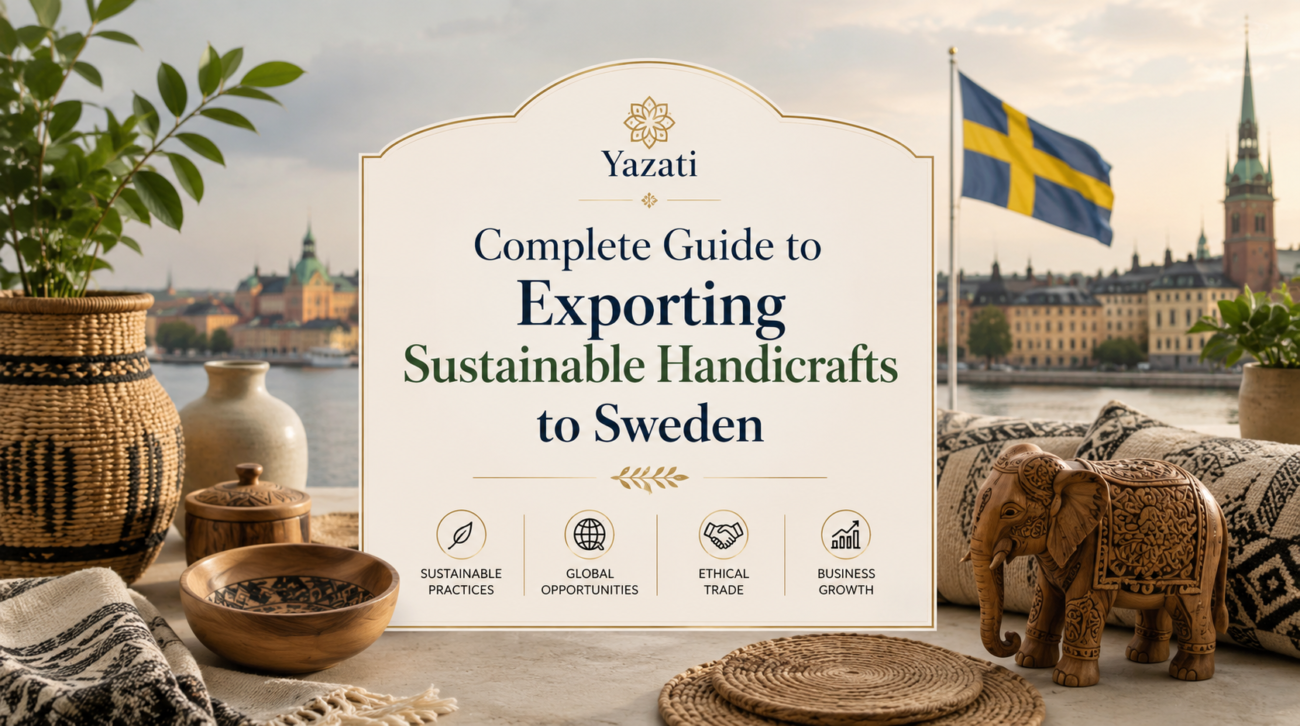
Exporting sustainable handicrafts to Sweden presents an exciting opportunity for artisans, exporters, cooperatives, and small businesses seeking access to one of Europe’s most environmentally conscious markets. Swedish consumers value handmade products that combine authenticity, quality craftsmanship, ethical production, and sustainable materials. As demand for eco-friendly home décor, textiles, baskets, wooden crafts, ceramics, and natural fiber products continues to rise, exporters who understand Sweden’s import requirements and consumer preferences can build long-term success.
This comprehensive guide explains everything you need to know—from market research and sustainability standards to shipping, pricing, certifications, and marketing strategies.
Introduction to Sweden’s Sustainable Handicraft Market
Sweden has established itself as one of Europe’s leading markets for sustainable and ethically produced products. Environmental responsibility is deeply embedded in Swedish culture, influencing purchasing decisions across industries, including furniture, home décor, fashion, and handcrafted goods.
Consumers increasingly seek products made from renewable resources, recycled materials, organic textiles, and responsibly sourced wood. This trend creates significant opportunities for exporters offering handmade products with authentic stories and environmentally responsible production methods.
Unlike mass-produced items, sustainable handicrafts appeal to buyers looking for uniqueness, craftsmanship, and cultural heritage. Products that combine traditional techniques with modern Scandinavian aesthetics often perform particularly well.
Key market drivers include:
- Growing environmental awareness
- Demand for fair trade products
- Preference for handmade over factory-made items
- Interest in minimalist interior design
- Increasing online shopping
For exporters, Sweden represents not only a profitable destination but also a gateway to the broader Nordic and European markets.
Why Sweden is an Attractive Export Destination
Sweden consistently ranks among the world’s most sustainable economies. Government policies, consumer awareness, and retailer commitments all encourage environmentally responsible sourcing.
Strong Purchasing Power
Swedish consumers generally have high disposable incomes, allowing them to invest in premium handmade goods rather than choosing the cheapest alternatives.
This benefits exporters producing high-quality handcrafted products that emphasize:
- Authentic craftsmanship
- Sustainable materials
- Ethical labor practices
- Unique cultural identity
Eco-Conscious Consumers
Many Swedish households actively reduce their environmental footprint. Purchasing decisions often consider:
- Carbon emissions
- Packaging waste
- Material origin
- Worker welfare
- Product durability
As a result, exporters who communicate these values effectively can build strong customer loyalty.
Demand for Ethical Products
Retailers increasingly seek suppliers capable of documenting responsible sourcing and production practices. Buyers appreciate transparency throughout the supply chain.
Providing detailed product information—including the origin of raw materials, artisan stories, and sustainability initiatives—can significantly enhance product appeal.
Understanding Sustainable Handicrafts
Sustainable handicrafts are products created with minimal environmental impact while supporting fair labor practices and preserving traditional craftsmanship.
Sustainability extends beyond raw materials. It includes every stage of production—from sourcing to packaging and transportation.
Eco-Friendly Materials
Popular sustainable materials include:
| Material | Common Products |
|---|---|
| Bamboo | Baskets, décor |
| Organic cotton | Textiles |
| Jute | Bags, rugs |
| Hemp | Home accessories |
| Coconut shell | Bowls |
| Reclaimed wood | Furniture |
| Natural clay | Ceramics |
| Water hyacinth | Storage baskets |
| Seagrass | Home décor |
These materials naturally align with Swedish consumer preferences for renewable and biodegradable resources.
Ethical Manufacturing
Ethical production involves:
- Fair wages
- Safe working conditions
- No child labor
- Gender equality
- Community development
- Traditional craftsmanship preservation
Consumers increasingly want to know the people behind the products. Sharing artisan stories and production processes can strengthen trust and differentiate your brand.
Popular Sustainable Handicrafts in Sweden
Understanding which products resonate with Swedish buyers helps exporters prioritize their product range.
Home Décor
Minimalist home décor remains one of the strongest categories.
Popular items include:
- Handwoven baskets
- Wooden trays
- Decorative bowls
- Wall hangings
- Handmade candles
- Plant holders
Neutral colors, natural textures, and simple designs align well with Scandinavian interiors.
Textiles
Sustainably produced textiles enjoy strong demand.
Examples include:
- Organic cotton cushion covers
- Handwoven rugs
- Table runners
- Kitchen towels
- Linen napkins
- Decorative throws
Natural dyes and traditional weaving techniques add authenticity and value.
Wooden Products
Swedish consumers appreciate responsibly sourced wooden products due to their durability and timeless appeal.
Popular exports include:
- Serving boards
- Kitchen utensils
- Decorative sculptures
- Storage boxes
- Wooden toys
- Furniture accessories
Using certified or reclaimed wood can further strengthen your sustainability credentials.
Ceramic Crafts
Handmade ceramics complement Scandinavian interior design.
High-demand products include:
- Coffee mugs
- Bowls
- Plates
- Vases
- Plant pots
- Decorative ornaments
Neutral tones, matte finishes, and minimalist forms often attract Swedish buyers.
Natural Fiber Products
Natural fibers continue gaining popularity because they are renewable, biodegradable, and versatile.
Examples include:
- Jute baskets
- Seagrass mats
- Water hyacinth storage
- Bamboo organizers
- Palm leaf décor
These products combine sustainability with functionality, making them ideal for eco-conscious households.
Swedish Import Requirements
Meeting Swedish import requirements is essential for ensuring smooth customs clearance and maintaining buyer confidence.
Customs Documentation
Exporters should prepare accurate and complete documentation, including:
- Commercial invoice
- Packing list
- Bill of lading or airway bill
- Certificate of origin (if applicable)
- Export declaration
- Import permits (where required)
Accurate paperwork helps avoid delays, additional inspections, and unexpected costs.
Product Standards
While many handicrafts are not subject to extensive technical regulations, products should still comply with applicable European safety and labeling requirements. For example:
- Wooden items should be free from harmful treatments or restricted chemicals.
- Textile products should accurately disclose fiber composition and care instructions.
- Products intended for children, such as toys, may need to meet stricter safety standards.
Ensuring compliance before shipment can prevent costly returns or rejected consignments.
Packaging Regulations
Sustainable packaging is highly valued in Sweden. Consider using:
- Recyclable cardboard
- Paper-based protective materials
- Biodegradable fillers
- Water-based inks
- Minimal plastic packaging
Well-designed, eco-friendly packaging not only protects products during transport but also reinforces your brand’s sustainability message.
Sustainability Certifications
Although not always mandatory, certifications can significantly enhance buyer confidence and improve market access.
FSC Certification
For wooden handicrafts, certification demonstrating responsible forest management can reassure buyers that timber has been sourced sustainably.
Fair Trade
Fair trade certification highlights ethical production practices, fair wages, and community support, appealing to socially conscious consumers.
Organic Certifications
For products made from organic fibers, relevant certifications can provide additional credibility and help justify premium pricing.
Conducting Market Research
A successful export strategy begins with understanding the Swedish market. Comprehensive market research helps identify customer preferences, pricing expectations, competitors, and emerging trends.
Analyze Consumer Preferences
Swedish consumers generally prefer products that are:
- Handmade and authentic
- Made from natural or recycled materials
- Durable and functional
- Minimalist in design
- Ethically produced
- Transparently sourced
Products that include a story about the artisan or community behind them often create a stronger emotional connection with buyers.
Monitor Design Trends
Scandinavian design emphasizes:
- Neutral colors
- Clean lines
- Simplicity
- Functionality
- Natural textures
Adapting traditional handicrafts to complement these design preferences can increase their appeal without compromising cultural authenticity.
Competitor Analysis
Study retailers and brands already selling sustainable handicrafts in Sweden. Compare:
| Factor | Questions to Consider |
|---|---|
| Product Range | What categories are most popular? |
| Materials | Which sustainable materials are frequently used? |
| Pricing | What is the average retail price? |
| Packaging | How are products presented? |
| Branding | What sustainability messages are emphasized? |
| Customer Reviews | What do buyers appreciate or criticize? |
This information can help you position your products more effectively and identify opportunities to differentiate your offerings.
Pricing Strategy
Pricing should reflect production costs, shipping expenses, taxes, and the value of handmade craftsmanship.
Calculate Export Costs
Typical export costs include:
- Raw materials
- Labor
- Packaging
- Inland transportation
- Freight charges
- Customs fees
- Insurance
- Marketing expenses
- Distributor or retailer margins
Maintaining a detailed cost sheet helps ensure profitability while remaining competitive.
Offer Value, Not Just Low Prices
Many Swedish consumers are willing to pay more for products that demonstrate:
- Superior craftsmanship
- Ethical sourcing
- Environmental responsibility
- Unique design
- High durability
Avoid competing solely on price. Instead, emphasize the long-term value and sustainability of your products.
Finding Buyers in Sweden
Building relationships with reliable buyers is a critical step in expanding your export business.
Potential Buyer Channels
Consider approaching:
- Specialty home décor retailers
- Sustainable lifestyle stores
- Fair trade organizations
- Interior designers
- Museum gift shops
- Online marketplaces
- Import wholesalers
- Boutique furniture stores
Networking through international trade fairs and business associations can also help establish valuable partnerships.
Develop a Professional Catalog
A well-designed catalog should include:
- High-quality product photographs
- Product dimensions
- Materials used
- Available colors and variations
- Minimum order quantities
- Production capacity
- Sustainability information
- Packaging options
Clear and professional product information makes it easier for buyers to evaluate your offerings.
Marketing Sustainable Handicrafts
Marketing should communicate not only the product itself but also the values behind it.
Tell Your Brand Story
Consumers increasingly want to know:
- Who made the product
- Where it was produced
- Which materials were used
- How production benefits local communities
- What sustainability practices are followed
Authentic storytelling builds trust and strengthens your brand identity.
Build an Online Presence
Maintain an informative website featuring:
- Product collections
- Artisan stories
- Sustainability commitments
- Contact information
- Export capabilities
- Certifications
- Customer testimonials
Use social media platforms to showcase behind-the-scenes production, new collections, and customer experiences.
Create Strong Product Descriptions
Effective product descriptions should highlight:
- Material origin
- Handmade techniques
- Functional benefits
- Care instructions
- Sustainability features
- Cultural significance
This information helps buyers appreciate the value of your products and improves online search visibility.
Shipping and Logistics
Reliable logistics are essential for maintaining customer satisfaction and protecting fragile handcrafted items.
Choose Appropriate Shipping Methods
Depending on shipment size and urgency, exporters may use:
- Air freight for smaller, time-sensitive orders
- Sea freight for larger shipments
- Courier services for samples
Each option should be evaluated based on cost, delivery time, and product type.
Protect Products During Transit
Use packaging that balances protection with sustainability, such as:
- Recycled cardboard cartons
- Molded paper inserts
- Biodegradable cushioning materials
- Paper tape
- Clearly labeled fragile packaging
Proper packaging reduces the risk of damage while supporting your environmental commitments.
Work with Experienced Logistics Partners
A logistics provider familiar with European imports can assist with:
- Customs documentation
- Freight planning
- Shipment tracking
- Insurance
- Delivery scheduling
Choosing experienced partners helps minimize delays and unexpected costs.
Common Export Challenges
Even experienced exporters encounter obstacles. Understanding these challenges allows you to prepare effective solutions.
Regulatory Compliance
Different products may require specific documentation or safety standards. Staying informed about applicable regulations reduces the likelihood of customs delays.
Maintaining Consistent Quality
Handmade products naturally vary, but maintaining consistent quality standards is essential for repeat business.
Implement quality control checks throughout production to ensure products meet buyer expectations.
Managing Production Capacity
Large export orders can strain small artisan groups.
Develop production plans that balance growth with quality while avoiding unrealistic delivery commitments.
Currency Fluctuations
Exchange rate changes may affect profitability.
Consider pricing strategies, payment terms, or financial tools that help manage currency risks.
Communication Across Markets
Clear communication regarding lead times, product specifications, and shipping schedules builds trust and prevents misunderstandings.
Frequently Asked Questions (FAQs)
1. What types of sustainable handicrafts are most popular in Sweden?
Home décor, organic textiles, wooden kitchenware, ceramic products, woven baskets, and natural fiber accessories are among the most sought-after categories.
2. Do I need sustainability certifications to export handicrafts to Sweden?
While certifications are not always mandatory, they can improve buyer confidence and strengthen your competitive position, particularly for products made from wood or organic fibers.
3. How can I find Swedish buyers?
Potential buyers include importers, wholesalers, sustainable retailers, interior designers, online marketplaces, and trade fair participants. Building a professional online presence also increases visibility.
4. What packaging should I use?
Environmentally friendly packaging made from recyclable or biodegradable materials is generally preferred. Packaging should also protect products during transportation.
5. How important is storytelling when marketing handicrafts?
Very important. Buyers often value the story behind handmade products, including the artisans involved, traditional techniques, and the positive social or environmental impact of production.
6. What are the biggest challenges when exporting sustainable handicrafts?
Common challenges include meeting regulatory requirements, maintaining consistent quality, managing production capacity, controlling logistics costs, and building long-term buyer relationships.
Conclusion
Exporting sustainable handicrafts to Sweden offers tremendous opportunities for artisans, cooperatives, and small businesses committed to quality, authenticity, and environmental responsibility. Sweden’s strong demand for eco-friendly, ethically produced goods makes it an attractive market for handcrafted products that combine traditional skills with contemporary design.
Success depends on more than creating beautiful products. Exporters should invest in market research, understand Swedish consumer preferences, comply with import requirements, adopt sustainable packaging, and communicate the unique story behind each product. Strong relationships with buyers, consistent quality, and reliable logistics further strengthen long-term growth.
By focusing on sustainability, transparency, and craftsmanship, exporters can build a trusted reputation and expand into one of Europe’s most environmentally conscious markets.
✨ Discover Global Sourcing Excellence with Netyex ✨
Netyex is your trusted B2B sourcing partner, connecting international buyers with India’s finest manufacturers and curated product lines—from handicrafts and home décor to kitchenware, textiles, hospitality essentials, and more. With verified suppliers and end-to-end support, we make global procurement seamless, reliable, and efficient.
👉 Elevate your sourcing experience—explore Netyex today.
📦 Bulk orders & customisation | 🌍 Worldwide delivery | 🤝 Trusted by global buyers
Visit Netyex to source premium Indian products with confidence.