Introduction
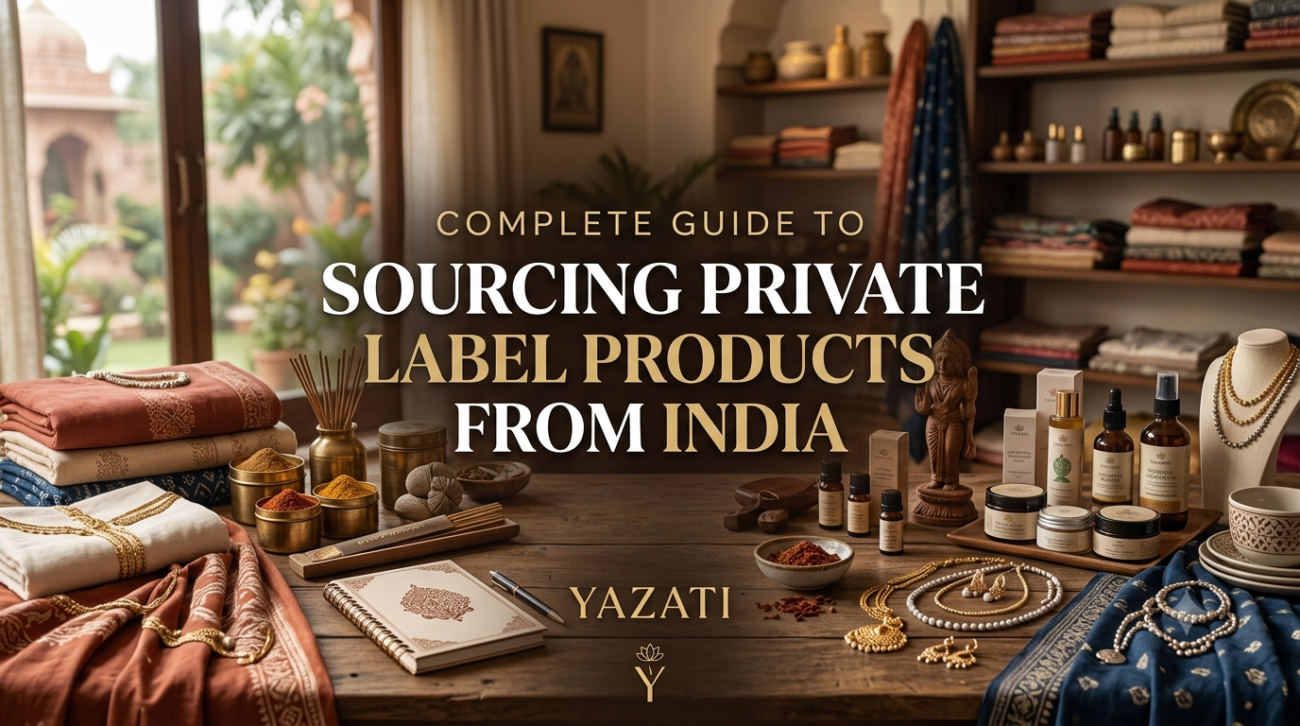
India has rapidly become one of the world’s most attractive manufacturing destinations for entrepreneurs, Amazon sellers, retailers, and global brands. With its diverse manufacturing ecosystem, competitive production costs, skilled workforce, and expanding export infrastructure, the country offers countless opportunities for businesses seeking high-quality private label products.
This Complete Guide to Sourcing Private Label Products from India explains every stage of the sourcing journey—from identifying profitable product categories and selecting trustworthy manufacturers to negotiating prices, maintaining quality standards, managing shipping, and building long-term supplier relationships.
Whether you’re launching your first ecommerce brand or expanding an established product portfolio, understanding India’s sourcing landscape can significantly improve profitability while maintaining product quality.
Why India Is a Leading Destination for Private Label Manufacturing
India has transformed into one of the fastest-growing manufacturing hubs globally. Government initiatives supporting exports, increasing foreign investment, improved logistics, and technological advancements have strengthened the country’s position in international trade.
Competitive Manufacturing Costs
Indian manufacturers generally offer competitive pricing due to lower labor costs, efficient production processes, and abundant raw materials. Businesses often achieve healthy profit margins without sacrificing quality.
Skilled Workforce
India has decades of manufacturing expertise across numerous industries including:
- Textiles
- Leather
- Furniture
- Cosmetics
- Herbal products
- Organic foods
- Engineering goods
- Jewelry
- Handicrafts
These industries combine traditional craftsmanship with modern manufacturing technologies.
Wide Product Diversity
Unlike many manufacturing destinations that specialize in limited sectors, India produces an enormous variety of products suitable for private labeling.
Examples include:
| Industry | Popular Products |
| Textiles | Clothing, towels, bedding |
| Home Décor | Candles, rugs, cushions |
| Beauty | Herbal skincare, oils |
| Kitchen | Wooden utensils, cookware |
| Food | Tea, spices, snacks |
| Leather | Wallets, bags, belts |
Understanding Private Label Products
Private labeling allows businesses to purchase products manufactured by third parties while selling them under their own brand name.
Instead of building factories, companies focus on:
- Branding
- Marketing
- Customer service
- Sales
- Product development
Manufacturers handle production according to agreed specifications.
Benefits of Private Labeling
Private labeling offers several advantages:
- Higher profit margins
- Strong brand recognition
- Customer loyalty
- Greater pricing control
- Exclusive product offerings
- Flexible customization
- Easier product expansion
For ecommerce businesses, private labeling also reduces direct price competition compared to selling generic products.
Popular Private Label Product Categories in India
Choosing the right product category significantly influences business success. India offers manufacturing expertise across numerous sectors.
Textiles and Apparel
India remains one of the world’s largest textile exporters.
Private label opportunities include:
- Cotton T-shirts
- Hoodies
- Yoga wear
- Children’s clothing
- Bed sheets
- Towels
- Blank apparel
Organic cotton products have experienced especially strong international demand.
Beauty and Personal Care
The global interest in natural wellness products has positioned India as a leading exporter of herbal cosmetics.
Popular products include:
- Face serums
- Essential oils
- Hair oils
- Herbal soaps
- Body lotions
- Lip balms
- Ayurvedic skincare
Many manufacturers also provide custom fragrance, packaging, labeling, and formulation services.
Leather Goods
India has built an outstanding reputation for genuine leather manufacturing.
Common exports include:
- Wallets
- Belts
- Handbags
- Laptop bags
- Travel accessories
- Fashion items
These products are widely sold through ecommerce marketplaces and retail stores worldwide.
Home Décor
Indian craftsmanship creates unique decorative products including:
Customization options make these products particularly attractive for private label brands.
Finding Reliable Manufacturers
Selecting the right manufacturing partner is perhaps the most important decision in the sourcing process.
Online B2B Platforms
Several B2B marketplaces connect international buyers with verified Indian suppliers. These platforms allow businesses to compare manufacturers, review certifications, and request quotations.
However, always verify supplier credentials independently before placing large orders.
Trade Shows
Trade fairs provide opportunities to meet manufacturers face-to-face, inspect product samples, and discuss customization requirements.
Benefits include:
- Faster negotiations
- Better pricing
- Product demonstrations
- Factory introductions
- Networking opportunities
Direct Factory Outreach
Many established manufacturers maintain professional websites where buyers can contact export departments directly. This approach may eliminate intermediaries and improve communication.
Evaluating Suppliers
Choosing the lowest-priced supplier rarely delivers the best long-term results.
Instead, evaluate manufacturers based on:
- Export experience
- Production capacity
- Quality management systems
- Client references
- Certifications
- Communication speed
- Product consistency
- Financial stability
Request product samples before committing to bulk production.
A sample order allows you to evaluate:
- Material quality
- Packaging
- Branding accuracy
- Product durability
- Finishing
- Shipping reliability
Product Customization and Branding
Private labeling succeeds through differentiation.
Most Indian manufacturers offer customization options including:
- Logo printing
- Custom packaging
- Color selection
- Material variations
- Product sizing
- Custom inserts
- Barcode labeling
- Retail-ready packaging
Strong branding creates higher perceived value and increases customer loyalty.
MOQ and Pricing
Minimum Order Quantity (MOQ) varies significantly depending on the manufacturer and product category.
When negotiating pricing:
- Compare multiple quotations.
- Discuss volume discounts.
- Clarify tooling or mold costs.
- Understand packaging charges.
- Confirm shipping responsibilities using agreed Incoterms.
- Ask about payment schedules and lead times.
Transparent communication early in the process helps avoid misunderstandings and supports a successful long-term partnership.
Quality Control Process
Quality control is one of the most important aspects of sourcing private label products from India. Even the most experienced manufacturers can occasionally produce inconsistencies, making a structured quality assurance process essential.
Rather than waiting until products arrive at your warehouse, quality checks should be integrated throughout production.
Pre-Production Inspection
Before manufacturing begins, confirm every product specification in writing, including:
- Dimensions
- Materials
- Colors
- Packaging
- Logo placement
- Labels
- Barcodes
- Product testing requirements
A detailed specification sheet minimizes misunderstandings and ensures both parties share the same expectations.
During Production Inspection
Monitoring production while it is underway allows issues to be identified before an entire batch is completed. Many businesses hire third-party inspection agencies to visit factories and verify that production follows agreed specifications.
These inspections typically evaluate:
- Raw materials
- Workmanship
- Product dimensions
- Packaging materials
- Branding accuracy
- Manufacturing consistency
Final Random Inspection
Before shipment, inspect a statistically representative sample from the finished batch.
Common inspection criteria include:
- Product appearance
- Functional testing
- Packaging quality
- Quantity verification
- Label accuracy
- Carton condition
A final inspection significantly reduces the risk of receiving defective products.
Shipping and Logistics
Efficient logistics play a major role in maintaining customer satisfaction and profitability.
India offers multiple international shipping options depending on budget, urgency, and shipment volume.
Air Freight
Air freight is ideal for:
- Product launches
- Small orders
- Urgent inventory replenishment
- High-value products
Although more expensive, air transportation offers significantly shorter delivery times.
Sea Freight
Sea freight remains the preferred option for bulk private label orders because of its lower transportation cost.
Businesses should compare:
- Full Container Load (FCL)
- Less than Container Load (LCL)
Choosing the right shipping method depends on shipment size and budget.
Understanding Incoterms
Clearly define shipping responsibilities using internationally recognized Incoterms.
Common options include:
| Incoterm | Responsibility |
|---|---|
| EXW | Buyer manages transportation from factory |
| FOB | Seller delivers goods to the port |
| CIF | Seller covers freight and insurance |
| DDP | Seller delivers goods including duties (where available) |
Discuss these terms before placing an order to avoid unexpected costs.
Import Regulations and Documentation
Every importing country has unique customs regulations. Understanding these requirements before shipment prevents delays and additional expenses.
Typical documentation includes:
- Commercial Invoice
- Packing List
- Bill of Lading or Air Waybill
- Certificate of Origin (if required)
- Product Testing Reports (where applicable)
- Export Documentation
- Import Licenses (for regulated products)
Certain categories such as cosmetics, food products, children’s products, and electronics may require additional certifications or compliance testing in the destination country.
Consult a licensed customs broker to ensure your shipments meet all legal requirements.
Common Challenges When Sourcing from India
While India offers exceptional manufacturing opportunities, buyers should prepare for common sourcing challenges.
Communication Gaps
Time zone differences, language nuances, and technical misunderstandings can occasionally affect production.
Best practices include:
- Use written specifications.
- Confirm discussions via email.
- Share annotated images and technical drawings.
- Schedule regular progress updates.
Production Delays
Factors that may affect lead times include:
- Public holidays
- Raw material shortages
- Weather conditions
- Port congestion
- High seasonal demand
Always build extra time into your production schedule.
Quality Variations
Maintaining consistent quality requires ongoing supplier management.
Helpful strategies include:
- Approving production samples.
- Conducting regular inspections.
- Tracking defect rates.
- Maintaining detailed quality reports.
- Providing constructive feedback after each order.
Building Long-Term Supplier Relationships
Successful sourcing is rarely based on one transaction. Long-term partnerships often lead to better pricing, improved quality, and greater flexibility.
Communicate Clearly
Provide complete product specifications and respond promptly to supplier questions. Clear communication reduces production errors and builds trust.
Pay on Time
Meeting agreed payment terms demonstrates reliability and encourages suppliers to prioritize your orders.
Share Sales Feedback
Manufacturers appreciate learning how products perform in the market. Positive feedback, customer reviews, and suggestions for improvement can strengthen collaboration and inspire product innovation.
Visit the Factory
If feasible, visiting your manufacturing partner helps verify capabilities, understand production processes, and establish stronger business relationships.
Plan for Growth
As your brand expands, discuss future demand forecasts with your supplier. Early planning enables manufacturers to allocate production capacity and maintain consistent lead times.
Frequently Asked Questions (FAQs)
1. Why should I source private label products from India?
India offers competitive manufacturing costs, a wide range of product categories, skilled craftsmanship, abundant raw materials, and growing export infrastructure. These advantages make it an attractive destination for building private label brands.
2. What are the best products to source from India?
Popular categories include textiles, apparel, leather goods, home décor, kitchenware, handicrafts, herbal cosmetics, Ayurvedic wellness products, tea, spices, organic foods, jewelry, and eco-friendly products.
3. How do I verify a supplier before placing a large order?
Request product samples, verify business licenses and certifications, review export experience, conduct factory audits when possible, and use third-party quality inspection services before mass production.
4. What is the typical minimum order quantity (MOQ)?
MOQ varies depending on the product, manufacturing process, and supplier. Some manufacturers accept small trial orders, while others require larger production runs. Negotiation is often possible, especially for repeat customers.
5. How can I protect my private label brand?
Register your trademark in your target markets, use confidentiality agreements where appropriate, clearly define branding requirements, and ensure packaging and artwork ownership are addressed in supplier contracts.
6. How long does it take to manufacture and ship products from India?
Production timelines typically range from a few weeks to several months, depending on product complexity and order size. Shipping duration varies based on whether you choose air or sea freight and your destination country.
Conclusion
Building a successful private label business requires careful planning, thorough research, and reliable manufacturing partnerships. India continues to stand out as one of the world’s most versatile sourcing destinations, offering an exceptional combination of competitive pricing, skilled labor, diverse product categories, and expanding export capabilities.
The key to success lies in selecting trustworthy manufacturers, investing in comprehensive quality control, understanding logistics and import requirements, and nurturing long-term supplier relationships. Businesses that prioritize clear communication, detailed product specifications, and consistent quality assurance are better positioned to develop strong brands and earn lasting customer loyalty.
Whether you are launching your first ecommerce business or expanding an existing product line, following the practices outlined in this Complete Guide to Sourcing Private Label Products from India can help reduce risk, improve efficiency, and maximize profitability. By approaching sourcing strategically and maintaining high standards throughout the process, you can create distinctive private label products that stand out in competitive global markets.
Additional Resources
For further guidance on exporting, trade regulations, and market opportunities, consult official government and trade resources such as:
These resources provide up-to-date information on export policies, industry developments, and international trade opportunities.
✨ Discover Global Sourcing Excellence with Netyex ✨
Netyex is your trusted B2B sourcing partner, connecting international buyers with India’s finest manufacturers and curated product lines—from handicrafts and home décor to kitchenware, textiles, hospitality essentials, and more. With verified suppliers and end-to-end support, we make global procurement seamless, reliable, and efficient.
👉 Elevate your sourcing experience—explore Netyex today.
📦 Bulk orders & customisation | 🌍 Worldwide delivery | 🤝 Trusted by global buyers
Visit Netyex to source premium Indian products with confidence.