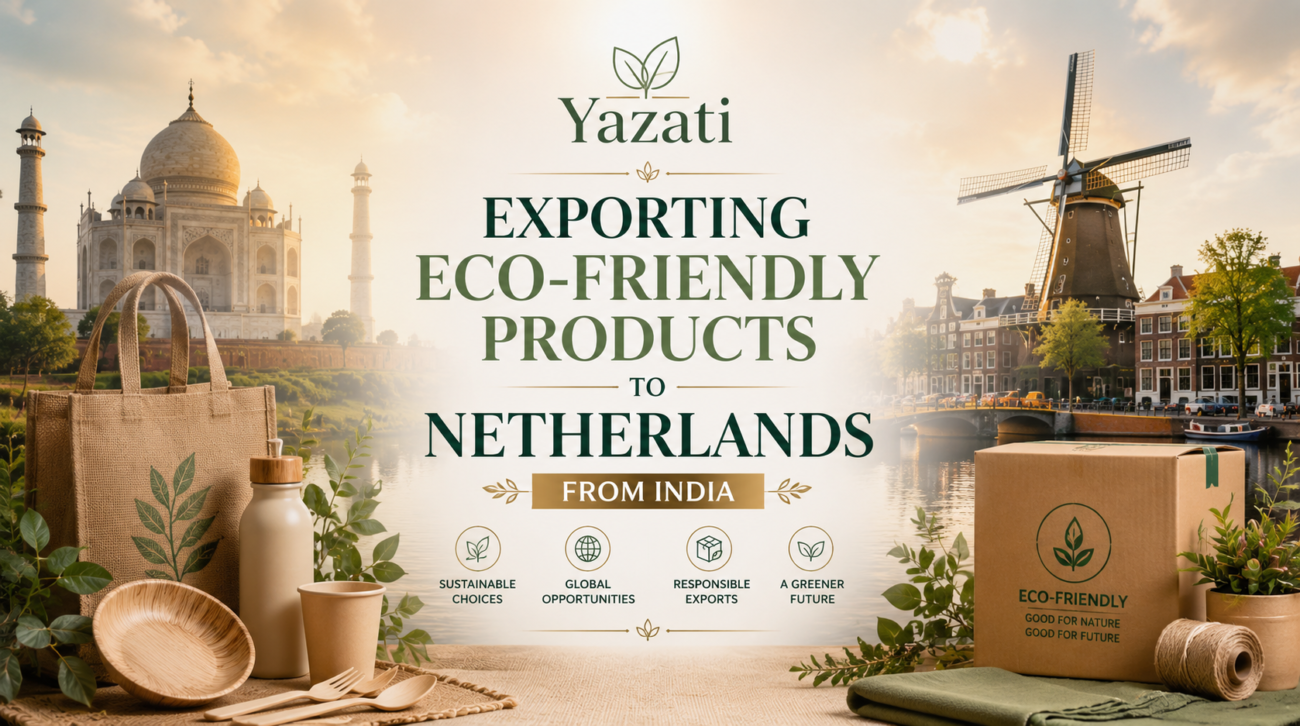
The global shift toward sustainability has created exciting opportunities for Indian exporters. Among European countries, the Netherlands stands out as one of the best destinations for sustainable and environmentally friendly goods. Today, Exporting Eco-Friendly Products to Netherlands from India is not just a profitable business idea—it is also a meaningful contribution toward a greener planet.
The Netherlands acts as a major trade gateway to Europe. Thanks to its advanced ports, eco-conscious consumers, and strong demand for sustainable living, Dutch importers are actively searching for green products from reliable suppliers. India, with its rich natural resources, skilled artisans, and growing eco-manufacturing sector, is perfectly positioned to meet this demand.
In this comprehensive guide, you will learn everything about exporting eco-friendly products to the Dutch market, including product ideas, certifications, logistics, regulations, and proven strategies for success.
Why the Netherlands Is a Prime Market for Eco-Friendly Products
The Netherlands is one of Europe’s most environmentally aware nations. Consumers in Dutch cities like Amsterdam, Rotterdam, and Utrecht increasingly prefer products that reduce carbon footprints and support ethical manufacturing.
Several factors make the Dutch market highly attractive:
- Strong focus on sustainability
- Government support for green initiatives
- Growing demand for biodegradable products
- High purchasing power
- Excellent import infrastructure through the Port of Rotterdam
The Dutch government also encourages businesses to adopt circular economy models. This creates a strong demand for recycled, reusable, and biodegradable products from countries like India.
Understanding the Demand for Sustainable Products in Europe
Europe is leading the global sustainability movement. Dutch buyers often prioritize products that are ethically sourced, eco-friendly, and socially responsible.
Dutch Consumer Preferences
Consumers in the Netherlands value:
- Organic materials
- Plastic-free packaging
- Fair-trade sourcing
- Low-carbon manufacturing
- Handmade and artisanal goods
Indian exporters who highlight these qualities can build strong trust with European buyers.
Green Purchasing Trends
A growing number of Dutch retailers now stock:
- Sustainable home products
- Eco-friendly kitchenware
- Organic textiles
- Natural cosmetics
- Reusable daily-use items
This trend is expected to continue for many years.
Top Eco-Friendly Products Exported from India
India has a competitive advantage in producing sustainable goods using natural materials and traditional craftsmanship.
Organic Textiles and Cotton Products
Organic cotton products from India are highly popular in Europe. Common exports include:
- Organic bedsheets
- Cotton tote bags
- Sustainable clothing
- Handwoven fabrics
Indian textile manufacturers are increasingly adopting eco-friendly dyeing and production methods.
Bamboo and Wooden Products
Bamboo is biodegradable, renewable, and durable. Popular bamboo exports include:
- Toothbrushes
- Cutlery
- Furniture
- Straws
- Storage baskets
Wooden handicrafts made from sustainably sourced wood are also in demand.
Recycled Paper and Packaging Materials
European companies are reducing plastic usage rapidly. This creates opportunities for:
- Recycled paper bags
- Corrugated packaging
- Kraft paper products
- Biodegradable shipping materials
Eco-Friendly Home Décor
Handmade home décor items are very attractive to Dutch buyers. Products include:
- Jute rugs
- Terracotta décor
- Clay planters
- Recycled metal art
- Natural fiber baskets
Sustainable Personal Care Products
Consumers in the Netherlands are increasingly buying:
- Herbal soaps
- Natural skincare products
- Organic essential oils
- Plastic-free cosmetics
Indian Ayurvedic products also have strong export potential.
Benefits of Exporting Eco-Friendly Products to Netherlands from India
There are many advantages to entering this sector:
| Benefit | Explanation |
| Growing Market Demand | Sustainability trends are increasing yearly |
| Premium Pricing | Eco-friendly goods often command higher prices |
| Strong EU Market Access | Netherlands serves as a gateway to Europe |
| Long-Term Business Stability | Green products have lasting relevance |
| Brand Reputation | Sustainable exporters gain global trust |
Businesses that invest early in sustainable exports can enjoy long-term growth opportunities.
Key Certifications Required for Export
Certifications are extremely important when exporting to European countries.
EU Organic Certification
This certification verifies that products meet European organic standards.
Fair Trade Certification
Fair Trade certification demonstrates ethical sourcing and fair wages for workers.
FSC Certification
The Forest Stewardship Council (FSC) certification is important for wooden and paper products.
REACH Compliance
REACH regulations ensure products do not contain harmful chemicals.
You can learn more about EU product regulations through the official European Union trade portal:
https://trade.ec.europa.eu/
Market Entry Strategies for Indian Exporters
Entering the Dutch market requires planning and networking.
Finding Dutch Buyers
You can connect with buyers through:
- Trade directories
- LinkedIn networking
- B2B portals
- Export councils
- Chamber of Commerce events
Selling Through B2B Marketplaces
Popular B2B platforms include:
- Alibaba
- IndiaMART
- TradeIndia
- Europages
These platforms help exporters connect with European wholesalers and retailers.
Participating in International Trade Fairs
Trade fairs are excellent for meeting buyers face-to-face.
Popular European sustainability fairs include:
- Ambiente Frankfurt
- Biofach Germany
- Sustainable Goods Expo Amsterdam
Understanding Import Regulations in the Netherlands
European regulations are strict but manageable with proper preparation.
Packaging and Labeling Rules
Labels should clearly mention:
- Product materials
- Country of origin
- Recycling information
- Usage instructions
Eco-friendly packaging is highly preferred.
Customs Duties and VAT
Import duties vary depending on the product category. VAT rules also apply when goods enter the Netherlands.
Working with an experienced customs broker can simplify the process.
Shipping and Logistics for Eco-Friendly Exports
Efficient logistics are critical for successful exporting.
Choosing Sea Freight vs Air Freight
| Shipping Method | Best For |
| Sea Freight | Large shipments and lower costs |
| Air Freight | Urgent deliveries and smaller volumes |
Sea freight is usually the most cost-effective option for eco-friendly products.
Sustainable Packaging Solutions
Use packaging materials such as:
- Recycled cardboard
- Cornstarch packaging
- Paper tape
- Compostable fillers
Sustainable packaging improves brand image significantly.
Pricing Strategy for Sustainable Products
Eco-friendly buyers often accept slightly higher prices if they understand the product’s value.
Factors to consider:
- Certification costs
- Packaging expenses
- Shipping charges
- Import duties
- Retail margins
Transparency about sustainability practices can justify premium pricing.
Digital Marketing for Export Businesses
Strong digital marketing helps exporters attract global buyers.
SEO and Content Marketing
Create educational content around sustainability and eco-friendly manufacturing.
Use keywords like:
- Sustainable exports from India
- Eco-friendly Indian suppliers
- Green products wholesale Europe
LinkedIn and B2B Networking
LinkedIn is highly effective for connecting with importers and distributors in Europe.
Post regularly about:
- Certifications
- Manufacturing processes
- Product launches
- Sustainability initiatives
Common Challenges Faced by Exporters
Indian exporters may encounter several challenges:
- Complex EU compliance rules
- High certification costs
- Intense competition
- Logistics delays
- Language barriers
However, proper planning and partnerships can overcome these issues.
Government Support and Export Incentives in India
The Indian government offers support through organizations like:
- Export Promotion Councils
- DGFT (Directorate General of Foreign Trade)
- MSME schemes
- Export credit programs
Exporters should also explore sustainability-focused grants and subsidies.
Future Trends in Sustainable Exports
The future looks extremely promising for eco-friendly exporters.
Key trends include:
- Carbon-neutral manufacturing
- Circular economy products
- Plastic-free retail
- Ethical sourcing transparency
- Sustainable eCommerce packaging
Businesses that innovate early will gain a competitive advantage.
FAQs
1. Which eco-friendly products are most profitable to export to the Netherlands?
Organic textiles, bamboo products, sustainable packaging, and eco-friendly home décor are among the most profitable categories.
2. Do Indian exporters need certifications to sell in Europe?
Yes. Certifications like EU Organic, FSC, and REACH compliance are often required.
3. Is the Netherlands a good entry point to Europe?
Absolutely. The Netherlands has one of Europe’s largest ports and acts as a gateway to nearby EU countries.
4. What is the biggest challenge in exporting eco-friendly products?
Meeting strict European quality and sustainability standards is often the biggest challenge.
5. How can I find buyers in the Netherlands?
You can use B2B marketplaces, LinkedIn, trade fairs, and export promotion councils.
6. Are eco-friendly products growing in demand in Europe?
Yes. Sustainability is becoming a major purchasing factor across Europe.
Conclusion
The market for sustainable goods is expanding rapidly across Europe, and the Netherlands is leading the way. For Indian businesses, Exporting Eco-Friendly Products to Netherlands from India offers enormous opportunities for growth, profitability, and global brand recognition.
By focusing on quality, certifications, sustainable packaging, and strong buyer relationships, Indian exporters can successfully enter the Dutch market and build long-term partnerships.
As environmental awareness continues to rise, businesses that prioritize sustainability today will become tomorrow’s global leaders.
✨ Discover Global Sourcing Excellence with Netyex ✨
Netyex is your trusted B2B sourcing partner, connecting international buyers with India’s finest manufacturers and curated product lines—from handicrafts and home décor to kitchenware, textiles, hospitality essentials, and more. With verified suppliers and end-to-end support, we make global procurement seamless, reliable, and efficient.
👉 Elevate your sourcing experience—explore Netyex today.
📦 Bulk orders & customisation | 🌍 Worldwide delivery | 🤝 Trusted by global buyers
Visit Netyex to source premium Indian products with confidence.