Introduction
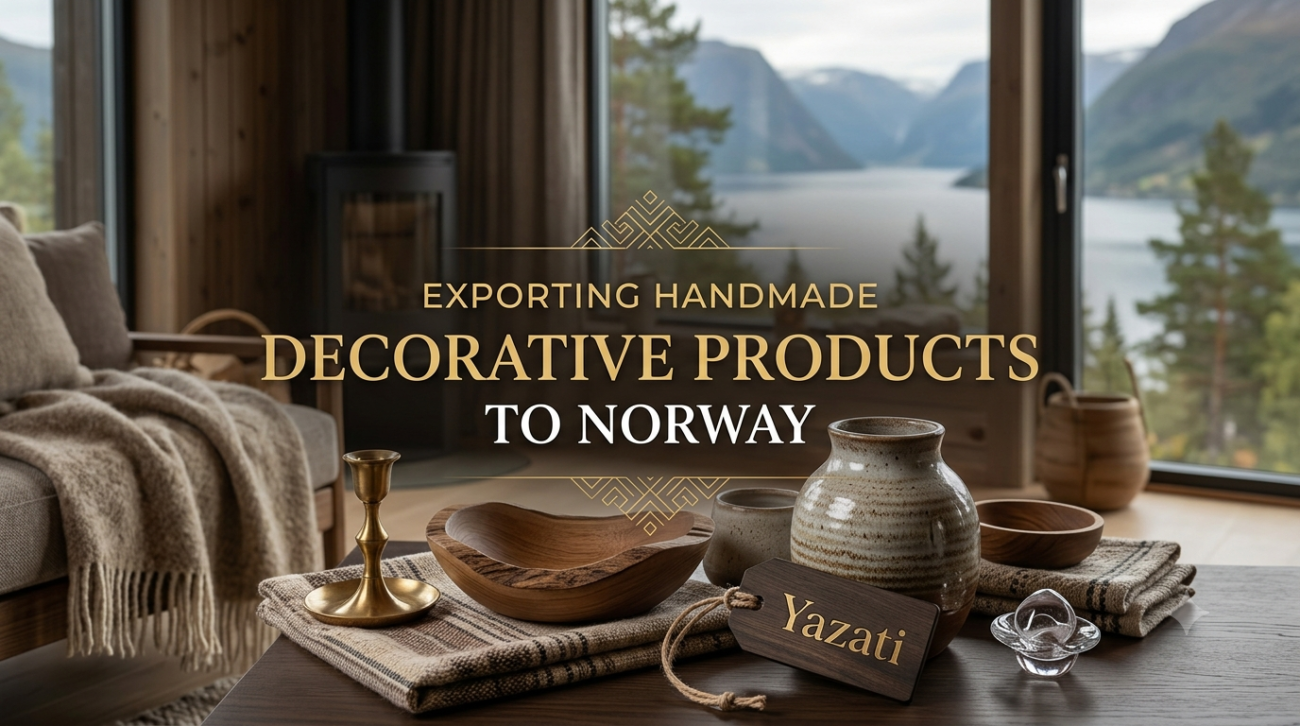
Exporting Handmade Decorative Products to Norway presents an exciting opportunity for artisans, manufacturers, and exporters looking to expand into one of Europe’s most affluent markets. Norwegian consumers appreciate high-quality craftsmanship, environmentally friendly products, and unique home décor that reflects authenticity and cultural heritage.
With increasing demand for handmade decorative items, exporters from countries such as India, Vietnam, Indonesia, Morocco, and Turkey have found Norway to be a rewarding destination. However, success requires more than simply producing beautiful products. Businesses must understand Norwegian consumer preferences, import regulations, pricing strategies, logistics, and effective marketing techniques.
This comprehensive guide explains everything you need to know about successfully exporting handmade decorative products to Norway.
Why Norway is an Attractive Market
Norway consistently ranks among the world’s wealthiest countries. High disposable incomes allow consumers to spend more on premium home décor products.
Economic Stability
Norway has:
- Strong purchasing power
- Stable economy
- Low inflation
- High standard of living
- Reliable import infrastructure
These characteristics make Norway an ideal destination for premium handmade decorative products.
Consumer Purchasing Power
Norwegian consumers are willing to pay higher prices for products that offer:
- Excellent craftsmanship
- Ethical production
- Sustainable materials
- Unique designs
- Long-lasting quality
Rather than focusing solely on low prices, buyers prioritize value and authenticity.
Understanding Norwegian Consumer Preferences
Understanding customer preferences significantly increases export success.
Sustainability Matters
Environmental responsibility strongly influences purchasing decisions.
Consumers actively seek:
- Recycled materials
- Organic textiles
- FSC-certified wood
- Natural dyes
- Plastic-free packaging
Companies that demonstrate sustainable practices enjoy a competitive advantage.
Minimalist Scandinavian Design
Norwegian interiors typically feature:
- Neutral colors
- Simple shapes
- Functional aesthetics
- Natural materials
- Elegant craftsmanship
While colorful ethnic designs remain popular, products with modern Scandinavian compatibility tend to perform particularly well.
Popular Handmade Decorative Products
Several product categories have growing demand.
Wooden Crafts
Handcrafted wooden décor remains highly desirable.
Popular items include:
- Wall decorations
- Candle holders
- Wooden bowls
- Decorative trays
- Sculptures
Natural finishes appeal more than heavily painted surfaces.
Ceramic Products
Handmade ceramics continue gaining popularity.
Examples include:
- Decorative vases
- Coffee mugs
- Planters
- Serving bowls
- Artistic pottery
Handcrafted imperfections often increase perceived authenticity.
Textile Decorations
Norwegian homes frequently feature handcrafted textiles.
Examples include:
Organic cotton and linen remain especially attractive.
Eco-friendly Home Décor
Growing environmental awareness supports demand for:
- Bamboo products
- Recycled glass décor
- Handmade baskets
- Jute decorations
- Natural fiber accessories
Market Research Before Exporting
Comprehensive market research reduces business risk.
Study:
- Current design trends
- Competitor pricing
- Consumer preferences
- Seasonal demand
- Popular retail channels
Useful research sources include:
- Norwegian retail websites
- Interior design magazines
- Trade fairs
- Online marketplaces
- Industry reports
Export Regulations and Documentation
Documentation is essential for smooth customs clearance.
Typical export documents include:
Commercial Invoice
This includes:
- Product description
- Quantity
- Unit price
- Country of origin
- Buyer information
Certificate of Origin
Many buyers request proof regarding where products were manufactured.
Customs Documentation
Depending on the exporting country, required documents may include:
- Packing List
- Bill of Lading
- Air Waybill
- Export Declaration
- Insurance Certificate
Always verify the latest customs requirements before shipment.
Packaging and Labeling Requirements
Packaging should protect products during long-distance transportation.
Recommended materials:
- Corrugated cartons
- Bubble wrap
- Kraft paper
- Recyclable fillers
- Moisture protection
Product labels should include:
- Country of origin
- Product description
- Material composition
- Safety information where applicable
Eco-friendly packaging is highly appreciated in Norway.
Shipping and Logistics
Reliable logistics improve customer satisfaction.
Common shipping methods include:
Sea Freight
Ideal for:
- Large orders
- Lower transportation costs
- Bulk shipments
Air Freight
Suitable for:
- Small consignments
- Premium products
- Urgent deliveries
Partnering with experienced freight forwarders simplifies customs clearance and reduces delays.
Pricing Strategy
Pricing should balance profitability with competitiveness.
Consider:
- Manufacturing costs
- Packaging expenses
- Shipping charges
- Insurance
- Customs duties
- Marketing costs
- Currency fluctuations
Premium handmade products should emphasize value rather than low pricing.
Finding Norwegian Buyers
Multiple sales channels are available.
Potential buyers include:
- Home décor retailers
- Interior designers
- Gift shops
- Furniture stores
- Import wholesalers
- Online marketplaces
Trade fairs remain effective networking opportunities.
Professional websites and digital catalogs significantly improve credibility.
Digital Marketing for Exporters
A strong online presence increases international visibility.
Essential strategies include:
Search Engine Optimization (SEO)
Optimize your website using keywords such as:
- Exporting Handmade Decorative Products to Norway
- Handmade home décor exporter
- Sustainable decorative crafts
- Scandinavian home accessories
Social Media
Platforms like Instagram and Pinterest showcase visual products effectively.
Share:
- Product videos
- Behind-the-scenes craftsmanship
- Customer testimonials
- Sustainability stories
Email Marketing
Maintain relationships with buyers through newsletters featuring:
- New collections
- Seasonal offers
- Trade fair participation
- Export updates
Common Challenges and Solutions
Challenge 1: Shipping Costs
Solution
Consolidate shipments to reduce transportation expenses.
Challenge 2: Customs Delays
Solution
Ensure documentation is complete and accurate.
Challenge 3: Competition
Solution
Differentiate through:
- Superior craftsmanship
- Eco-friendly production
- Customization
- Storytelling
Challenge 4: Currency Risks
Solution
Use forward contracts or negotiate payments in stable currencies where appropriate.
Future Opportunities
Demand for sustainable handmade décor continues growing.
Emerging opportunities include:
- Eco-conscious luxury décor
- Personalized handmade gifts
- Smart home decorative accessories
- Natural fiber furnishings
- Fair-trade certified products
Businesses investing in sustainability and innovative design are well positioned for long-term success.
Frequently Asked Questions
1. Is Norway a good market for handmade decorative products?
Yes. Norwegian consumers value quality craftsmanship, sustainability, and unique designs, making it an attractive market for handmade décor.
2. Which handmade products sell best in Norway?
Wooden crafts, ceramics, eco-friendly home décor, woven baskets, handmade textiles, candles, and decorative accessories are among the most popular categories.
3. Are eco-friendly products important in Norway?
Absolutely. Sustainability is a major purchasing factor, and environmentally responsible products often enjoy higher consumer preference.
4. What documents are needed for exporting handmade decorative products?
Typical documentation includes a commercial invoice, packing list, certificate of origin, shipping documents, and customs declarations. Requirements may vary depending on the exporter and product type.
5. How can exporters find buyers in Norway?
Exporters can connect with buyers through trade fairs, B2B marketplaces, distributors, interior design firms, retail chains, online platforms, and professional networking.
6. What marketing strategy works best?
A combination of SEO, social media marketing, professional product photography, storytelling, email campaigns, and participation in international trade events is highly effective.
Conclusion
Exporting Handmade Decorative Products to Norway offers excellent opportunities for businesses that combine exceptional craftsmanship with sustainability, reliability, and market awareness. Norwegian consumers appreciate authentic handmade products that align with modern Scandinavian aesthetics and environmentally responsible values.
Success depends on understanding consumer preferences, complying with export regulations, using protective and eco-friendly packaging, establishing efficient logistics, and building strong relationships with buyers. A well-planned digital marketing strategy and commitment to quality can further strengthen your competitive position.
By focusing on innovation, ethical production, and long-term partnerships, exporters can build a sustainable presence in the Norwegian market and capitalize on the growing demand for premium handmade decorative products.
For additional guidance on international trade and exporting practices, you can explore resources from the International Trade Centre (ITC) at https://www.intracen.org.
✨ Discover Global Sourcing Excellence with Netyex ✨
Netyex is your trusted B2B sourcing partner, connecting international buyers with India’s finest manufacturers and curated product lines—from handicrafts and home décor to kitchenware, textiles, hospitality essentials, and more. With verified suppliers and end-to-end support, we make global procurement seamless, reliable, and efficient.
👉 Elevate your sourcing experience—explore Netyex today.
📦 Bulk orders & customisation | 🌍 Worldwide delivery | 🤝 Trusted by global buyers
Visit Netyex to source premium Indian products with confidence.