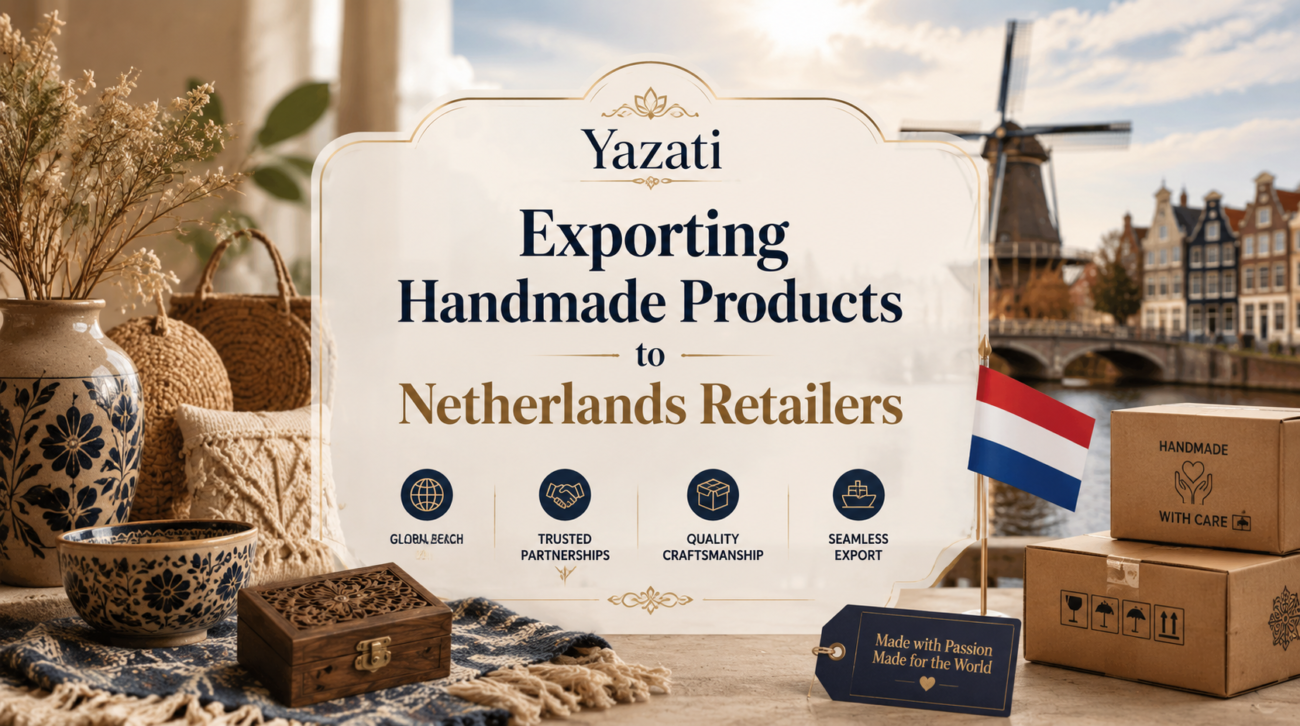
The market for handmade goods is growing rapidly across Europe, and the Netherlands has become one of the most attractive destinations for artisans and small businesses worldwide. Exporting Handmade Products to Netherlands Retailers offers exciting opportunities for entrepreneurs who create unique, eco-friendly, and culturally rich products.
Dutch consumers value craftsmanship, sustainability, authenticity, and ethical production. Because of this, handmade products from developing and artisan-rich countries are increasingly welcomed by boutique stores, gift shops, interior design retailers, and eco-conscious online platforms in the Netherlands.
Whether you produce handmade jewelry, home décor, textiles, pottery, candles, leather goods, or eco-friendly fashion accessories, understanding the Dutch market can help you build a profitable export business.
Understanding the Dutch Handmade Products Market
The Netherlands is known for its strong appreciation of design, creativity, and sustainability. Dutch consumers often prefer products with a story behind them, especially items handcrafted by artisans using traditional techniques.
Why Netherlands Retailers Love Handmade Products
Many retailers in the Netherlands focus on unique products that stand out from mass-produced goods. Handmade items provide:
- Authenticity
- Cultural value
- Eco-friendly appeal
- Limited-edition exclusivity
- Better storytelling opportunities
Retailers also appreciate suppliers who can offer small-batch customized products.
Popular Handmade Product Categories in the Netherlands
Some of the best-selling handmade categories include:
| Product Category | Demand Level |
| Handmade Home Décor | High |
| Sustainable Fashion Accessories | High |
| Artisan Jewelry | Medium-High |
| Handmade Candles | Medium |
| Organic Textile Products | High |
| Ceramic and Pottery Items | Medium-High |
Sustainable and Eco-Friendly Product Demand
Eco-conscious shopping is extremely important in Dutch culture. Retailers actively seek:
- Recycled materials
- Plastic-free packaging
- Fair-trade products
- Organic fabrics
- Natural dyes
Products with sustainability certifications often gain an advantage.
Benefits of Exporting Handmade Products to Netherlands Retailers
There are several reasons why exporters target Dutch retailers.
Access to European Union Markets
The Netherlands acts as a gateway to Europe. Once your products successfully enter the Dutch market, expansion into neighboring EU countries becomes easier.
Major Dutch ports like Rotterdam support smooth logistics across Europe.
High Consumer Spending Power
Dutch consumers are willing to pay premium prices for:
- Quality craftsmanship
- Sustainable products
- Ethical sourcing
- Exclusive handmade items
This creates strong profit potential for artisan exporters.
Opportunities for Ethical and Artisan Brands
Brands with a social impact story perform well. Retailers often highlight:
- Women-led artisan groups
- Rural craftsmanship
- Fair wages
- Traditional heritage skills
These stories increase product appeal.
Researching Netherlands Retailers Before Exporting
Market research is essential before contacting buyers.
Identifying Suitable Retail Stores
Look for retailers that align with your product style and pricing.
Potential buyers include:
- Boutique gift shops
- Eco lifestyle stores
- Museum shops
- Home décor retailers
- Online concept stores
Useful B2B platforms include:
- Faire
- Ankorstore
- Etsy Wholesale
- Europages
You can also research Dutch retailers through trade exhibitions such as the Maison & Objet and Ambiente.
Understanding Dutch Consumer Preferences
Dutch buyers generally prefer:
- Minimalist designs
- Neutral color palettes
- Functional products
- Sustainable packaging
- Transparent sourcing
Avoid overly flashy packaging unless targeting niche luxury markets.
Packaging Expectations in the Netherlands
Retailers appreciate packaging that is:
- Recyclable
- Lightweight
- Attractive yet simple
- Easy to display
Eco-labels and care instructions should be clear and professional.
Legal Requirements for Exporting Handmade Products to Netherlands Retailers
Understanding legal compliance is critical.
Export Documentation You Need
Typical export documents include:
- Commercial invoice
- Packing list
- Bill of lading or airway bill
- Certificate of origin
- Export license (if required)
- Insurance documents
Always verify documentation requirements with your freight forwarder.
EU Product Standards and Compliance
Certain handmade products must comply with EU safety standards.
Examples include:
| Product Type | Possible Compliance Requirement |
| Candles | Chemical safety labeling |
| Textiles | REACH compliance |
| Wooden Products | Phytosanitary certification |
| Jewelry | Nickel regulations |
You can review official EU trade regulations through
VAT and Import Duties Explained
Most imported products entering the Netherlands may involve:
- Import VAT
- Customs duties
- Handling charges
The exact amount depends on your product category and country of origin.
Pricing Handmade Products for Dutch Retailers
Pricing is one of the most important parts of export success.
Calculating Export Costs
Include all expenses such as:
- Raw materials
- Labor
- Packaging
- Freight
- Insurance
- Customs duties
- Marketing costs
Failing to include hidden costs can reduce profitability.
Wholesale vs Retail Pricing
Retailers usually expect wholesale prices that allow them a markup of 2x to 3x the landed cost.
Example:
| Cost Component | Example Amount |
| Production Cost | €10 |
| Shipping & Duty | €5 |
| Wholesale Price | €25 |
| Retail Store Price | €50 |
Currency Exchange Considerations
Since Dutch retailers operate in euros, currency fluctuations can affect profits.
Consider:
- Pricing in EUR
- Using international payment services
- Hedging large transactions
Choosing the Right Shipping and Logistics Partner
Reliable logistics are essential for international business success.
Air Freight vs Sea Freight
| Shipping Method | Advantages | Disadvantages |
| Air Freight | Faster delivery | Higher cost |
| Sea Freight | Lower cost for bulk orders | Longer transit time |
Small handmade businesses often begin with air shipments before scaling.
Packaging for International Shipping
Good export packaging should:
- Protect fragile items
- Resist moisture
- Minimize movement
- Include proper labels
Use double-wall cartons for delicate handmade goods.
Reducing Shipping Damage Risks
To reduce returns and losses:
- Use bubble wrap carefully
- Test packaging durability
- Include “Fragile” labels
- Purchase cargo insurance
Marketing Strategies for Dutch Retailers
Strong marketing helps attract wholesale buyers.
Building a Professional Product Catalog
Your catalog should include:
- High-quality images
- Product dimensions
- Material descriptions
- MOQ (Minimum Order Quantity)
- Pricing tiers
- Packaging details
Professional presentation increases buyer trust.
Using Trade Shows and B2B Platforms
Trade fairs help connect exporters with retailers.
Popular European trade events include:
- Ambiente
- Maison & Objet
- ShowUP
Digital Marketing for International Buyers
Use online channels like:
- Etsy
- Alibaba
Visual storytelling is highly effective for handmade products.
Building Long-Term Relationships with Netherlands Retailers
Long-term partnerships create stable income and repeat orders.
Communication Best Practices
Dutch buyers appreciate:
- Fast responses
- Transparency
- Clear pricing
- Honest timelines
Professional communication builds credibility.
Offering Flexible Payment Terms
Common payment methods include:
- Bank transfer
- PayPal
- Letter of Credit
- Wise
As trust develops, some retailers may request credit terms.
Managing Repeat Orders Efficiently
Consistency matters greatly in wholesale exports.
Maintain:
- Product quality
- Delivery schedules
- Inventory tracking
- Professional invoicing
Common Challenges in Exporting Handmade Products
Exporting handmade goods also comes with obstacles.
Cultural and Language Barriers
Although many Dutch retailers speak English, understanding Dutch business culture helps strengthen relationships.
Dutch buyers value:
- Direct communication
- Punctuality
- Professionalism
Shipping Delays and Customs Issues
Delays can occur because of:
- Incorrect paperwork
- Customs inspections
- Seasonal congestion
Work with experienced freight companies to minimize problems.
Managing Product Consistency
Handmade products naturally vary slightly. However, retailers still expect reasonable consistency in:
- Size
- Color
- Finish
- Packaging
Quality control systems are essential.
Future Trends in Handmade Product Exports
The future looks promising for artisan exporters.
Growth of Sustainable Handmade Goods
Sustainability is becoming a major purchasing factor in Europe. Products using:
- Recycled materials
- Natural fibers
- Ethical labor
- Plastic-free packaging
will likely see stronger demand.
Rise of Online Dutch Boutique Retailers
Many small Dutch retailers now sell primarily through eCommerce platforms.
This creates opportunities for exporters who can provide:
- Fast restocking
- Professional product photography
- Small-batch production
- Unique collections
Frequently Asked Questions
Is the Netherlands a good market for handmade products?
Yes. Dutch consumers highly value sustainability, craftsmanship, and ethical products, making the Netherlands an excellent market for handmade goods.
What handmade products sell best in the Netherlands?
Popular categories include home décor, sustainable fashion accessories, candles, ceramics, and artisan textiles.
Do I need certifications to export handmade goods to the Netherlands?
Some products require compliance with EU regulations, especially textiles, cosmetics, candles, and wooden products.
How can I find Netherlands retailers for handmade products?
You can use trade fairs, B2B marketplaces, LinkedIn, wholesale platforms, and direct outreach to boutique retailers.
What payment methods do Dutch retailers prefer?
Most retailers prefer bank transfers, Wise, PayPal, or secure international payment solutions.
How important is eco-friendly packaging in the Netherlands?
Very important. Sustainable packaging strongly influences purchasing decisions among Dutch consumers and retailers.
Conclusion
Exporting Handmade Products to Netherlands Retailers offers incredible opportunities for artisans, small manufacturers, and ethical brands. The Dutch market rewards quality craftsmanship, sustainability, authenticity, and reliable business practices.
Success depends on understanding consumer preferences, complying with EU regulations, pricing products correctly, and building strong retailer relationships. Exporters who focus on professionalism, storytelling, and eco-conscious production can establish long-term partnerships and expand throughout Europe.
By investing in quality, communication, and market research, your handmade export business can thrive in the Netherlands and beyond.
✨ Discover Global Sourcing Excellence with Netyex ✨
Netyex is your trusted B2B sourcing partner, connecting international buyers with India’s finest manufacturers and curated product lines—from handicrafts and home décor to kitchenware, textiles, hospitality essentials, and more. With verified suppliers and end-to-end support, we make global procurement seamless, reliable, and efficient.
👉 Elevate your sourcing experience—explore Netyex today.
📦 Bulk orders & customisation | 🌍 Worldwide delivery | 🤝 Trusted by global buyers
Visit Netyex to source premium Indian products with confidence.