Introduction
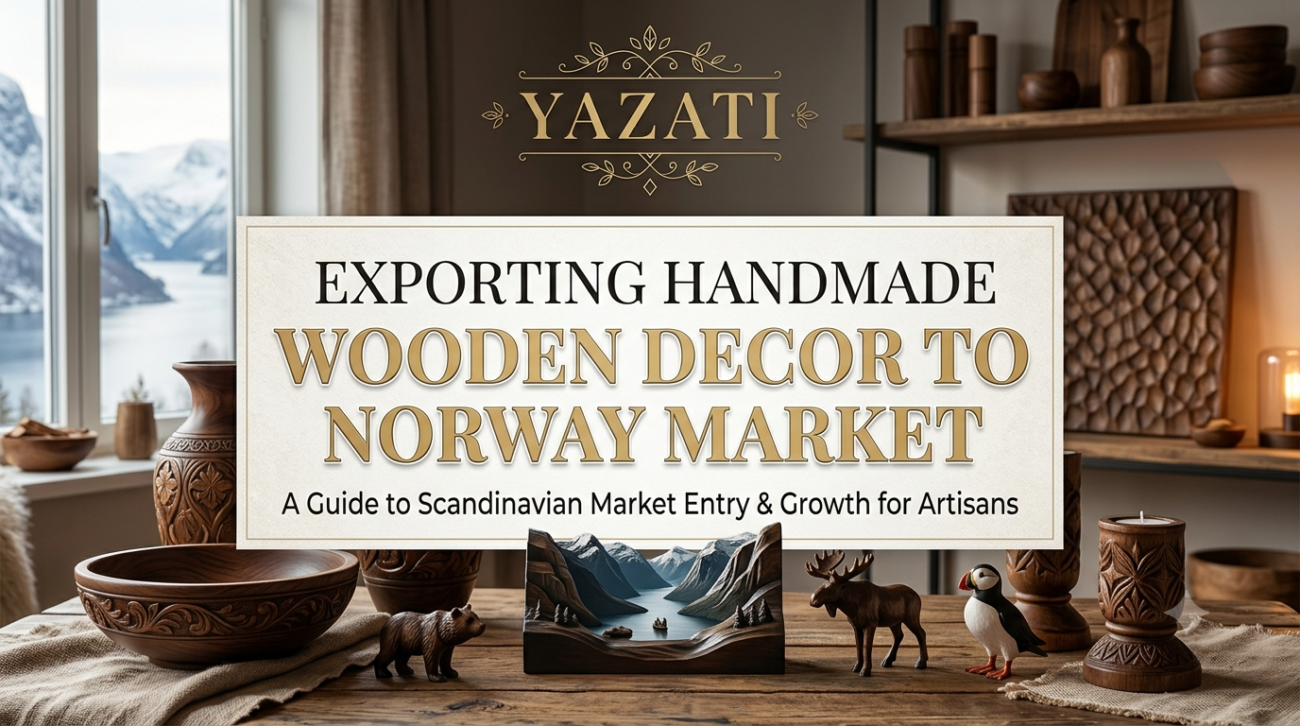
Exporting Handmade Wooden Decor to Norway Market presents an exciting opportunity for artisans, manufacturers, and exporters seeking access to one of Europe’s most environmentally conscious consumer markets. Norway has experienced growing demand for sustainable home décor, handcrafted furniture accessories, and eco-friendly lifestyle products. Consumers appreciate premium craftsmanship, natural materials, and timeless Scandinavian-inspired designs, making handmade wooden décor an excellent fit.
India has earned global recognition for its handcrafted wooden products. Skilled artisans produce decorative items using mango wood, teak, sheesham, acacia, and reclaimed wood. These products combine traditional craftsmanship with modern aesthetics, creating strong appeal in international markets.
For exporters, Norway offers more than attractive pricing opportunities. It provides access to affluent customers who value quality over quantity, are willing to pay premium prices, and actively seek products with authentic stories behind them.
This comprehensive guide explains every stage of exporting handmade wooden décor to Norway—from market research and certification requirements to logistics, pricing strategies, and marketing techniques.
Why Norway is an Attractive Market
Norway consistently ranks among the world’s highest-income countries. Disposable income is high, and consumers spend significantly on home improvement, interior decoration, and sustainable lifestyle products.
Several factors make Norway an attractive export destination:
- Strong purchasing power
- Preference for sustainable products
- Growing interest in handcrafted décor
- Stable economy
- High online shopping penetration
- Appreciation for minimalist Scandinavian interiors
Norwegian homeowners frequently update their interiors using decorative accessories instead of replacing large furniture pieces. This trend creates continuous demand for wooden trays, candle holders, wall décor, serving boards, sculptures, and handcrafted decorative objects.
Additionally, tourism, hotels, restaurants, and premium gift retailers regularly source unique handcrafted wooden products that differentiate their offerings.
Market Size and Consumer Trends
The Norwegian home décor market continues expanding as consumers prioritize quality, sustainability, and timeless design over mass-produced alternatives.
Current purchasing trends include:
Eco-Friendly Living
Consumers increasingly prefer products made from renewable resources. Wooden décor manufactured using responsibly sourced timber enjoys strong demand.
Minimalist Design
Norwegian interiors embrace clean lines, neutral colors, and functional beauty. Products with simple geometric designs perform exceptionally well.
Natural Finishes
Matte finishes, natural wood grains, and untreated appearances are more popular than glossy coatings.
Handcrafted Products
Authentic handmade products command premium prices because buyers appreciate uniqueness and craftsmanship.
Gift Purchases
Wooden décor is commonly purchased as housewarming gifts, wedding presents, and seasonal decorations.
Types of Handmade Wooden Decor in Demand
Several product categories consistently perform well in Norway.
Decorative Wall Art
Laser-cut wooden wall art, carved panels, and nature-inspired designs remain popular among homeowners seeking personalized interiors.
Wooden Candle Holders
Minimalist candle holders complement Scandinavian interiors and sell throughout the year.
Wooden Serving Boards
Handcrafted serving boards made from premium hardwood are highly valued for entertaining guests.
Decorative Bowls
Natural wood bowls serve both decorative and functional purposes.
Wooden Sculptures
Animal carvings, abstract art, and handcrafted figurines attract collectors and interior designers.
Wooden Planters
Indoor gardening continues growing in popularity, increasing demand for stylish wooden plant holders.
Wooden Trays
Serving trays with elegant craftsmanship appeal to both residential and hospitality buyers.
Sustainable Products and Eco-Friendly Buying Habits
Sustainability strongly influences purchasing decisions in Norway.
Exporters should emphasize:
- FSC-certified wood
- Sustainable harvesting
- Recycled packaging
- Plastic-free shipping
- Water-based finishes
- Low-emission manufacturing
- Ethical labor practices
Consumers increasingly research company values before purchasing products. Brands that communicate transparency throughout their supply chain often enjoy stronger customer loyalty.
Including product stories explaining artisan techniques, local communities, and environmentally responsible production can significantly increase perceived value.
Legal Requirements for Exporting
Before exporting handmade wooden décor to Norway, businesses should understand applicable customs procedures and product compliance requirements.
Important considerations include:
- Export registration
- Commercial invoice
- Packing list
- Certificate of Origin (where applicable)
- Phytosanitary compliance when required for certain wood products
- Proper HS codes
- Customs declarations
Importers may also request documentation regarding the origin of timber and evidence that the products comply with European environmental expectations.
Preparing complete documentation helps reduce customs delays and builds trust with overseas buyers.
Certifications Required
Although not every shipment requires every certification, obtaining recognized certifications can strengthen credibility.
Common certifications include:
- FSC Certification
- ISO 9001
- ISO 14001
- BSCI Social Compliance
- REACH compliance for finishes and coatings where applicable
- Sustainable packaging certifications
These certifications demonstrate commitment to quality, environmental responsibility, and ethical production.
Choosing the Right Wood Species
The choice of wood greatly influences customer perception.
Popular options include:
| Wood Type | Advantages |
| Mango Wood | Sustainable and affordable |
| Sheesham | Rich grain patterns |
| Acacia | Durable and attractive |
| Teak | Premium appearance |
| Reclaimed Wood | Eco-friendly appeal |
Selecting kiln-dried wood reduces the risk of cracking during international transportation and improves long-term product durability.
Product Design Preferences
Norwegian consumers generally prefer understated elegance over ornate decoration.
Successful design characteristics include:
- Clean lines
- Functional aesthetics
- Neutral colors
- Smooth finishes
- Rounded edges
- Natural textures
- Scandinavian-inspired forms
Combining traditional Indian craftsmanship with modern Scandinavian styling can create a unique competitive advantage.
Packaging and Labeling Standards
Proper packaging is essential when exporting handmade wooden décor to Norway. Since products travel long distances by sea or air, they must be protected from moisture, impact, and rough handling.
Best Packaging Practices
- Use recyclable corrugated cardboard cartons.
- Wrap each product with biodegradable cushioning materials.
- Protect delicate carvings with molded paper or foam inserts.
- Seal cartons securely using high-quality packing tape.
- Use moisture-absorbing silica gel packets when necessary.
Labeling Requirements
Each package should clearly display:
- Product name
- Country of origin (Made in India)
- Material composition
- Dimensions and weight
- Quantity
- Importer details (if applicable)
- Handling instructions such as “Fragile” or “Keep Dry”
Sustainable packaging is highly appreciated by Norwegian buyers, so minimizing plastic use can become a valuable selling point.
Shipping and Logistics
Selecting the right shipping method directly impacts product quality, delivery time, and overall customer satisfaction.
Ocean Freight
Ocean freight is the preferred option for large-volume shipments because it offers the lowest transportation cost per unit. Although transit times are longer, it is ideal for wholesale exports.
Air Freight
Air freight is suitable for urgent orders, premium handcrafted collections, and product samples. While more expensive, it significantly reduces delivery time.
Freight Forwarders
Partnering with an experienced freight forwarder can simplify customs documentation, cargo insurance, and transportation planning. Freight specialists also help ensure compliance with destination-country regulations.
Insurance
Marine cargo insurance protects exporters against losses resulting from damage, theft, or unforeseen transportation risks. Investing in comprehensive insurance provides financial security for international shipments.
Pricing Strategy
Developing a competitive pricing strategy requires balancing production costs with perceived customer value.
Calculate Total Export Costs
Include:
- Raw materials
- Labor
- Packaging
- Inland transportation
- Export documentation
- Freight charges
- Insurance
- Customs-related expenses
- Marketing costs
Understand Market Positioning
Norwegian consumers are willing to pay premium prices for handcrafted, sustainable, and ethically produced products. Avoid competing solely on price; instead, emphasize craftsmanship, quality, and authenticity.
Offer Flexible Pricing
Consider different pricing structures for:
- Wholesale buyers
- Retail distributors
- Interior designers
- Online marketplaces
- Bulk corporate orders
Transparent pricing builds trust and supports long-term business relationships.
Finding Norwegian Buyers
Identifying the right customers is one of the most important steps in building a successful export business.
Trade Shows
Participate in international home décor and gift exhibitions where Norwegian importers frequently attend. Trade fairs provide opportunities to showcase craftsmanship and establish valuable business contacts.
Online B2B Marketplaces
Register your business on reputable international B2B platforms to connect with wholesalers, retailers, and sourcing agents.
Retail Chains
Approach Scandinavian home décor retailers that specialize in sustainable and handcrafted products.
Interior Designers
Many Norwegian interior designers source unique handmade items for residential, hospitality, and commercial projects.
Hospitality Sector
Hotels, restaurants, cafés, and resorts regularly purchase decorative wooden accessories to enhance guest experiences.
Digital Marketing for Exporters
A strong online presence helps exporters reach international buyers more effectively.
Professional Website
Develop a responsive website featuring:
- High-quality product images
- Company profile
- Manufacturing capabilities
- Sustainability initiatives
- Certifications
- Contact information
- Export experience
Search Engine Optimization (SEO)
Optimize your website using keywords related to handmade wooden décor, Scandinavian home décor, sustainable wooden products, and Norwegian imports.
Social Media Marketing
Platforms such as Instagram, Pinterest, Facebook, and LinkedIn are highly effective for showcasing handcrafted products.
Post regularly:
- Product launches
- Behind-the-scenes craftsmanship
- Artisan stories
- Sustainability practices
- Customer testimonials
Email Marketing
Maintain communication with prospective buyers by sending newsletters featuring:
- New collections
- Seasonal products
- Export offers
- Trade fair participation
- Company updates
Challenges and Solutions
Every export business faces obstacles, but proactive planning can minimize risks.
| Challenge | Solution |
|---|---|
| High shipping costs | Consolidate shipments and negotiate freight rates |
| Currency fluctuations | Use forward contracts or quote in stable currencies |
| Customs delays | Prepare complete documentation |
| Product damage | Invest in export-grade packaging |
| Market competition | Differentiate through design and sustainability |
| Seasonal demand | Diversify product range throughout the year |
Building strong relationships with buyers and maintaining consistent product quality are essential for overcoming these challenges.
Frequently Asked Questions (FAQs)
1. Is Norway a good market for handmade wooden décor?
Yes. Norway’s consumers value sustainable, handcrafted, and premium-quality products, making it an attractive destination for exporters.
2. Which wooden products sell best in Norway?
Popular products include serving boards, trays, candle holders, decorative bowls, wall art, sculptures, planters, and handcrafted home accessories.
3. Are sustainability certifications important?
Absolutely. Certifications related to responsible sourcing and environmental management can improve buyer confidence and support premium pricing.
4. What is the preferred design style in Norway?
Minimalist, functional, and natural designs inspired by Scandinavian aesthetics are generally preferred.
5. How can exporters find Norwegian buyers?
Businesses can connect with buyers through international trade fairs, B2B marketplaces, distributor networks, interior designers, hospitality companies, and digital marketing.
6. What shipping method is most economical?
Ocean freight is generally the most cost-effective option for large commercial shipments, while air freight is suitable for urgent orders and product samples.
Conclusion
Exporting Handmade Wooden Decor to Norway Market offers significant growth opportunities for manufacturers and artisans committed to quality, sustainability, and innovation. Norway’s affluent consumers appreciate products that combine timeless craftsmanship with environmentally responsible production practices.
Success in this market depends on understanding consumer preferences, meeting regulatory requirements, using premium materials, implementing reliable logistics, and building strong relationships with distributors and retailers. Businesses that emphasize authentic craftsmanship, sustainable sourcing, and exceptional customer service can establish a strong reputation and secure long-term export success.
As global demand for eco-friendly home décor continues to grow, exporters who invest in continuous product development, branding, and digital marketing will be well positioned to expand their presence in Norway and other Scandinavian markets.
Additional Resources
For practical guidance on international trade and export documentation, visit the International Trade Centre (ITC): https://www.intracen.org
✨ Discover Global Sourcing Excellence with Netyex ✨
Netyex is your trusted B2B sourcing partner, connecting international buyers with India’s finest manufacturers and curated product lines—from handicrafts and home décor to kitchenware, textiles, hospitality essentials, and more. With verified suppliers and end-to-end support, we make global procurement seamless, reliable, and efficient.
👉 Elevate your sourcing experience—explore Netyex today.
📦 Bulk orders & customisation | 🌍 Worldwide delivery | 🤝 Trusted by global buyers
Visit Netyex to source premium Indian products with confidence.