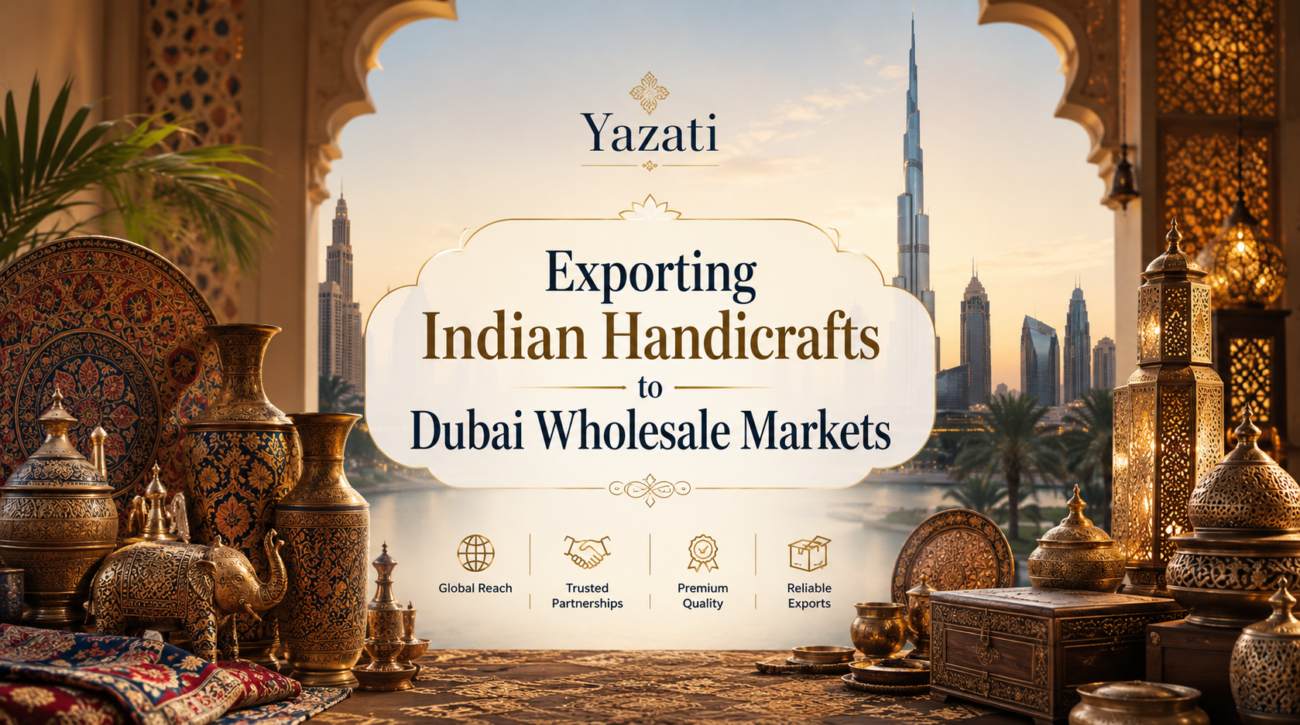
India has always been famous for its rich tradition of handmade products, artistic craftsmanship, and cultural heritage. From colorful textiles to intricate wooden carvings, Indian handicrafts attract buyers from all around the world. Among international markets, Dubai stands out as one of the most profitable destinations for exporters.
Exporting Indian Handicrafts to Dubai Wholesale Markets offers huge opportunities for Indian manufacturers, artisans, wholesalers, and entrepreneurs. Dubai serves as a gateway to the Middle East and African markets, making it a strategic location for global trade.
In recent years, Dubai’s growing tourism, luxury retail sector, and demand for traditional decor have boosted the popularity of Indian handicrafts. Whether you are a small business owner or an established exporter, understanding the process can help you build a successful export business.
Why Dubai Is a Major Hub for Indian Handicrafts
Dubai is known for its vibrant shopping culture, luxury lifestyle, and international trade environment. The city imports products from nearly every part of the world, and Indian handicrafts have developed a strong presence there.
Growing Demand for Handmade Products in UAE
Consumers in Dubai appreciate handmade and artistic products because they add elegance and uniqueness to homes, offices, hotels, and restaurants. Many residents prefer handcrafted items over machine-made alternatives due to their authenticity and craftsmanship.
Luxury villas, resorts, and hospitality businesses frequently purchase:
- Handmade carpets
- Decorative lamps
- Brass artifacts
- Wooden furniture
- Marble inlay products
- Traditional paintings
The demand also rises during festivals such as Ramadan, Eid, Diwali, and wedding seasons.
Cultural Connection Between India and Dubai
India and the UAE share strong cultural and business ties. A large Indian community lives in Dubai, creating a natural market for Indian handicrafts. Indian-inspired interiors, décor, and cultural products remain highly popular throughout the UAE.
Understanding the Dubai Wholesale Market
Before starting exports, understanding how Dubai’s wholesale system works is essential.
Popular Wholesale Districts in Dubai
Several markets in Dubai specialize in wholesale trading and imports. Popular areas include:
- Deira Market
- Dragon Mart
- Al Fahidi
- Jebel Ali Free Zone
- Dubai Wholesale City
These locations attract retailers, hotel suppliers, and interior decorators looking for bulk purchases.
Key Buyer Categories in UAE
The main buyers for Indian handicrafts include:
| Buyer Type | Product Demand |
| Retail Shops | Decorative crafts |
| Hotels & Resorts | Luxury décor |
| Interior Designers | Artistic furniture |
| Event Companies | Cultural decorations |
| Gift Shops | Handmade souvenirs |
Understanding your target buyer helps in pricing and marketing effectively.
Best Indian Handicrafts for Export
Not every handicraft product performs equally in Dubai’s market. Some categories consistently generate higher demand.
Wooden Handicrafts
Wooden products from Rajasthan, Saharanpur, and Gujarat are highly valued. Popular items include:
- Hand-carved furniture
- Decorative boxes
- Wooden trays
- Antique-style mirrors
Brass and Metal Artifacts
Brass products from Moradabad remain among India’s top export items. These include:
- Lanterns
- Candle stands
- Islamic décor
- Wall hangings
Dubai buyers appreciate colorful Indian textiles, especially:
- Kashmiri carpets
- Handloom fabrics
- Embroidered cushion covers
- Block print curtains
Marble and Stone Crafts
Marble inlay work from Agra is considered premium décor in luxury interiors.
Eco-Friendly and Sustainable Crafts
Sustainability trends are growing rapidly in Dubai. Eco-friendly handicrafts made from bamboo, jute, recycled wood, and natural fibers are becoming increasingly popular.
Legal Requirements for Exporting Indian Handicrafts to Dubai Wholesale Markets
Following export regulations is critical for smooth international trade.
Import Export Code (IEC)
An Import Export Code issued by the Directorate General of Foreign Trade (DGFT) is mandatory for exporters in India.
Without IEC registration, you cannot legally export products.
GST and Export Documentation
Key export documents include:
- Commercial invoice
- Packing list
- Bill of lading
- Certificate of origin
- Shipping bill
- GST documentation
Proper paperwork avoids customs delays.
Dubai Customs Requirements
Dubai customs authorities may require:
- Product descriptions
- Country of origin labels
- Invoice declarations
- Packaging compliance
You can learn more through the official UAE customs portal:
https://www.dubaicustoms.gov.ae
Product Quality Standards and Packaging
Quality plays a major role in winning wholesale buyers.
International Packaging Standards
Packaging should protect products during long-distance transportation. Strong export-grade cartons, bubble wrap, and moisture-resistant materials are essential.
Fragile handicrafts need extra cushioning to avoid damage.
Labeling Requirements
Labels should include:
- Product name
- Country of origin
- Material details
- Quantity
- Manufacturer information
Professional packaging improves buyer confidence.
Finding Wholesale Buyers in Dubai
Finding reliable buyers is one of the biggest steps in export success.
Trade Fairs and Exhibitions
International trade fairs help exporters connect with distributors and retailers.
Popular UAE exhibitions include:
- Dubai International Gift & Lifestyle Show
- INDEX Dubai
- Arabian Travel Market
- Dubai Home Festival
These events provide direct networking opportunities.
Online B2B Platforms
Many exporters find buyers through online marketplaces such as:
- Alibaba
- IndiaMART
- TradeIndia
- Global Sources
Maintaining a professional product catalog improves credibility.
Working With Local Distributors
Partnering with Dubai-based distributors helps you enter the market faster. Local partners understand regional customer preferences and business practices.
Pricing Strategy for UAE Markets
Pricing determines whether your products stay competitive.
Cost Calculation Methods
Your pricing should include:
- Manufacturing cost
- Packaging cost
- Shipping charges
- Customs duties
- Insurance
- Distributor margins
Avoid underpricing because it may reduce perceived quality.
Currency and Profit Margins
Most international trade transactions use USD or AED. Monitor currency exchange rates carefully to protect profit margins.
Shipping and Logistics
Reliable logistics are essential in international trade.
Air Freight vs Sea Freight
| Shipping Method | Advantages | Disadvantages |
| Air Freight | Faster delivery | Higher cost |
| Sea Freight | Lower cost for bulk shipments | Longer transit time |
Small urgent orders usually go by air, while large wholesale shipments use sea freight.
Customs Clearance Process
Working with experienced freight forwarders simplifies customs clearance and reduces shipment delays.
Marketing Indian Handicrafts in Dubai
Good marketing creates long-term buyer relationships.
Social Media Promotion
Platforms like Instagram, Facebook, and Pinterest are highly effective for showcasing handicrafts visually.
Share:
- Product photos
- Artisan stories
- Manufacturing videos
- Customer testimonials
Building a Brand Identity
A strong brand increases trust among wholesale buyers. Focus on:
- Professional packaging
- Consistent quality
- Authentic storytelling
- Unique craftsmanship
Challenges in Exporting Indian Handicrafts
Every export business faces obstacles.
Competition From Other Countries
Countries like China, Turkey, and Vietnam also supply decorative products to Dubai. Indian exporters must compete through:
- Better craftsmanship
- Authentic designs
- Competitive pricing
- Reliable delivery
Managing Delivery Delays
Shipping delays can affect buyer relationships. Always maintain clear communication and realistic timelines.
Government Support and Export Incentives
India offers several programs to support exporters.
Indian Export Promotion Councils
Organizations such as the Export Promotion Council for Handicrafts (EPCH) help exporters through:
- Trade fairs
- Buyer-seller meets
- Export guidance
- Market research
Financial Assistance Schemes
Exporters may receive benefits through:
- Duty drawback schemes
- MSME export support
- Export credit insurance
- Logistics assistance
Future Trends in Dubai’s Handicraft Market
The handicraft market continues evolving rapidly.
Rising Demand for Sustainable Products
Eco-conscious consumers prefer handmade and environmentally friendly products. Sustainable packaging and ethical sourcing will become more important in coming years.
Luxury Interior Decor Trends
Dubai’s luxury hospitality industry continuously demands premium handmade décor products. High-end handcrafted furniture and artistic installations are expected to grow significantly.
FAQs
1. Is Dubai a profitable market for Indian handicrafts?
Yes, Dubai is one of the most profitable international markets for Indian handicrafts due to high tourism, luxury retail demand, and a large Indian population.
2. Which Indian handicrafts sell best in Dubai?
Wooden furniture, brass décor, carpets, textiles, marble crafts, and eco-friendly handmade products are among the top-selling categories.
3. Do I need a license to export handicrafts from India?
Yes, you need an Import Export Code (IEC) and proper export documentation.
4. What is the cheapest shipping method to Dubai?
Sea freight is generally cheaper for large wholesale shipments.
5. How can I find wholesale buyers in Dubai?
You can attend trade fairs, use B2B marketplaces, or partner with local distributors.
6. Are eco-friendly handicrafts popular in Dubai?
Yes, sustainable and handmade eco-friendly products are becoming increasingly popular in UAE markets.
Conclusion
Exporting Indian Handicrafts to Dubai Wholesale Markets can become a highly rewarding business venture when approached strategically. Dubai’s strong demand for artistic décor, luxury interiors, and authentic handmade products creates enormous opportunities for Indian exporters.
Success depends on maintaining product quality, understanding UAE market preferences, building reliable buyer relationships, and following international trade regulations carefully. With the right planning, branding, and logistics support, Indian handicraft exporters can build long-term profitable businesses in Dubai’s thriving wholesale market.
✨ Discover Global Sourcing Excellence with Netyex ✨
Netyex is your trusted B2B sourcing partner, connecting international buyers with India’s finest manufacturers and curated product lines—from handicrafts and home décor to kitchenware, textiles, hospitality essentials, and more. With verified suppliers and end-to-end support, we make global procurement seamless, reliable, and efficient.
👉 Elevate your sourcing experience—explore Netyex today.
📦 Bulk orders & customisation | 🌍 Worldwide delivery | 🤝 Trusted by global buyers
Visit Netyex to source premium Indian products with confidence.