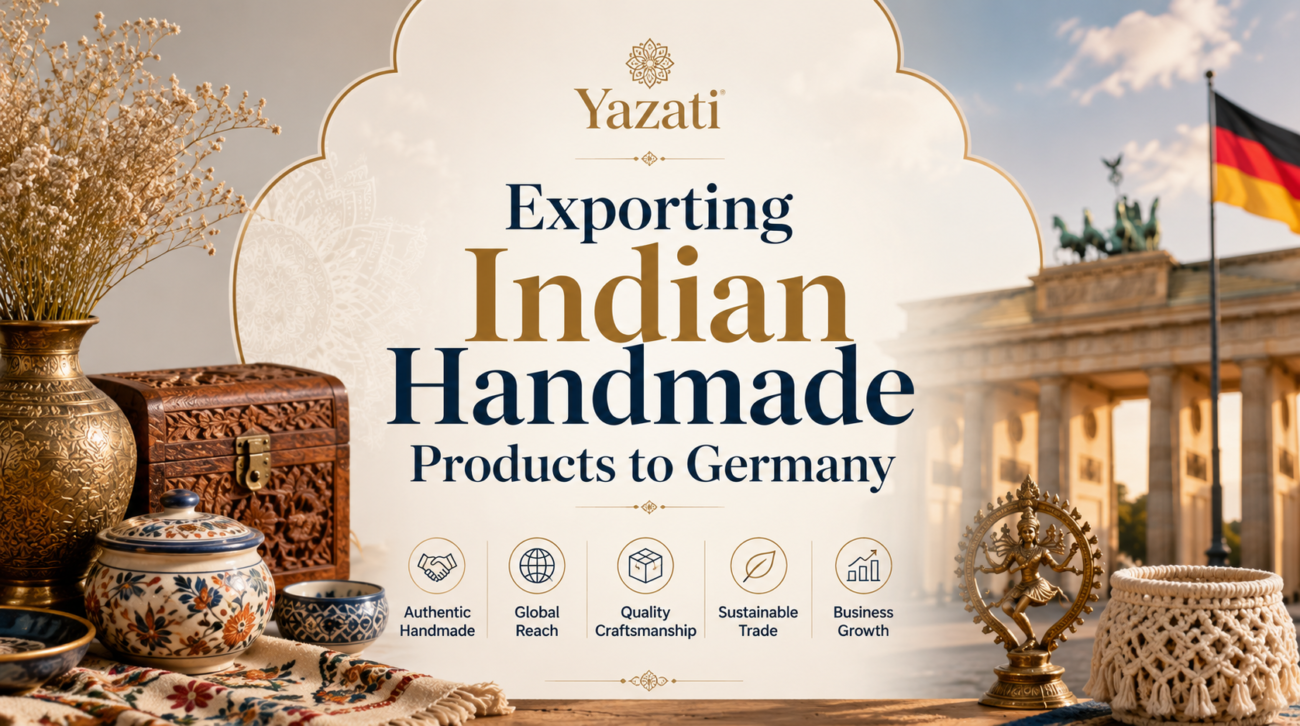
India has long been famous for its rich tradition of handmade products. From handwoven textiles and wooden crafts to jewelry and pottery, Indian artisans create products admired across the globe. Today, Germany has become one of the most promising destinations for Indian handicraft exports. The growing demand for sustainable, artistic, and ethically made products has opened exciting opportunities for exporters.
Exporting Indian Handmade Products to Germany is not only profitable but also helps preserve India’s cultural heritage. German consumers appreciate authenticity, craftsmanship, and eco-friendly production methods. This creates a perfect match between Indian artisans and German buyers.
In this guide, you’ll learn everything about exporting handmade goods to Germany, including regulations, product selection, logistics, marketing, and practical strategies for long-term success.
Why Germany is a Strong Market for Indian Handmade Products
Germany is one of Europe’s largest economies and a major importer of handmade and sustainable goods. Consumers there are willing to pay premium prices for high-quality handcrafted products with cultural value.
Several factors make Germany attractive for Indian exporters:
- High purchasing power
- Growing interest in ethical shopping
- Strong appreciation for craftsmanship
- Increasing demand for eco-friendly products
- Expanding online shopping market
German buyers often prefer products with a story behind them. Handmade items from India carry cultural richness that appeals strongly to European consumers.
Understanding the German Handmade Goods Market
Before entering the market, understanding customer preferences is essential. German consumers value quality, functionality, and sustainability over cheap mass-produced items.
Popular Indian Handmade Products in Germany
Some of the most successful categories include:
| Product Category | Popular Items |
|---|---|
| Textiles | Scarves, rugs, cushion covers |
| Jewelry | Silver jewelry, beadwork |
| Home Décor | Lamps, wall hangings, pottery |
| Wooden Crafts | Carved furniture, décor pieces |
| Leather Goods | Handmade bags and wallets |
| Organic Products | Natural fiber baskets, eco-items |
Products with traditional Indian patterns combined with modern designs perform especially well.
German Consumer Buying Behavior
German shoppers often:
- Research products carefully before purchasing
- Prefer environmentally friendly materials
- Value durability and authenticity
- Appreciate transparent sourcing
Storytelling matters a lot. Buyers want to know who made the product and how it was produced.
Benefits of Exporting Indian Handmade Products to Germany
There are many advantages for Indian exporters entering the German market.
Higher Profit Margins
Handmade products are considered premium goods in Europe. This allows exporters to earn better margins compared to domestic sales.
Global Brand Recognition
Selling in Germany can improve international credibility and open doors to other European countries.
Support for Artisans
Exporting helps create employment opportunities for rural artisans and preserves traditional skills.
Growing Demand
The handmade and eco-friendly product market continues to grow each year.
Legal Requirements for Exporting from India
To begin exporting legally, Indian businesses must complete several registrations.
Essential Documents Needed
You’ll typically need:
- Import Export Code (IEC)
- GST Registration
- PAN Card
- Business Registration
- Bank Account for international trade
The IEC is issued by the Directorate General of Foreign Trade and is mandatory for exports.
Registration Process for Indian Exporters
The registration process generally includes:
- Register your business
- Apply for IEC online
- Open a current account
- Register with export promotion councils
- Obtain product-specific certifications if needed
You can learn more through the official DGFT portal: https://www.dgft.gov.in
Germany’s Import Regulations and Standards
Germany follows strict European Union import regulations. Compliance is critical for avoiding shipment delays or penalties.
Important Compliance Areas
- Product labeling
- Material safety
- Chemical restrictions
- Packaging standards
- Consumer safety laws
Some products may require CE certification depending on the category.
Product Safety and Compliance
German authorities pay close attention to:
- Non-toxic materials
- Child safety standards
- Sustainable sourcing
- Accurate labeling
Using eco-friendly and recyclable packaging can improve customer trust significantly.
Choosing the Right Handmade Products for Export
Not every product succeeds internationally. Researching demand is essential.
High-Demand Handmade Categories
Products currently trending in Germany include:
- Sustainable home décor
- Organic cotton textiles
- Handmade ceramic items
- Natural wood crafts
- Eco-friendly fashion accessories
Minimalist designs mixed with traditional Indian craftsmanship tend to attract German buyers.
How to Select Winning Products
Consider:
- Shipping durability
- Market demand
- Production scalability
- Profit margins
- Seasonal trends
Start with a smaller product range before expanding.
Pricing Strategy for the German Market
Pricing must balance competitiveness and profitability.
Factors to Include in Pricing
| Cost Element | Examples |
|---|---|
| Manufacturing Cost | Artisan labor and materials |
| Packaging | Eco-friendly boxes |
| Shipping | Freight and insurance |
| Customs Duties | EU import taxes |
| Marketing Costs | Online ads and branding |
Avoid underpricing handmade products. German customers often associate higher prices with better quality.
Packaging and Branding for German Consumers
Packaging can strongly influence purchasing decisions.
Importance of Eco-Friendly Packaging
German buyers prefer:
- Recyclable materials
- Plastic-free packaging
- Minimal waste
- Sustainable branding
Simple and elegant packaging often works better than flashy designs.
Brand Storytelling
A strong brand story should explain:
- Artisan background
- Handmade process
- Cultural inspiration
- Ethical sourcing
This emotional connection can increase customer loyalty.
Shipping and Logistics for Germany
Reliable logistics are vital for successful exports.
Air Freight vs Sea Freight
| Method | Advantages | Disadvantages |
|---|---|---|
| Air Freight | Faster delivery | Higher cost |
| Sea Freight | Lower cost | Longer transit time |
For small high-value items, air freight may be better. Bulk shipments usually benefit from sea freight.
Customs Clearance
Work with experienced freight forwarders to manage:
- Documentation
- Customs declarations
- Insurance
- Duties and taxes
Proper paperwork reduces delays significantly.
Marketing Indian Handmade Products in Germany
Even great products need strong marketing.
Selling Through E-commerce Platforms
Popular platforms include:
- Amazon Germany
- Etsy
- Shopify stores
- Local German marketplaces
Professional product photography and detailed descriptions are essential.
Trade Fairs and Exhibitions
Germany hosts major international trade fairs where exporters can meet buyers directly.
Popular events include:
- Ambiente Frankfurt
- Tendence
- Heimtextil
These events provide valuable networking opportunities.
Payment Methods and Currency Considerations
Secure payment methods help reduce business risk.
Common Payment Options
- Letter of Credit (LC)
- Advance payment
- PayPal
- SWIFT bank transfer
Most international trade transactions are conducted in Euros (€).
Currency fluctuations can affect profits, so monitoring exchange rates is important.
Challenges in Exporting Indian Handmade Products to Germany
While opportunities are excellent, challenges also exist.
Common Export Challenges
- Strict compliance standards
- High shipping costs
- Competition from other countries
- Language barriers
- Long delivery times
Careful planning can help overcome these obstacles.
Tips for Building Long-Term German Buyers
Long-term relationships are critical in international trade.
Best Practices
- Maintain consistent quality
- Respond quickly to inquiries
- Deliver on time
- Be transparent about production
- Respect German business culture
Trust and reliability matter greatly in Germany.
Future Trends in Handmade Product Exports
Several trends are shaping the future market:
- Increased demand for sustainable products
- Ethical sourcing transparency
- Growth of online marketplaces
- Personalized handmade items
- Eco-conscious packaging
Indian exporters who adapt to these trends can gain a strong competitive advantage.
FAQs
1. Is Germany a good market for Indian handmade products?
Yes, Germany has strong demand for sustainable and handcrafted products, making it an excellent export destination.
2. What documents are required for exporting from India?
You generally need an IEC code, GST registration, business registration, and export documentation.
3. Which handmade products sell best in Germany?
Home décor, textiles, jewelry, wooden crafts, and eco-friendly products are highly popular.
4. Do handmade products require certification in Germany?
Some categories may require safety or compliance certifications depending on the materials and product type.
5. What is the best shipping method for handmade exports?
Sea freight is economical for large shipments, while air freight is suitable for small, high-value items.
6. How can I find German buyers?
You can use B2B marketplaces, trade fairs, LinkedIn, e-commerce platforms, and export promotion councils.
Conclusion
Exporting Indian Handmade Products to Germany offers enormous opportunities for businesses and artisans alike. Germany’s appreciation for authentic craftsmanship, sustainability, and ethical production creates a favorable environment for Indian handmade goods.
Success depends on understanding market preferences, maintaining quality standards, complying with regulations, and building strong buyer relationships. With the right strategy, Indian exporters can build profitable long-term businesses while showcasing India’s rich artistic heritage to the world.
✨ Discover Global Sourcing Excellence with Netyex ✨
Netyex is your trusted B2B sourcing partner, connecting international buyers with India’s finest manufacturers and curated product lines—from handicrafts and home décor to kitchenware, textiles, hospitality essentials, and more. With verified suppliers and end-to-end support, we make global procurement seamless, reliable, and efficient.
👉 Elevate your sourcing experience—explore Netyex today.
📦 Bulk orders & customisation | 🌍 Worldwide delivery | 🤝 Trusted by global buyers
Visit Netyex to source premium Indian products with confidence.