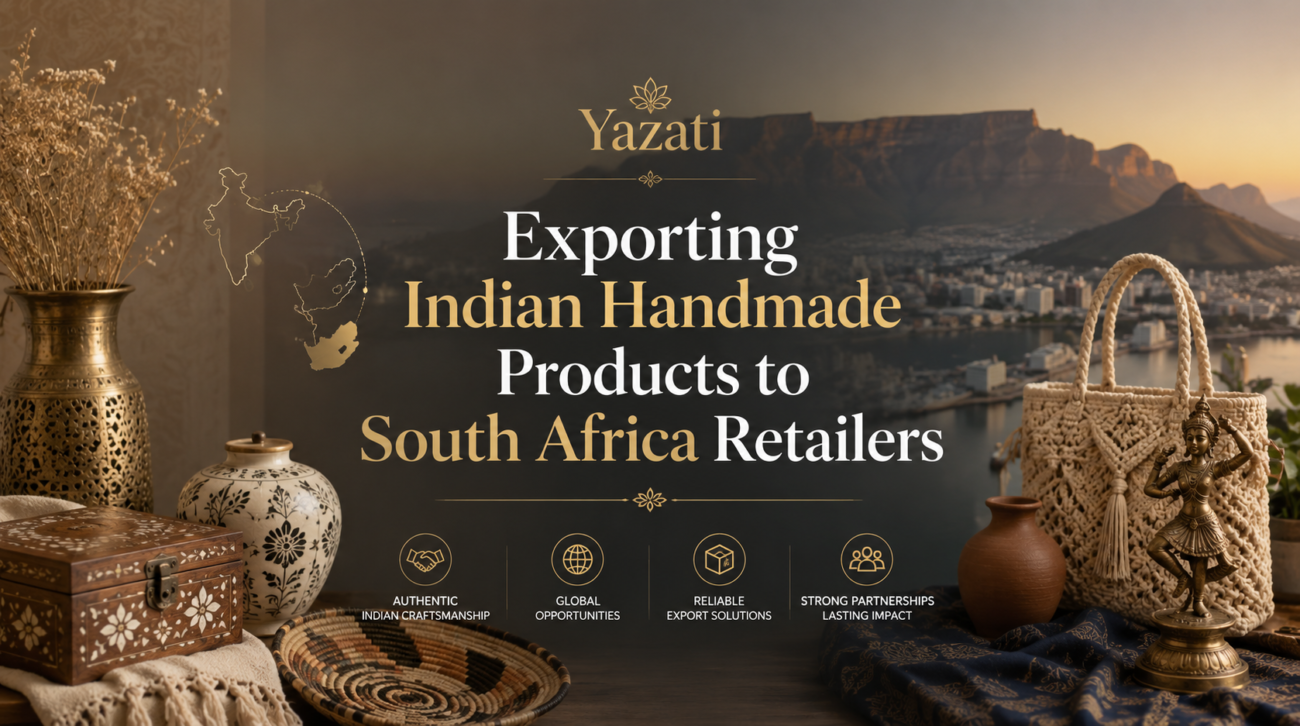
Introduction to Exporting Indian Handmade Products to South Africa Retailers
Exporting Indian Handmade Products to South Africa Retailers has become an increasingly attractive business opportunity for Indian manufacturers, artisans, exporters, and craft enterprises. South Africa’s retail market has shown growing interest in authentic, sustainable, and culturally rich products. Indian handmade goods, known for their craftsmanship, uniqueness, and affordability, align well with these consumer preferences.
From handcrafted home décor and textiles to artisanal jewelry and eco-friendly products, South African retailers are actively seeking distinctive products that help them stand out in a competitive marketplace.
This comprehensive guide explores everything you need to know about successfully entering the South African retail market with Indian handmade products.
Why South Africa Is a Promising Market for Indian Handmade Products
South Africa serves as one of Africa’s most developed retail markets. Its growing middle class and increasing appreciation for handcrafted products make it a valuable destination for Indian exporters.
Growing Demand for Authentic Handmade Goods
Consumers are increasingly moving away from mass-produced items. Handmade products offer:
- Authenticity
- Unique craftsmanship
- Cultural significance
- Sustainable production methods
These characteristics strongly appeal to South African consumers seeking differentiated products.
Consumer Preferences and Retail Trends
Modern shoppers increasingly value:
- Ethical sourcing
- Sustainable manufacturing
- Artisan-made products
- Unique home decoration items
Indian handmade products naturally fit these trends, creating a favorable market environment.
Popular Indian Handmade Products in South Africa
Several product categories perform particularly well in South Africa.
Handcrafted Home Décor
Popular items include:
- Wooden carvings
- Brass artifacts
- Decorative lanterns
- Wall hangings
- Handmade furniture accents
South African retailers often stock these products in lifestyle and home décor stores.
Handmade Textiles and Fabrics
Indian textile craftsmanship enjoys strong global recognition.
High-demand products include:
- Handwoven rugs
- Cushion covers
- Table runners
- Embroidered fabrics
- Block-printed textiles
Jewelry and Fashion Accessories
Retailers frequently seek:
- Handmade silver jewelry
- Beaded accessories
- Scarves
- Leather handicrafts
- Artisan fashion pieces
Eco-Friendly and Sustainable Crafts
Environmental awareness continues to grow.
Popular sustainable products include:
- Jute bags
- Bamboo crafts
- Recycled-material décor
- Organic cotton accessories
Understanding the South African Retail Landscape
Successful exporting requires a deep understanding of retail distribution channels.
Major Retail Channels
South African retailers generally fall into these categories:
| Retail Channel | Characteristics |
|---|---|
| Department Stores | Large-volume purchasing |
| Home Décor Chains | Focus on lifestyle products |
| Specialty Retailers | Niche handcrafted goods |
| Online Retailers | Rapidly growing sector |
| Gift Shops | Smaller but frequent orders |
Independent Boutiques and Specialty Stores
Boutique retailers often seek:
- Exclusive collections
- Small-batch production
- Unique artisan stories
These businesses can become valuable long-term partners.
Market Research Strategies Before Exporting
Entering a new market without research can be costly.
Identifying Target Retailers
Focus on retailers that already sell:
- Artisan goods
- Imported décor
- Sustainable products
- Handmade fashion accessories
Build a database of potential buyers before approaching them.
Competitor Analysis and Pricing
Study competitors regarding:
- Product designs
- Pricing structures
- Packaging standards
- Retail positioning
This helps establish competitive advantages.
Export Regulations and Compliance Requirements
Compliance is essential for smooth market entry.
Documentation Needed for Export
Common export documents include:
- Commercial invoice
- Packing list
- Bill of lading
- Certificate of origin
- Export declaration forms
Accurate documentation minimizes customs issues.
South African Import Standards
Retailers prefer products that meet:
- Product safety requirements
- Quality standards
- Labeling regulations
- Environmental compliance requirements
Consult export specialists for current regulations.
Packaging and Labeling Requirements
Proper packaging significantly influences retailer satisfaction.
Sustainable Packaging Practices
Many South African retailers favor environmentally responsible packaging such as:
- Recyclable cardboard
- Biodegradable materials
- Minimal plastic use
Product Information and Label Compliance
Labels should include:
- Product description
- Country of origin
- Material composition
- Care instructions where applicable
Professional packaging enhances brand credibility.
Logistics and Shipping Solutions
Efficient logistics directly impact profitability.
Air Freight vs Sea Freight
| Shipping Method | Advantages | Disadvantages |
|---|---|---|
| Air Freight | Fast delivery | Higher cost |
| Sea Freight | Lower cost | Longer transit time |
Bulk orders typically benefit from sea freight.
Choosing Reliable Freight Forwarders
Evaluate providers based on:
- Experience in South Africa
- Customs expertise
- Shipment tracking
- Insurance options
Reliable logistics partners reduce operational risks.
Pricing Strategies for South African Retailers
Pricing affects both competitiveness and profitability.
Cost Calculation Methods
Include:
- Production costs
- Packaging expenses
- Freight charges
- Insurance
- Duties and taxes
A detailed cost structure prevents underpricing.
Wholesale Pricing Models
Common models include:
- Cost-plus pricing
- Tiered wholesale pricing
- Volume discounts
- Distributor pricing structures
Retailers often appreciate flexible pricing arrangements.
Building Relationships with South African Retailers
Long-term success depends on strong partnerships.
Effective Communication Techniques
Maintain professionalism by:
- Responding quickly
- Providing detailed catalogs
- Sharing product certifications
- Offering samples when possible
Negotiation and Partnership Development
Successful negotiations focus on:
- Mutual profitability
- Consistent quality
- Reliable delivery schedules
- Long-term collaboration
Trust is a key factor in international trade.
Marketing Indian Handmade Products in South Africa
Retailers are more likely to purchase products supported by strong marketing.
Digital Marketing Approaches
Effective channels include:
- LinkedIn outreach
- B2B marketplaces
- Email campaigns
- Social media marketing
For trade resources, exporters can explore organizations such as Export Promotion Council for Handicrafts and visit resources available through the International Trade Centre.
Trade Shows and Industry Events
Industry exhibitions provide opportunities to:
- Meet retailers directly
- Showcase products
- Understand market trends
- Build distribution networks
Face-to-face interactions often accelerate business growth.
Payment Methods and Risk Management
Managing payment security is essential.
Secure International Transactions
Preferred methods include:
- Letters of Credit (LC)
- Bank transfers
- Export credit insurance
- Documentary collections
Managing Currency Fluctuations
Strategies include:
- Forward contracts
- Currency hedging
- Pricing reviews
- Multi-currency invoicing
These measures protect profit margins.
Challenges in Exporting Indian Handmade Products to South Africa Retailers
Every export market presents challenges.
Customs Delays and Logistics Issues
Potential obstacles include:
- Port congestion
- Documentation errors
- Regulatory changes
- Seasonal shipping disruptions
Preparation helps minimize delays.
Market Competition
Competition may come from:
- Local manufacturers
- Chinese imports
- Other artisan-exporting countries
Differentiation through quality and storytelling becomes essential.
Opportunities for Long-Term Growth
Exporters who establish a presence can unlock substantial growth opportunities.
Expanding Product Lines
Retailers often seek:
- Seasonal collections
- New product launches
- Customized designs
Product diversification encourages repeat business.
Developing Private Label Partnerships
Many retailers prefer exclusive product lines.
Benefits include:
- Larger order volumes
- Long-term contracts
- Increased revenue stability
Private labeling can become a major growth driver.
Frequently Asked Questions
1. Which Indian handmade products sell best in South Africa?
Home décor, textiles, handcrafted jewelry, sustainable crafts, and gift items are among the most popular categories.
2. Do I need special certifications to export handmade products to South Africa?
Requirements vary by product category. Product safety, labeling, and customs documentation are generally important.
3. Is sea freight better than air freight for handmade exports?
Sea freight is usually more economical for large shipments, while air freight suits urgent or smaller orders.
4. How can I find South African retailers interested in Indian handmade products?
Use trade directories, B2B marketplaces, trade fairs, LinkedIn networking, and export promotion organizations.
5. What payment methods are safest for new export relationships?
Letters of Credit and export credit insurance offer strong protection for exporters.
6. How important is sustainable packaging in South Africa?
Sustainable packaging is becoming increasingly important as consumers and retailers prioritize environmentally responsible products.
Conclusion
Exporting Indian Handmade Products to South Africa Retailers offers significant opportunities for artisans, manufacturers, and exporters seeking international growth. South Africa’s expanding appreciation for handcrafted, authentic, and sustainable products creates a favorable environment for Indian handmade goods.
Success depends on understanding retailer expectations, complying with regulations, maintaining product quality, implementing effective logistics strategies, and building strong long-term relationships. Exporters who invest in market research, professional presentation, and consistent service can establish profitable partnerships and create a sustainable presence in the South African market.
✨ Discover Global Sourcing Excellence with Netyex ✨
Netyex is your trusted B2B sourcing partner, connecting international buyers with India’s finest manufacturers and curated product lines—from handicrafts and home décor to kitchenware, textiles, hospitality essentials, and more. With verified suppliers and end-to-end support, we make global procurement seamless, reliable, and efficient.
👉 Elevate your sourcing experience—explore Netyex today.
📦 Bulk orders & customisation | 🌍 Worldwide delivery | 🤝 Trusted by global buyers
Visit Netyex to source premium Indian products with confidence.