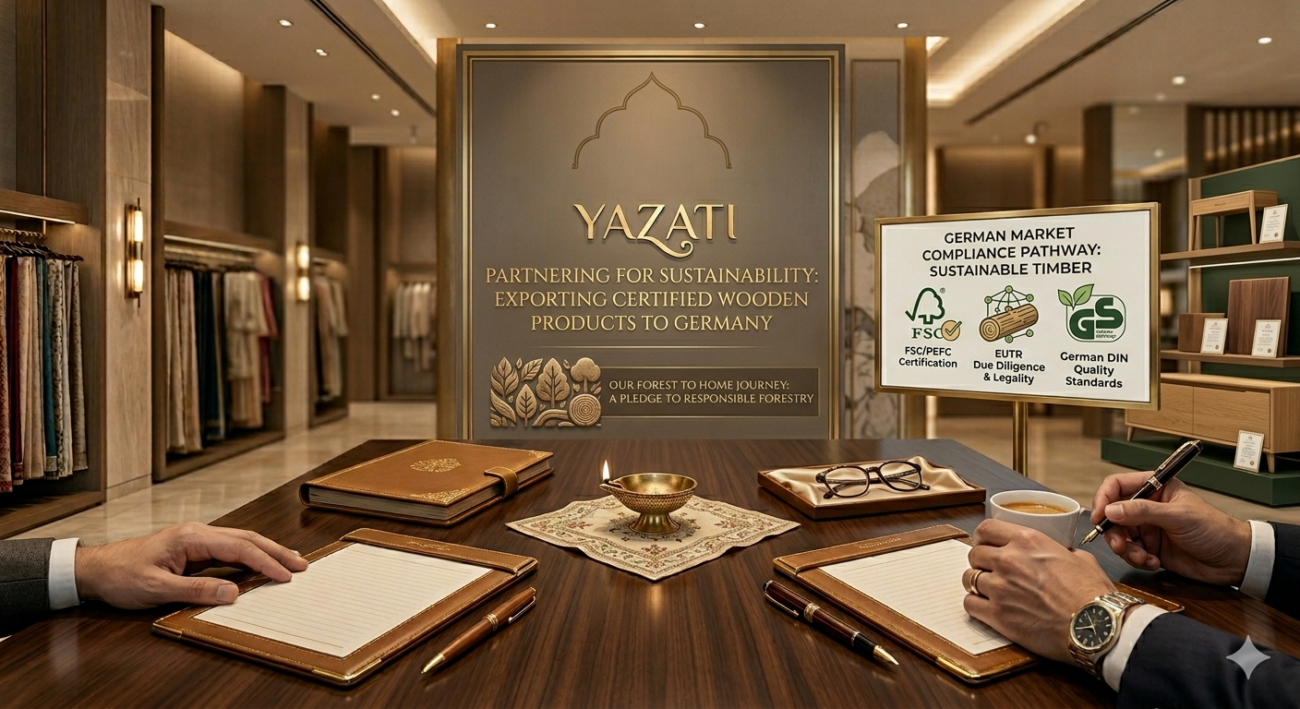
Germany is one of Europe’s largest importers of eco-friendly goods, making Exporting Sustainable Wooden Products to Germany a promising opportunity for manufacturers and exporters worldwide. With rising awareness about climate change, ethical sourcing, and environmentally responsible production, German consumers actively seek products that align with sustainable values.
From handcrafted wooden furniture to biodegradable kitchenware, sustainable wooden products have become highly desirable in homes, offices, hotels, and retail spaces across Germany. Exporters who understand market trends, regulations, certifications, and customer expectations can build a profitable long-term business in this thriving market.
This guide explores everything businesses need to know about entering Germany’s sustainable wood product market successfully.
Understanding the German Market for Sustainable Wooden Products
Germany is known for its environmentally conscious consumers and strict environmental regulations. Businesses entering this market must understand what German buyers value most.
Why Germany Prefers Eco-Friendly Wooden Products
German consumers prioritize sustainability in purchasing decisions. They often check whether products are ethically sourced, recyclable, and environmentally safe. Wooden products made from responsibly managed forests are highly favored.
Consumers in Germany are willing to pay premium prices for products that:
- Reduce environmental impact
- Use renewable materials
- Support ethical labor practices
- Minimize plastic usage
- Carry sustainability certifications
As a result, exporters focusing on eco-friendly production methods gain a competitive advantage.
Current Demand Trends in the German Furniture and Wood Industry
Germany’s furniture and interior décor market continues to grow steadily. Sustainable trends are driving demand for:
- Minimalist wooden furniture
- Reclaimed wood décor
- Bamboo-based household products
- FSC-certified flooring
- Handmade wooden crafts
Online shopping has also increased opportunities for international suppliers to reach German consumers directly.
Benefits of Exporting Sustainable Wooden Products to Germany
Entering the German market offers several business advantages.
Access to High-Value Consumers
German buyers often value quality over low prices. This creates opportunities for exporters producing premium handcrafted or certified sustainable products.
Products with strong durability and elegant design perform especially well.
Strong Environmental Awareness in Germany
Germany has one of the highest environmental awareness levels in Europe. Sustainable products are not considered niche anymore; they are becoming mainstream.
Retailers actively seek environmentally friendly suppliers to meet customer expectations and comply with sustainability goals.
Long-Term Market Stability
Germany has a stable economy and a strong retail sector. Sustainable living trends continue expanding, creating long-term demand for eco-conscious wooden goods.
This stability reduces risks for exporters planning long-term partnerships.
Types of Sustainable Wooden Products in Demand
Understanding which products sell best can help exporters target the right buyers.
Wooden Furniture
Sustainable wooden furniture remains one of the strongest product categories. Popular items include:
- Dining tables
- Chairs
- Shelves
- Bed frames
- Office desks
Natural finishes and Scandinavian-inspired designs are especially popular in Germany.
Wooden Kitchenware
Eco-conscious consumers increasingly replace plastic kitchen products with wooden alternatives such as:
- Cutting boards
- Wooden spoons
- Serving trays
- Bowls
- Storage containers
Products made from bamboo, teak, or reclaimed wood attract strong interest.
Eco-Friendly Home Decor
Decorative wooden products are also growing in popularity:
- Wall art
- Candle holders
- Wooden clocks
- Plant holders
- Handmade sculptures
Consumers appreciate artisan craftsmanship and unique designs.
Sustainable Flooring Products
Germany’s green construction industry creates strong demand for:
- Hardwood flooring
- Engineered wood flooring
- Bamboo flooring
- Reclaimed wood panels
Builders increasingly seek suppliers who provide certified sustainable materials.
Certifications Required for Exporting Sustainable Wooden Products to Germany
Certifications play a major role in gaining trust in the German market.
FSC Certification
The Forest Stewardship Council (FSC) certification proves that wood comes from responsibly managed forests. Many German retailers require FSC-certified products before importing.
Learn more at the official FSC website: https://fsc.org
PEFC Certification
The Programme for the Endorsement of Forest Certification (PEFC) is another widely recognized sustainability certification in Europe.
This certification assures buyers that forest management practices meet strict environmental standards.
EU Timber Regulation Compliance
The European Union Timber Regulation (EUTR) aims to prevent illegally harvested timber from entering EU markets.
Exporters must:
- Prove legal sourcing
- Maintain supply chain documentation
- Ensure traceability
Failure to comply can result in shipment delays or penalties.
Legal Requirements and Import Regulations
Exporters must comply with German and EU import regulations.
Customs Procedures
Businesses exporting to Germany must prepare:
- Commercial invoices
- Packing lists
- Bill of lading
- Certificate of origin
- Phytosanitary certificates (if required)
Accurate documentation speeds up customs clearance.
Packaging and Labeling Standards
Germany has strict packaging laws to reduce waste. Packaging should:
- Be recyclable
- Use minimal plastic
- Clearly display product information
- Include material composition labels
Eco-friendly packaging enhances brand image.
VAT and Duties
Import VAT and customs duties vary depending on product classification. Exporters should consult customs experts to understand tariff requirements.
Working with freight forwarders can simplify this process.
Finding Buyers in Germany
Building strong buyer relationships is critical for export success.
Trade Shows and Exhibitions
Germany hosts several international trade fairs where exporters can meet buyers directly.
Important trade events include:
- Interzum
- IMM Cologne
- Ambiente Frankfurt
- Domotex
These exhibitions provide networking opportunities with wholesalers, retailers, and distributors.
B2B Online Marketplaces
Digital marketplaces help exporters connect with German importers.
Popular platforms include:
- Alibaba
- Europages
- Faire
- Amazon Business
Professional product photography and sustainability messaging improve visibility.
Working with German Importers
Many exporters partner with local distributors who already understand the German market.
Importers can help with:
- Warehousing
- Marketing
- Retail relationships
- Regulatory compliance
Strong communication and reliability are essential when working with German businesses.
Pricing Strategies for the German Market
Pricing affects competitiveness and profitability.
Understanding Consumer Expectations
German consumers expect:
- High durability
- Excellent craftsmanship
- Honest sustainability claims
- Transparent sourcing
Low prices alone rarely guarantee success.
Competitive Pricing Models
Exporters should calculate:
- Production costs
- Shipping costs
- Customs duties
- Packaging expenses
- Retail margins
Offering mid-range and premium product lines can attract broader customer segments.
Sustainable Packaging for Wooden Products
Eco-friendly packaging is increasingly important.
Eco-Friendly Packaging Materials
Popular sustainable packaging options include:
- Recycled cardboard
- Paper wrapping
- Biodegradable fillers
- Reusable packaging
Plastic-heavy packaging may discourage environmentally conscious buyers.
Reducing Carbon Footprint During Shipping
Businesses can reduce emissions by:
- Optimizing shipment sizes
- Using sea freight instead of air freight
- Partnering with green logistics providers
- Choosing carbon-neutral shipping options
Sustainability throughout the supply chain improves brand reputation.
Logistics and Shipping Considerations
Efficient logistics help maintain product quality and customer satisfaction.
Sea Freight vs Air Freight
Sea freight is generally more affordable for large shipments. It is commonly used for furniture and bulk wooden products.
Air freight is faster but more expensive and less environmentally friendly.
Choosing Reliable Freight Forwarders
Experienced freight forwarders can assist with:
- Customs clearance
- Shipping schedules
- Insurance
- Documentation
- Warehousing
Reliable logistics partners reduce delays and shipping risks.
Marketing Sustainable Wooden Products in Germany
Strong marketing strategies help exporters stand out.
Digital Marketing Strategies
Businesses should invest in:
- SEO-optimized websites
- Social media marketing
- Sustainability-focused content
- Product videos
- Email marketing campaigns
German consumers often research products online before buying.
Sustainability Storytelling
Consumers connect emotionally with authentic sustainability stories.
Brands should communicate:
- Ethical sourcing practices
- Artisan craftsmanship
- Community impact
- Environmental commitment
Transparency builds customer trust and loyalty.
Challenges in Exporting Sustainable Wooden Products to Germany
Despite strong opportunities, exporters may face several obstacles.
Competition from European Suppliers
Local European manufacturers often benefit from:
- Faster delivery times
- Lower shipping costs
- Established brand recognition
Exporters must differentiate through quality, craftsmanship, or pricing.
Strict Environmental Standards
Germany maintains rigorous sustainability requirements. Businesses unable to meet standards may struggle to enter the market.
Continuous compliance monitoring is essential.
Future Opportunities in the German Sustainable Wood Market
The future looks promising for sustainable wooden product exporters.
Growth of Green Construction
Germany’s green building movement continues expanding rapidly. Sustainable wood materials are increasingly used in:
- Residential construction
- Commercial buildings
- Hotels
- Eco-resorts
This creates long-term opportunities for certified suppliers.
Rising Demand for Ethical Products
Consumers are becoming more socially conscious. Ethical sourcing, fair trade practices, and transparent production processes are expected to become even more important.
Brands that embrace sustainability early can build stronger market positions.
FAQs About Exporting Sustainable Wooden Products to Germany
1. What certifications are most important for exporting wooden products to Germany?
FSC and PEFC certifications are highly important because they verify responsible forest management and sustainability practices.
2. Is Germany a good market for sustainable wooden furniture?
Yes. Germany has strong consumer demand for eco-friendly furniture, especially products made from certified sustainable wood.
3. What are the main challenges exporters face?
Common challenges include strict environmental regulations, intense competition, and high logistics costs.
4. Can small businesses export sustainable wooden products to Germany?
Absolutely. Many German consumers appreciate handmade, artisan, and small-batch sustainable products.
5. How can exporters find German buyers?
Businesses can connect with buyers through trade fairs, B2B marketplaces, distributors, and digital marketing.
6. Are eco-friendly packaging materials necessary?
Yes. German consumers and regulations strongly favor recyclable and environmentally friendly packaging solutions.
Conclusion
Exporting Sustainable Wooden Products to Germany presents significant opportunities for businesses focused on quality, sustainability, and ethical sourcing. Germany’s environmentally conscious consumers continue driving demand for eco-friendly furniture, décor, kitchenware, and construction materials.
Success in this market requires more than attractive products. Exporters must understand certifications, comply with regulations, build trustworthy partnerships, and communicate authentic sustainability values.
Businesses that invest in responsible production, transparent supply chains, and eco-friendly packaging can position themselves for long-term growth in Germany’s expanding green economy.
As sustainability becomes increasingly important worldwide, exporters who act today can establish strong competitive advantages for the future.
✨ Discover Global Sourcing Excellence with Netyex ✨
Netyex is your trusted B2B sourcing partner, connecting international buyers with India’s finest manufacturers and curated product lines—from handicrafts and home décor to kitchenware, textiles, hospitality essentials, and more. With verified suppliers and end-to-end support, we make global procurement seamless, reliable, and efficient.
👉 Elevate your sourcing experience—explore Netyex today.
📦 Bulk orders & customisation | 🌍 Worldwide delivery | 🤝 Trusted by global buyers
Visit Netyex to source premium Indian products with confidence.