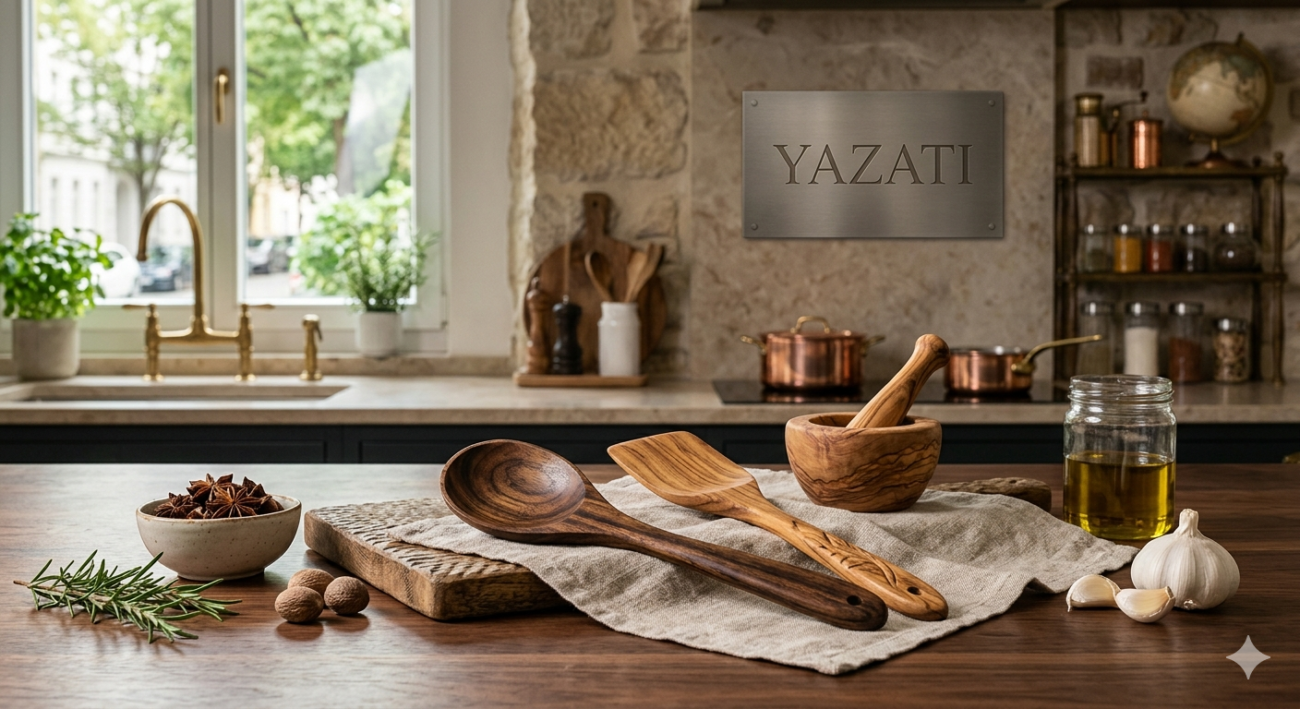
The business of Exporting Wooden Kitchen Tools from India to Germany has experienced remarkable growth in recent years. German consumers are increasingly choosing sustainable, reusable, and eco-friendly kitchen products instead of plastic alternatives. This shift in consumer behavior has created excellent opportunities for Indian manufacturers and exporters specializing in wooden kitchenware.
India has a long tradition of woodworking craftsmanship, making it one of the top suppliers of premium wooden kitchen tools worldwide. Products such as wooden spoons, spatulas, chopping boards, salad bowls, and rolling pins are highly valued in Germany for their natural appearance, durability, and environmentally friendly qualities.
In this comprehensive guide, you will learn everything about exporting wooden kitchen tools successfully, including legal requirements, certifications, shipping methods, pricing strategies, marketing techniques, and ways to find buyers in Germany.
Understanding the Growing Demand for Wooden Kitchen Tools in Germany
Germany is one of Europe’s largest importers of eco-friendly household products. Consumers are becoming more conscious of environmental sustainability and are actively replacing synthetic kitchen items with natural alternatives.
Why German Consumers Prefer Sustainable Kitchen Products
German households are known for supporting environmentally responsible products. Wooden kitchen tools are preferred because they:
- Reduce plastic waste
- Are biodegradable
- Offer long-lasting durability
- Provide aesthetic value
- Are safer for non-stick cookware
Wooden products also align with Germany’s strong sustainability culture and eco-friendly lifestyle trends.
Market Trends Driving Wooden Kitchenware Imports
Several market trends are increasing demand:
| Trend | Impact |
| Eco-conscious shopping | Higher demand for natural products |
| Organic lifestyle movement | Preference for toxin-free kitchenware |
| Handmade product popularity | Growth in artisanal imports |
| Premium home décor trends | Increased interest in wooden serving products |
As sustainability continues to influence purchasing decisions, the market for wooden kitchen tools is expected to expand further.
Why India Is a Leading Supplier of Wooden Kitchen Tools
India has become a trusted manufacturing hub for wooden kitchenware because of its abundant raw materials, skilled labor, and affordable production costs.
Availability of Quality Hardwood Materials
India offers access to premium woods such as:
- Teak
- Acacia
- Neem
- Mango wood
- Sheesham
These hardwoods are durable, naturally attractive, and suitable for kitchen use.
Skilled Craftsmanship and Competitive Pricing
Indian artisans have centuries of woodworking experience. Manufacturers combine traditional craftsmanship with modern production methods, allowing exporters to provide high-quality products at competitive international prices.
This cost advantage helps Indian exporters compete effectively in European markets.
Types of Wooden Kitchen Tools Exported to Germany
There are many product categories with strong demand in Germany.
Wooden Spoons and Spatulas
These are among the most commonly imported wooden kitchen items because they are practical and safe for cookware surfaces.
Popular options include:
- Flat spatulas
- Cooking spoons
- Salad servers
- Turner spatulas
Cutting Boards and Rolling Pins
Wooden cutting boards are highly valued for their natural appearance and durability. Rolling pins made from hardwood are also popular in bakeries and homes.
Serving Trays and Salad Bowls
German consumers appreciate elegant wooden serving products that combine utility with style.
Eco-Friendly Handmade Kitchen Accessories
Handcrafted kitchen accessories are becoming luxury lifestyle products in Europe.
Examples include:
- Spice boxes
- Wooden ladles
- Coasters
- Butter knives
- Mortar and pestle sets
Exporting Wooden Kitchen Tools from India to Germany: Legal Requirements
Understanding export regulations is essential for avoiding delays and penalties.
Import Regulations in Germany
Germany follows European Union import regulations. Exporters must comply with:
- EU customs requirements
- Product safety standards
- Packaging regulations
- Environmental compliance rules
EU Product Safety Standards
Kitchen products that come into contact with food must meet food safety standards. Products should not release harmful chemicals or coatings.
Using food-grade oils and finishes is highly recommended.
Documentation Required for Export
Important export documents include:
| Document | Purpose |
| Commercial Invoice | Buyer transaction details |
| Packing List | Shipment contents |
| Bill of Lading | Shipping proof |
| Certificate of Origin | Product origin verification |
| Phytosanitary Certificate | Pest-free wood confirmation |
| IEC Code | Mandatory export license in India |
Indian exporters must register with the Directorate General of Foreign Trade (DGFT) to obtain an Import Export Code (IEC).
Certifications Needed for Wooden Kitchen Tool Exports
Certifications improve credibility and increase buyer trust.
FSC Certification
The Forest Stewardship Council (FSC) certification proves that wood comes from responsibly managed forests.
German buyers often prefer FSC-certified suppliers.
Food-Safe Coating Certifications
Wooden kitchenware should use safe finishes such as:
- Mineral oil
- Beeswax
- Natural oils
Products may require laboratory testing for food safety compliance.
Phytosanitary Compliance
Wood packaging and products may need phytosanitary treatment to prevent pest contamination during international transport.
Choosing the Right Wood for Export Products
Selecting proper wood materials directly impacts product quality.
Teak Wood
Teak is highly durable and water-resistant, making it ideal for premium kitchen products.
Neem Wood
Neem wood offers antibacterial properties and is widely used for cooking utensils.
Acacia Wood
Acacia is popular because of its rich appearance and excellent strength.
Mango Wood
Mango wood is affordable, eco-friendly, and suitable for decorative kitchen products.
Manufacturing Standards and Quality Control
Maintaining high quality is essential for long-term export success.
Moisture Content Management
Improper moisture levels can cause cracking or warping. Export-grade wooden products should maintain controlled moisture content.
Surface Finishing and Durability
Smooth finishing improves product appearance and usability. Products should be polished carefully without harmful chemicals.
Product Inspection Procedures
Before shipment:
- Check dimensions
- Inspect finishing
- Verify packaging quality
- Ensure labeling accuracy
Consistent quality helps build repeat business relationships.
Packaging Solutions for International Shipping
Packaging protects products during transit and improves brand image.
Sustainable Packaging Methods
Eco-friendly packaging is highly valued in Germany.
Recommended materials include:
- Recycled cardboard
- Kraft paper
- Biodegradable wraps
Labeling Requirements for German Markets
Labels should include:
- Product name
- Material type
- Country of origin
- Care instructions
- Importer information
German-language labels can improve customer satisfaction.
Shipping and Logistics for Germany
Efficient logistics management reduces costs and delivery delays.
Sea Freight vs Air Freight
| Shipping Method | Advantages | Disadvantages |
| Sea Freight | Lower cost | Longer transit time |
| Air Freight | Faster delivery | Higher cost |
Sea freight is generally preferred for bulk shipments.
Major German Ports for Imports
Common import ports include:
- Hamburg
- Bremen
- Bremerhaven
These ports handle large volumes of European imports.
Freight Forwarders and Customs Clearance
Working with experienced freight forwarders simplifies customs procedures and shipping coordination.
Pricing Strategy and Profit Margins
Correct pricing ensures profitability and competitiveness.
Cost Calculation Methods
Include all export-related costs:
- Manufacturing
- Packaging
- Freight
- Insurance
- Duties
- Marketing expenses
Wholesale Pricing for European Buyers
German importers often negotiate bulk pricing. Offering flexible order quantities can help secure long-term contracts.
Finding German Buyers for Wooden Kitchen Tools
Finding reliable buyers is one of the most important parts of export growth.
B2B Marketplaces
Popular B2B platforms include:
- Alibaba
- IndiaMART
- Global Sources
- TradeIndia
A professional product catalog improves buyer confidence.
International Trade Fairs
Trade exhibitions help exporters connect with wholesalers and distributors.
Important European fairs include:
- Ambiente Frankfurt
- Heimtextil
- Tendence
Building Long-Term Distributor Relationships
Trust, communication, and consistent quality are essential for repeat orders.
Respond quickly to inquiries and maintain transparent business practices.
Digital Marketing for Export Businesses
Online visibility helps attract international buyers.
SEO for Export Websites
Optimize your website with keywords such as:
- Wooden kitchen tools exporter
- Eco-friendly kitchenware supplier
- Wooden utensils manufacturer India
Include high-quality product images and detailed descriptions.
For more export insights, visit the official German trade portal:
https://www.gtai.de/en
LinkedIn and B2B Outreach
LinkedIn is highly effective for connecting with:
- Importers
- Retail chains
- Wholesalers
- Purchasing managers
Email Marketing Campaigns
Professional email campaigns can generate international leads. Include:
- Product catalogs
- Certifications
- Pricing information
- MOQ details
Common Challenges in Exporting Wooden Kitchen Tools from India to Germany
Export businesses may face operational difficulties.
Customs Delays
Incorrect documentation can delay shipments significantly.
Product Quality Complaints
Poor finishing or damaged goods may result in buyer disputes.
Currency Fluctuations
Exchange rate changes can impact profitability. Many exporters use forward contracts to reduce financial risks.
Future Opportunities in the European Eco-Friendly Kitchenware Market
The future looks promising for Indian exporters. Sustainability regulations and consumer awareness continue to increase demand for natural kitchen products.
Emerging opportunities include:
- Personalized wooden kitchenware
- Luxury handmade collections
- Organic lifestyle brands
- Private labeling partnerships
- Sustainable gift products
Exporters who focus on quality, branding, and compliance can achieve long-term growth in Germany and across Europe.
Frequently Asked Questions
1. Is Germany a good market for wooden kitchen tools?
Yes. Germany has strong demand for sustainable and eco-friendly kitchen products, making it an attractive market for wooden kitchenware exporters.
2. Which certifications are important for exporting wooden kitchen tools to Germany?
FSC certification, phytosanitary certificates, and food-safe coating compliance are highly important.
3. What wood types are most popular in Germany?
Acacia, teak, neem, and mango wood are commonly preferred for durability and appearance.
4. What is the best shipping method for wooden kitchenware exports?
Sea freight is usually the most cost-effective option for bulk shipments.
5. How can Indian exporters find buyers in Germany?
Exporters can use B2B marketplaces, LinkedIn, trade fairs, and distributor partnerships.
6. Are eco-friendly packaging materials necessary?
Yes. German buyers strongly prefer sustainable and recyclable packaging solutions.
Conclusion
The business of Exporting Wooden Kitchen Tools from India to Germany offers excellent growth opportunities for Indian manufacturers and exporters. Germany’s increasing preference for eco-friendly kitchen products creates strong demand for high-quality wooden utensils and accessories.
Success in this market depends on:
- Maintaining strict quality standards
- Following EU regulations
- Using sustainable materials
- Building reliable buyer relationships
- Investing in professional branding and digital marketing
Indian exporters who focus on craftsmanship, compliance, and customer trust can establish a profitable and long-lasting presence in the German market.
✨ Discover Global Sourcing Excellence with Netyex ✨
Netyex is your trusted B2B sourcing partner, connecting international buyers with India’s finest manufacturers and curated product lines—from handicrafts and home décor to kitchenware, textiles, hospitality essentials, and more. With verified suppliers and end-to-end support, we make global procurement seamless, reliable, and efficient.
👉 Elevate your sourcing experience—explore Netyex today.
📦 Bulk orders & customisation | 🌍 Worldwide delivery | 🤝 Trusted by global buyers
Visit Netyex to source premium Indian products with confidence.