
Introduction to Indian Wooden Kitchenware Market
Indian wooden kitchenware has gained significant attention in global markets due to its eco-friendly nature, durability, and traditional craftsmanship. The Global Demand for Indian Wooden Kitchenware: Export Strategy is now a hot topic among exporters, entrepreneurs, and artisans looking to tap into international markets.
India has a long-standing tradition of woodworking, with artisans producing high-quality kitchen tools like spoons, ladles, and cutting boards using sustainable materials such as neem, teak, and sheesham wood. These products are not only functional but also aesthetically pleasing, making them highly desirable worldwide.
Historical Significance of Wooden Kitchenware in India
Wooden kitchen tools have been used in Indian households for centuries. Traditionally crafted by skilled artisans, these tools were valued for their durability and natural antibacterial properties. Regions like Rajasthan, Kerala, and Uttar Pradesh have been famous for their woodworking traditions.
These products were often handmade, passed down through generations, and deeply rooted in Indian culture. This heritage adds value to exports, as international buyers appreciate the authenticity and craftsmanship behind each product.
Modern-Day Relevance in Global Markets
Today, wooden kitchenware is experiencing a resurgence globally. With growing awareness about sustainability and reducing plastic use, consumers are shifting toward natural materials. Indian products stand out due to their quality, affordability, and unique designs.
Global Demand for Indian Wooden Kitchenware: Export Strategy Overview
The Global Demand for Indian Wooden Kitchenware: Export Strategy revolves around understanding market trends, consumer preferences, and building a strong export framework.
Key Drivers of International Demand
Several factors are driving the global demand:
- Eco-conscious consumers prefer biodegradable materials.
- Health awareness encourages the use of non-toxic kitchen tools.
- Aesthetic appeal attracts modern buyers seeking rustic and natural designs.
Sustainability and Eco-Friendly Trends
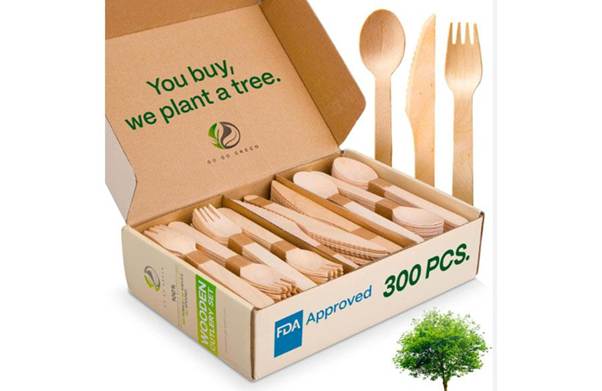
Sustainability is no longer optional—it’s essential. Wooden kitchenware aligns perfectly with global sustainability goals. Products made from responsibly sourced wood are biodegradable, reusable, and environmentally friendly.
Types of Indian Wooden Kitchenware in Demand
Wooden Spoons and Spatulas
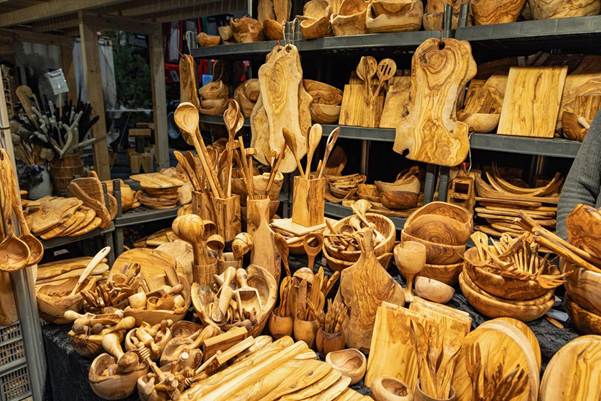
These are among the most exported items. They are durable, heat-resistant, and safe for non-stick cookware.
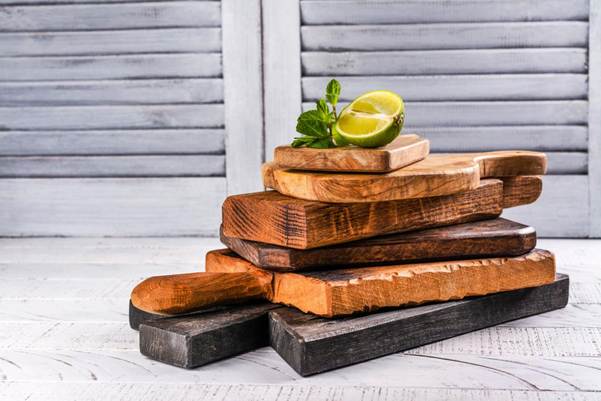
Cutting Boards and Serving Platters
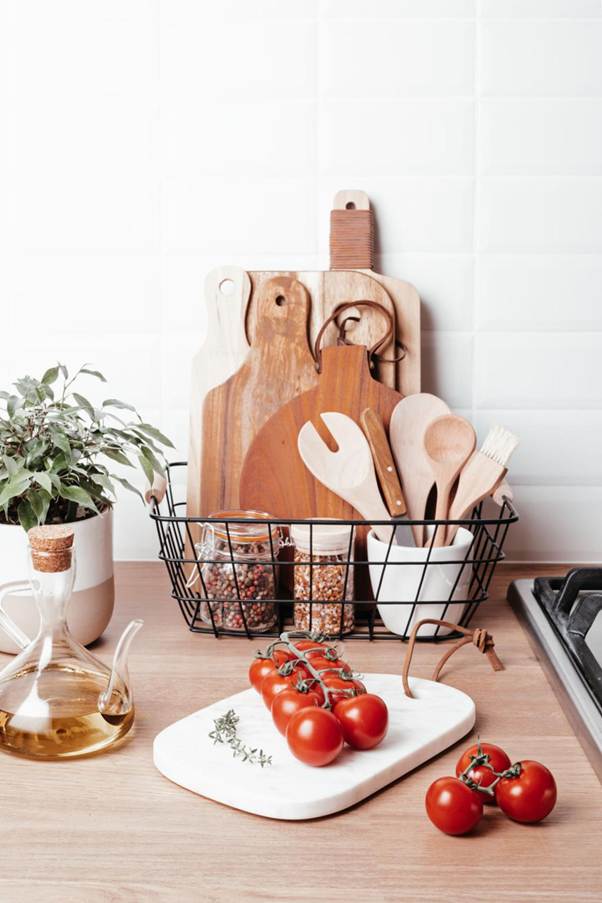
Stylish wooden boards are widely used in Western kitchens for both cooking and presentation.
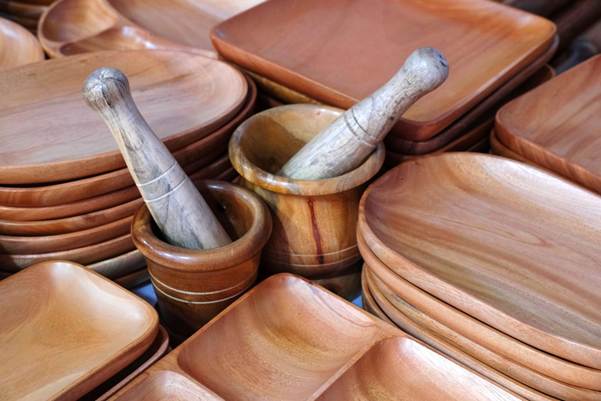
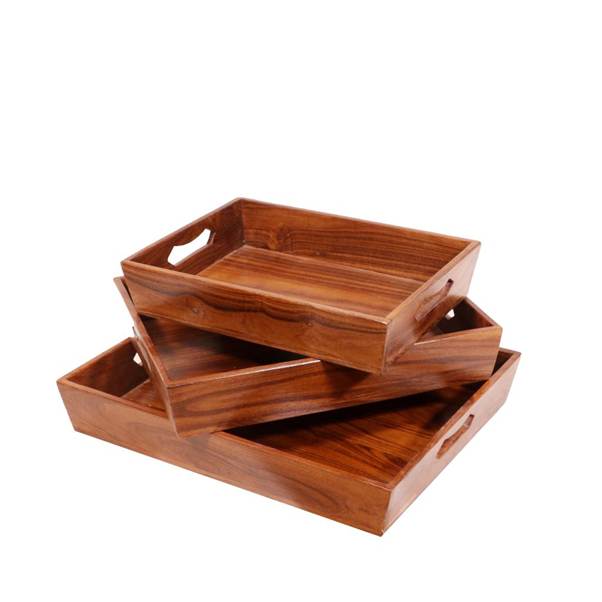
Bowls, Trays, and Decorative Items
Wooden bowls and trays serve dual purposes—functional and decorative—making them highly popular.
Top Export Markets for Indian Wooden Kitchenware
United States and Canada
North America is one of the largest importers. Consumers here value sustainability and handmade products.
Europe and UK
European markets emphasize eco-certifications and premium quality. Countries like Germany, France, and the UK are major buyers.
Middle East and Asia-Pacific
These regions are growing markets due to rising disposable incomes and interest in premium kitchenware.
Benefits of Exporting Indian Wooden Kitchenware
Cost Advantage and Craftsmanship
India offers competitive pricing due to low production costs while maintaining high craftsmanship standards.
Rising Global Preference for Handmade Products
Handcrafted items are seen as premium products, increasing their demand and value.
Challenges in Exporting Wooden Kitchenware
Compliance with International Standards
Exporters must meet strict regulations such as:
- Food safety certifications
- Chemical treatment standards
- Sustainability certifications
Logistics and Supply Chain Issues
Shipping delays, packaging requirements, and customs regulations can pose challenges.
Step-by-Step Export Strategy for Indian Wooden Kitchenware
Market Research and Target Audience
Identify high-demand regions and understand consumer preferences. Use tools like Google Trends and trade reports.
Product Quality and Certification
Ensure compliance with international standards such as FSC certification for wood sourcing.
Branding and Packaging
Invest in attractive packaging and storytelling to highlight craftsmanship and sustainability.
Pricing Strategy
Balance affordability with perceived value. Premium markets can sustain higher prices.
Digital Marketing and Online Platforms
Use platforms like:
- Amazon Global
- Etsy
- Alibaba
Also, build a website and optimize it for SEO.
Role of Government Support and Policies
Export Incentives and Schemes
The Indian government offers schemes like:
- MEIS (Merchandise Exports from India Scheme)
- RoDTEP (Remission of Duties and Taxes on Exported Products)
Role of Export Promotion Councils
Organizations like EPCH (Export Promotion Council for Handicrafts) help exporters with guidance and market access.
Digital Transformation in Export Business
E-commerce Platforms for Export
Online platforms allow small businesses to reach global buyers without heavy investment.
Social Media and Global Reach
Instagram, Pinterest, and Facebook help showcase products visually and attract international customers.
Future Trends in Wooden Kitchenware Export
Innovation in Design
Modern designs with traditional craftsmanship will dominate future markets.
Sustainable Manufacturing
Eco-certifications and ethical sourcing will become mandatory for global success.
FAQs
1. Why is there a global demand for Indian wooden kitchenware?
Due to sustainability, durability, and unique craftsmanship.
2. Which countries import the most Indian wooden kitchenware?
The USA, UK, Germany, and UAE are major importers.
3. What certifications are required for export?
FSC certification, food safety compliance, and quality standards.
4. Is wooden kitchenware profitable for export?
Yes, due to low production costs and high global demand.
5. How can small businesses start exporting?
By using e-commerce platforms and government export schemes.
6. What wood types are commonly used?
Neem, teak, mango wood, and sheesham are widely used.
Conclusion
The Global Demand for Indian Wooden Kitchenware: Export Strategy presents a massive opportunity for Indian exporters. With the right mix of quality, sustainability, branding, and digital marketing, businesses can successfully penetrate global markets.
As consumers worldwide shift toward eco-friendly products, Indian wooden kitchenware is perfectly positioned to meet this demand. By adopting a well-planned export strategy, entrepreneurs can not only grow their business but also promote India’s rich craftsmanship on a global stage.
🔗 External Resource: Learn more about export opportunities from the Export Promotion Council for Handicrafts
✨ Discover Global Sourcing Excellence with Netyex ✨
Netyex is your trusted B2B sourcing partner, connecting international buyers with India’s finest manufacturers and curated product lines—from handicrafts and home décor to kitchenware, textiles, hospitality essentials, and more. With verified suppliers and end-to-end support, we make global procurement seamless, reliable, and efficient.
👉 Elevate your sourcing experience—explore Netyex today.
📦 Bulk orders & customisation | 🌍 Worldwide delivery | 🤝 Trusted by global buyers
Visit Netyex to source premium Indian products with confidence.